

Lebanon blast caused up to $8b in damages, World Bank warns
August 4 explosion shattered vast section of Beirut port and surrounding areas, exacerbating the country’s already dire economic crisis
 Add ToI as a Preferred Source on Google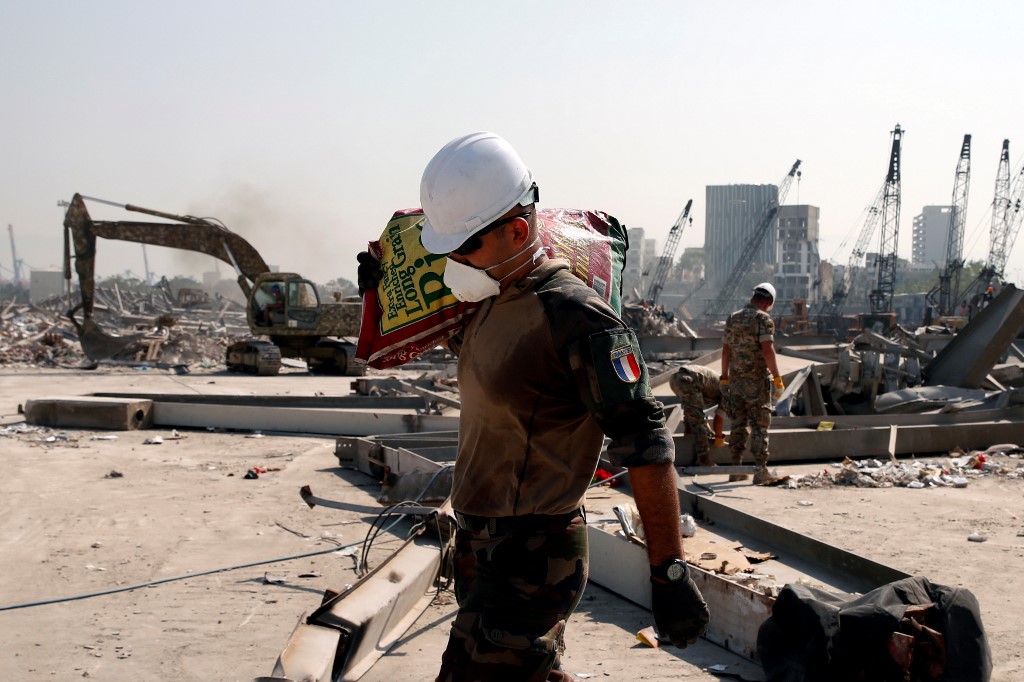
PARIS, France — The devastating Beirut blast caused up to $8.1 billion in damage and economic loss, and Lebanon needs hundreds of millions of dollars in aid to recover, the World Bank said Monday.
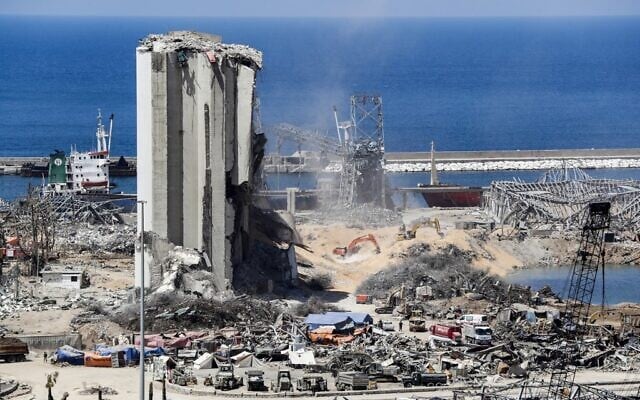
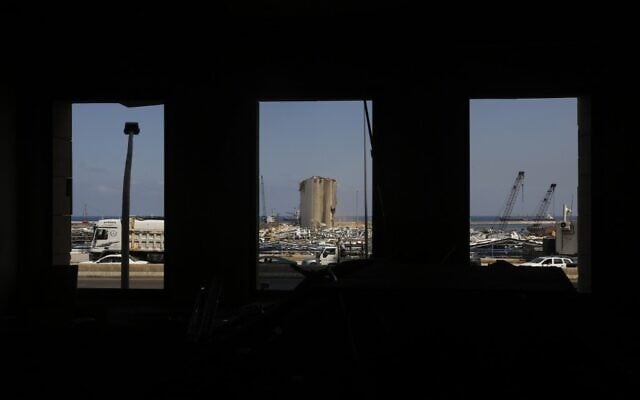
The double explosion on August 4 shattered a vast section of the city’s port and surrounding areas, killing scores of people and plunging the country into further economic turmoil.
The cost of material damage from the blasts ranges from $3.8 billion to $4.6 billion, while economic damage amounts to $2.9 billion to $3.5 billion, according to a bank estimate.
Lebanon now needs from $605 million to $760 million in urgent financial aid to bounce back from the disaster, the World Bank said in a “Rapid Damage and Needs Assessment” carried out with the United Nations and European Union.
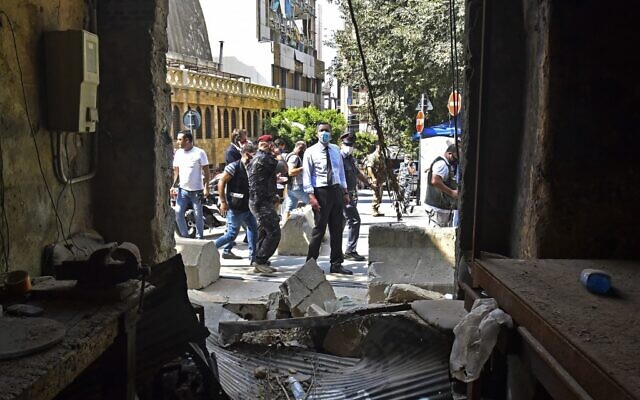
The economic sectors most affected were housing, transportation and cultural heritage, including religious and archaeological sites, national monuments, theaters, archives and libraries, the study found.
According to the World Bank, beyond the immediate need for hundreds of millions of dollars in aid, Lebanon will have to come up with an additional $1.18 billion to $1.46 billion in 2021.
Priorities for government spending would be transportation, cultural needs and housing, the assessment said.
On a macroeconomic level, the bank noted that the impact of the blast will be felt through “losses in economic activity caused by the destruction of physical capital” followed by “trade disruptions resulting in higher transaction costs of external trade, and the loss of fiscal revenues.”
It forecast that Lebanon’s gross domestic product would decline by an additional 0.4 percentage point this year and by an additional 0.6 percentage point in 2021.
The country was already facing a grave economic crisis that has been aggravated by the coronavirus pandemic, and the World Bank had estimated earlier that its economy would contract by 10.9 percent this year.
In addition to causing a deeper recession, the blasts would increase poverty, which the bank said already affected 45 percent of the population.
Given Lebanon’s dire financial straits and lack of foreign exchange reserves, Beirut will rely on international aid and private investment to recover, the assessment said.
To obtain sufficient funds, officials will have to enact a credible program of reforms to guard against corruption, and focus on “breaking the hold of elite capture, which has monopolized both private and public resources.”







The Times of Israel Community.