

Left out of Trump’s technocratic vision, anti-Hamas militias seek role in rebuilt Gaza
Unpopular armed groups want part in Strip’s future; a reemerged Hamas, which shows no readiness to disarm, is both threatening them and seeking a say over apolitical professionals intended to replace it

 Add ToI as a Preferred Source on Google
Nurit Yohanan is The Times of Israel's Palestinian and Arab world correspondent

In Hussam al-Astal’s vision, the Gaza that emerges from the rubble of the last two years of war will not be controlled by Hamas but rather by a network of militias backed by the Palestinian Authority, including his own armed faction.
The leader of a militia that has carved out an anti-Hamas enclave near Khan Younis, al-Astal sees his project and similar efforts in other areas of the Strip still under Israeli military control as a harbinger of what has been termed New Gaza.
“In the beginning, we are the ones who will establish New Gaza — we have partners from inside Gaza and respected people: doctors, engineers, scholars. There is room for everyone. We have hundreds of people under our protection. Gaza wants to live without Hamas and without terror,” he told The Times of Israel.
Despite his and others’ plans, though, there are indications that the idea of handing Gaza’s governance to armed bands opposed by Hamas may lack widespread support, both among Palestinians and in US President Donald Trump’s administration, which has taken a leading role in crafting Gaza’s future.
Though ostensibly backed by Israel, the militias are not included in the White House’s comprehensive peace plan, which calls for a panel of technocrats to helm Gaza’s postwar future instead of Hamas, and it’s unclear if they can continue to hold any territory in the Strip once Israel pulls back. The PA has refused to acknowledge any ties with the militias, though it has engaged in talks with Hamas on the makeup of the technocratic committee, signaling that the terror group may continue to play a role in the Strip’s future.
“There is a general rejection in society, from all people regardless of political affiliation, of the militias,” Saif al-Din Odeh, a Gaza-based economist, told The Times of Israel by phone. “They were created by the occupation [referring to Israel] and serve its interests, not national ones. Most of their operatives were in prison for criminal issues. These militias will never succeed [in governing].”
According to Israeli security estimates, tens of thousands of Gazans — out of some 2 million residents — now live in areas under Israeli control and are effectively under the protection of militias spread along the Strip: led by Ashraf al-Mansi and by Rami Khalas, both in Gaza City; by al-Astal in Khan Younis; and by Yasser Abu Shabab in Rafah.
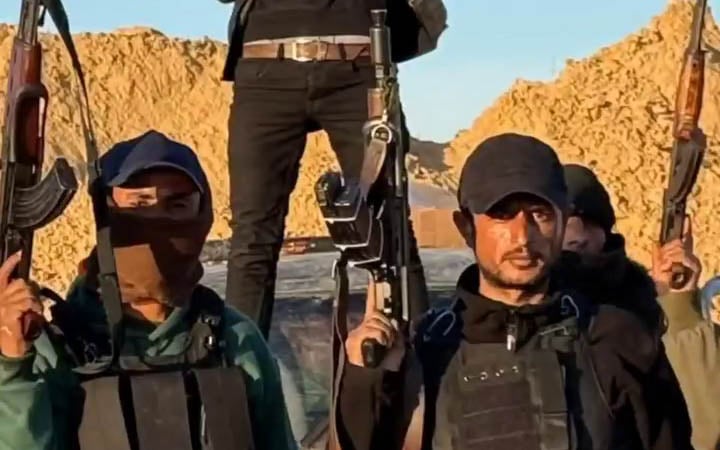
Speaking during a trip to Israel on October 21, Trump’s son-in-law and senior adviser Jared Kushner appeared to endorse the idea of funneling reconstruction funding to areas under militia control, introducing the term New Gaza.
As Hamas moved to reassert its hold over areas of the Strip where the Israel Defense Forces had pulled back from, Kushner said that reconstruction would not take place in parts of Gaza controlled by the terror group, estimated at about half of the territory.
“There are considerations being discussed now in the areas the IDF controls, as long as they can be secured to start building the new Gaza,” Kushner said.
However, US Secretary of State Marco Rubio, who visited Israel a few days later, did not repeat the term or endorse the same plan when speaking about Gaza’s future.
Al-Astal said he has been talking about “New Gaza” for over a month.
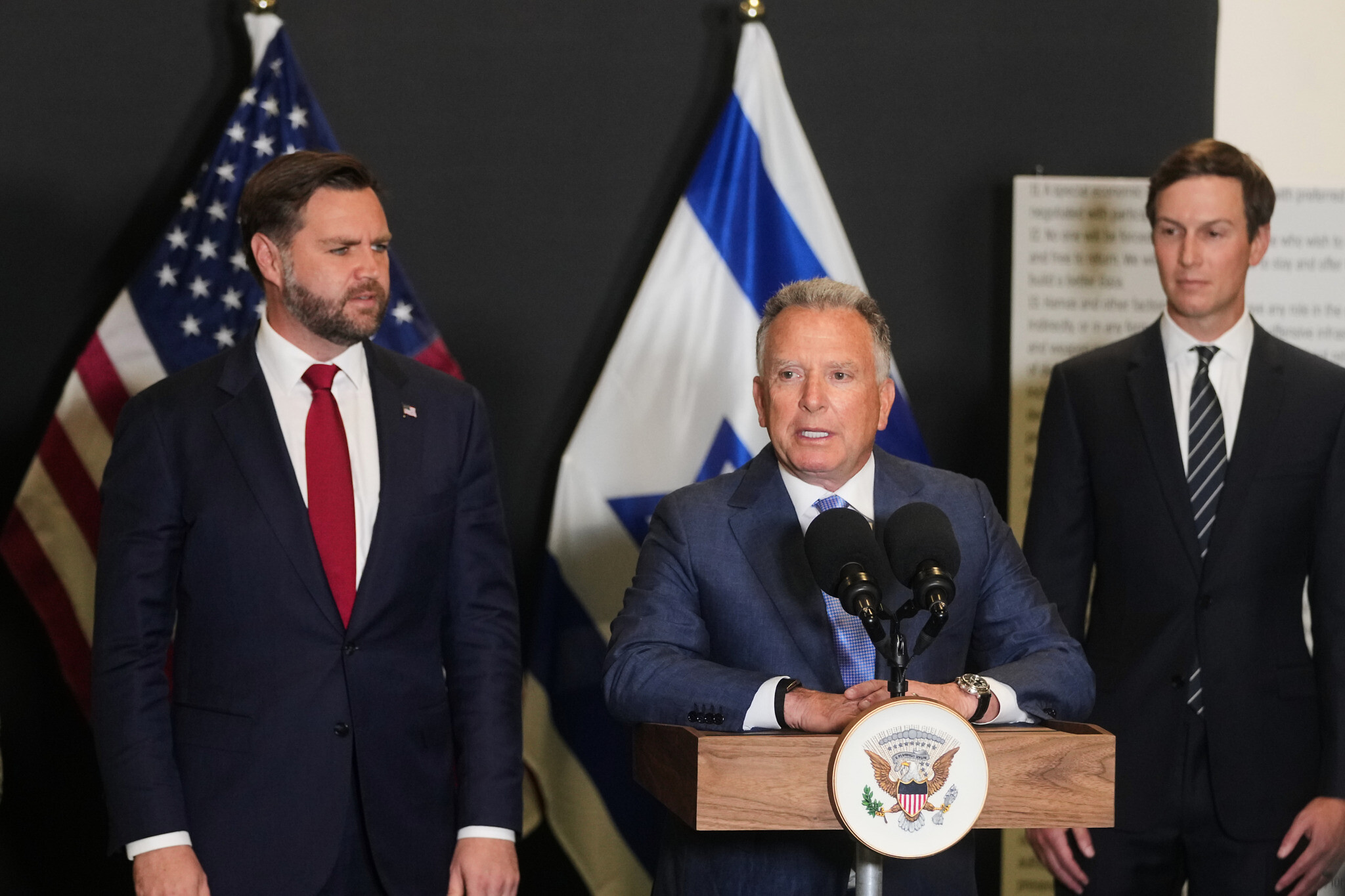
He claimed that his forces could maintain control of areas it is holding even after the army withdraws beyond the current ceasefire line demarcated in the Trump agreement, known as the Yellow Line.
“We are capable of controlling the areas along the Yellow Line, and the number of our people is growing,” he said.
Contrary to al-Astal’s claims, the IDF does not currently allow residents to cross the Yellow Line.
Hamas demands surrender
Should the IDF more fully withdraw from Gaza in line with subsequent stages of the Trump plan, the armed groups would likely be confronted by a reemerging Hamas, which has issued statements in recent weeks vowing to hunt down the militias and urging their members to surrender or risk being killed.
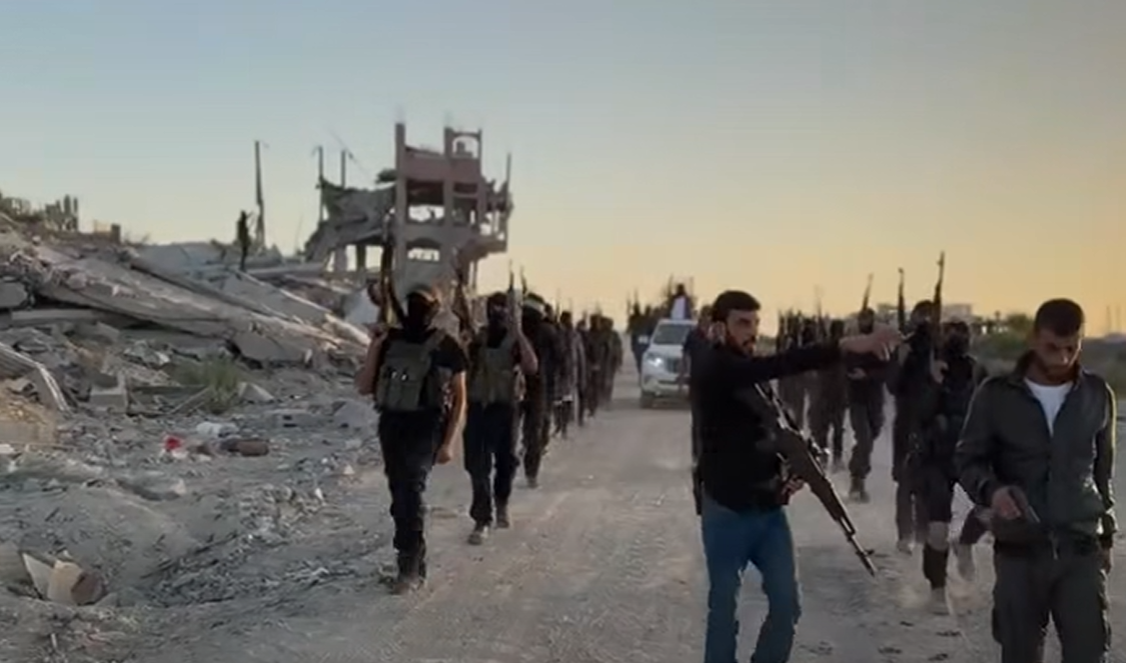
The terror group already showed brutal efficiency in taking out alleged opponents after Israeli troops withdrew from other parts of Gaza, carrying out at least two mass executions in public, and publishing footage showing Gazans accused of stealing aid or collaborating with Israel being shot in the legs or assaulted with cinderblocks.
Al-Astal did not elaborate on the nature of the governance he and other militia leaders hope to establish, but stressed they would not rule by force like Hamas. “We will control people to safeguard their security,” he said, adding that elections would be held — though without specifying when or at what stage in Gaza’s reconstruction.
Local leaders, however, argue the militias have no real support or governing capacity.
Gaza City Mayor Yahya Sarraj told The Times of Israel that no one in Gaza supports militia rule, noting Israel’s abortive backing in the 1970s for Palestinian alternatives to the Palestine Liberation Organization in the West Bank. “This path has already been tried several times — starting with the Village Leagues in the West Bank – and it failed,” he said.
After a few years, Israel itself banned the leagues and shut the project down.
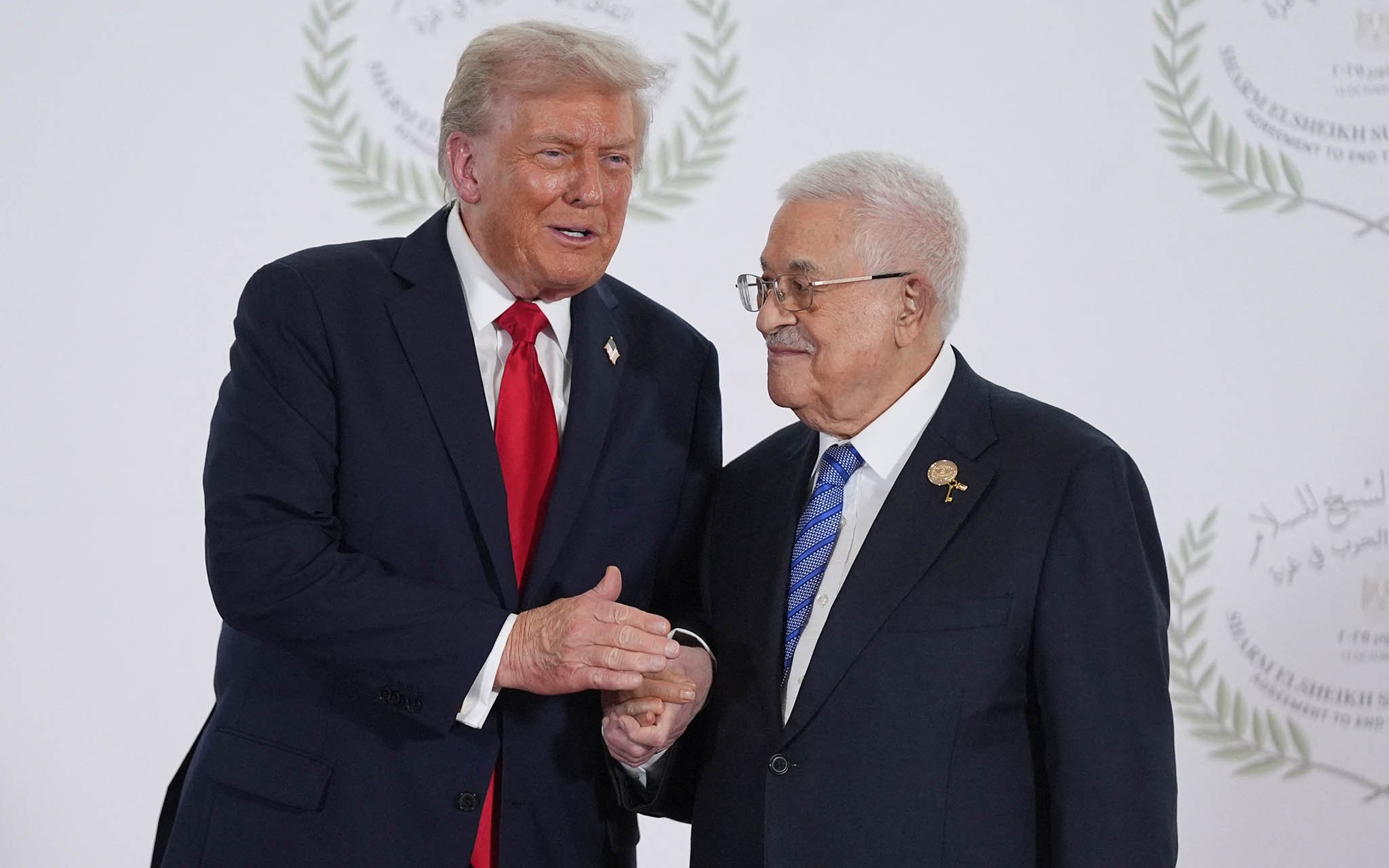
Both Sarraj and the economist Odeh were among a group of well-known local figures in Gaza who recently took part in drafting several letters to Trump expressing their aspiration to end the war and then establish peace with Israel.
Odeh stressed that Gaza needs a broader political horizon — not just reconstruction. “What is required is a comprehensive political solution based on the two-state framework,” Odeh told The Times of Israel.
Seeking committee comity
A future in which Gaza’s militias are given any governing role — even temporarily — is absent from Trump’s 20-point plan aimed at ending the war and building a sustainable peace.
Instead, the plan calls for “the temporary transitional governance of a technocratic, apolitical Palestinian committee… made up of qualified Palestinians and international experts, with oversight and supervision by a new international transitional body” to be headed by the US president.
The interim solution is envisioned as a placeholder until the PA undergoes reforms needed before it can manage the Strip’s governance. The plan bars the Hamas terror group from having any role in governing Gaza.
“The optimal solution is to manage the Gaza Strip temporarily through a carefully selected technocratic committee, until conditions are ripe to hold elections for a national leadership that represents Palestinian society,” Sarraj said.
A vision along these lines has been under discussion in recent days in Cairo.
Over the past week, Hamas representatives have met with numerous Palestinian factions, including Fatah — the backbone of the PA and the party of its president Mahmoud Abbas.
Palestinian intelligence chief Majed Faraj and PA deputy chairman Hussein al-Sheikh, both close Abbas allies, arrived in Egypt for talks with a Hamas delegation led by Khalil al-Hayya.
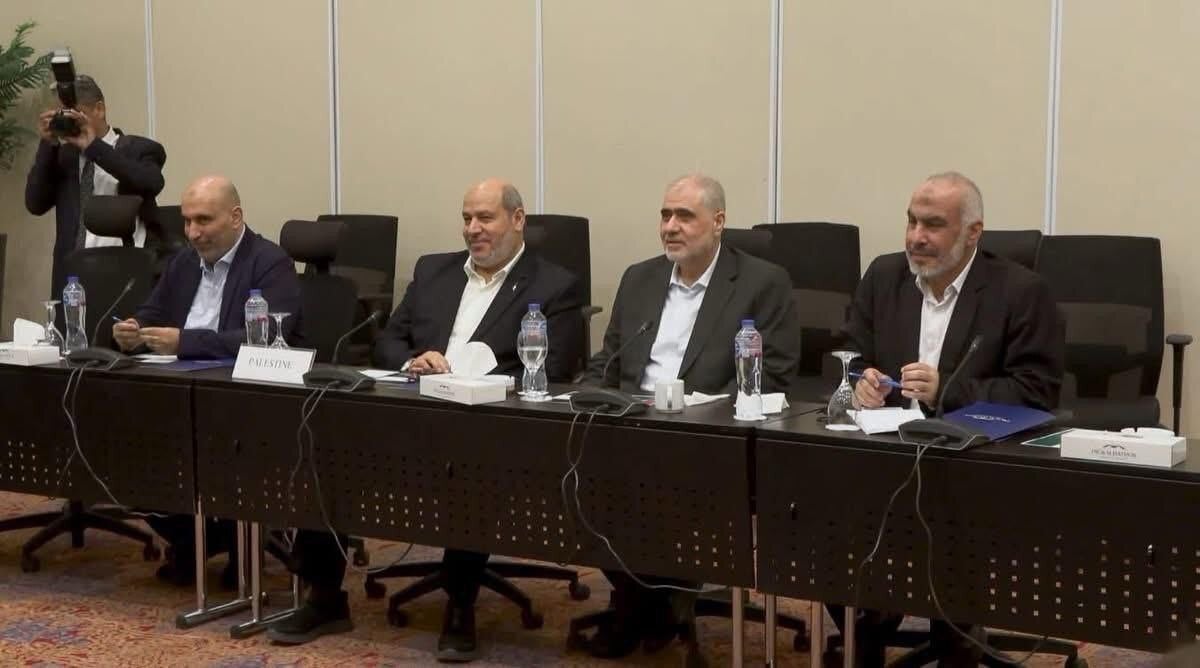
Following those meetings, Hamas and several smaller groups that had recognized its authority in the Gaza Strip after it took power almost two decades ago announced an agreement on establishing a technocratic committee to manage the Strip.
Soon afterward, however, Fatah issued a statement rejecting Hamas’s declaration, insisting that Gaza must be governed within the broader framework of the PLO and the PA. So far, there appears to be no Palestinian consensus — let alone broader American, Israeli, or Arab agreement — on any plan for Gaza’s future.
The PA governed Gaza until 2007, when it was ousted by Hamas in a bloody coup. Israel had been outspoken in rejecting a role for the PA in governing Gaza before endorsing the Trump plan.
Al-Astal had served in the PA’s security force in Gaza prior to Hamas’s takeover, and he described himself to The Times of Israel as a PA official.
Still, al-Astal was vague about what role he saw for the PA in the Strip’s future: “Today we say — Gaza without organizations: Hamas, Fatah, or Islamic Jihad. We are ready to work with anyone who is prepared to take part in the New Gaza,” he said.
Khalas, the Gaza City militia leader, was also a PA official in the past, according to al-Astal. On October 6, he told the Facebook page of Jusur News, an Arabic-language outlet that has published content critical of Hamas during the war, that his group provides humanitarian services in the Shejaiya neighborhood of the Gazan capital and coordinates with the PA.
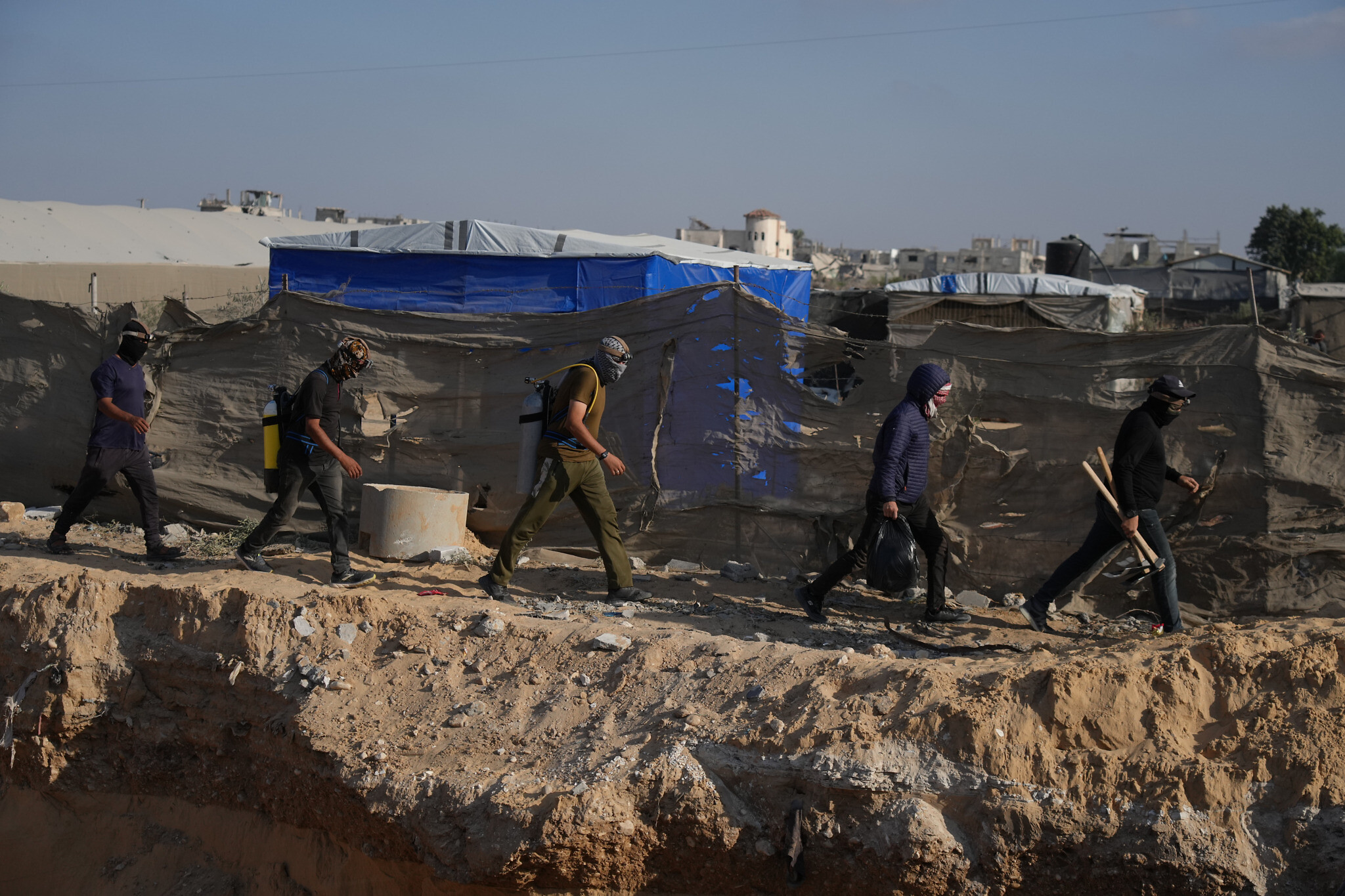
The PA has for months refused to comment officially on the militias in Gaza or on claims of any connection between the PA and these groups.
According to a May poll by the Palestinian Center for Policy and Survey Research, one of the only groups surveying Gazans, 46% of respondents in the Strip supported the PA retaking control of Gaza, though only 37% in the West Bank agreed. The survey also found that 28% of Gazans thought Hamas would end up in control of the Strip after the war, with the remaining respondents split almost evenly between thinking Israel, the PA or an international body would wind up in charge.
According to Odeh, Gazans are largely in favor of Hamas stepping back from governance.
“There is a consensus in society that Hamas should have no role, that its rule must not be repeated. People do not accept it,” he said. “What they need now is the rebuilding of their lives, with professionals who put residents at the top of their priorities and ensure a life of dignity.”
Think local
Hamas’s deep involvement in the Cairo talks raises the likelihood that it will still have influence — even if behind the scenes — over the technocratic committee, which is supposed to be made up of apolitical professionals.
Al-Hayya told Al Jazeera earlier this week that Hamas would hand over all governing responsibilities to a technocratic committee, but revealed that the group had months earlier provided Egypt with a list of about 40 professionals whose inclusion in the committee it supported.
He also rejected disarming unless within the context of an independent Palestinian state.
Under the Trump plan, Hamas is to be disarmed and an international force will deploy to Gaza and be tasked with training and supporting a Palestinian police force to keep the peace inside the Strip.
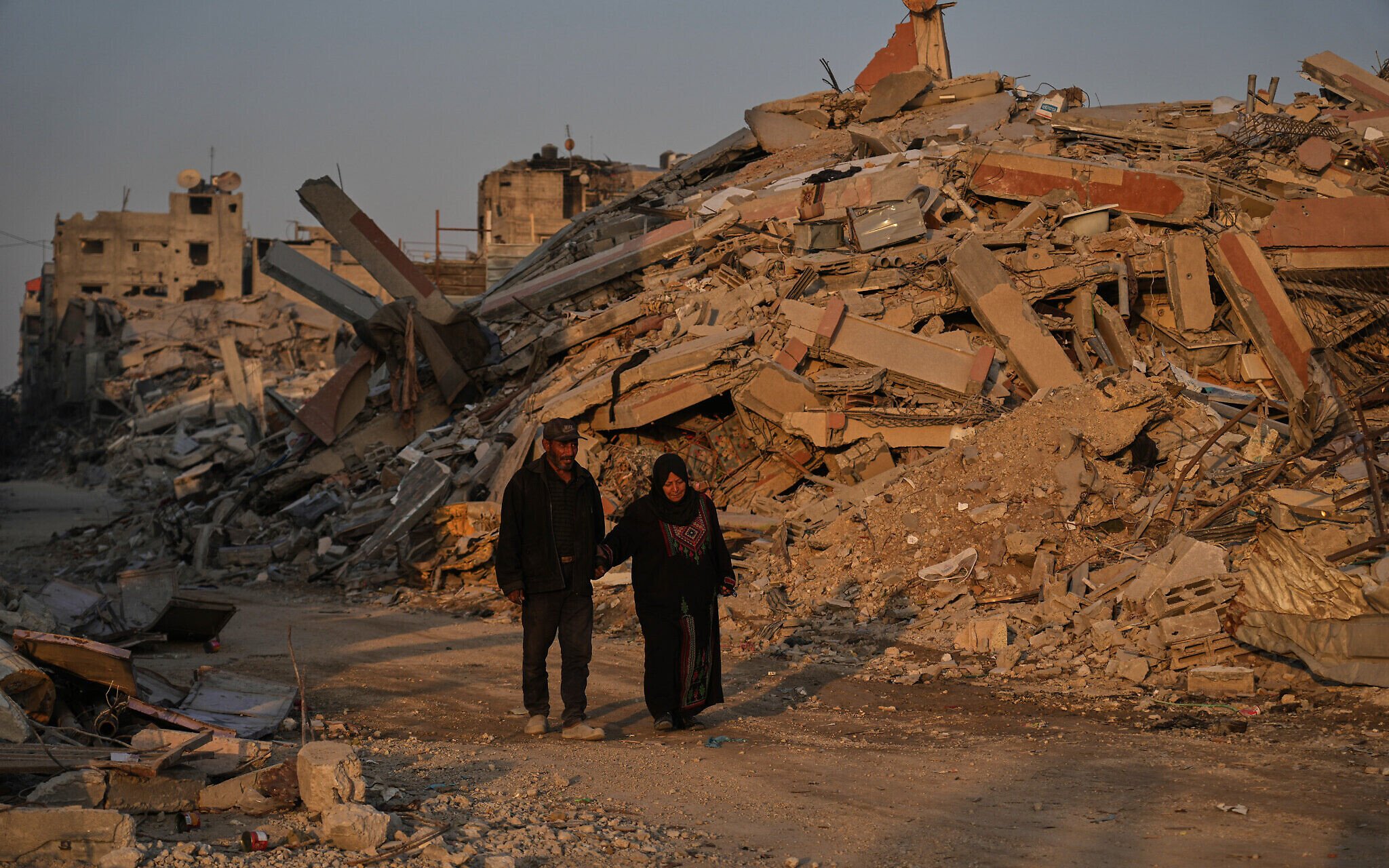
Odeh said he believed the best way forward would be management by Gazans themselves, or at the very least Palestinians who best understand the local needs and can build trust and cooperation with the population, especially when it comes to law enforcement or emergency response.
“There is a need for an international force [to enter Gaza] to give people confidence that the war will not return. But in terms of the civilian police, it would be difficult for an international force to handle it, because it doesn’t know the residents,” he said. “That’s why the police, the prosecutor’s office, and the rescue services should be under international supervision — but the personnel must come from Gaza itself.”
Egypt announced months ago that it was training thousands of Palestinian police officers to enter Gaza “the day after.”
Odeh, who previously worked in the Palestinian Monetary Authority, advised that as Hamas is pushed out, those taking up the Strip’s governance should avoid purging civil servants who worked in government institutions under Hamas over the past 17 years, beyond getting rid of senior Hamas figures.
“Many of those who still work [under Hamas rule] in the police, the prosecutor’s office, and emergency services have the knowledge and experience,” he said. “They have no political affiliation. There should not be a wholesale dismissal of those already in place.”









The Times of Israel Community.