

Levin, State Attorney fail to compromise on Sde Teiman probe; High Court to rule
High Court’s proposals for agreement on Tuesday appear closer to State Attorney’s suggestion for involvement of Supreme Court judge in overseeing criminal investigation
 Add ToI as a Preferred Source on Google
Jeremy Sharon is The Times of Israel’s legal affairs and settlements reporter
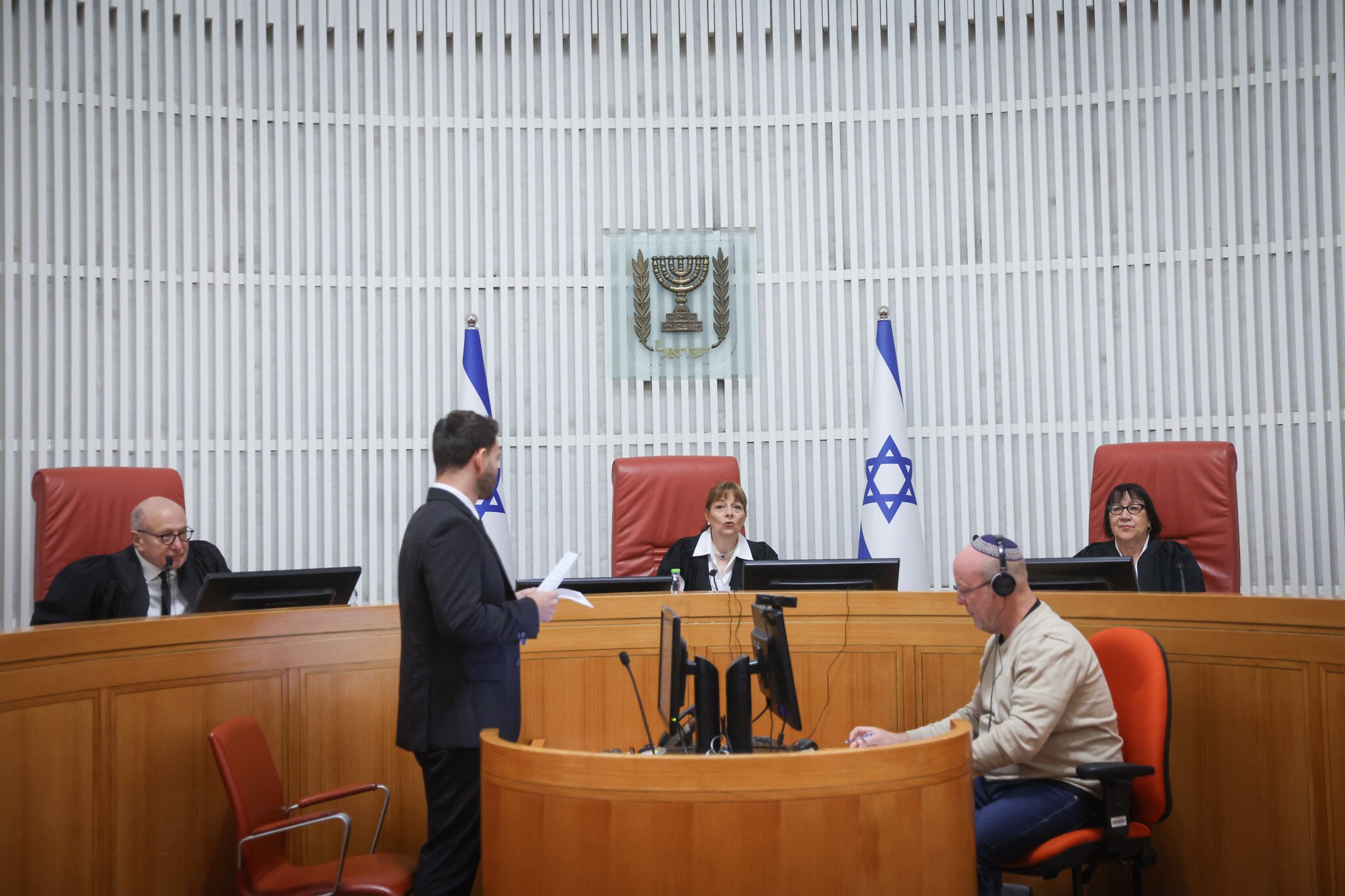
Justice Minister Yariv Levin and the State Attorney’s Office, together with the Attorney General’s Office, have failed to reach a compromise over who should oversee the criminal investigation into the Sde Teiman video leak scandal.
As the High Court of Justice laid out on Tuesday after a hearing on the matter, this means that the court will now issue a final and conclusive ruling, likely on Sunday.
With both sides digging in their heels, the clash of state authorities over the highly combustible affair could well intensify after the court issues its decision.
Levin, in his response to the court on Thursday, said he was not willing to drop his appointment of State Ombudsman for Judges Asher Kula to head the investigation, although he agreed to have the court appoint another public official to oversee the investigation jointly with Kula.
The State Attorney’s Office and Attorney General’s office outright rejected any situation in which Levin or another politician is involved in the appointment of the official who will oversee the investigation, arguing that such an idea violates the “foundational democratic value” that criminal processes against suspects be carried out “disconnected from political influence.”
They proposed instead that the High Court appoint a retired Supreme Court judge to have oversight authority over any aspect of the investigation dealing with the involvement of officials from the Attorney General’s Office or the State Attorney’s Office, but that the State Attorney’s Office remain in charge of the investigation into all other suspects.
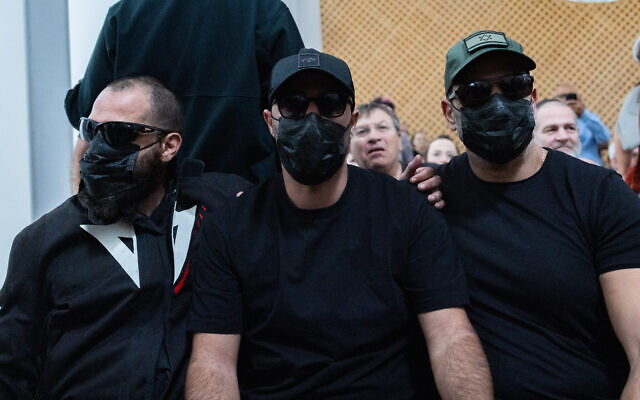
The justices presiding over the case were critical of both sides during Tuesday’s hearing, including Levin’s choice of Kula due to legal impediments to his taking up the role, and the involvement of a politician in selecting a prosecutor.
They were, however, also skeptical of the State Attorney’s involvement in the investigation, asserting that he likely had a conflict of interest as well. Crucially, one of the court’s suggestions that a serving or retired judge oversee the case appears to be far closer to the State Attorney’s compromise proposal than Levin’s.
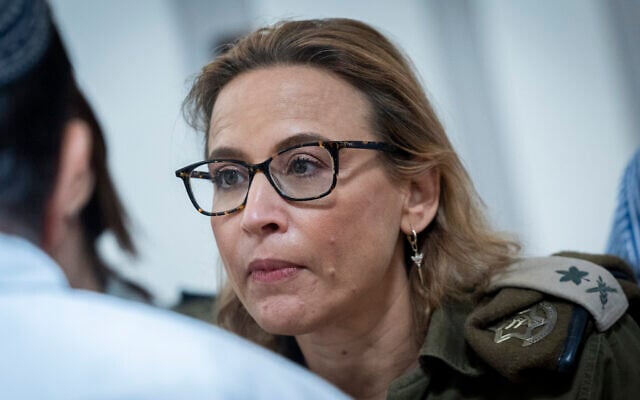
In October this year, former Military Advocate General Yifat Tomer-Yerushalmi admitted that she had authorized the leak of a video purporting to show the abuse of a Palestinian security detainee by IDF soldiers at the Sde Teiman military facility.
This led Levin to appoint Kula to oversee the criminal investigation, asserting that Attorney General Gali Baharav-Miara had a conflict of interest since she had overseen an internal probe into the leak by the Military Advocate General’s Office, a step the attorney general vigorously opposed.
Petitions to the High Court were filed for and against Levin’s position, leading to Tuesday’s hearing at the end of which Justice Yael Willner said she was “imploring” the two sides to compromise on the issue for the public good, in light of the severe political and societal divisions that have erupted over the affair.
Levin, in his filing on Thursday, accused the entire Attorney General’s Office and the State Attorney’s Office of having “institutional conflicts of interest” in overseeing the investigation, due to the role of senior officials in both agencies in overseeing the MAG probe, which may have been internally compromised.
He said this excluded the agencies and everyone subject to them from involvement in the criminal probe, and insisted that any outcome other than one in which Kula is involved in the investigation would constitute “a cover-up of the truth and an irreparable loss of public trust in the law enforcement system.”
The State Attorney’s Office completely rejected Levin’s proposal, saying there was “no precedent at all in our country for the intervention of the political class” in choosing a prosecutor for an ongoing criminal investigation.
“The right of suspects and defendants to have criminal proceedings conducted against them – from the investigation stage, through the indictment stage, to the conduct of the criminal proceedings – … independently of political influence, is a fundamental constitutional right and a fundamental value in democracy,” wrote the State Attorney’s Office in its response to the court.









The Times of Israel Community.