

 From
From Contrary to IDF’s position, Herzog pardons soldier who killed subdued Palestinian stabber in 2016
 Add ToI as a Preferred Source on Google
Emanuel (Mannie) Fabian is The Times of Israel's military correspondent
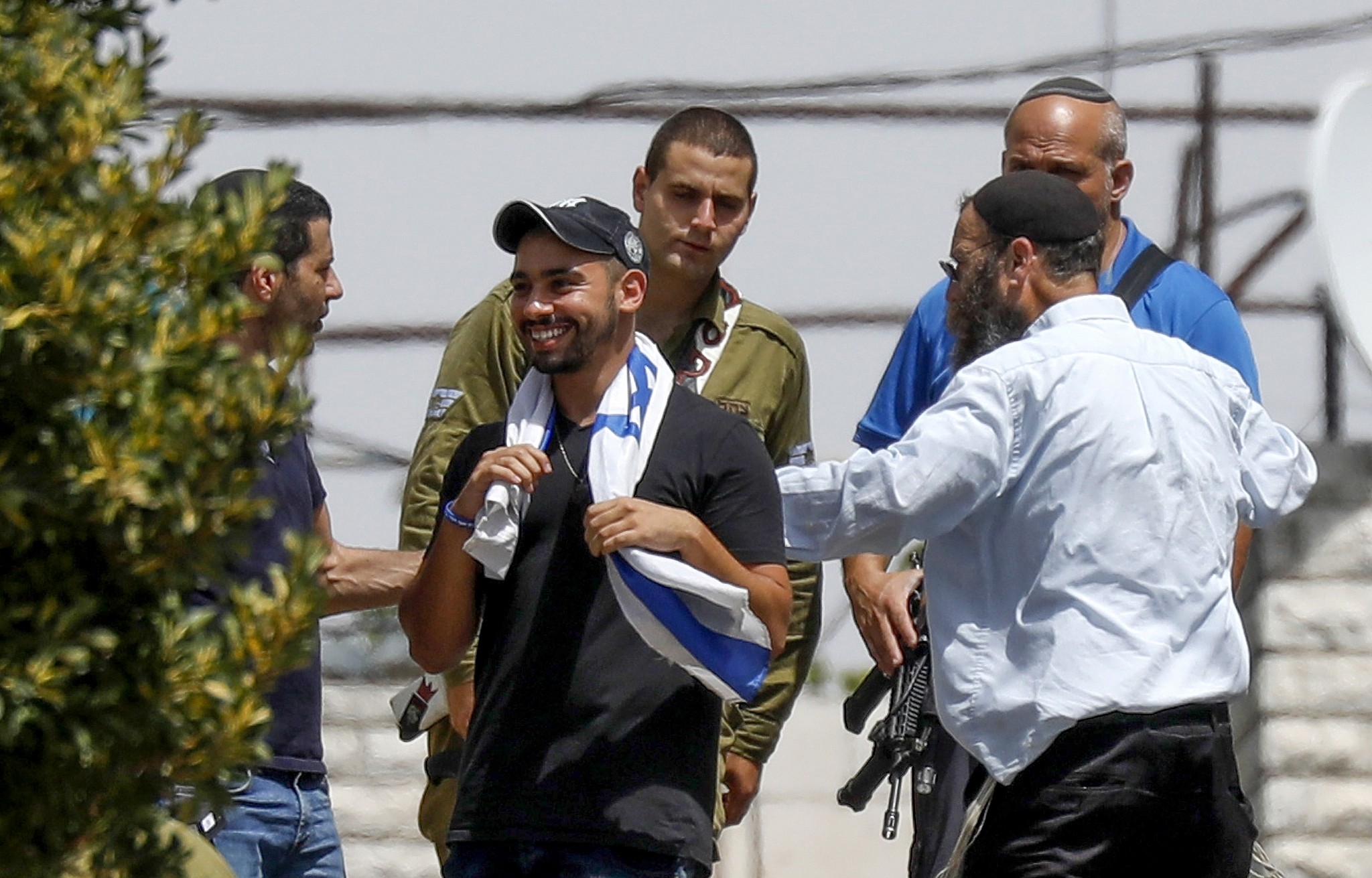
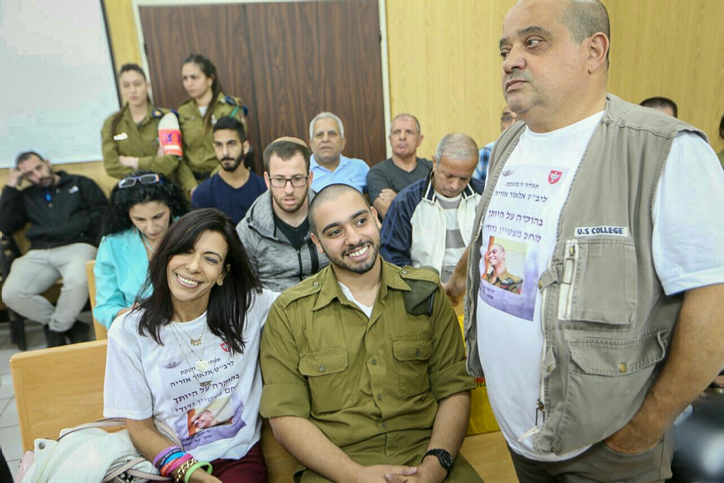
President Isaac Herzog has granted a pardon to Elor Azaria, a former soldier convicted of killing an incapacitated Palestinian attacker in the West Bank city of Hebron in 2016, contrary to the military’s position on the matter.
Azaria filed a request in July that sought to shorten the time before his criminal record is automatically cleared. Defense Minister Israel Katz supported what amounted to a pardon request.
IDF Chief of Staff Lt. Gen. Eyal Zamir and other top officers told the defense minister in a letter that they did not support the request, although they never submitted their position on a pardon to the president.
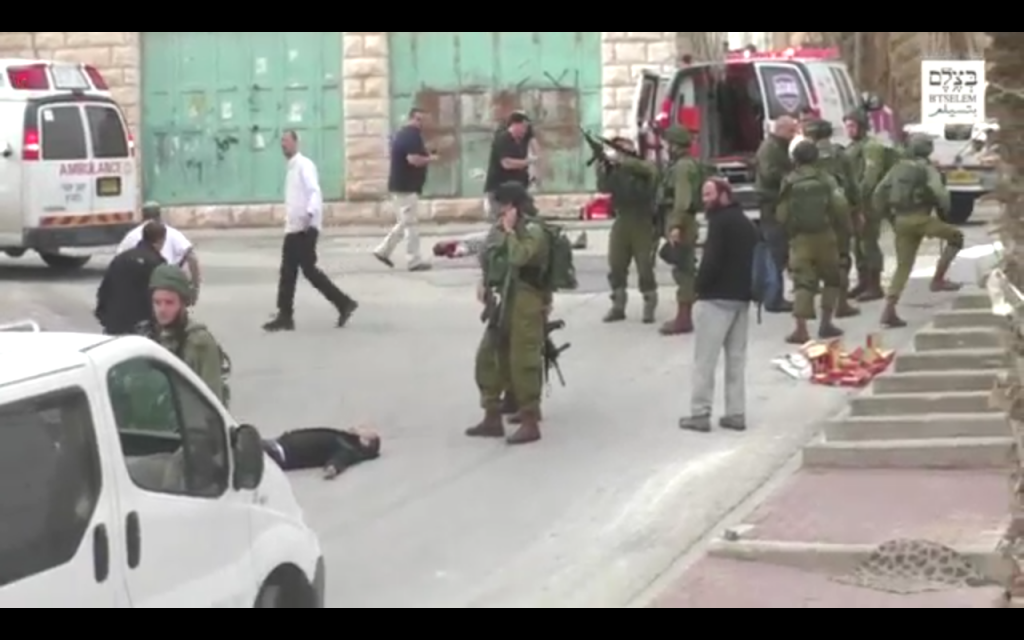
Azaria served nine months of an 18-month prison term for killing Abdel-Fattah al-Sharif, a Palestinian who had stabbed an Israeli soldier in the West Bank city of Hebron in 2016. Azaria killed al-Sharif some 11 minutes after he had been shot and subdued. Still, Azaria has always insisted he behaved correctly in the shooting, and he has gone on to protest in support of soldiers accused of beating Palestinian suspects.
The president’s office, in a statement this evening, says that Herzog decided to grant Azaria’s request to shorten the time before his criminal record is automatically cleared, which, according to the law, would have taken place in 2032 if it were not expedited.
The shortening of the criminal record takes effect immediately.
“In the spirit of the upcoming Day of Atonement and after many years living with the consequences of his actions, President Herzog has decided that the circumstances, the length of time passed, and the sorrow Azaria expressed justify enabling him to be allowed to begin a new chapter in his life,” the statement says.
Herzog says that he examined all circumstances and considerations relating to Azaria’s request, including “the statute of limitations on the crime committed has long passed, the significant period of time that has passed since the incident, the fact that Azaria served the sentence imposed upon him, personal and family circumstances that have changed during the years, and his express wish to remove the obstacles to employment and start a new chapter in life.”
The statement notes that “Azaria stated clearly that he respects the ethical code of the IDF and that it is of importance to him, and that today, as a father of two small children, he wishes to educate them in accordance with these values.”
“In his request, he expressed his sorrow, including with regard to the grave consequences of the incident. It is noted that in his first request to President [Reuven] Rivlin, he acknowledged that, in retrospect alone, the shot fired was an operational error, and in retrospect he would not have carried it out,” the president’s office says.
“President Herzog affirms that his decision does not undermine or invalidate the legal proceedings that were carried out in this case and does not constitute a reassessment of the case. President Herzog sees the role of the IDF military justice system as an essential part of upholding the law, the ethical code of the IDF, and the principle and enforcement of the purity of arms. The President underlines that the institution of pardons is one of compassion, and not a court of appeals. In his request, Azaria himself stated that he does not intend to reopen the case,” the statement adds.




The Times of Israel Community.