

 From the Liveblog of
Thursday, November 18, 2021
From the Liveblog of
Thursday, November 18, 2021
Gantz, top defense officials consult on settler violence
 Add ToI as a Preferred Source on Google
Judah Ari Gross is The Times of Israel's religions and Diaspora affairs correspondent.
Defense Minister Benny Gantz holds a high-level meeting with top representatives of the country’s security forces to discuss a recent increase in violence by Israeli settlers against Palestinians in the West Bank, calling for a harsher response someone is killed.
“This is a grave phenomenon in terms of morals and security, and it has diplomatic consequences,” Gantz says.
The meeting is attended by IDF Chief of Staff Aviv Kohavi, Shin Bet chief Ronen Bar, Israel Police Commissioner Yaakov Shabtai, IDF Central Command chief Yehuda Fuchs, Military Advocate General Yifat Tomer Yerushalmi and Israel’s military liaison to the Palestinians Ghassan Alian.
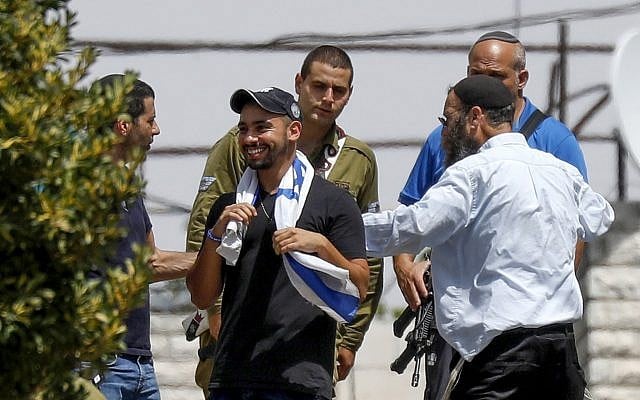
Recent months have seen dozens of attacks by Israeli settlers on Palestinians and on their property, notably their olive groves, with trees being burned or cut down during the annual olive harvest season.
“What starts as a tree can end with bodily harm or — heaven forbid — loss of life. Hate crimes are the root from which terror grows and we need to root them out,” Gantz says.
Following an assessment from the security services, Gantz calls for the various organizations to improve their cooperation, to focus their efforts on well-known areas of friction, and to form specialized teams to deal with the issue of settler violence. Gantz delegates responsibility for the issue to Deputy Defense Minister Alon Shuster.
“The defense minister added that forces should be gathered for these missions and that legal work should be advanced in order to strengthen the hands of troops in the field,” his office says.
Historically, Israel has been ineffectual at curbing violence by Israelis against Palestinians, as the IDF soldiers who are often first to arrive on the scene are loath to enter into direct confrontation with Israeli civilians, particularly those living in settlements that the military is charged with defending, while the police are typically slower to arrive, often reaching the scene after clashes have already dispersed.








The Times of Israel Community.