

 From the Liveblog of
Sunday, June 28, 2026
From the Liveblog of
Sunday, June 28, 2026
Panel appoints judges for first time in 18 months, including judge who panned probes into PM’s aides
 Add ToI as a Preferred Source on Google
Jeremy Sharon is The Times of Israel’s legal affairs and settlements reporter
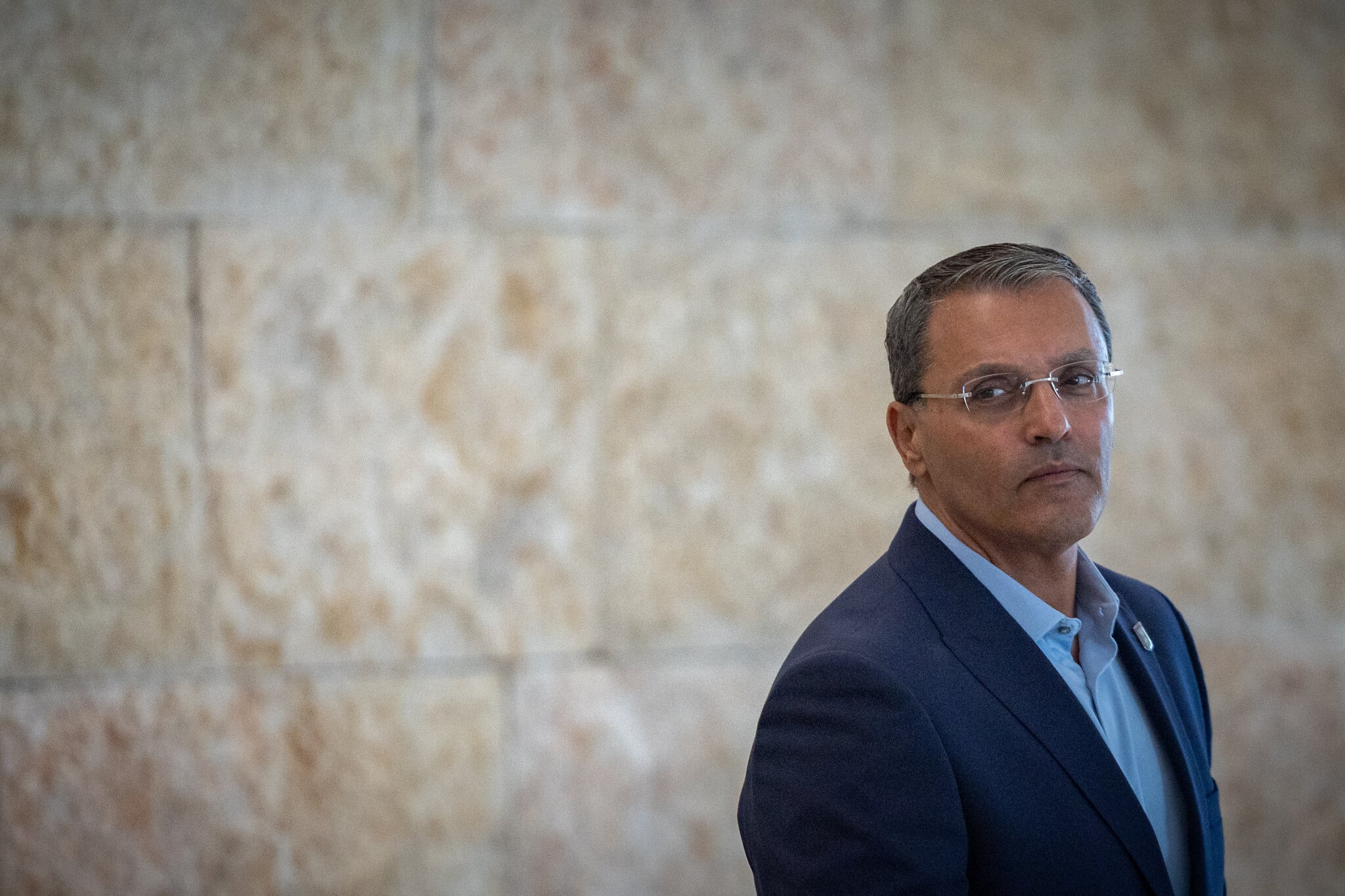
The Judicial Selection Committee appoints judges for the first time in a year and a half, filling dozens of vacancies on district and magistrates’ courts, as well as on traffic, youth, and family courts.
The appointments come following a ruling by the High Court of Justice last month that Justice Minister Yariv Levin was obligated to convene the committee and fill some of the 51 vacancies on numerous magistrates and district courts around the country.
Seventeen judges are appointed to magistrates’ courts in the northern and Haifa districts; 12 judges are appointed to the traffic courts; six to the youth courts; and 12 to the family courts.
In addition, six magistrates’ court presidents are promoted to serve as district court judges, while 15 temporary judges are appointed to the district courts to help with the heavy case burden they are facing after 18 months in which numerous vacancies have opened but without new judges being appointed.
MK Karine Elharrar of the Yesh Atid party, representing the opposition, abstains on the promotion of the magistrates’ court presidents, together with the two representatives of the Israel Bar Association, in protest of Levin’s refusal to make appointments to magistrates’ courts in the Central, Tel Aviv, and Jerusalem districts, where there are acute shortages of judges.
The three Supreme Court justices on the committee vote with the three coalition representatives on those appointments, however, ensuring that they pass.
Among the magistrates’ court presidents promoted is Judge Menachem Mizrahi, who has overseen numerous procedural hearings in the cases of the Qatargate suspects in his Rishon Lezion magistrate’s court. Close aides to Prime Minister Benjamin Netanyahu are suspected of conducting a public relations campaign for Qatar, which has funded and supported Hamas, while working out of the Prime Minister’s Office.
Mizrahi has frequently criticized the actions of the police and prosecutors in the Qatargate affair, but the Central District Court, where his decisions have been appealed, has repeatedly overturned his decisions, sometimes sharply criticizing his rulings and other aspects of his professional behavior.








The Times of Israel Community.