

New Israeli model improves genetic testing for expectant parents from close-knit groups
Rabin Medical Center researcher says current standard for testing hereditary disease risk doesn’t account for Jews and other minorities who have a high degree of genetic similarity
 Add ToI as a Preferred Source on Google
Reporter at The Times of Israel
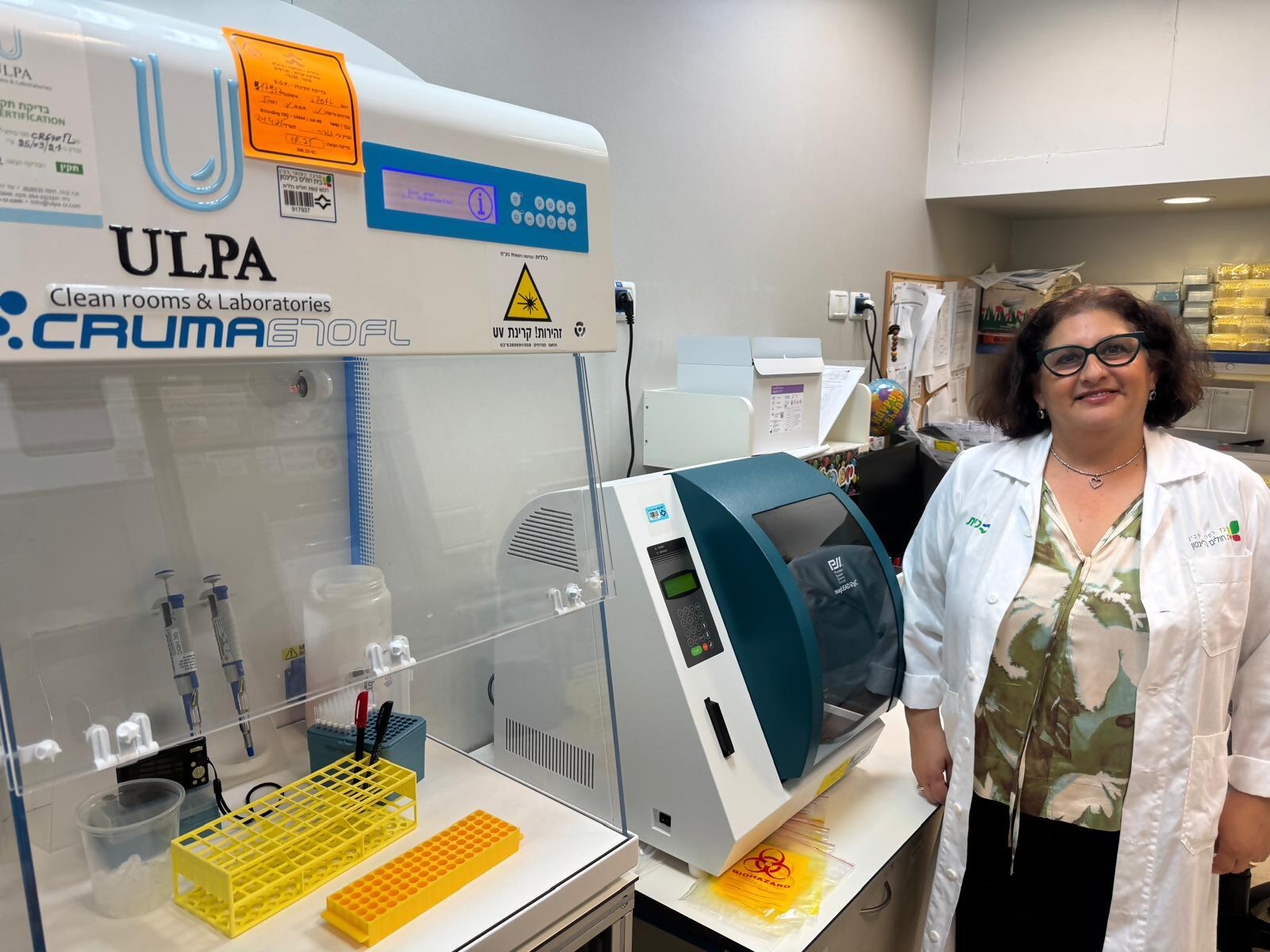
A research team at Rabin Medical Center has developed a groundbreaking model that could significantly change the way genetic risk is assessed for expectant Jewish parents.
Today, Jewish couples around the world may be told during early pregnancy screening that they are genetically too close, based on a threshold originally developed for genetically mixed populations, such as those in the United States or Europe.
However, applying that same measure to communities with shared ancestry – such as Jews, Druze, Circassians, or other ethnic communities — often leads to unnecessary concern or consideration of pregnancy termination.
Prof. Idit Maya, acting director of the Genetics Institute at Rabin Medical Center and head of the research team, said that her study points to a “major flaw” in the current global standard for evaluating hereditary disease risk.
The current threshold does not account for genetically homogenous populations that have a naturally higher degree of genetic similarity rather than a structural chromosomal issue.
“Measuring the genetic proximity of Jewish couples using the same yardstick as American couples is a mistake,” said Maya. “Some level of genetic relatedness is expected among Jews, as the result of generations of marrying within the group. If we don’t take that into account, we end up with false red flags that can lead to heartbreaking decisions, including unnecessary terminations.”
Analyzing 15,000 genetic samples
Maya began her investigation several years ago after repeatedly seeing Jewish couples receive alarming genetic reports from overseas clinics unfamiliar with the unique genetic background of Ashkenazi Jews. To test her hypothesis, she partnered with Prof. Lena Sagi-Dain, chair of the Israeli Society of Medical Genetics and head of prenatal genetic services at Carmel Medical Center in Haifa.
Together, the researchers began to collect and then analyze around 15,000 genetic samples from Rabin Medical Center, including both blood and embryo data, in 2017.
They organized people in the study by ethnic background. In Israel, there are about 16 different ethnicities, with Jews coming from places like Bukhara, Iran, Kurdistan, Iraq, Syria, Lebanon, Libya, Afghanistan, Yemen and Ethiopia.
The researchers also studied Christian and Muslim Arabs, Bedouins, and Druze in Israel.
Ancestors in small communities share more DNA
DNA comes in pairs, with one copy from the mother and one copy from the father. Sometimes, a stretch of DNA is identical on both copies. This is called a run of homozygosity or ROH. These stretches often happen when people’s ancestors came from the same small community, so they share more DNA.
The team measured how much of each person’s DNA contained stretches where both DNA copies are the same. The researchers found that the size and amount of these stretches were very different between groups.
Maya noticed that longer identical stretches often meant that a person’s parents shared more distant relatives, which can happen in communities such as Jews who have married within the same group for many generations.
“Both parents contribute their genetic material and it overlaps because they share the same ethnic origin,” Maya said.
Maya said the pattern of the DNA was not random, but rather connected to the group’s shared history and ancestry.
The result of the study was a new algorithm that tailors risk assessment to the genetic profile of each specific population. Instead of relying on a rigid, one-size-fits-all cutoff, Maya said, the model calculates a personalized “true risk threshold.”
American and European guidelines for genetic risks are based on millions of people who come from different ethnic backgrounds, she said.
That means that the level of genetic affinity that is defined as dangerous or abnormal for the general population is different for small-knit groups.
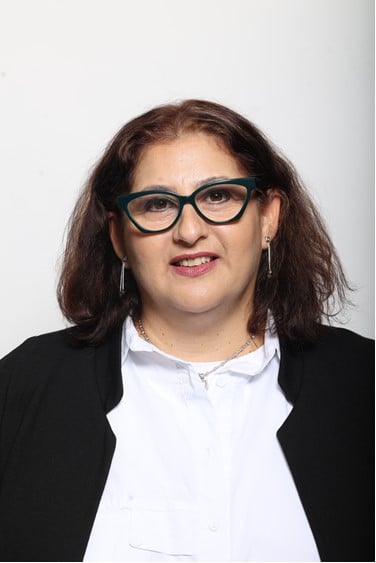
“Instead of automatically flagging any similarity that crosses an arbitrary line, our model adjusts to the couple’s ethnic-genetic background and issues a warning only when there’s a real reason to be concerned,” Maya explained.
The Israeli Society of Medical Genetics adopted the new model in late July, and it is expected to be incorporated into Israel’s updated clinical guidelines.
Maya’s new genetic model will reduce unnecessary concerns and “prevent false alarms.”
In some cases, she added, it might even save pregnancies that might otherwise have been terminated.
“This is a big step forward in personalized medicine – not just for individuals, but for entire communities,” Maya said.








The Times of Israel Community.