

Pakistan bridging proposal salvaged Iran talks before US deadline expired — officials
Fast okay of Islamabad offer showed Trump was desperate for deal, despite fiery rhetoric, source tells ToI, while confirming Iran accepted proposal different from the one it published

 Add ToI as a Preferred Source on Google
Pakistan succeeded in brokering a ceasefire between the US and Iran on Tuesday by crafting a bridging proposal that softened the language of a 10-point Iranian proposal that had been swiftly rejected by Washington a day earlier, two government officials familiar with the negotiations told The Times of Israel on Thursday.
Pakistan feared that the talks were on the verge of collapse on Monday after the US notified Islamabad of its complete rejection of the Iranian proposal, the two officials said.
At that point, only one day was left before US President Donald Trump’s deadline to blow up Iranian energy sites if Tehran didn’t agree to reopen the Strait of Hormuz.
Pakistan subsequently rushed to put together a bridging proposal that kept many of Iran’s positions intact, while using language that Islamabad believed would be easier for the US to swallow, the two officials said.
After receiving the bridging proposal from Pakistan on Tuesday, the US quickly accepted it as sufficient to serve as the basis for negotiations on a long-term deal, the government officials said.
One of the officials told The Times of Israel that they were surprised at how quickly Washington got on board with the bridging proposal and said it pointed to how badly the US wanted a ceasefire, despite Trump’s threat that “a whole civilization will die” if Iran didn’t agree to terms.
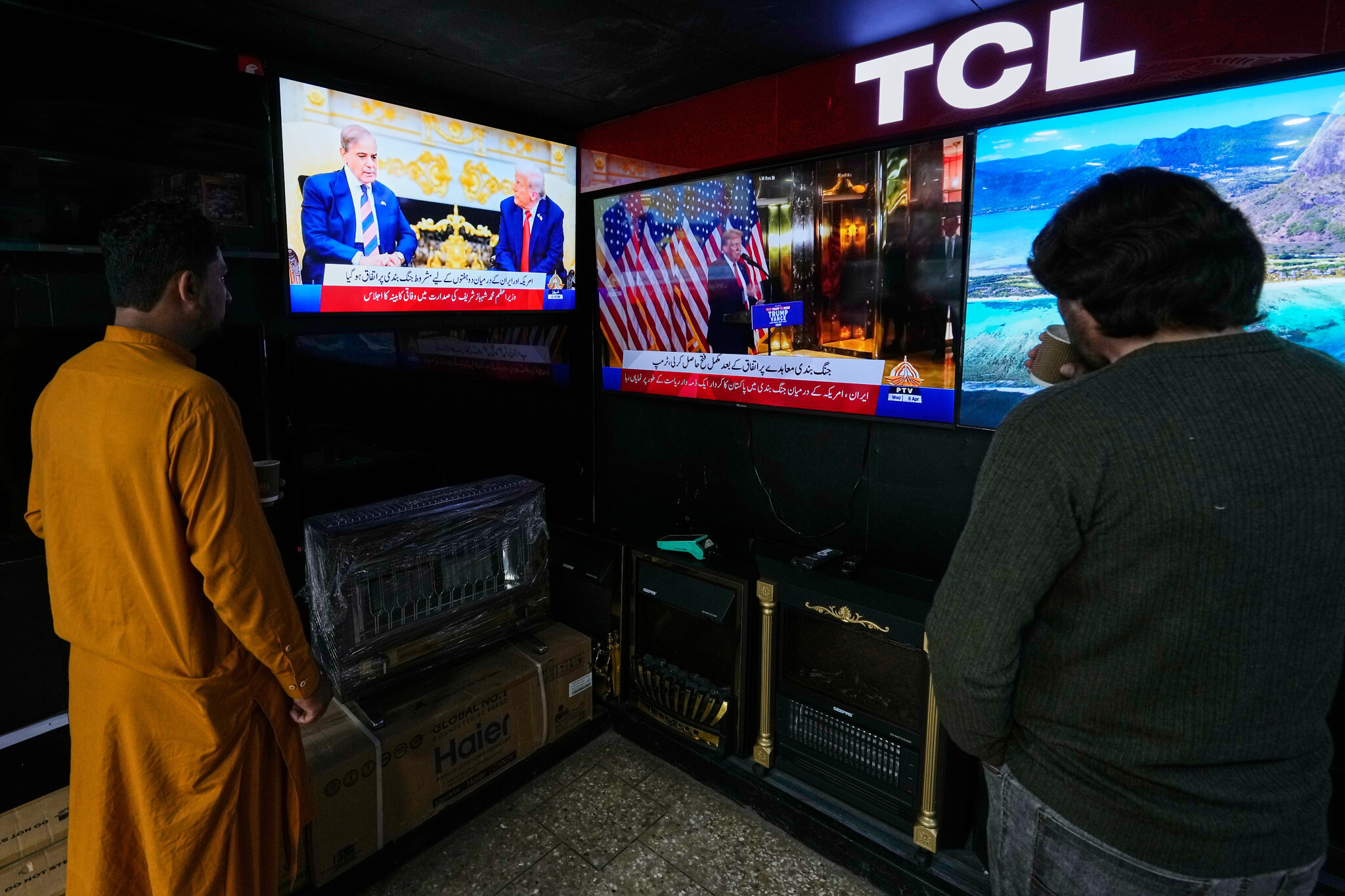
Hours after the US approval came in, Iran’s authorization of the bridging proposal followed, allowing for the two-week ceasefire to be announced by Trump less than two hours before his deadline expired.
Shortly after Trump’s announcement, Iran’s Supreme National Security Council published what it claimed were the contents of the 10-point proposal that the US had accepted.
The two government officials familiar with the negotiations confirmed to The Times of Israel that the 10-point plan published by the supreme national security council was not the bridging proposal crafted by Pakistan but instead much more similar to the original Iranian offer that was swiftly rejected by the US on Monday.
One of the government officials said Iran published the older version of the 10-point proposal for domestic political reasons, aiming to convince its public that it had coaxed the US into accepting its original terms for a deal.







The Times of Israel Community.