

Poetry still matters, especially at Metulla’s annual festival
Quarter-century mark for Israeli poets’ event brings new sounds, voices and topics
 Add ToI as a Preferred Source on Google
Jessica Steinberg, The Times of Israel's culture and lifestyles editor, covers the Sabra scene from south to north and back to the center
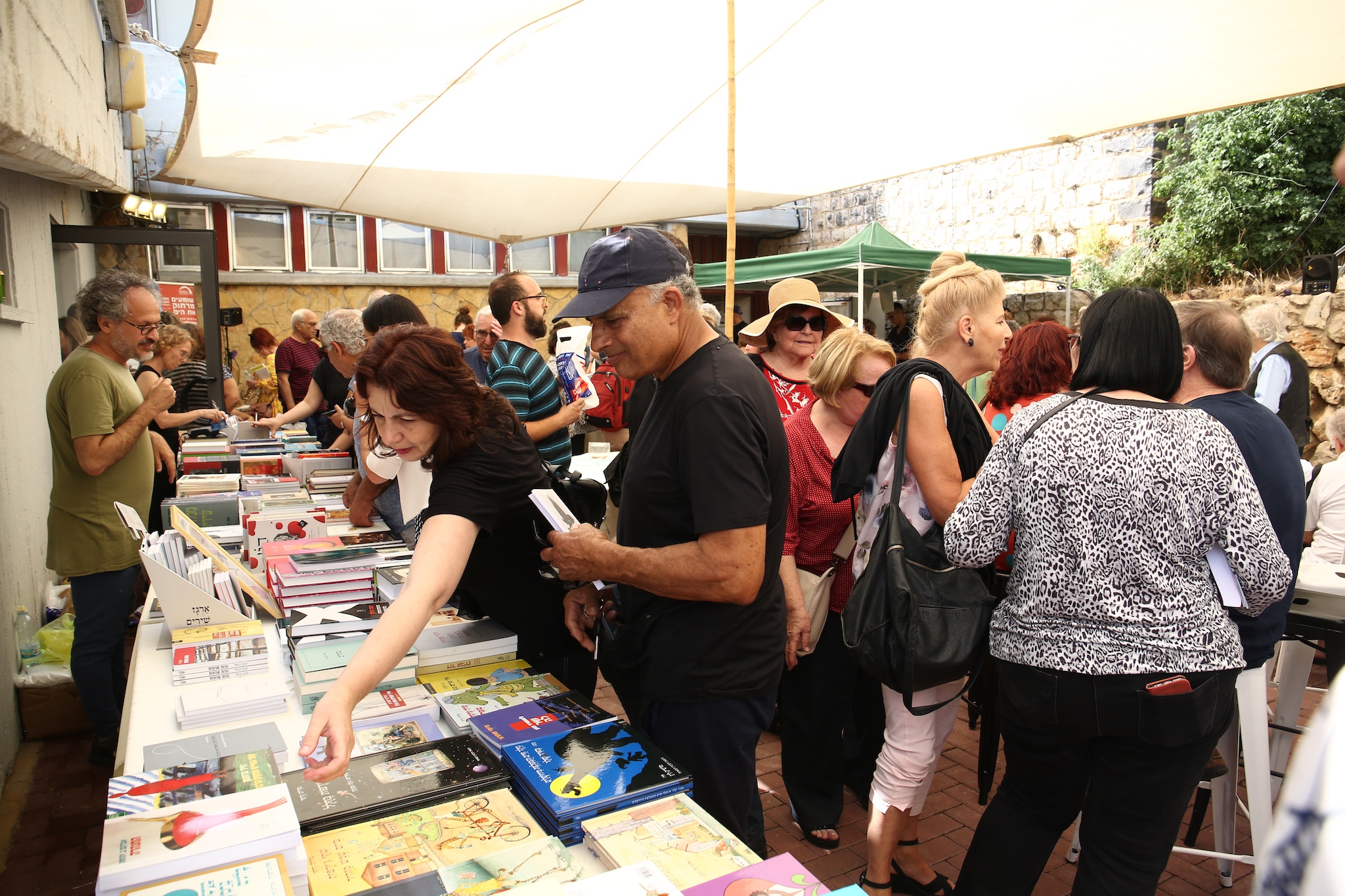
It’s been 25 years since the Metulla Poetry Festival was first held, bringing poets and audiences to Israel’s northernmost town for readings and conversations with some of the country’s best-known voices.
Little has changed at the festival during the last quarter century, as this is a crowd that likes things to stay the same.
“It’s a veteran audience, you can’t change them,” said Benny Ziffer, one of the festival’s two artistic directors. “They’re from the north, they’re kibbutznikim.”
Not that Ziffer and his fellow artistic director, Shiri Lev-Ari, haven’t tried.
When he was first appointed director of the festival, Ziffer, now 69, had recently made a dramatic political shift, declaring his support and allegiance to Likud’s Benjamin Netanyahu.
“A lot of people were angry,” said Ziffer. “I came in with a lot of noise. I wanted some real action.”
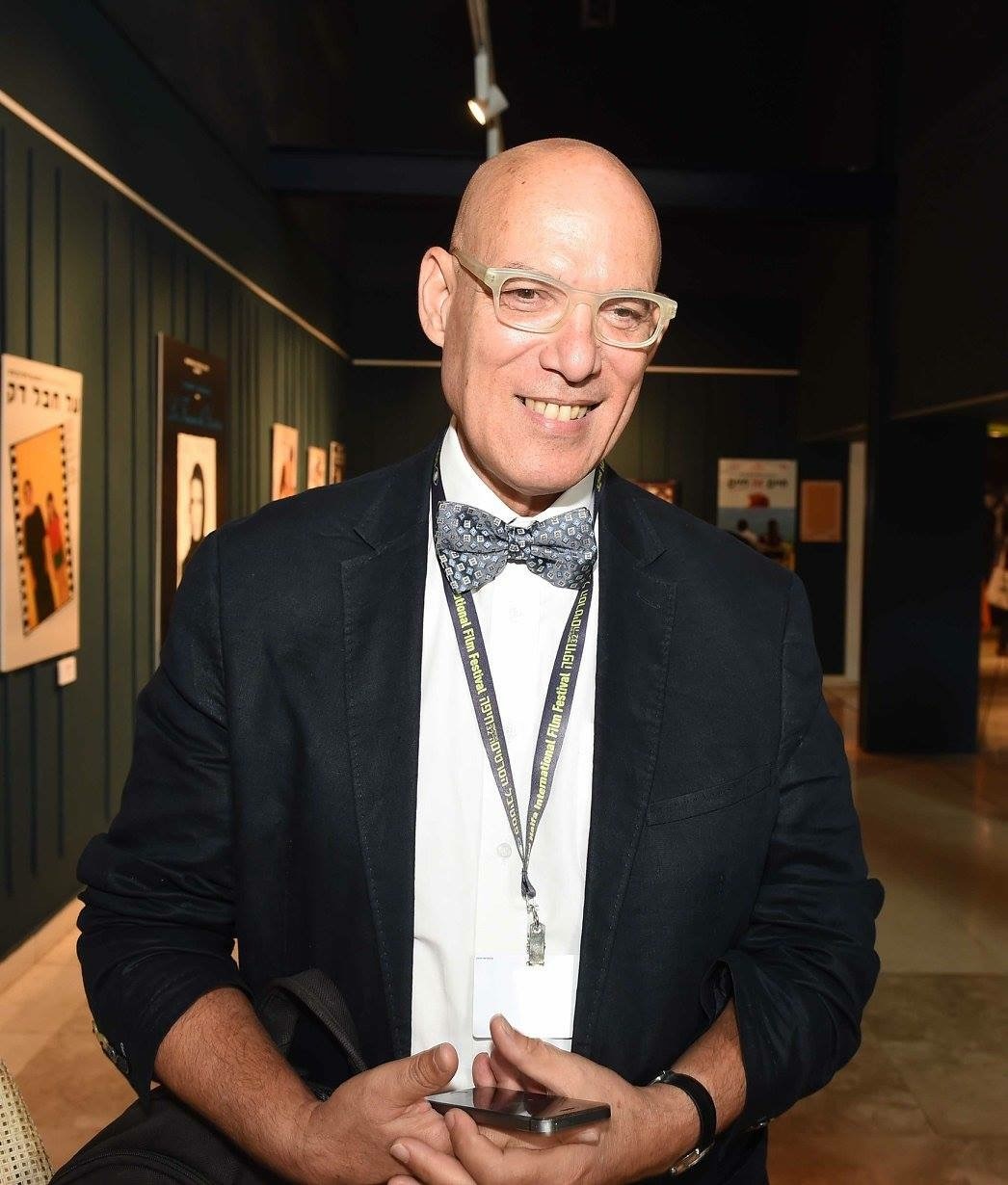
In fact, a lengthy list of poets called for Ziffer’s removal as artistic director of the poetry festival.
He stayed on, and in time, quieted down — a bit — and with Lev-Ari, a literary critic and radio host who joined two years ago, has expanded the festival’s reach, slowly bringing in some new voices and ideas.
“It’s an event that needed to expand and be more universal, representing everyone, men, women, Ashkenazi, Mizrachi, Arabs, Jews,” said Ziffer.
The three-day roster — managed by Effie Benaya from Jerusalem’s Confederation House, which produces the festival — now includes veteran poets and younger poets, with more attention paid to feminism, LGBTQ+ issues, the Arab voice, Mizrachi poetry and, even in this mostly secular crowd, religious voices.
The country’s early poets set a certain standard, as with this year’s opening event dedicated to the work of Avraham Shlonsky, who was influential in the development of modern Hebrew literature, and hosted by Ziffer and Lev-Ari.
On the more veteran poet front, Meir Weiseltier will read new works and talk about his translations; Erez Biton will celebrate his 70th birthday; and Nurit Zarchi will host an event dedicated to writers who died this year, including A.B. Yehoshua, Amnon Shamosh and Yotam Reuveni. Weiseltier, Biton and Zarchi are all Israel Prize winners for poetry.
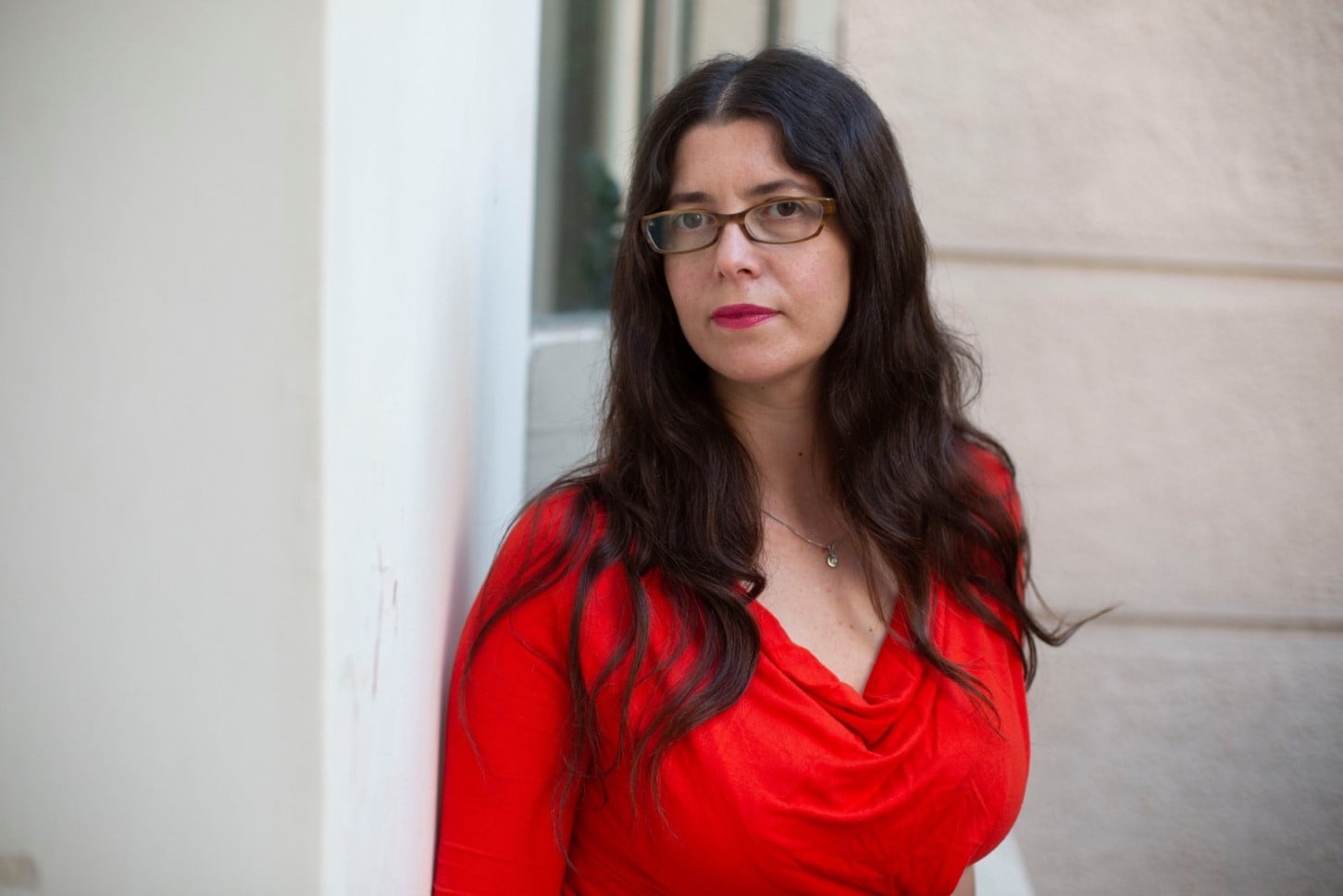
But youthful voices were needed, which is why Lev-Ari, 48, joined as Ziffer’s co-artistic director two years ago. There was an effort to bring newer, younger voices of poets whose works are “relatable, funny and respond to what’s happening now,” said Lev-Ari.
She drew from social justice and political circles, often found on social media, much like the literary cafes of yore. These writers may post their thoughts first on Facebook, and only later work those ideas into books.
Those circles include filmmaker Odeya Rosenak, psychologist Yael Statman and math professor Amos Noy, all appearing at this year’s event. There’s also the “Russian” voice of Rita Kogan, architect Tamir Greenberg, and Aida Nasralla, an Arab poet from Umm al Fahm.
The younger influence at the festival extends to topics as well, added Ziffer. Nature poetry, for example, can’t simply be about an appreciation for flora and fauna, but must talk about the climate and environmental goals.
“It’s become very ideological. Poets have to tell something, they need an agenda,” said Ziffer. “Without ideals, it’s considered old fashioned.”
And so there are feminist poets and so-called eco-poets, poets with a social agenda, and some with a religious one, often connected to biblical sources.
The participants are looking for an experience by coming to the event, said Ziffer.
“Sitting at home and reading a book or the same poems that the poet reads from the stage isn’t the same thing,” he said. “There’s an energy that the poet brings, about what he or she wants to say. There’s a passion — it could come from the sound or from anger, but that’s good. I don’t want to bore the audience.”
Lev-Ari has also drawn in feminist poets such as Navit Barel and Sarai Shavit, both active in literary circles, who will speak specifically about orphanhood and mourning.
There are even spoken word performances at the festival now, under the 21st century’s broader definitions of poetry.
“It’s true that spoken word as poetry is a challenge for the older generation, but for the younger generation, it’s like air and water for them,” said Lev-Ari, who counts the lyrics of Israeli rapper Tuna and Hadag Nahash’s Shaanan Streett as poetry.
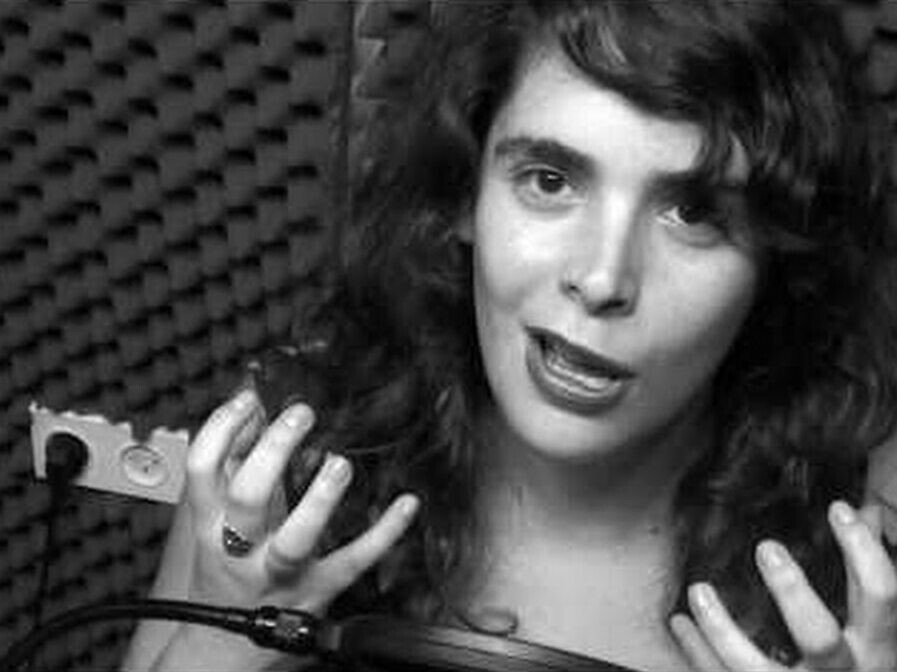
So this year’s festival also includes Efrat Mishori, considered the grande dame of Israel’s spoken word stage, along with Noam Partom, whose strength is how she relates her written words on stage.
“She’s a virtuoso,” said Lev-Ari.
Ziffer once tried to draw even younger audiences to the festival, setting up spoken word events and drawing students from nearby Tel Hai College, but “it didn’t work, not really,” said Ziffer.
Instead, poets such as Mishori and Sigalit Banai offer “serious spoken word and we can put that in front of the audience as poetry,” he said.
And respect is paid to the poets of the past, said Lev-Ari, pointing to an opening event paying homage to one of Israel’s first female poets, Leah Goldberg, with a panel of young poets.
“There’s a past, present and future to poetry,” said Lev-Ari. “It’s different than other literary forms, like the romance novel that may have migrated to Netflix, because it has an immediacy and electricity. It has a future because of its ability to respond quickly to feelings and emotions.”
Poetry, said Lev-Ari, can include many voices.
—
The 25th Israeli Poetry Festival, September 8-10, Metulla. All events are free of charge, with pre-registration.



The Times of Israel Community.