

Show goes on at Israeli Opera with stage transformed into magical lake for ‘Rusalka’
Being ‘sucked into a fairy tale’ is a good thing in wartime, says conductor Dan Ettinger as he discusses how he moved forward with post-October 7 performances
 Add ToI as a Preferred Source on Google
Jessica Steinberg, The Times of Israel's culture and lifestyles editor, covers the Sabra scene from south to north and back to the center
It took some time for the Israeli Opera to host a new opera production after the Hamas attacks of October 7.
But that moment has arrived, with the Opera’s production of “Rusalka,” which opened on March 4 for 10 performances of Czech composer Antonín Dvořák’s love story of a water sprite and the consequences of passion for her human prince.
“In Rusalka, you’re sucked into a fairy tale in a good way,” conductor Dan Ettinger told The Times of Israel.
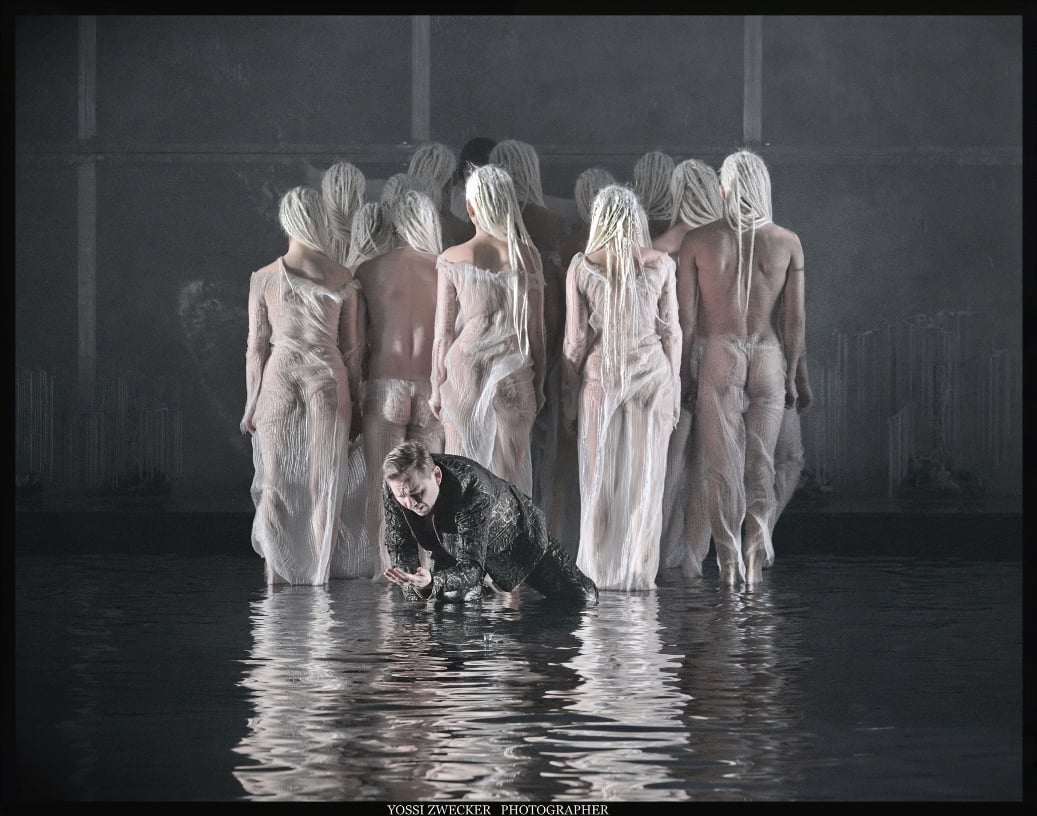
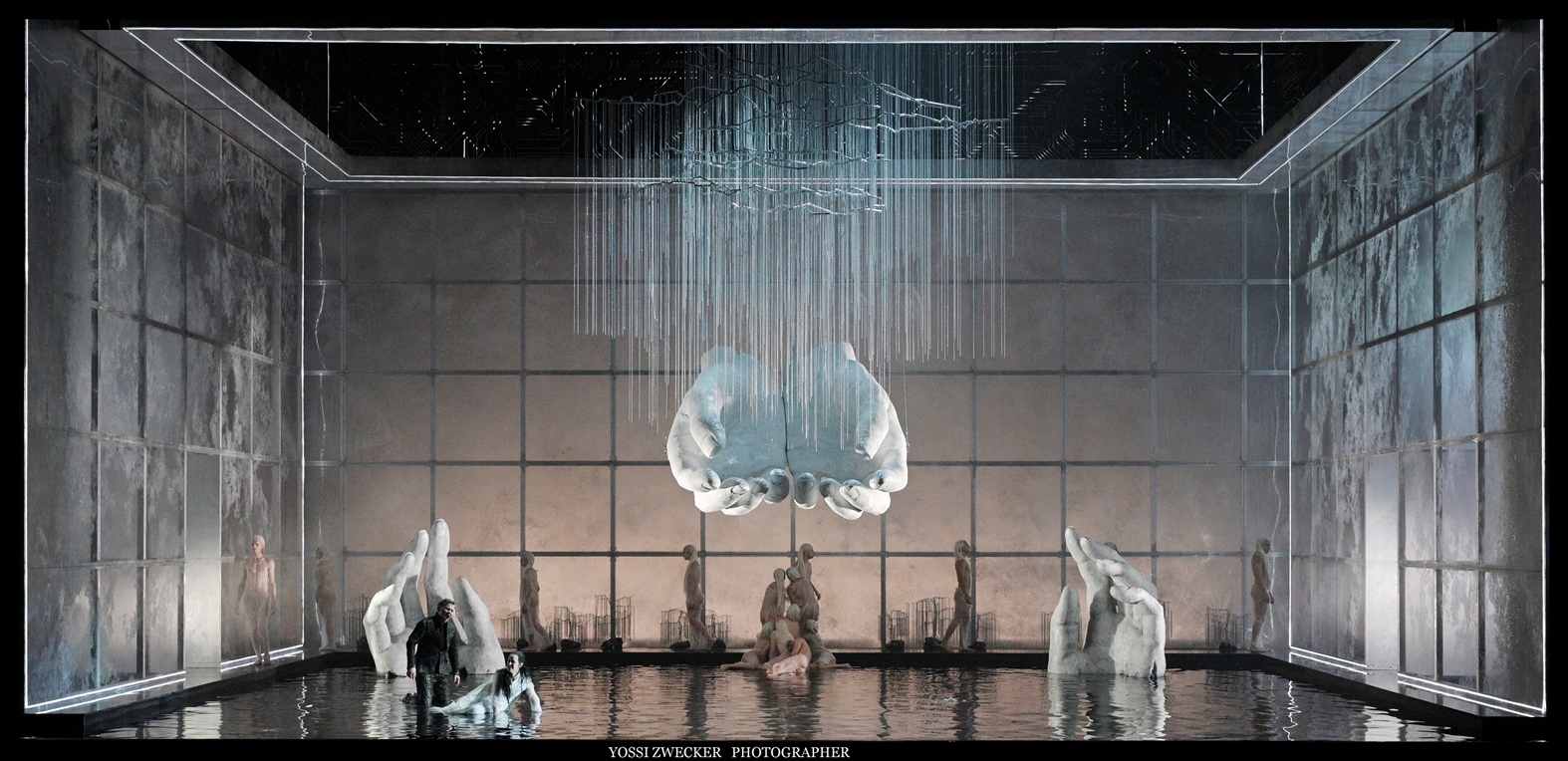
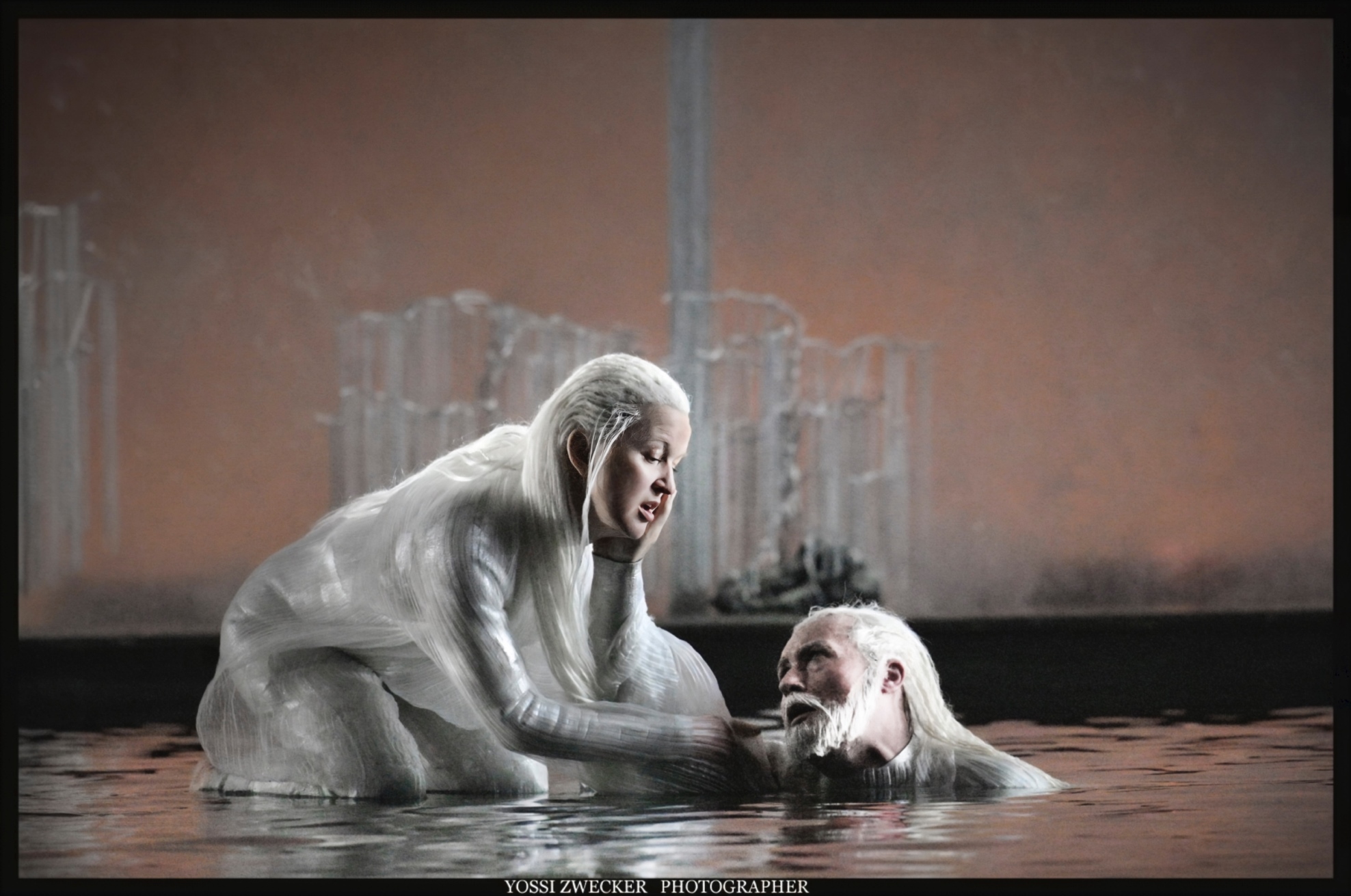
It’s an opera that attracts audiences, possibly because they want to see the Israeli Opera stage turned into a lake, where the participating troupe of Vertigo dancers, dressed in diaphanous costumes and wearing long, bleached dreadlocked wigs, spend much of the performance.
Extra interest may come from a desire to have a few hours of distraction during the ongoing war and hostage crisis.
Every seat was taken at the March 3 general rehearsal.
The production required plenty of technical work, said Ettinger, referring to the Stefano Poda set. The water of the onstage lake needs to be kept warm, while affecting the temperature of the adjacent orchestra pit and the audience.
“It’s a beast of a set,” said Ettinger, “but that’s what it’s always like with Stefano.”
The massive set needed to be decided on in November, just weeks after the October 7 attacks by Hamas terrorists who killed 1,200 people in southern Israel and took 253 hostages to Gaza.
“In order to do this now, the set had to leave Europe on time,” said Ettinger.

The Israeli-born Ettinger is the musical director of the Israeli Opera and of the Israel Symphony Orchestra Rishon Lezion, the house orchestra for the opera. He is also the music director of the Stuttgart Philharmonic Orchestra, and lives in Germany most of the year.
He was scheduled to be in Israel in the fall for the performances of “Othello,” but that was postponed until next January. Instead, the orchestra and opera performed seven concerts of Verdi’s Requiem.
“It was the perfect replacement,” said Ettinger. “It’s a huge piece for a huge chorus, which allowed us to keep the chorus working and employed, which was extremely important for me, given that operatic pieces are our DNA.”
It was a tremendous success, something the opera administration didn’t take for granted. “The house was packed, people were weeping, because the piece shocks you, it’s an emotional roller coaster,” said Ettinger.
Since October 7, great emotion has been on show outside the doors of the Tel Aviv Opera House as well. Next door is the Tel Aviv Museum of Art and so-called Hostages Square, where thousands gather every Saturday night to rally for the hostages and events take place every day.
The opera’s singers and musicians are well aware of what’s going on just outside their doors, said Ettinger, and ironically, “we’re having one of our best phases in the orchestra. I feared that concentration was going to be very difficult, but people aren’t letting little things bother them.”
Ditto for Ettinger. “I represent a nation that deals with it by doing,” he said. “Everyone does what they can do.”
Ettinger said he hasn’t experienced any anti-Israel sentiment or antisemitism, although he sometimes thinks about taking his name off his apartment intercom at home in Germany.
And while he’s experienced only support from his colleagues around the globe since October 7, Ettinger said that every time he performs in London and Paris, he fears that someone could aim at him, pointing to the back of his head, which faces the audience as he conducts.
“I’ve been afraid at every performance,” said Ettinger, “for the last 20 years.”










The Times of Israel Community.