

Biggest supermarket chain pulls some dairy products from shelves in spat over Tnuva price hikes
Dairy giant raises prices of butter and soft cheeses ahead of Shavuot, while other major food manufacturers will follow suit after the dairy-heavy Jewish holiday
 Add ToI as a Preferred Source on Google
Sharon Wrobel is a tech reporter for The Times of Israel
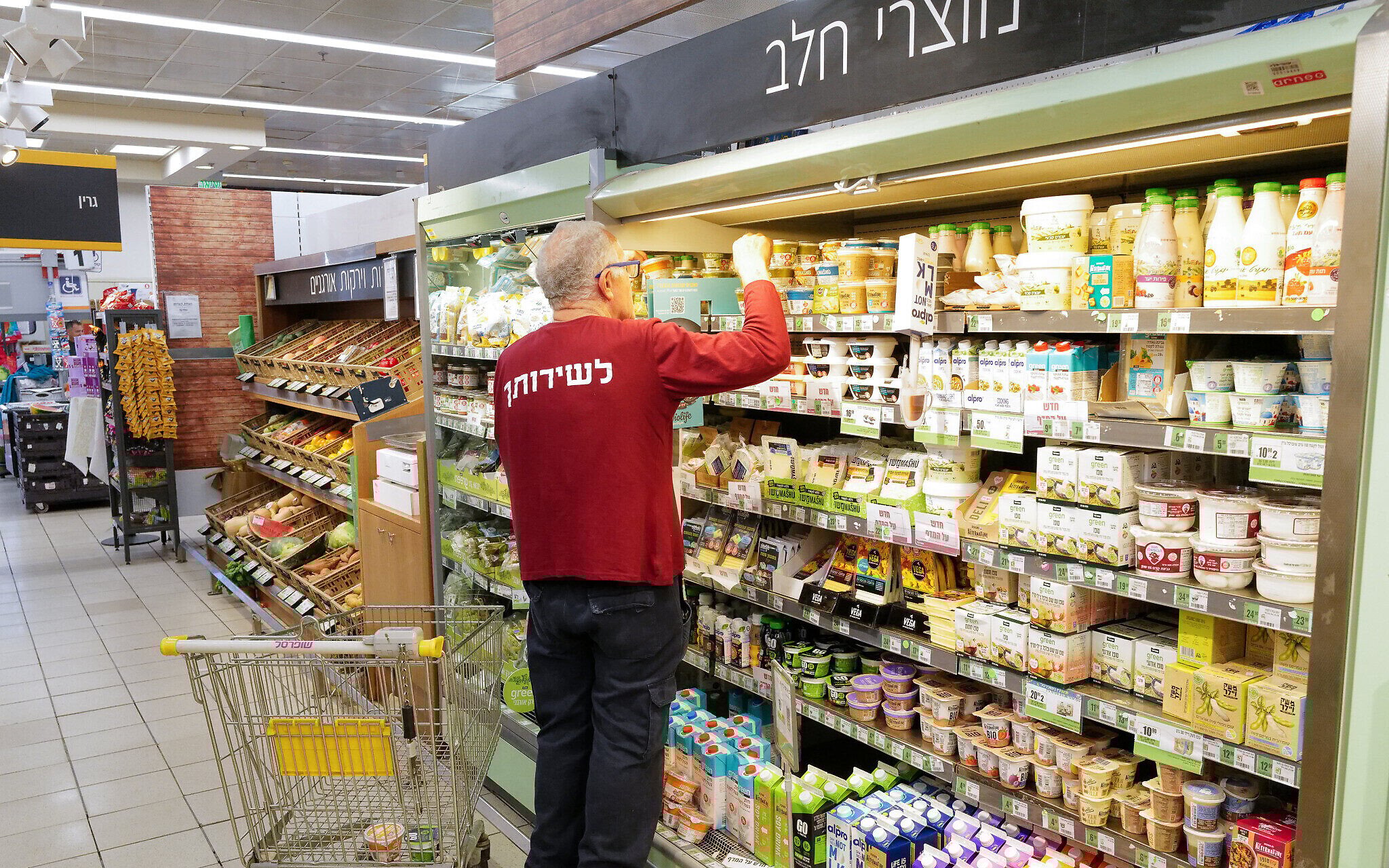
Israel’s largest supermarket chain, Shufersal, on Sunday announced the removal of some dairy products from its shelves in response to a decision by food giant Tnuva to hike prices ahead of the Jewish holiday of Shavuot.
Shufersal said it will pull Piraeus cheese products and Yoplait fruit yogurt, for which there are substitutes from other manufacturers. The move comes after Tnuva refused to accept the supermarket chain’s request to postpone planned price hikes of four other dairy products until after the late-May holiday, which traditionally features dairy-heavy festive meals.
In the latest blow to consumers facing a rising cost of living, rival dairy and food producers, including Gad Dairies, Tara Dairies, and the Strauss Group, have also chosen to raise prices of some of their dairy products, starting in June after Shavuot.
The wave of price hikes comes as the price of state-controlled dairy products increased by an average of 1.05 percent as of May 1, as part of a periodic update that was spread over three years. Israel regulates the price of a number of key staples, including milk, soft white cheese, and basic bread.
“Rather than seizing the opportunity to lower prices and capture market share, competitors opted for the easy path of simply pushing prices upward, and so immediately after Tnuva’s announcement, Tara, Strauss, and Gad joined the price hike bandwagon,” said Linor Deutsch, CEO of grassroots Lobby 99.
The price increases come one year after dairy and food producers raised prices by up to 4.9%, and two years after raising prices by about 10% for dairy and other products.

Food and beverage prices in Israel are already 52% higher than the average among developed countries, second only to South Korea, according to comparative consumer price data by the Organization for Economic Cooperation and Development.
The update of state-regulated dairy product prices gave Tnuva a reason to inform food retailers last week that, starting in May, the price of non-controlled butter will increase by 4.8% due to the high cost of fat. In addition, the prices of unregulated long-life milk and two white soft cheeses will be raised by about 1%.
“Tnuva unilaterally decided to raise prices of dairy products before the holiday and in the midst of a complex security period, despite our request to postpone the move — Shufersal can’t approve this,” Shufersal said in a statement. “As a result of our decision, Tnuva has chosen to stop supplying the products subject to price increases.”
“We regret the situation and apologize for the inconvenience, but believe that we must act out of national responsibility and concern for the consumer,” Shufersal said.
Tnuva declined to comment on commercial relationships with its customers. The food mammoth is controlled by Chinese food multinational Bright Food, which bought a 77% stake in 2014. Kibbutzim organizations hold the remaining 23% stake. In April, Tnuva was said to have distributed a large dividend of NIS 200 million ($68 million) on 2025-2026 earnings bolstered by a number of price hikes over the period, according to Israeli financial daily Calcalist.
“While Chinese Bright Food, which controls Tnuva, is enjoying a NIS 200 million dividend that was distributed just a few days ago, the Israeli public is being asked to finance the next price increase in unregulated dairy products,” Deutsch lamented.
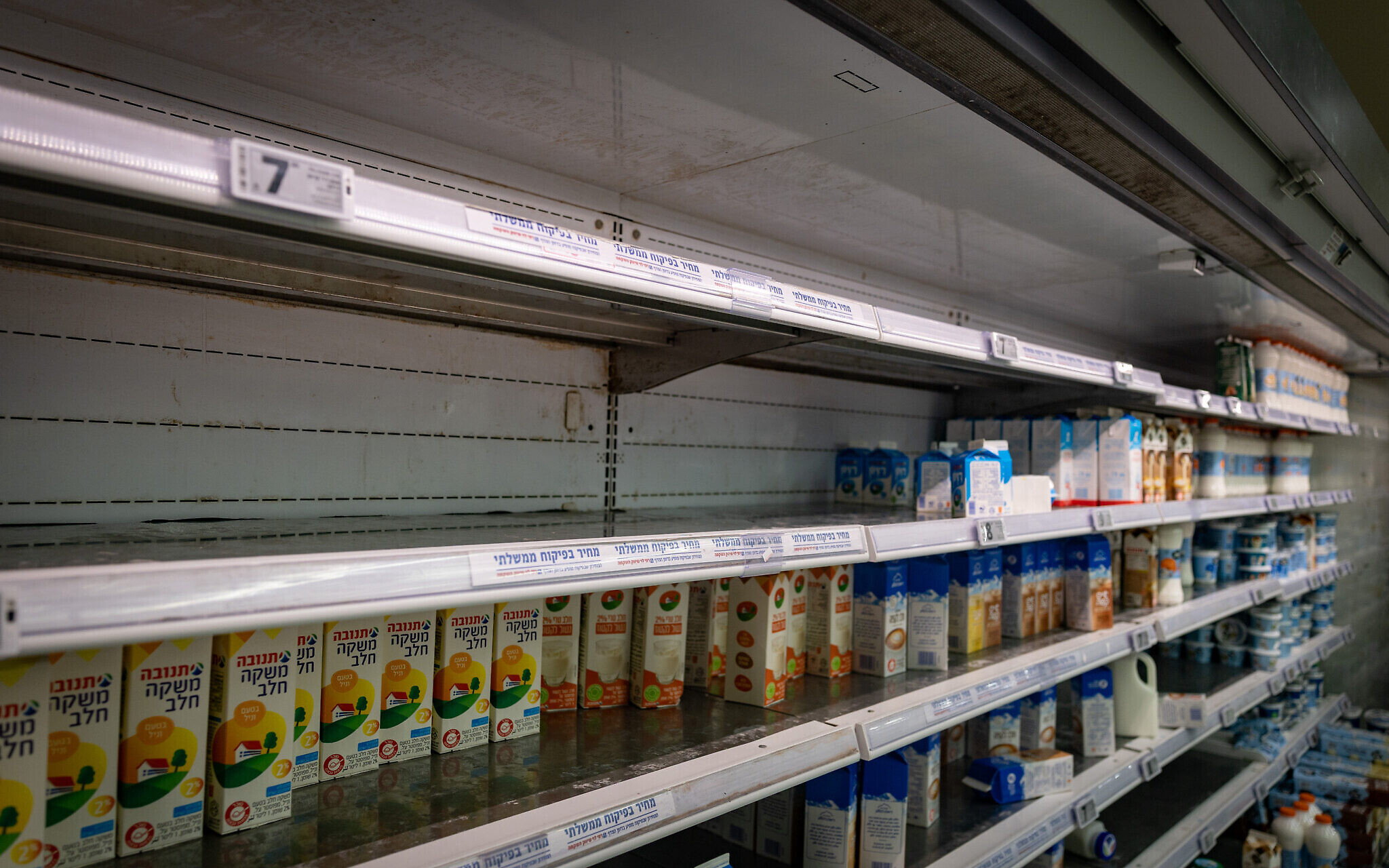
Meanwhile, Rami Levy said the discount supermarket chain will join Shufersal’s move and refrain from updating prices upward ahead of the Shavuot holiday, while leaving Tnuva products on the shelves.
Foodmaker Strauss announced that price increases will take effect after the Shavuot holiday on June 1. Non-supervised dairy and related products will rise between 0.6% and 1.2%. Among the products are Yotvata’s dairy drinks, Milky, yogurts, and cottage cheese.
Tara Dairies, owned by the Central Bottling Company, will raise the prices of dairy products that are not under supervision by up to 2.9%. The average price increase of 2.3%, which will take effect immediately after Shavuot, will be across the board and comes after the government updated state-controlled raw milk prices and supervised dairy products, Tara told retailers. Tara butter will go up by 2.9% and Muller products by about 2.4%.
Gad Dairies announced that it raised the prices of regulated dairy products by 1.05% on May 1, following the government’s update. Starting June 1, after the holiday, the dairy producer will update the prices of non-regulated dairy products upward by an average of 1.9%, including salty cheeses and some hard cheeses.
Local food and dairy producers attribute the updates to a variety of factors, such as the increase in the price of raw milk, transportation, and energy costs, as well as packaging materials. While some of these costs are linked to the war, most are rather linked to a dearth of competition in Israel’s concentrated food sector.
“The answer to the celebration of monopolies isn’t solved with cosmetic fixes, but requires structural reforms along the entire value chain: from breaking up food monopolies to separating distribution to give smaller suppliers fair access to shelf space, and addressing the regional dominance of retail chains that take advantage of geographically ‘captive’ consumers who lack alternatives,” said Deutsch. “As long as these concentrated power structures remain intact, consumers will keep footing the bill for outsized corporate profits, and the cost of everyday groceries will continue to tighten the squeeze at the checkout.”









The Times of Israel Community.