

Slowed establishment of postwar Gaza government fuels Hamas revival, diplomats warn
Assembling technocratic committee proving difficult task as each stakeholder has own agenda, but absence of alternative is enabling Hamas to fill vacuum left by IDF troops

 Add ToI as a Preferred Source on Google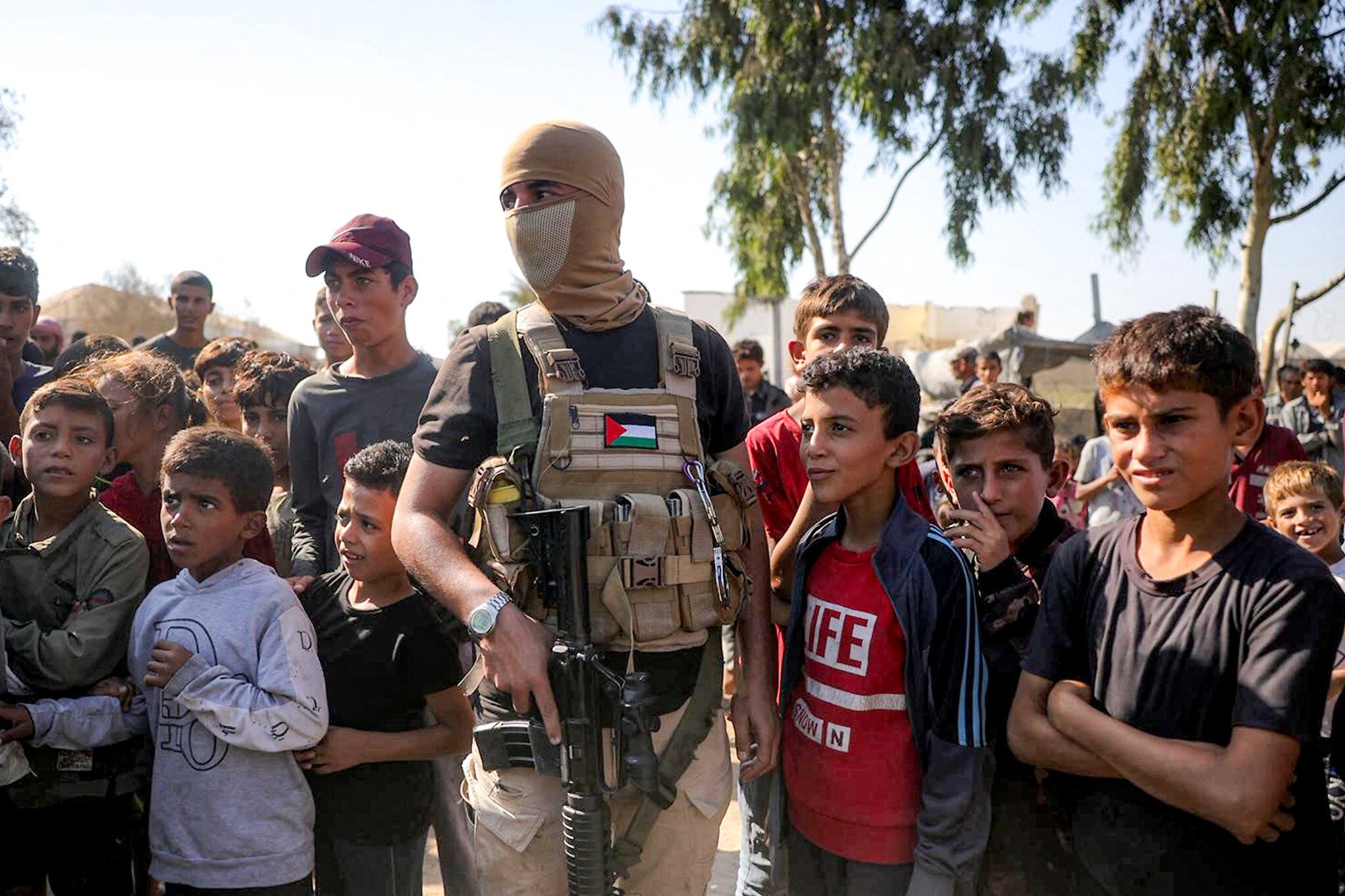
The US and Middle Eastern mediating countries are working to put together a committee of Palestinian technocrats responsible for the postwar management of Gaza, while the pullback of Israeli forces from deep inside the enclave has allowed Hamas to reassert its control in the Strip.
US special envoy Steve Witkoff, Jared Kushner and former UK prime minister Tony Blair are leading the effort on behalf of the Trump administration, with the ex-British leader crisscrossing the region to hold meetings with various stakeholders.
Each wants a say in the list of Palestinian technocrats who will serve on a transitional committee responsible for administering day-to-day affairs in Gaza.
The Palestinian committee will be overseen by a Board of Peace headed by US President Donald Trump, whose other members have also yet to be finalized.
Egyptian Foreign Minister Badr Abdelatty announced earlier this week that the Palestinian ministers have, in fact, been selected and vetted, but a source familiar with the matter denied this and claimed that the top Egyptian diplomat made the comments as part of an effort to finalize the list of candidates his country prefers, as Cairo seeks to benefit financially from the reconstruction process.
Assembling both lists is a very difficult task, as approval is required from many governments in the region — from Egypt to Israel and the US; from Saudi Arabia to the United Arab Emirates; and from Qatar to Turkey — each seeking to advance a slightly different agenda in postwar Gaza, a source involved in the effort told The Times of Israel on Wednesday.
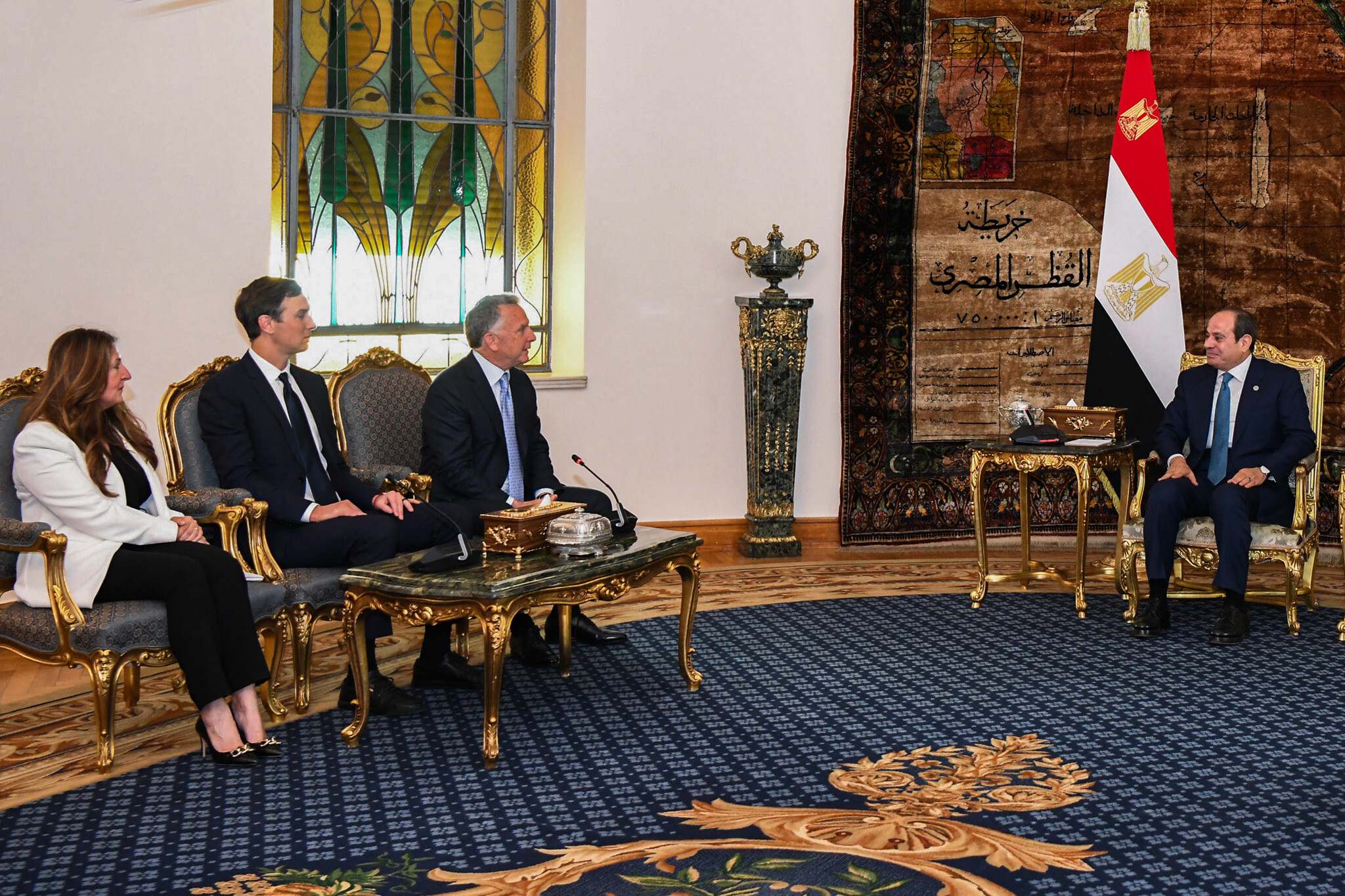
The Board of Peace is expected to be made up of six to eight world leaders, while the technocratic committee will likely seat 12 to 16 de facto Palestinian ministers, according to the source involved in the talks.
Kushner and Witkoff — who are leading the search committee for those two panels — also have personal financial ties to several of those Gulf countries being called on to invest in Gaza’s reconstruction.
Mediators also need the support of the Palestinian Authority, which aims to be linked to the new transitional Palestinian government.
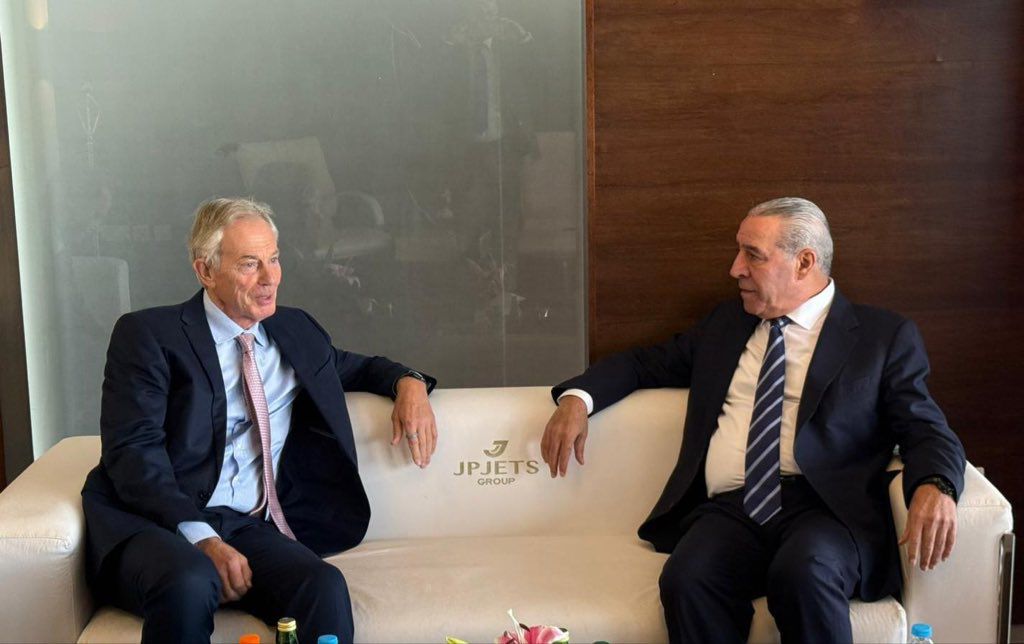
Blair met last week with PA President Mahmoud Abbas’s deputy Hussein al-Sheikh, assuring him that the Board of Peace will give the technocratic Palestinian committee the space to independently run Gaza and that “Palestinians [will be the ones] running day-to-day lives of Palestinians,” a source briefed on the sit-down said.
But the US and other mediating countries — Egypt, Qatar and Turkey — will also need at least the acquiescence of PA rival Hamas, given that the terror group remains the most dominant Palestinian force in Gaza and has the ability to play a spoiler role.
While Hamas has agreed to give up governing control of the Strip, the ceasefire deal inked last week in Sharm el-Sheikh did not include the issue of disarmament, and the terror group has indicated that it is not prepared to give up its weapons.
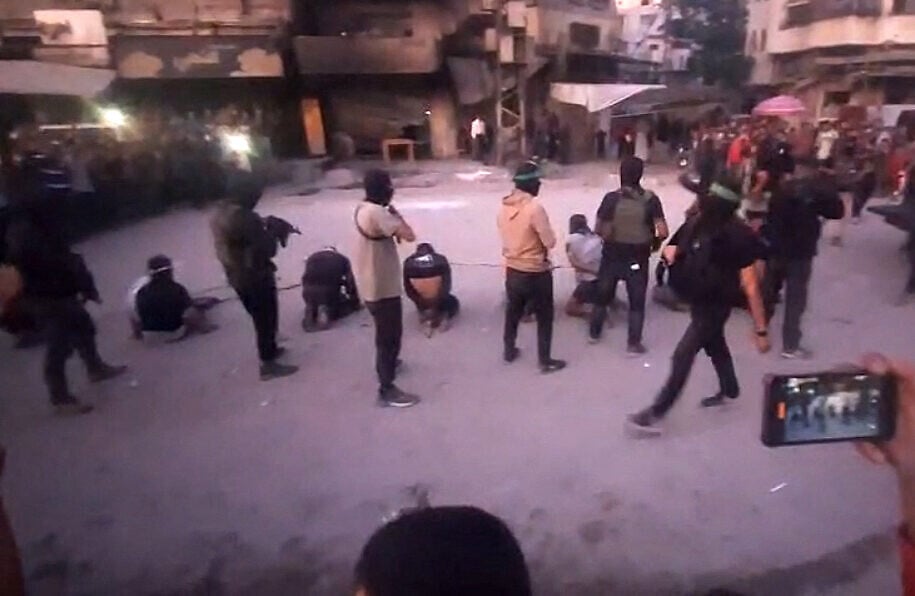
In the meantime, it is using those arms to go after rival clans in the Gaza Strip, summarily executing several dozen Palestinians it has accused of collaborating with Israel.
Notably, Trump claimed that he “gave them approval for a period of time” to carry out the killings, asserting that Hamas was targeting some “very bad gangs.” Subsequently, though, the commander of US forces in the Mideast called on Hamas to immediately stop attacks on “innocent Palestinian civilians.”
The executions — and the patrols of uniformed Hamas gunmen are being carried out throughout the Strip since the ceasefire — have underscored that the group still remains the most dominant Palestinian force in Gaza, despite the massive blows inflicted by Israel during two years of war.
Diplomats warn against delaying assembly of postwar Gaza government
A senior European diplomat speaking to The Times of Israel argued that the US decision to prioritize the release of the hostages, while holding off on reaching an agreement regarding the post-war management of Gaza, is giving time for Hamas to regroup.
The European diplomat clarified that the Trump administration’s decision was understandable, given the urgency of freeing the hostages and the likelihood that it would have taken longer to reach an agreement regarding the new governing and security bodies that will replace Hamas in Gaza, in addition to the disarmament of the terror group.
This was why Washington decided to split Trump’s 20-point plan for ending the Gaza war into two, and managed to secure an agreement between Israel and Hamas on a ceasefire, Israel’s initial withdrawal, post-war humanitarian aid provisions, and the terms of a hostage-prisoner exchange — all of which have been branded as phase one.
But talks on phase two haven’t begun yet, and Hamas has managed to quickly fill the vacuum left by Israeli troops, who have withdrawn to the Yellow Line that encompasses just over 50 percent of the Strip.
“Hamas remains the most dominant Palestinian force in Gaza, and there isn’t really even any competition because an alternative has still not been presented,” the European diplomat lamented.
While Israel does seek to replace Hamas in Gaza, it has pushed back on holding talks on the second phase of the deal until the remaining 19 bodies of hostages are returned, an Arab diplomat said.
Meanwhile, a senior Trump adviser indicated during a briefing to reporters on Wednesday that filling the Palestinian technocratic committee is not at the top of Washington’s priorities.
“We’re going slowly on that,” the senior adviser said when asked whether the US had specific names in mind for who can serve on the transitional Gaza administration.
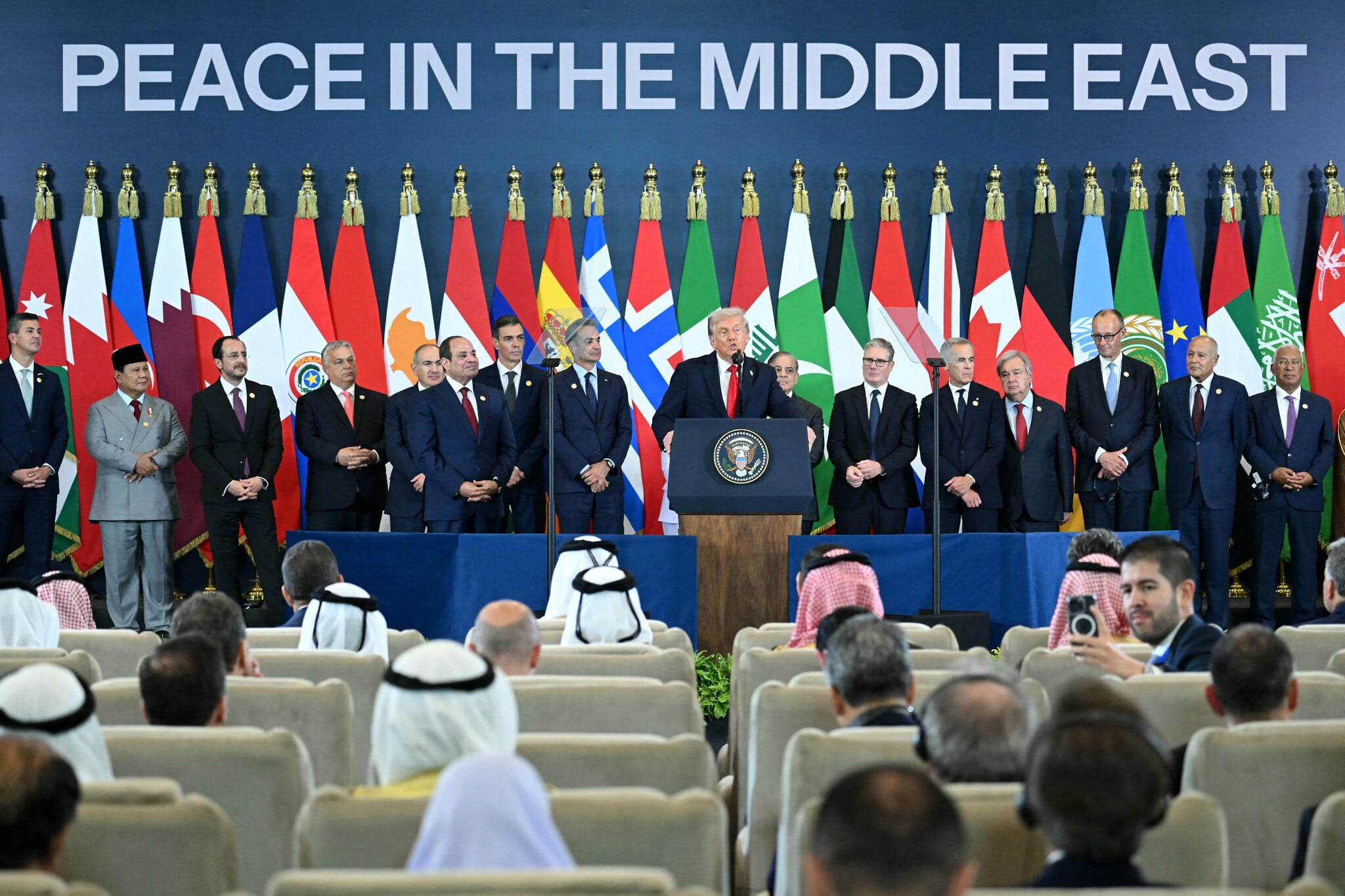
“The first focuses are on creating the right conditions, which [are] the deconfliction, the humanitarian aid, and then focusing on the demilitarization,” along with retrieving the remaining hostages’ bodies still in Gaza, he said.
“We have a little bit of time with [assembling the technocratic committee], but there are a lot of people reaching out,” the senior Trump adviser said, claiming that many of those Palestinian candidates are in the diaspora after choosing to flee due to Hamas’s terror in Gaza and the PA’s “mafia”-like rule in the West Bank.
It’s unclear whether the criticism of the PA was an indicator that Washington will push back against Ramallah’s involvement in Gaza. Trump’s 20-point plan does envision the technocratic government handing over control of the Strip to the PA after the latter has undergone a comprehensive reform — something that Abbas insists is already well underway.
The Arab diplomat lamented the seemingly more laid-back approach expressed by the Trump adviser, insisting that quickly establishing the Palestinian technocratic committee is what will help advance the ceasefire.
“You cannot marginalize Hamas without an alternative,” the diplomat said.




The Times of Israel Community.