

State Attorney’s Office may bar Netanyahu’s office from allowing in Qatargate suspects
Watchdog tells High Court that officials suspected of ‘problematic ties’ to foreign countries, like Urich and Feldstein, must not be in close proximity to PM, exposed to state secrets
 Add ToI as a Preferred Source on Google
Jeremy Sharon is The Times of Israel’s legal affairs and settlements reporter
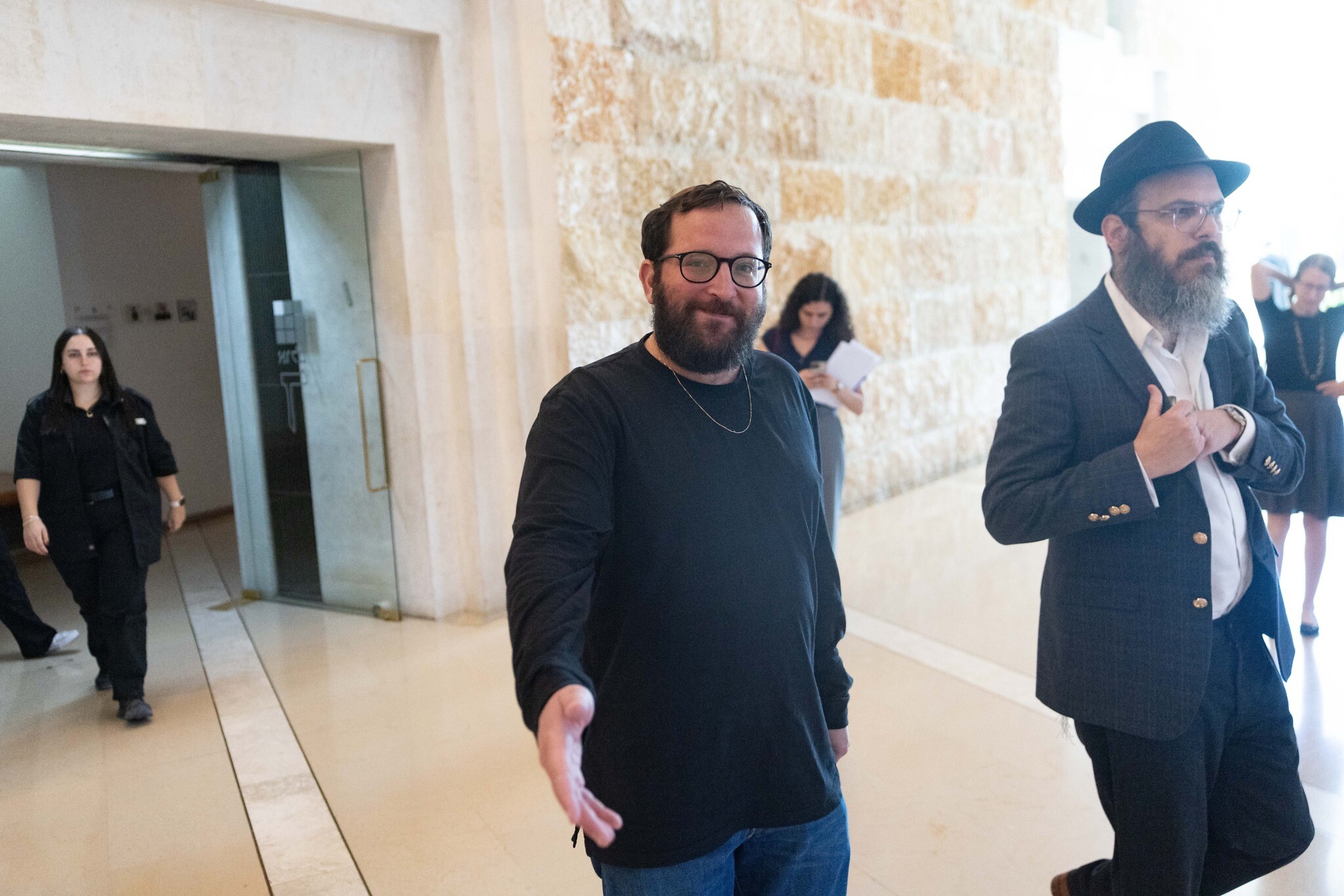
Representatives of the State Attorney’s Office said Monday they were considering instructing the Prime Minister’s Office to forbid key suspects in the Qatargate case, Prime Minister Benjamin Netanyahu’s senior aides Jonatan Urich and Eli Feldstein, from entering the office’s premises.
State Attorney’s Office officials made the comments at a hearing in the High Court of Justice on a petition by the Movement for Quality Government in Israel, which calls for barring anyone suspected of involvement in the Qatargate scandal from entering and working at the PMO, and for procedures to be drawn up for the employment of officials there who do not have security clearance.
Urich, who remains on the payroll of Netanyahu’s Likud party, has sought to return to work at the PMO since he was released from house arrest earlier this year.
The Lod District Court in September extended a ban on Urich returning to his place of work for at least another 60 days, in accordance with a police request to prevent him from going back to the place where he allegedly committed several offenses, including taking money from Qatar to boost its image in Israel following the October 7, 2023, Hamas attack.
Urich was also barred from leaving the country for the same period.
Neither Urich nor Feldstein had the necessary security clearance to work as PMO employees while they were working for Netanyahu.
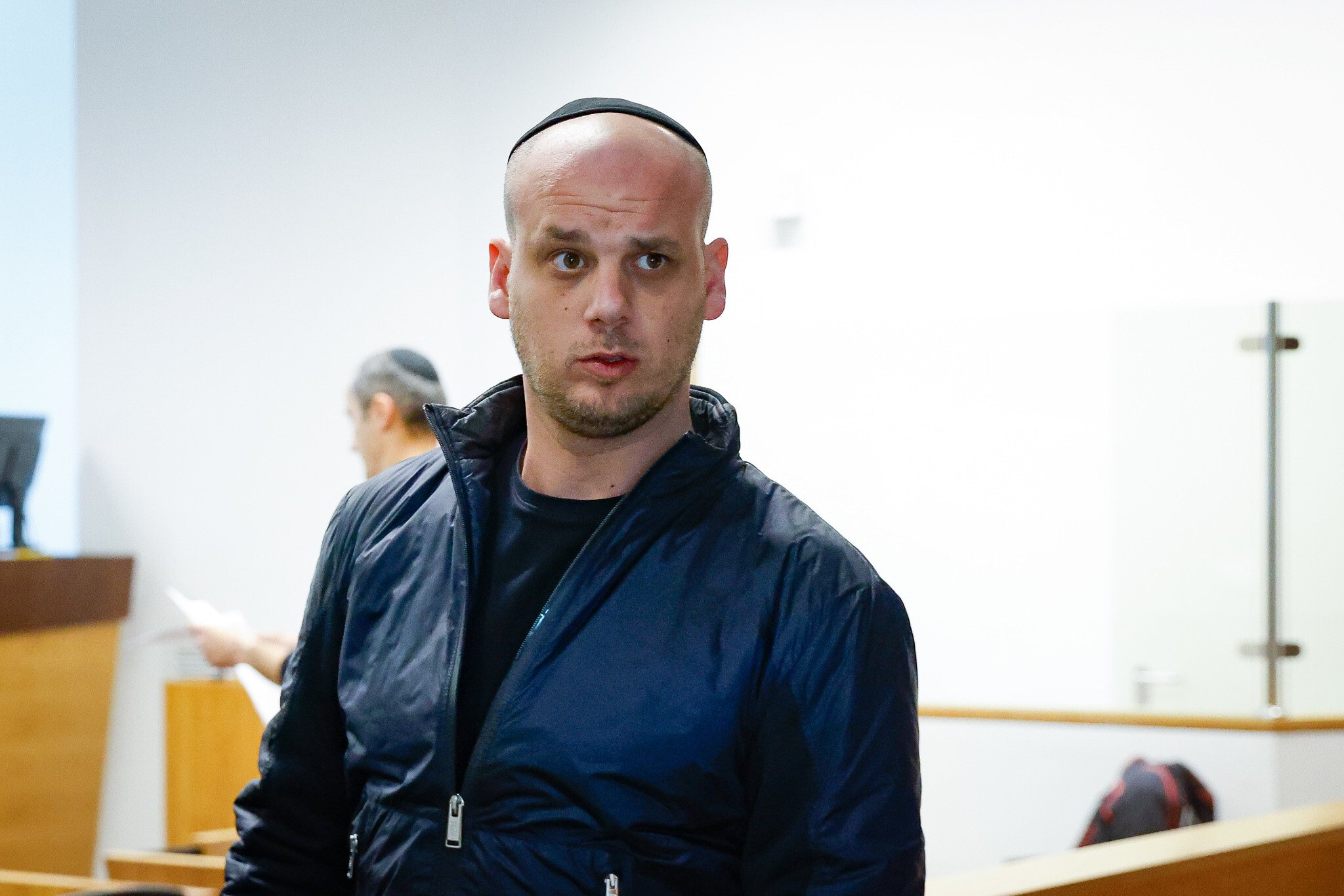
Urich is still employed as an adviser to Likud, while Feldstein was hired as an independent media adviser.
“It is very grave that the Prime Minister’s Office has become a ‘revolving door’ for officials operating without appropriate security clearance, while deliberately bypassing procedures,” Tomer Naor, one of the Movement for Quality Government’s attorneys, said before the hearing.
“A situation in which officials suspected of problematic ties with foreign countries hang out [in proximity] to the prime minister and are exposed to the state’s deepest secrets must not be allowed,” he said.
Urich and Feldstein allegedly spearheaded a pro-Qatari public relations campaign to cast Doha in a positive light for over a year after the October 7, 2023, Hamas attacks on Israel, despite the Gulf state’s strong ties to the terror group.
Urich is suspected of multiple offenses in the affair, including accepting a bribe from Qatar, contact with a foreign agent and breach of trust.
The Lod District Court’s decision came after the magistrate’s court had ruled on September 11 that continuing to ban Urich from working in the PMO, as requested by the police, would harm his constitutional rights, and that insufficient evidence had been presented regarding the alleged threat to national security posed by Urich that would justify such injury to his rights.

Judge Amit Michles of the Lod District Court noted that Urich maintained that he had not violated any law by doing public relations work for Qatar to improve Doha’s image as a fair mediator in hostage negotiations while at the same time working as an adviser to Netanyahu.
Since Urich claimed he has done nothing wrong, the likelihood of his repeating such conduct if he returns to the PMO increases, Michles wrote, “when [such actions] could cause great harm, whether to state security or otherwise.”
In addition to being a suspect in the Qatargate case, Feldstein has been indicted on a charge of harming state security over the so-called security documents scandal that roiled the Prime Minister’s Office, involving the alleged leak of a highly classified document to the German tabloid Bild.
Feldstein was charged with transferring classified information with the intent to harm the state, a charge that can carry a sentence of life in prison, as well as illicit possession of classified information and obstruction of justice.





The Times of Israel Community.