

Court rejects police request to extend restrictions on Qatargate suspect Urich
Judge says police did not provide justification for banning Urich from working in the PM’s office, but delays implementation of ruling by three days to allow time to appeal
 Add ToI as a Preferred Source on Google
Jeremy Sharon is The Times of Israel’s legal affairs and settlements reporter
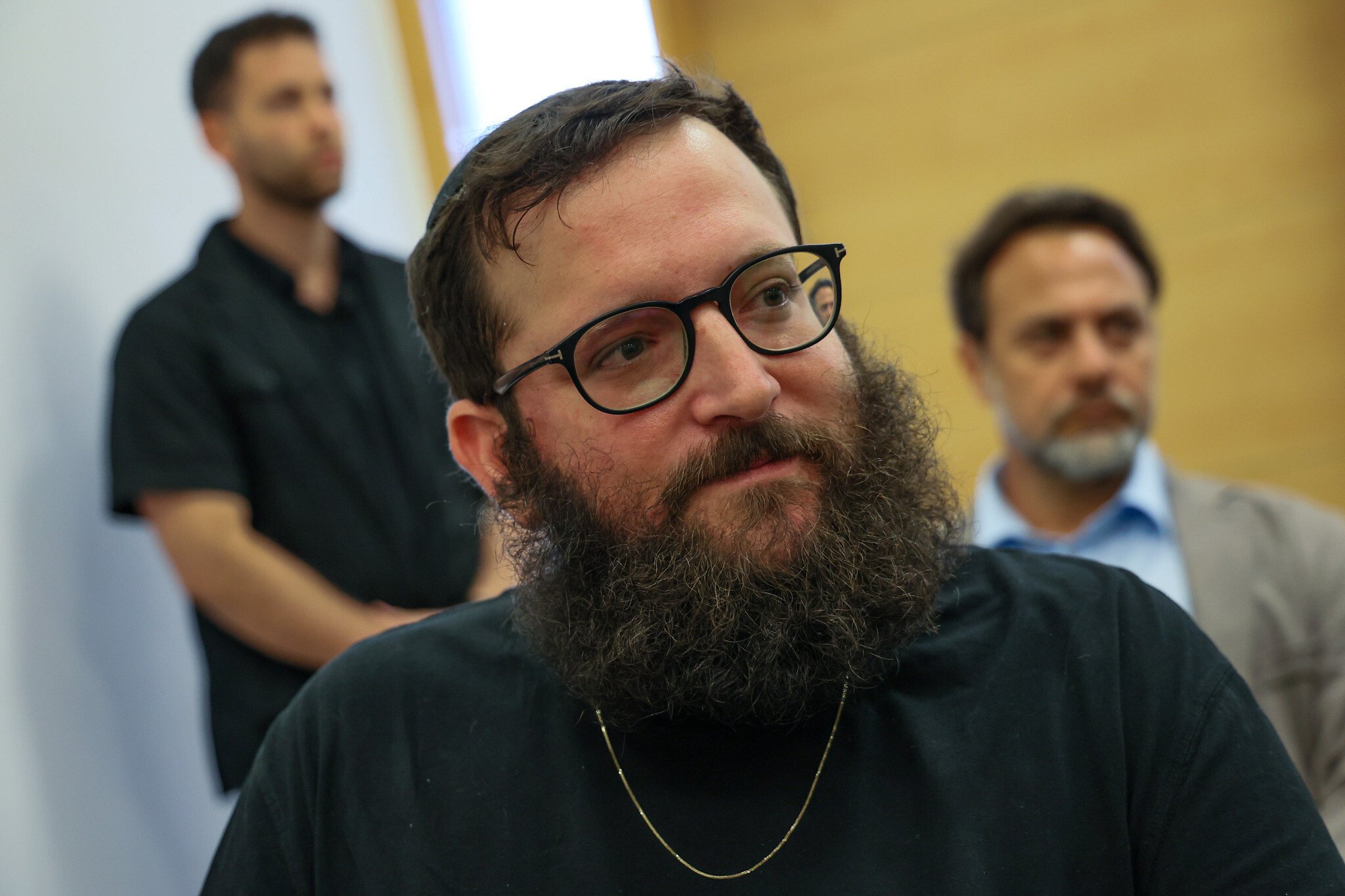
The Rishon Lezion Magistrate’s Court rejected a police request on Thursday to extend restrictions on key Qatargate suspect Jonatan Urich from contacting others involved in the affair, as well as a new request to ban him from working in the Prime Minister’s Office.
The court delayed the implementation of the decision by three days, however, to give the police the opportunity to appeal.
The ruling followed a hearing the previous day, when police requested to extend restrictions on Urich for another 60 days, and to bar him from working in the office of Prime Minister Benjamin Netanyahu on the basis that it would constitute a threat to state security due to his work with Qatar.
Urich, along with Netanyahu’s former spokesman Eli Feldstein, allegedly spearheaded a pro-Qatari public relations campaign to cast Qatar in a positive light for over a year after the October 7, 2023, Hamas attacks on Israel, despite the Gulf state’s strong ties to the terror group.
Urich is suspected of multiple offenses in the affair, including accepting a bribe from Qatar, contact with a foreign agent and breach of trust.
Rejecting the request on Thursday, Judge Menahem Mizrahi was strongly critical of the police, saying there was no justification for requesting the ban on Urich, a close aide to Netanyahu, working in the PMO.
The reason for this, he said, was that a draft position paper authorized by security services regarding Urich’s alleged threat to national security had still not been completed, despite the passage of several months, and that there was therefore no professional document to back the police’s claim that Urich was a threat and justifying the ban on his professional activities.
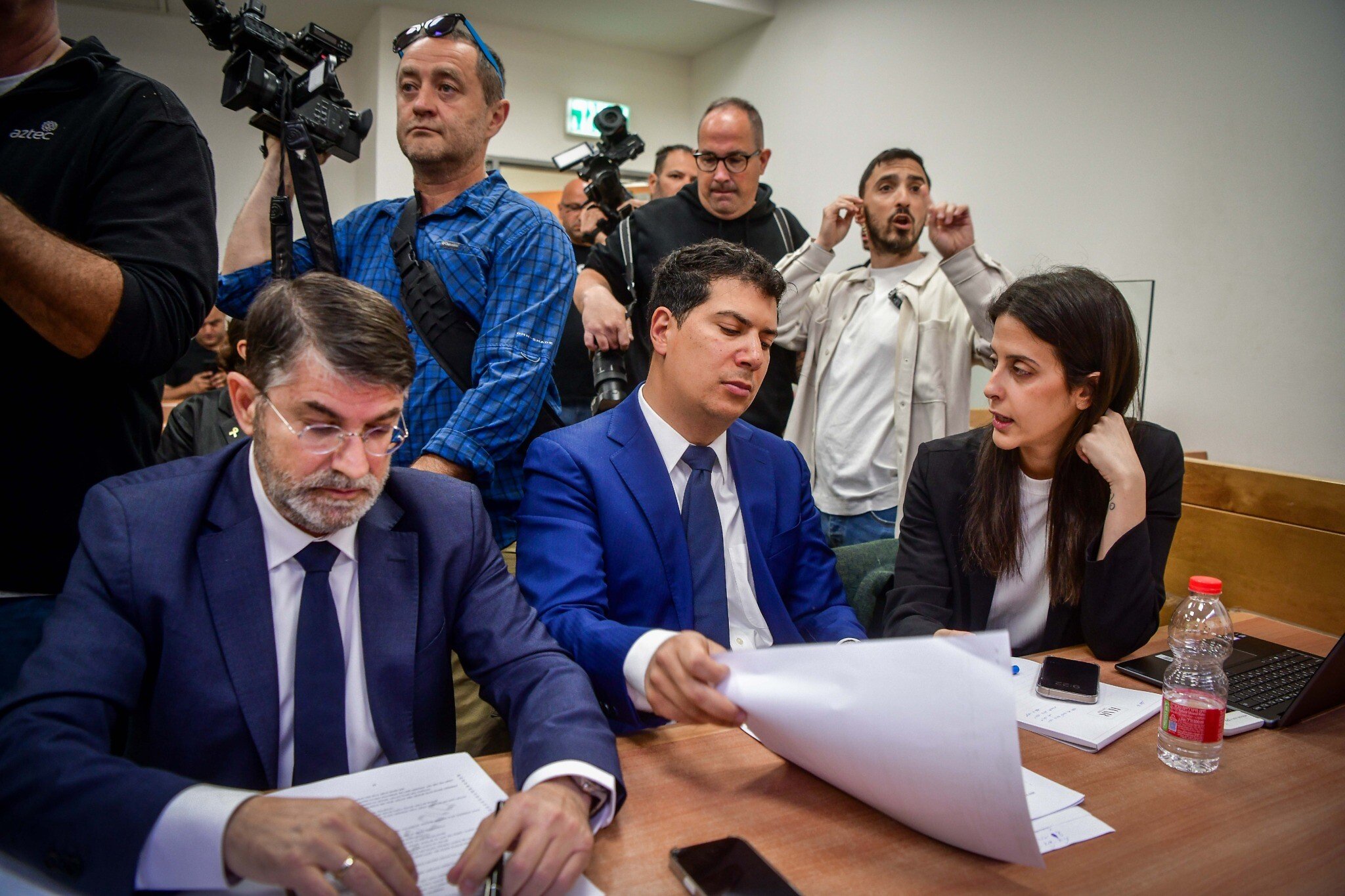
Banning Urich from his place of work, the judge said, was a “tough condition” that would harm his constitutional rights.
“I do not believe that evidence has been presented to me that justifies the alleged fear that the suspect will harm state security or will commit similar offenses again,” he said.
He noted that the police have not requested a similar condition for other suspects in the affair, some of whom he said are alleged to have committed more severe crimes than Urich.
“This is an unfocused investigation that is sailing at sea without a captain, which the court cannot accept,” charged Mizrahi.
The judge also criticized the police for their handling of the request, saying that it had first asked for a 30-day extension before switching to a 60-day extension and then adding the request to ban him from working in the PMO.
He recommended that the police should have instead concentrated on claims regarding Urich’s potential to obstruct justice if the restrictions on his contacts with Qatargate suspects were to be revoked, noting that the Supreme Court made similar comments in response to an appeal that reached it.
The Rishon Lezion Magistrate’s Court had previously rejected a request to extend the restrictions on Urich, but its decision was overturned on August 19, following an appeal to the Lod-Central District Court.
In the appeal, police investigator Aviv Porat said that the Qatargate investigation had led to a “substantive suspicion” that following the October 7 Hamas atrocities, Israeli officials had worked to create for Qatar “an orchestrated plan…to change the negative narrative created against it” due to Doha’s funding of Hamas.
When overturning the lower court’s ruling, the district court judge criticized it, saying that he did not share its position that there was an absence of reasonable suspicion that Urich committed the crimes of bribery and breach of trust, of which he is accused in the affair.
Police have appealed against Mizrahi’s decisions on several occasions, and the Lod-Central District Court has ruled in its favor four times. It has also criticized Mizrahi on more than one occasion.










The Times of Israel Community.