

Tel Aviv commuters face eight days without trains
Repair and upgrade work shutters three of metropolis’s four railway stations, forcing hundreds of thousands onto highways
 Add ToI as a Preferred Source on Google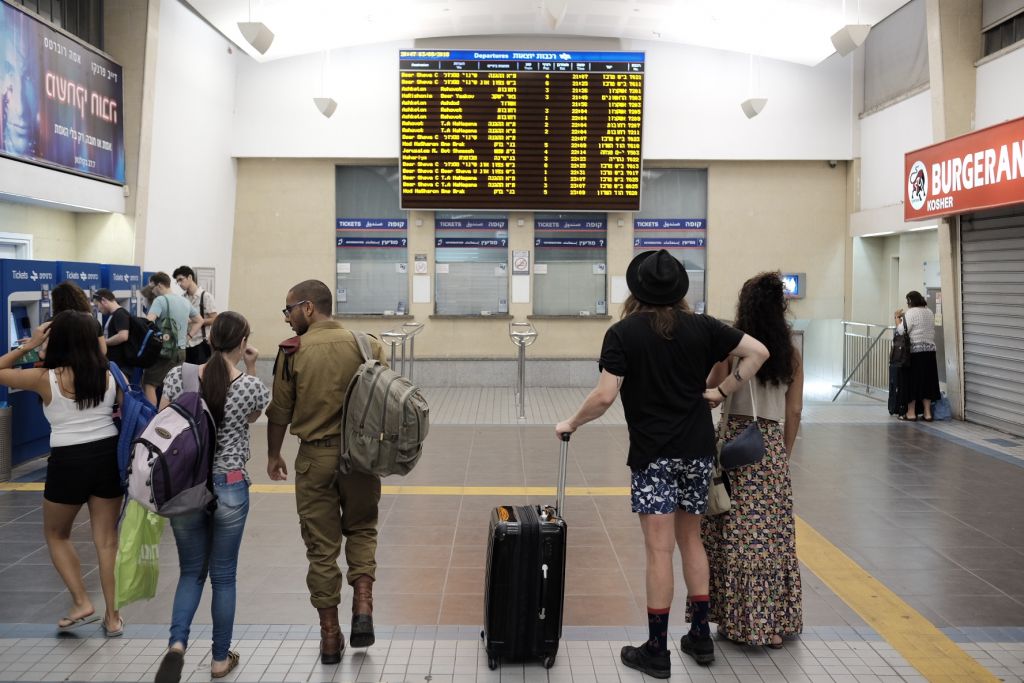
Commuters traveling to Tel Aviv, Israel’s commercial hub, are expected to face vast traffic logjams over the next eight days as Israel Railways carries out major repair and upgrade work on the tracks leading into the city.
Three of the city’s four major stations – Savidor, University and Hashalom – will also see work to upgrade their infrastructure, shuttering them, too, until Thursday, September 29.
Work began Monday morning, with the tracks already removed in some locations by 6 a.m.
A situation room has been opened that will coordinate traffic, public complaints and other issues. Officials from Israel Railways, the Transportation Ministry, Israel Police, and the Tel Aviv Municipality will all be present at the site.
Trains will run into Tel Aviv from the south to the city’s southernmost station, Hagana, and from the north until the Herzliya train station.
In order to limit the follow-on effects on Tel Aviv’s public transportation, the Transportation Ministry will run a special bus service from the Haganah and Herzliya stations to the shuttered stations in the city, where the regular city buses and shuttles will continue to stop.
The train stoppage follows a coalition crisis earlier this month over Haredi demands that Israel Railways not carry out repair work on tracks on Shabbat.
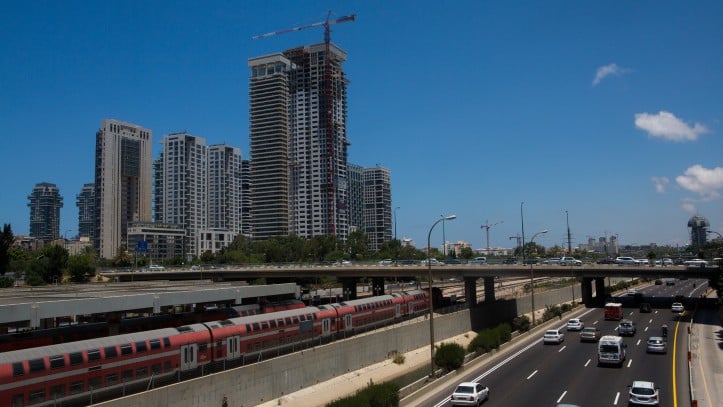
Facing Haredi pressure, Netanyahu ordered a sudden work stoppage on the Tel Aviv-Haifa railway line on the September 2 weekend, causing massive traffic delays on the following Sunday as the repair work was bumped to the workday, forcing some 150,000 Israelis to find alternate transportation for their morning commutes.
A High Court of Justice petition later ruled that the decision to forbid Shabbat work lies under the purview of Labor Minister Haim Katz. Katz promised to allow only repairs deemed critical to safety to take place on Shabbat, but would push non-essential repairs to weekdays.
The current upgrade schedule shows no work on the coming weekend, a fact that extends the traffic jams by two extra days.
On Sunday, in purported revenge for infrastructure work carried out on Shabbat on the rail network, Knesset Finance Committee chair MK Moshe Gafni delayed an anticipated vote on a Transportation Ministry request for another NIS 600 million for the country’s railways.
The committee, headed by Gafni of United Torah Judaism, was to have debated the budget, but in a surprise move it was taken off the agenda and not discussed at all, Channel 2 News reported.
The money was earmarked for the construction of the high-speed train between Jerusalem and Tel Aviv, further development of the Jezreel Valley railway line in the north and payments for contractors. Stalling the budget approval could lead to the projects being delayed and could cause unpaid contractors to sue the government.
Sources within the Transportation Ministry claimed that the decision was “revenge” for construction work carried out on Shabbat. They claimed Gafni intentionally stalled the discussions so that the budget for the trains would be delayed.
UTJ, along with fellow ultra-Orthodox party Shas, are vehemently opposed to work on the Sabbath.
Gafni rejected the allegations of revenge. “I am not obligated to discuss everything on the day’s agenda,” he told Channel 2. “I will consider it and if appropriate, the money will be transferred.”
The Knesset will meet Monday for a special recess session to debate the issue. Netanyahu has said he will attend the debate, but Shas and UTJ have indicated they will not.
A January report by the Organization for Economic Cooperation and Development on the Israeli economy concluded the country’s railway infrastructure is underdeveloped in relation to high population density, leading to significant congestion.
Trains comprise just 6 percent of public transport, compared to 30 to 60 percent in many other OECD countries, the report said.









The Times of Israel Community.