

The impossible can happen, for better or worse
As Cleveland was celebrating an unthinkable championship, other unthinkable things, not nearly as joyous, wormed their way into the Israeli press
 Add ToI as a Preferred Source on Google
Joshua Davidovich is The Times of Israel's Deputy Editor

You don’t need George Tenet to tell you that just because something seems like a slam dunk, it’s not necessarily so. The unthinkable can always occur. Things that supposedly have no business existing, like a Cleveland sports championship, scary levels of support for a soldier accused of manslaughter, a Donald Trump presidential run, and senior police officers verbally smacking each other in public, can one bright and sunny morning just appear on your doorstep out of the blue.
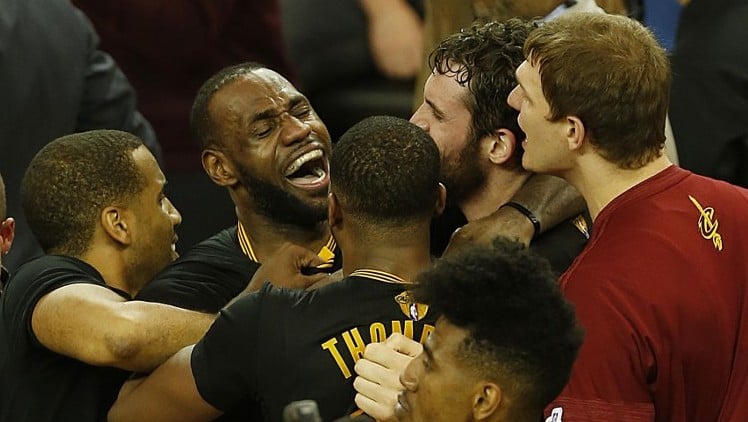
That which was once thought impossible can happen, for better or worse. Cleveland broke a streak of 52 years (that’s actually 145 seasons for those counting at home) without a sports title as the Cavaliers won the NBA championship in dramatic fashion, and as this writer was celebrating with tears and cheers, papers were hitting the newsstands in Israel with stories that show the sordid flip-side of the improbable taking place
Thus papers have yet another twist in the case of Elor Azaria, accused of killing a wounded Palestinian stabber in Hebron in March in what many think should have been an open-shut case; the continued popularity of Donald Trump in the face of fresh discriminatory statements; and flying accusations between cops despite new commish Roni Alsheich having promised to clean up the police force.
(AFP/ Beck Diefenbach)
In Cleveland they believed in the impossible. Elsewhere, perhaps they should stick to the script.
The story of Azaria and his commanding officer, who has now come under threat presumably by those who think the soldier was correct in shooting the wounded assailant in Hebron, leads Yedioth Ahronoth. The paper doesn’t quite play the story straight though, but instead uses it to chide Prime Minister Benjamin Netanyahu, juxtaposing IDF chief of staff Gadi Eisenkot’s phone call to commanding officer Maj. Tom Ne’eman with Netanyahu’s own call to Azaria’s parents in the wake of the shooting, and calling Eisenkot’s use of the telephone “symbolic,” as if to note that Netanyahu should be doing the same.
The paper reports that after testifying against the soldier, Ne’eman came under fire from those who support Azaria. “This testimony turned Ne’eman into a target for wild incitement by figures associated with the right and on social media he’s been called a ‘traitor’ and ‘embarrassment to the country.’”
Columnist Yossi Yehoshua, noting that other soldiers are also slated to testify, sees in what’s happening a scary new method for those who don’t like the justice system to get their way.
“Suddenly it seems that if a certain group isn’t happy with the way the justice system is working, they’ll just tear it all to bits and threaten witnesses. The first to get this was Maj. Ne’eman, in what was seemingly an effort to both tamper with the case and send a message to the next witnesses: If you say the truth on the stand, you’ll also get threats and defamatory language on Facebook,” he writes.
Israel Hayom, which is the paper closest to actually backing Azaria and those who support him, doesn’t mention any criticism of Netanyahu but does quote heavily from both a Facebook post against Ne’eman that led to the arrest of a man and from the man’s lawyer, with only a bit of the article about the support Ne’eman is getting from the upper echelons.
If Israel were more like Cleveland, it might support Ne’eman with a giant billboard of him reading simply “Witness.” That’s probably not going to happen, but Cleveland will become a little more like Israel, at least if presumptive Republican nominee Trump gets his way when he visits the city in a few weeks for the GOP’s national convention and tries to enact what he described Sunday as Israeli-style racial profiling.
Haaretz puts Trump on its front page, and reports that even if racial profiling is used in Israel, it’s not a good thing, pointing out that according to Human Rights Watch and others it’s considered a form of racial stereotyping.
“Use of the method is problematic and has been harshly criticized by human rights and racial equality groups in the US,” the paper reports.
Editor Asaf Ronel writes in a column that the dispute over whether to profile somebody based on their racial or ethnic background cuts directly into the heart of why Obama refused to use the term “Islamic extremism” to describe the Orlando attack, despite egging on from Trump.
“Seven and a half years ago, a young black man from the first generation of the social changes we see today was elected president. Now running for his office is an establishment candidate, who he beat on the way to the white House, against his total antithesis. And what remains for Obama in his last months in office is to show with deeds and words that there is still hope in the internet age,” he writes. “When Obama defends Islam, he is telling the children of migrants that their Muslimhood does not supersede their identity as Americans, and for those who already fell through the cracks he asks that they not choose violence. And that’s exactly what will happen if Trump’s suggestion to arrest young Muslims randomly is enacted.”
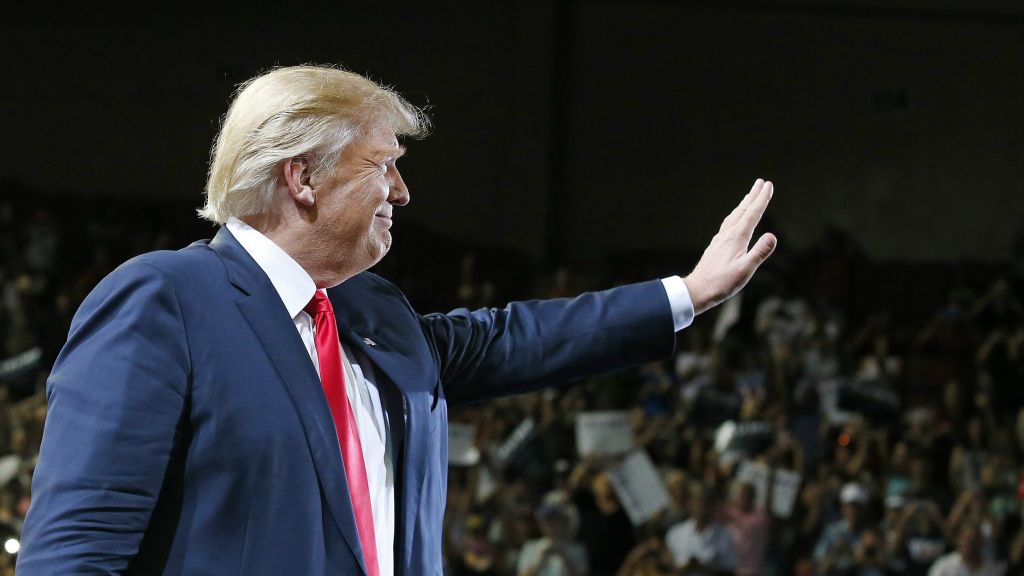
Trump said he based his suggestion on Israel’s experience and what he says is success, but Israel Hayom’s front page story shows that maybe even here the cops aren’t to be trusted with so delicate a task. The tabloid’s lead story deals not with racial profiling, which the right-wing paper almost certainly supports, but rather other types of skulduggery within the force.
Calling it “hard to believe,” the paper quotes top anti-fraud cop Roni Rittman saying that the police “is an organization of intrigue and gossip.”
Going off reports from the night before on Channels 2 and 10, the paper weaves a tale of interdepartmental cat-fighting within the police among senior figures, including Rittman, who finally decided to “air the police’s dirty laundry,” in Israel Hayom’s telling.
Given the fact that police chief Alsheich came in to clean up the force, and instead seemed to make the kerfuffle worse by reportedly accusing “senior officials” of trying to take down Rittman, columnist Itzik Saban pleads with him to get control of the situation and “throw cold water” on the heated dispute between his underlings.
“It’s been said and written before that the job of police chief is much more complicated than thought, and thus he needs to pay attention to every word that comes out of his mouth. Because at the end of the day, even when you just chat to yourself, every word is analyzed, and what’s damaged is the police’s strength, its ability to deter, officers, and public trust in the body that’s supposed to protect the law,” he writes. “What he needs to do now is shift down a gear, go behind the scenes and consider a new way to solve the tangled mess that’s been made in the police force as much as possible.”







The Times of Israel Community.