

‘The strength of weak ties’: Israel, Iran, Syria business scholars join forces
With wine, walks and talks, researchers hold hackathon-esque gathering in Fontainebleau, France, in bid to boost ‘peace economics’
 Add ToI as a Preferred Source on Google
Shoshanna Solomon was The Times of Israel's Startups and Business reporter
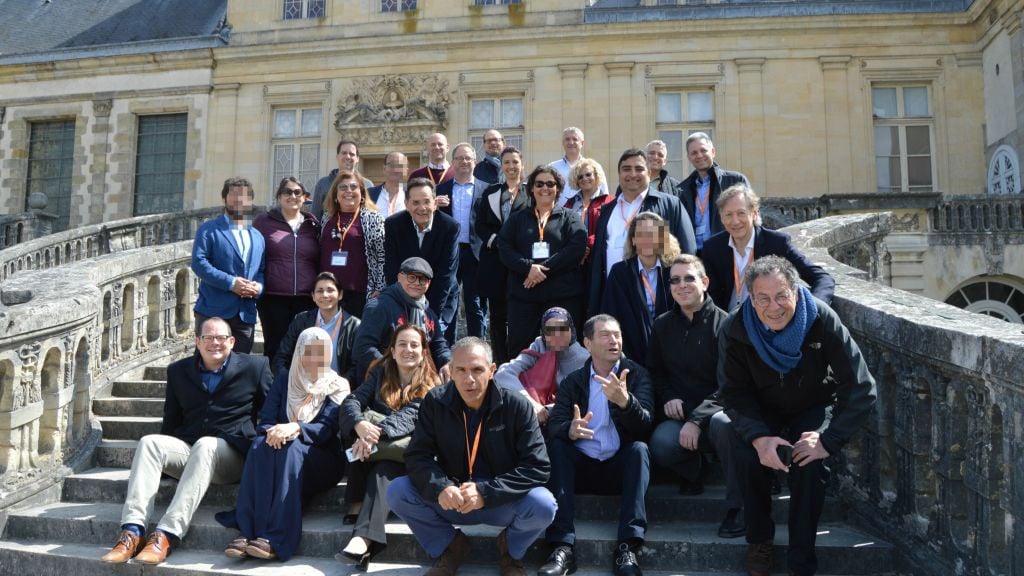
Far from their homelands in the contentious Middle East, a group of 30 Iranian, Syrian, Egyptian, UAE, Tunisian, Moroccan, Turkish and Israeli researchers from the field of business entrepreneurship met last month for a two-and-a-half-day workshop in the idyllic setting of the INSEAD business school campus in Fontainebleau, France. Their goal: to set up joint research projects that promote strategic management and entrepreneurship in the Middle East while also boosting tolerance, collaboration and peacemaking.
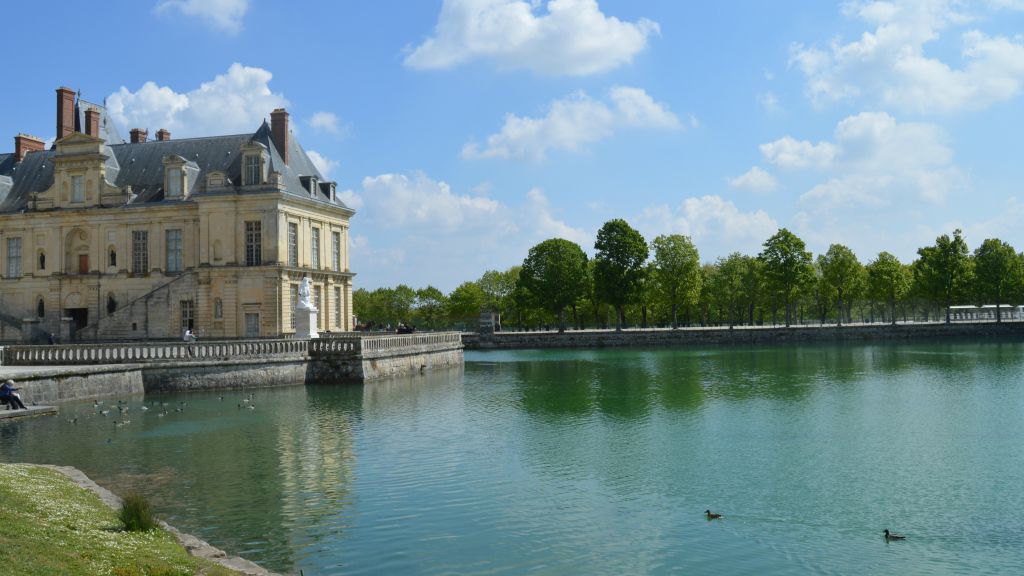
In that setting they talked, ate, brainstormed, studied and exchanged ideas. But they also made time to take walks together on the grounds of the business school, ride on horse-drawn carriages, breathe in the smells of freshly mown lawns, visit castles and sail on the lake. The food was good; the wines, warming. Mainly, though, they got to know each other, not as adversaries on opposite sides of the bloody Arab-Israeli conflict but as researchers with common interests, passions and goals.
“The idea is to match Israeli researchers with Arab colleagues in the field of entrepreneurship and strategy” and eventually see their joint research lead to a published paper on Middle East-related subject, said Niron Hashai of the Asper Center for Entrepreneurship at the Hebrew University of Jerusalem, one of the organizers of the gathering.
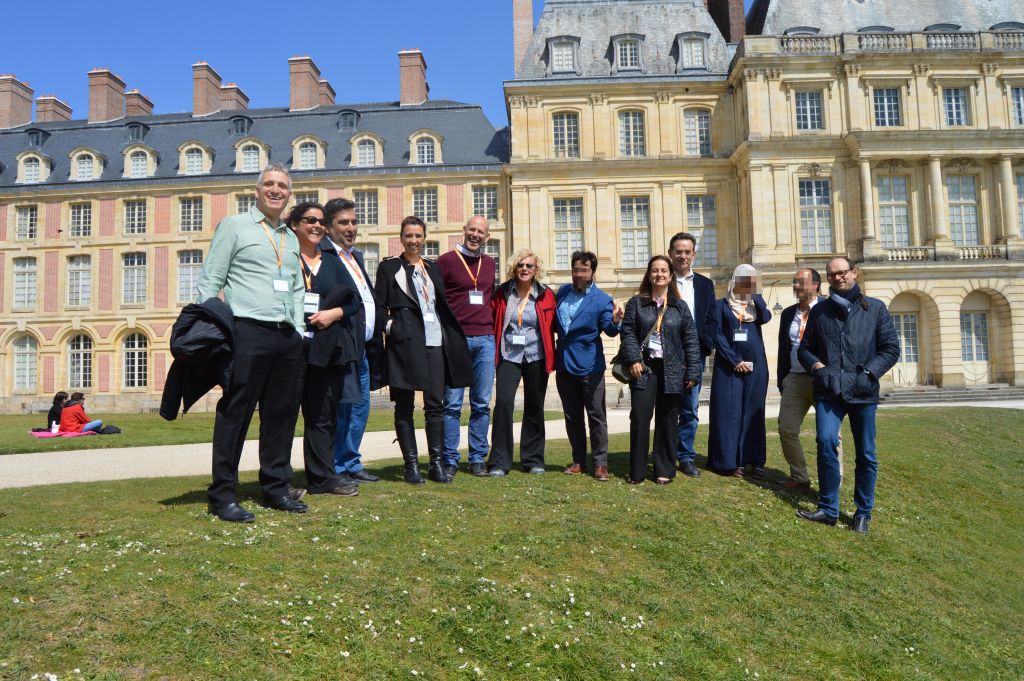
Other organizers of the 2017 Initiative for Academic Collaboration in the Middle East and North Africa (IACMENA) Workshop, held on April 28-30, were INSEAD, the graduate business school; Strategic Management Society, a research society that brings together more than 3,000 members from 80 different countries; and the Harry S. Truman Research Institute For the Advancement of Peace at the Hebrew University of Jerusalem. INSEAD’s Prof. Ithai Stern initiated the gathering.
“The idea is to connect Israeli and Arabs who don’t have a chance to meet generally because of the boycotts and politics,” said Menahem Blondheim, head of the Harry S. Truman Institute, in a phone interview. Dialogue and joint work are important to promote peace economics, promote the region’s economy and create a more fertile ground for scientific research.
“There is such a thing as a strength of weak ties,” Blondheim said. “If you work or meet with the same people it is very different than if you work and meet with people from different backgrounds. It opens up whole new worlds.”
This is the second time such an initiative has taken place, with the first such meeting held in Cambridge a year earlier with younger participants. This year the attendees were mostly on associate professor level. No joint papers from last year’s event have been published yet, Hashai said, but work is still underway on the research.
This year’s gathering started off with a joint meal. “In the beginning there was hesitation and some suspicion because we didn’t know each other, but within a quarter of an hour we were friends,” Hashai said.
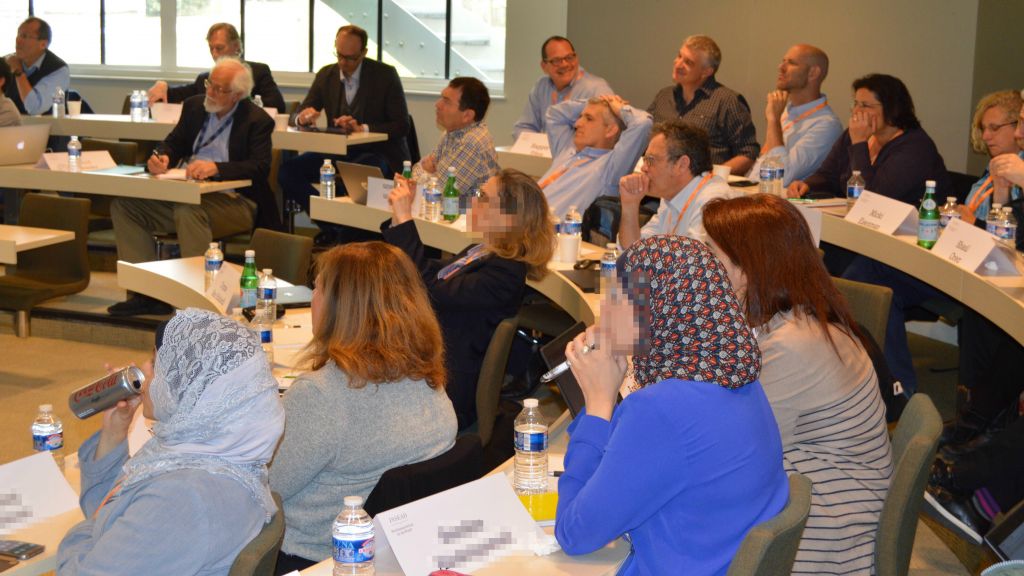
The format of the study sessions was unique for an academic forum; it was very target-oriented with tight deadlines, Hashai explained. The researchers were matched with one another based on research backgrounds and given a time limit to choose the subject of their joint research, sett out the theory behind it, lay out the hypothesis and present their work to the other participants at the end of the event.
“We worked like a hackathon,” Hashai said. “I am sure my research with my Turkish colleague, on the effect of founders on the effectiveness of research and development spending in firms, will yield a paper, and perhaps almost 50% of the others too,” he said.
Among the papers proposed at the workshop were one that studies the impact of a 2107 reform on Palestinian employment in Israel; one that aims to challenge the dominant paradigm that negative media coverage leads to negative performance; and one that examines how firms that are owned by ethnic minorities can gain resilience.
Getting the researchers to join the initiative was not easy, Hashai said, with some invitees refusing to come for fear of backlash in their home countries, many of which don’t have diplomatic ties to Israel.
Those that did agree, however, are in for the long haul, with all of the participants agreeing to have their names published on the joint papers, Hashai said. “You had to be either completely in, or out,” he said.
A major selling point of the program was access to senior specialists in a variety of relevant fields who were brought in to act as mentors and advisers to the research teams.
It also helped that many of the participants work at universities outside of their native country, Hashai said. For the purposes of this article only the Israeli researchers were willing to be interviewed, with others preferring that their names and photographs not appear in print out of privacy concerns.
Still, for those who worked together the cultural differences were not felt, Hashai said.
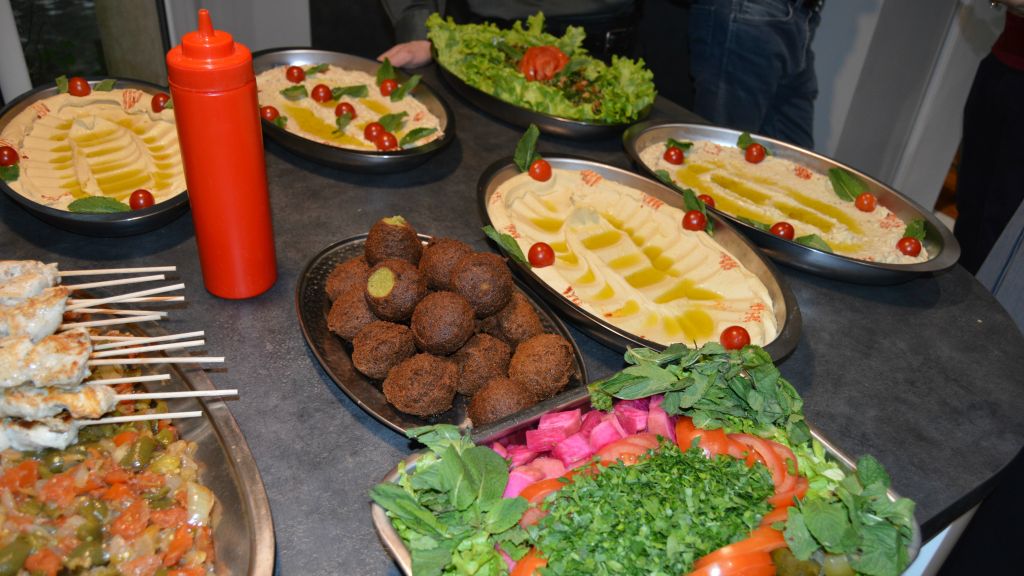
For the final joint dinner the organizers brought in a French-Lebanese chef to put out a spread of kebabs, vine leaves, grilled lamb and other Middle Eastern meats, salads and breads. “We loved the French food we ate throughout,” Hashai said. “But when we saw the mouthwatering Lebanese food, everyone was happy because it is food we love and we all felt at home.”
“What we are doing is a drop in the ocean, but we are seeing progress as more and more people are willing to come and join the initiative. And when they come, they see that the person on the other side of the conflict or barriers is just another researcher like them,” Hashai said.
“We don’t talk politics but about our work and our aims. It is a very nice way to lower the walls between us. Researchers are a small group in a small world, but every little step in the right direction is actually a big step.”




The Times of Israel Community.