

Ultra-Orthodox retake Beit Shemesh, former Haifa mayor Yona Yahav returns to office
46.1% of eligible voters cast ballots in run-off elections across the country; right-wing candidate Matan Dil wins in Rehovot, former MK Oren Hazan trounced in Ariel
 Add ToI as a Preferred Source on Google
Sam Sokol is a former political correspondent at The Times of Israel. He was previously a reporter for the Jerusalem Post, Jewish Telegraphic Agency and Haaretz. He is the author of "Putin’s Hybrid War and the Jews"

Beit Shemesh’s incumbent Aliza Bloch lost in a runoff election to Degel Hatorah candidate Shmuel Greenberg, and Haifa’s former longtime mayor Yona Yahav made a comeback, according to initial municipal election results released late Sunday.
Following a concerted push to retake the city, Greenberg scored a knockout victory in the city’s second round of voting, receiving 58.7 percent of the vote to Bloch’s 41.3%.
Greenberg, a representative of the moderate wing of Israeli ultra-Orthodoxy, was backed by all of the competing Haredi factions after Shas candidate and former Mayor Moshe Abutbul was defeated in the first round late last month.
Some secular and national-religious residents had expressed concern that a victory of a Haredi candidate could result in a return of the years of religious violence at the hands of ultra-Orthodox zealots during Abutbul’s controversial tenure.
Greenberg sought to soothe worried residents on Sunday evening, declaring that he would be “everybody’s mayor.”
Speaking with local outlet Beit Shemesh Hadashot, Greenberg thanked Bloch “for all the good things she has done” and invited her to join his coalition in order to serve the “Haredi, national-religious and secular” communities of the city.
While Greenberg preached unity during the election, this rhetoric stood at odds with his previous attacks on Bloch, whom he accused of demolishing synagogues in the city.
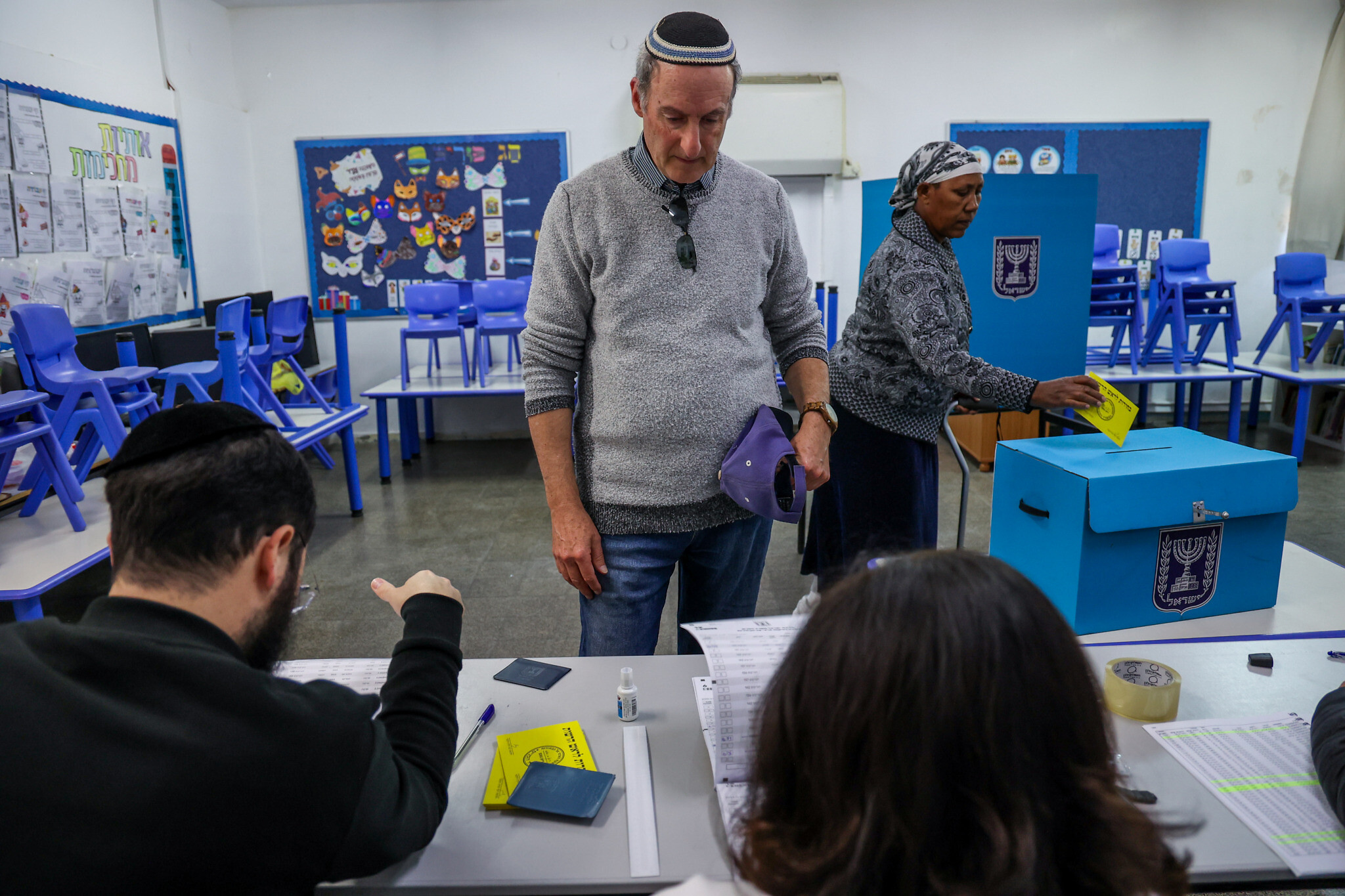
Speaking outside a local polling station on Sunday, Zev Kaplan, a local Haredi American immigrant, explained that he was voting for Greenberg “regardless of his party because he’s an extremely capable person and will make an extremely effective mayor.”
Candidates were competing in run-off elections in 35 cities and villages across the country after failing to secure the 40% of ballots necessary to win in the first round of municipal elections two weeks ago.
In Haifa, Yahav, 79, defeated David Etzioni to lead the northern, mixed Israeli-Arab city of Haifa with 62.6% of the votes.
Yahav, a former Knesset member for the Labor party, served as mayor of Israel’s third-largest city between 2003 and 2018, when he was defeated by rival Einat Kalisch Rotem.
He had campaigned on behalf of what he called “liberal Haifa” in the contest against Etzioni, a lawyer and former finance minister adviser backed by the city’s growing ultra-Orthodox population.

“The election campaign is over. From now on we are all one Haifa,” Yahav told supporters on Sunday evening, the Ynet news site reported.
“With my return to my position, I intend to unite all parts of the city, Jews and Arabs, who refuse to be enemies. Religious and secular as one — one people,” he said.
In Rehovot, right-wing candidate Matan Dil won the mayoral race, defeating Zohar Blum, who was backed by Yesh Atid, Labor and Yisrael Beytenu, by more than 18 points.
While Blum had framed the election as a “struggle between liberal Rehovot and closed and conservative Rehovot,” Dil promised “to be the mayor of everyone [and] protect the interests of all sectors” against external actors seeking to “sow incitement and hatred,” Ynet reported.
In the West Bank city of Ariel, former Likud MK Oren Hazan failed in a mayoral bid launched four and a half years after he was sentenced to 100 hours of community service for physically and verbally abusing a municipal worker there.
He was defeated by rival Yair Chetboun, the brother of former Jewish Home MK Yoni Chetboun, who garnered 62.9% of the vote.
Despite his scandal-filled tenure as an MK, Hazan had been backed by a number of prominent Likud politicians, including several ministers.
And in Efrat, long-time head of the regional council and incumbent Oded Revivi lost his mayoral bid to Dovi Shefler, the director of hesder yeshivas in Efrat and Kiryat Arba. Revivi, who had served as the chief foreign envoy of the pro-settlements Yesha Council, was first elected in 2008.
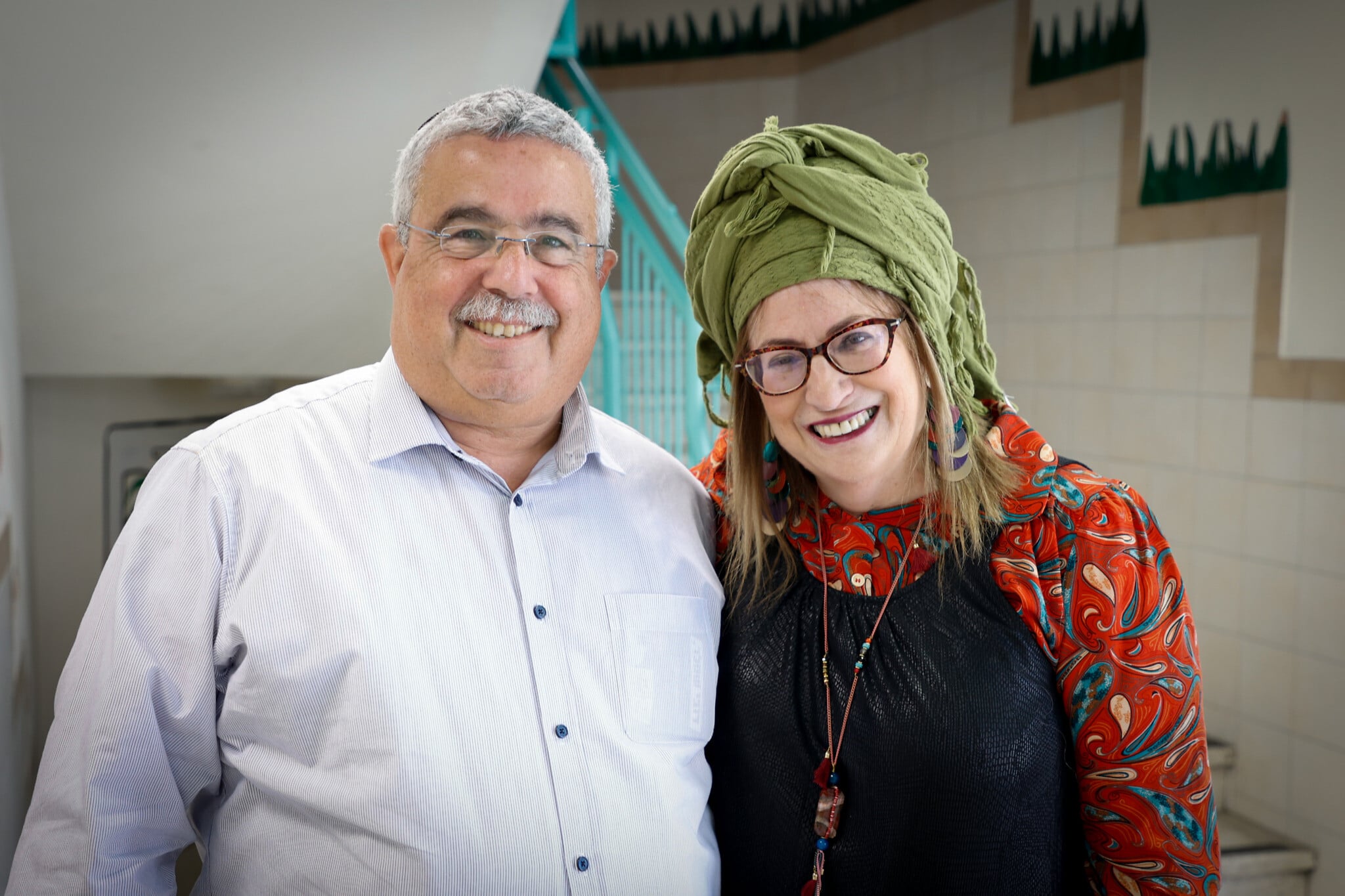
In the southern city of Kiryat Gat, former World Likud chief Kfir Swisa beat out incumbent Aviram Dehari, who is also affiliated with Likud, with 52.1% of the vote.
Sunday’s municipal vote was not a legal holiday, unlike the first round at the end of last month, and voting was restricted to the hours of 1-10 p.m. The results announced by the Interior Ministry are provisional and do not include so-called “double envelope” ballots cast by soldiers in the field.
According to the Interior Ministry, 443,595 people, or 46.1 percent of eligible voters, cast ballots across the country. The ministry reported that 28.76% voted in Haifa, 60.7% in Beit Shemesh, 40.57% in Ramle, 47.7 in Rehovot and 84.52% in Deir al-Asad.
“I would like to thank the thousands of residents who exhibited good citizenship and came out again today to vote,” Interior Minister Moshe Arbel said following the election.
According to Ryan Ghanem, the national election inspector, several attempts at fraud and ballot tampering were caught by polling officials, prompting the ministry to call for increased vigilance.
The ministry did not state where the alleged fraud occurred but during the first round of elections, police detained multiple suspects linked to alleged fraud in Beit Shemesh.
Times of Israel Staff contributed to this report







The Times of Israel Community.