

Voters go to polls across Israel in second round of municipal elections
Run-offs underway in Ariel, Beit Shemesh, Abu Ghosh, Haifa and 31 other cities and villages where no candidate managed to reach 40% in last month’s first round
 Add ToI as a Preferred Source on Google
Sam Sokol is a former political correspondent at The Times of Israel. He was previously a reporter for the Jerusalem Post, Jewish Telegraphic Agency and Haaretz. He is the author of "Putin’s Hybrid War and the Jews"
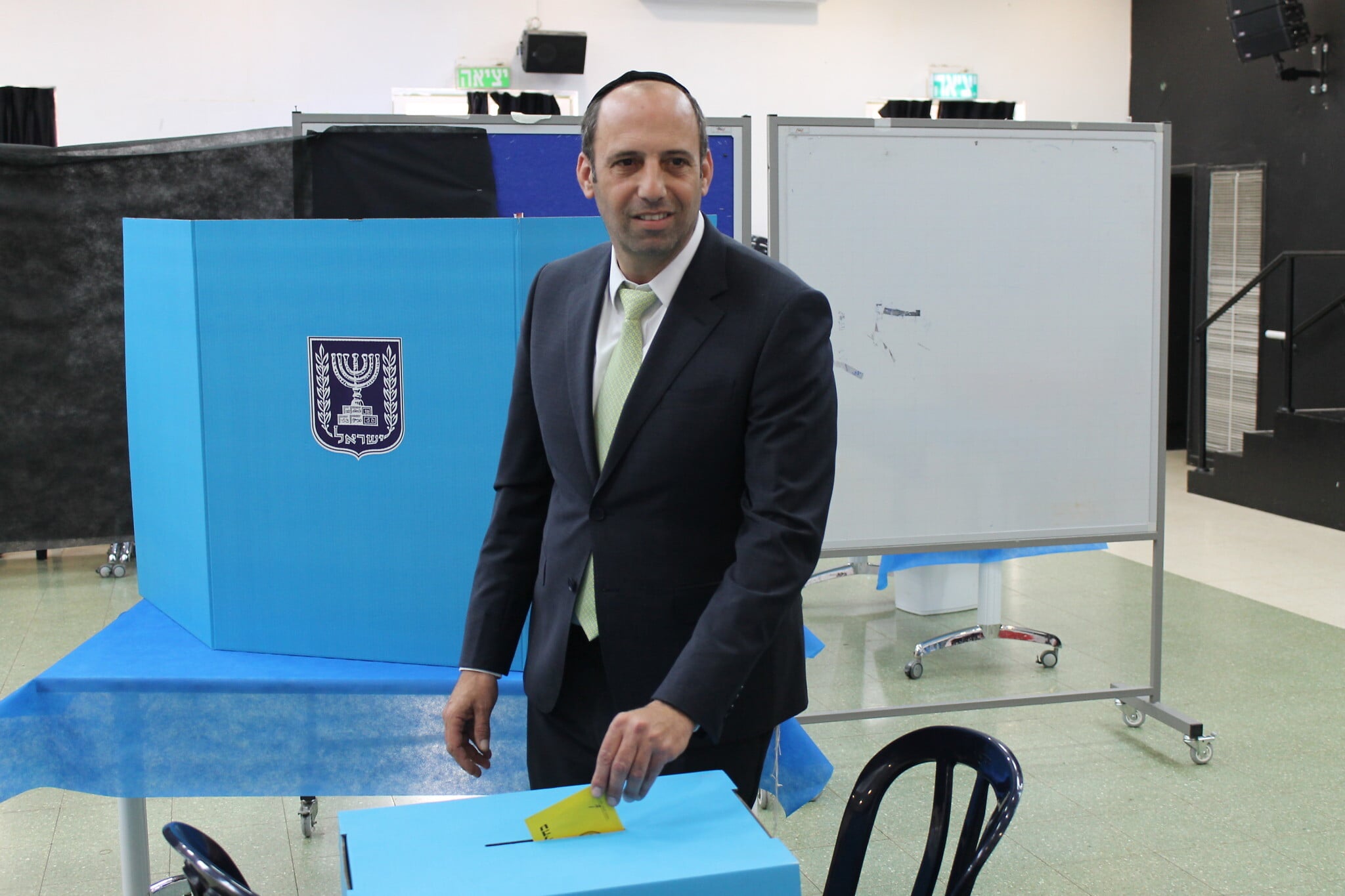
The polls opened for the second round of voting in nationwide municipal elections on Sunday at 1 p.m., with candidates competing in run-off elections in 35 cities and villages across the country.
Elections are being held in locations where none of the candidates running for mayor managed to secure the 40 percent of ballots necessary to win in the first round of municipal elections two weeks ago.
Some 992,866 voters are eligible to cast ballots for 69 candidates at more than 2,000 ballot boxes, including a number set up for active-duty soldiers in the Gaza Strip. The number of candidates dropped from 70 after Dror Shor bowed out of the race in the Be’er Tuvia Regional Council.
The day is not a legal holiday, unlike the first round at the end of last month, and voting will be restricted to the hours of 1 p.m. to 10 p.m. The date of the election was moved forward two days due to the beginning of the Muslim holy month of Ramadan.
Interior Minister Moshe Arbel called on voters to exercise their democratic rights “despite the difficult times we are in,” asserting that it is “important to go out and vote and influence the future of your city for the next five years.”
In a statement, the ministry released the final audited numbers for voter participation in the first round, held on February 27. Around 3.8 million out of 7.08 million eligible voters, or 53.7 percent, cast ballots — down from 56.9% in 2018 and 51% in 2013.
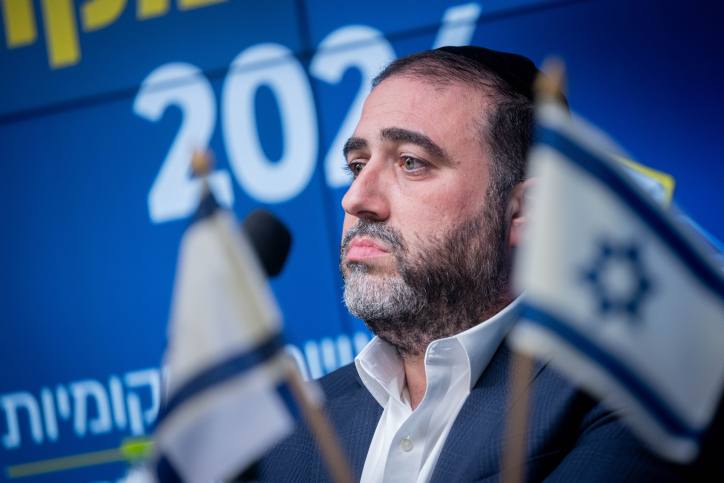
During the first round, 709 women were chosen as members of regional councils while 1,101 were elected to local authorities. Five regional councils and nine local authorities will now be headed by women.
Four women are running for the heads of their local authorities in the second round, including Beit Shemesh incumbent Mayor Aliza Bloch who is competing against Degel Hatorah candidate Shmuel Greenberg.
The city’s ultra-Orthodox, or Haredi, population has launched a concerted push to retake the city, with former mayor Moshe Abutbul, who lost in the first round, backing Greenberg.
While the Greenberg campaign largely eschewed divisive religious language during its campaign ahead of the first round of voting, it has since gone on the offensive, distributing flyers calling out Bloch over the demolition of multiple illegally built synagogues across the city.
His campaign materials have also elided his academic degrees and military service, instead playing up his yeshiva background. A spokesman for the Greenberg campaign declined to answer questions about his campaign rhetoric.
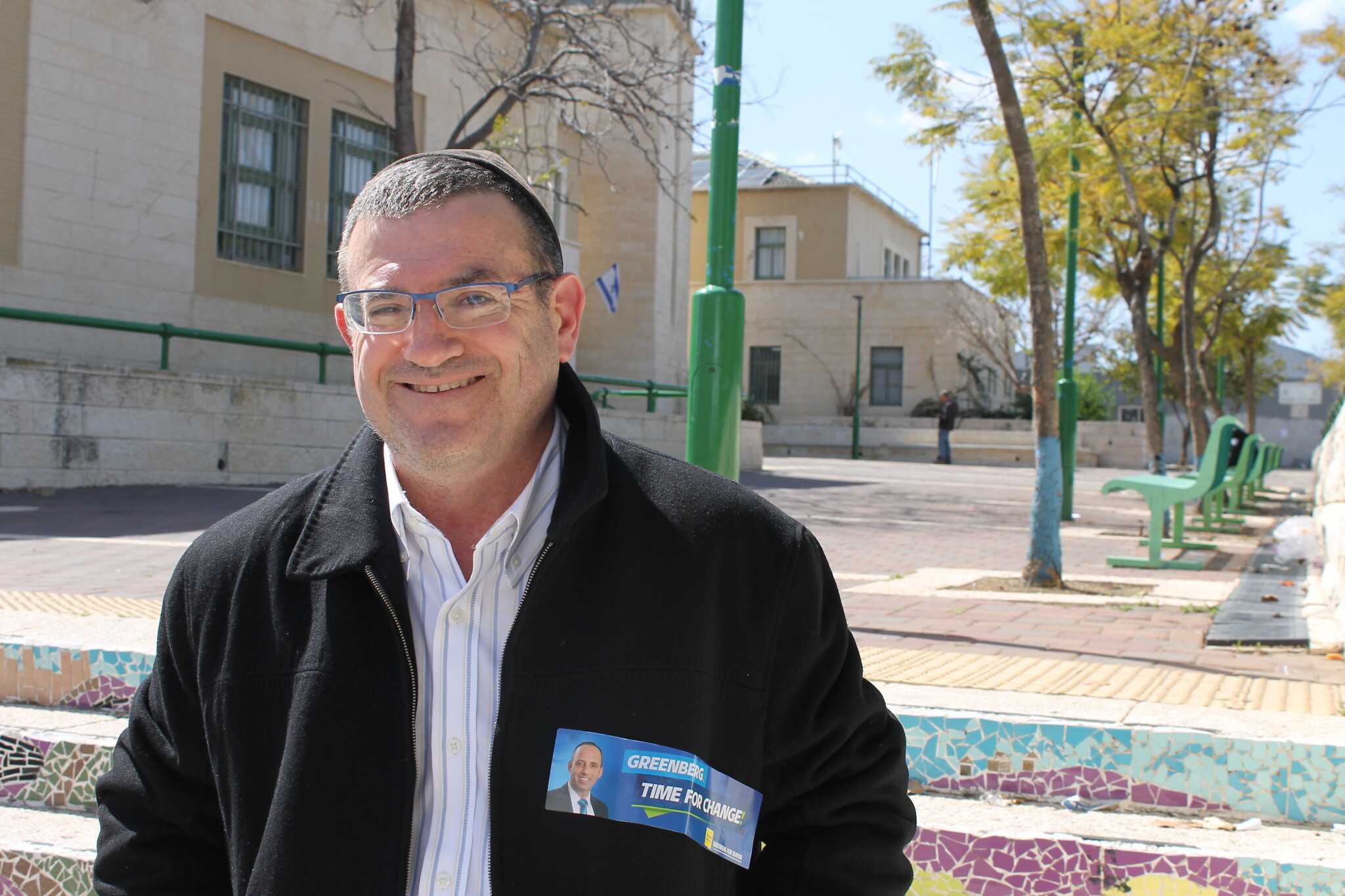
Speaking outside a local polling station on Sunday, Zev Kaplan, a local Haredi American immigrant said that while English-speaking Haredi residents are split between the two candidates, he is voting for Greenberg.
“I’ve known Shmuel for 12 years and know him to be an unbelievable person. I’m not a typical Haredi voter. I didn’t vote for Abutbul in the last two elections. I’m voting for Shmuel regardless of his party because he’s an extremely capable person and will make an extremely effective mayor,” he said.
The last round in Beit Shemesh was marked by multiple arrests on suspicion of election fraud, in a throwback to 2013, when local police discovered hundreds of identity cards in an apartment and car believed to belong to supporters of Abutbul, as well as a cache of clothing that apparently served to disguise individuals who voted multiple times on election day.
In a statement, Interior Minister director-general Ronen Peretz said his ministry was “operating in full cooperation with the Home Front Command, the IDF and the police” and stood ready to “guarantee the purity of the elections.”
In Haifa, former longtime mayor Yona Yahav, 79, is running against David Etzioni.
Rehovot is holding a run-off between Matan Dil and Zohar Blum after incumbent Mayor Rahamim Malul trailed them in third place.
Run-off elections are also being held in Efrat and Ariel after no candidate secured 40% of the vote in either of the West Bank settlements.
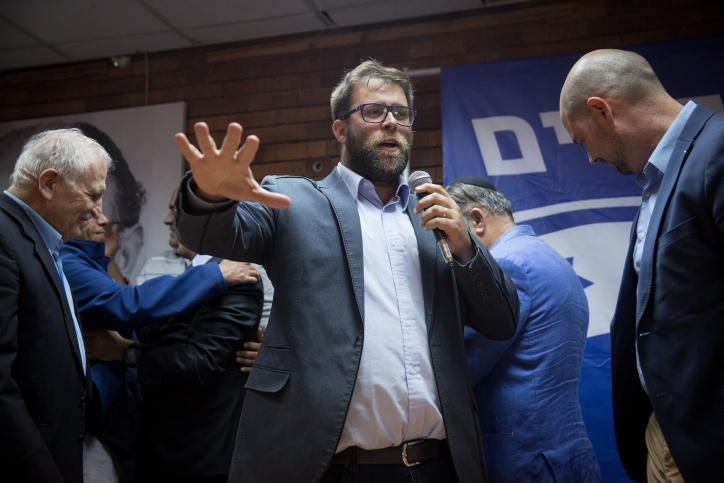
The Ariel election presents an opportunity for a political comeback for former Likud MK Oren Hazan, whose campaign comes four and a half years after he was sentenced to 100 hours of community service for physically and verbally abusing a municipal worker there.
After his election to the Knesset in 2015, Israeli TV reported that the freshman MK had hired prostitutes for his friends and used hard drugs in Bulgaria, where he used to run a casino.
Hazan’s one term as an MK was filled with scandals and, in January 2018, he was the first Knesset member in the history of the State of Israel to receive a six-month ban on parliamentary activities, as punishment for a series of incidents in which he insulted his fellow lawmakers.
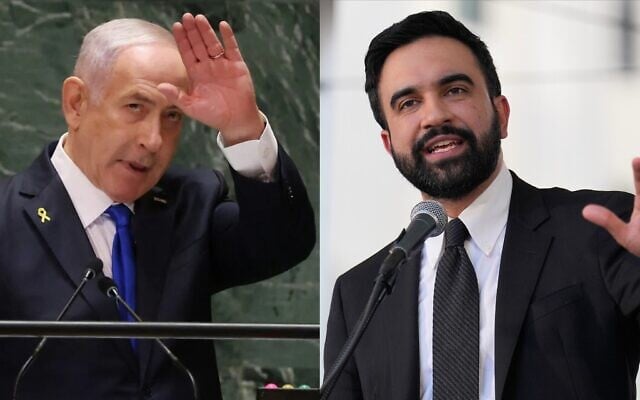
He is facing off in the vote against Yair Chetboun.
Further run-off elections are also being held in Abu Ghosh, Kafr Kanna, Ness Ziona, Kiryat Gat and Ramle.





The Times of Israel Community.