

Israel’s virus deaths climb to 184, as ministry says daily test numbers are up
COVID-19 cases at 13,942, as virus’s spread appears to flatten; 139 people in serious condition, including 113 on ventilators
 Add ToI as a Preferred Source on Google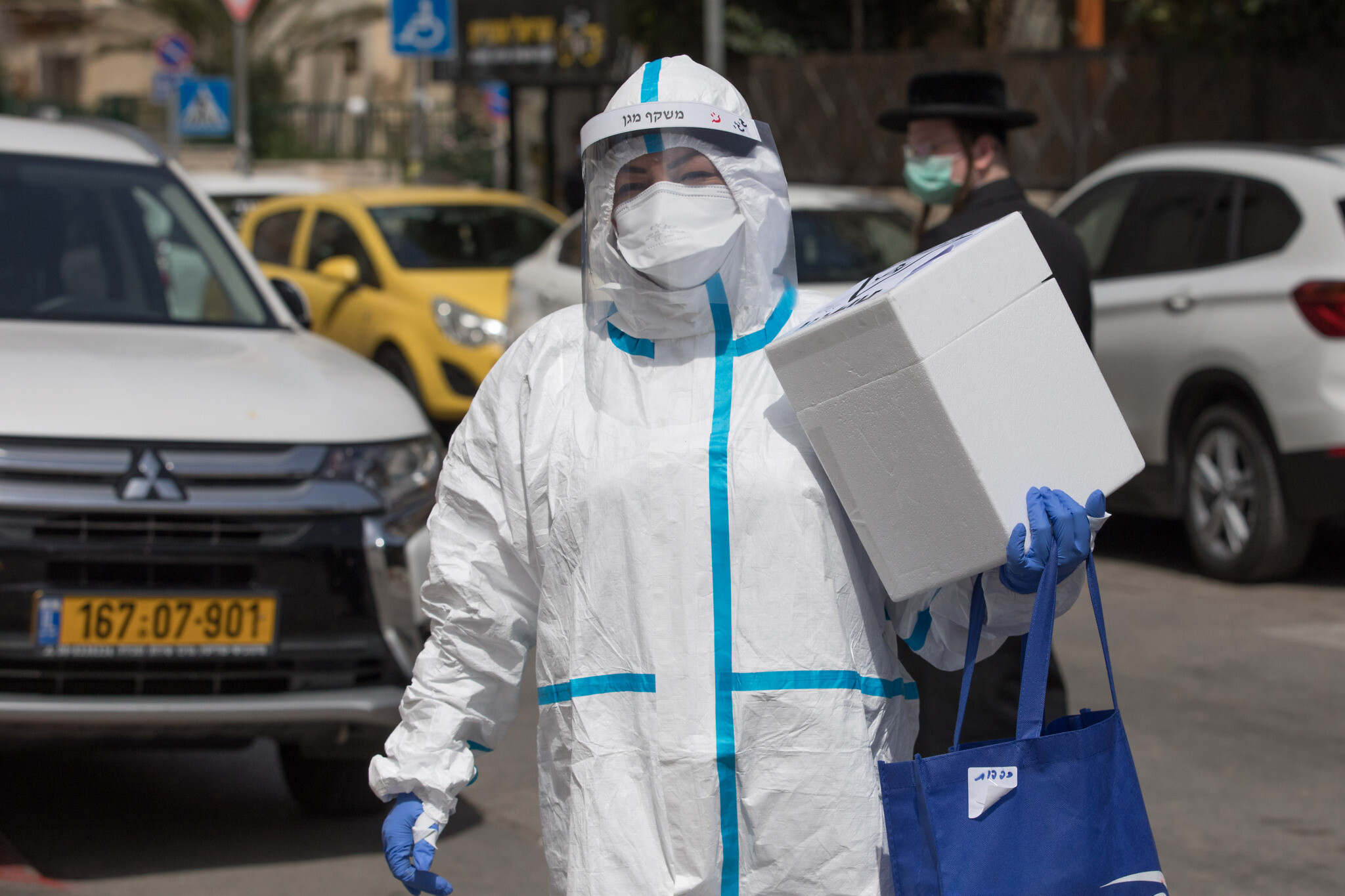
The Health Ministry announced Tuesday that it conducted a record-setting 12,281 coronavirus tests a day earlier, as the number of cases inched toward 14,000.
The ministry confirmed three new fatalities from the virus since Tuesday morning, bringing the death toll to 184. It said 229 new cases were confirmed since Monday night, bringing the total to 13,942, and continuing a trend that has seen the number of new cases fall below new recoveries in almost a week.
One hundred thirty-nine people were in serious condition (a drop of 10 since Monday night), of which 113 are on ventilators. Another 142 people were in moderate condition.
Monday’s testing total broke a record set last Thursday when the Health Ministry said it conducted 11,908 tests. The three days that followed saw numbers between 9,419 and 10,038. Figures from that week have shown a sharp increase from a long period which saw figures fall between 6,000-7,000 tests per day.
Prime Minister Benjamin Netanyahu has set a goal of 30,000 tests a day, but a shortage of a key reagent meant that Israel had struggled to approach 10,000.
Efforts to hit the target also received a further boost last Friday with the Foreign Ministry saying it had signed a deal with Chinese company BGI that will see the firm send lab equipment to Israel by this week’s end, allowing for conducting some 12,000 tests per day.
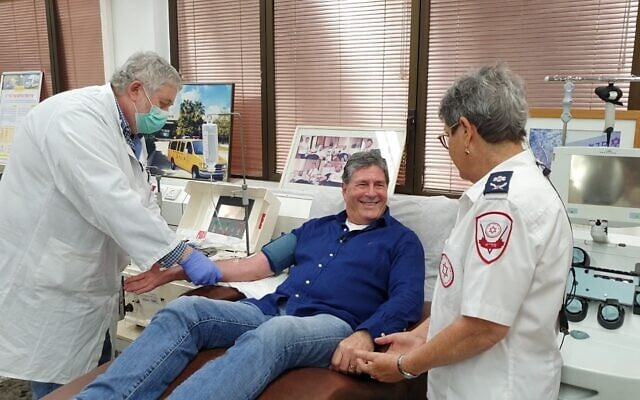
Once established, the BGI equipment will expand the scope to perform as many as 20,000 tests per day, the ministry said, adding that tests will be performed in Israel by Israeli companies selected by the Health Ministry.
Earlier this month, the Health Ministry said Israel signed a NIS 90 million ($25 million) deal with BGI to purchase the special equipment but proceedings had evidently stalled.
The new tests are PCR tests — polymerase chain reaction tests — which directly detect viral nucleic acids. Some tests detect the body’s antibodies to the virus.
BGI’s tests have been used widely in China, and are being distributed to over 50 other countries and regions, the firm said. Results from the tests are available three hours after they are administered.
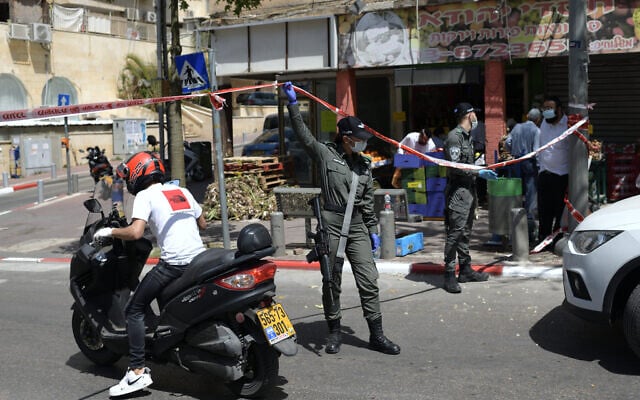
The Health Ministry said that 458 people had recovered from the virus since Monday night, bringing the total to 4,507.
That continues a now five-day trend whereby more people have been recovering from COVID-19 than new coronavirus cases have been confirmed, in a sign that the pandemic is beginning to abate in the country.
The growing number of recoveries, as well as the slowing pace of new infections, has come as Israel began to experiment with rolling back virus restrictions and reopening the economy.
However, officials have warned that restrictions could be put back in place if cases begin to rise again.
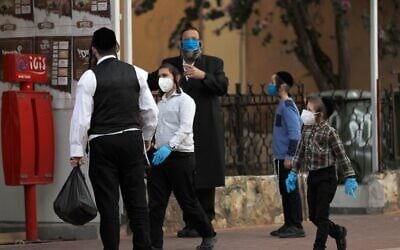
On Monday, lockdowns of the ultra-Orthodox city of Bnei Brak and some two dozen Jerusalem neighborhoods ended. The former continues to have the highest per capita infection rate in the country.
The rollback of the specialized restrictions put both cities under the same rules as the rest of the country, which bar people from venturing more than 100 meters from their homes except to purchase food and supplies or go to work. As of Sunday, they may also go 500 meters from home for exercise or prayer, and 500 meters from their workplace for prayer.
Sports activities are allowed in fixed pairs, or with people from the same household. Outdoor prayer groups of up to 19 people are also allowed, with two meters between worshipers, wearing masks.
Despite the eased rules, ministry officials have urged Israelis to continue maintaining social distancing regulations and not to become complacent.




The Times of Israel Community.