

Virus spread scales down Warsaw Ghetto commemoration events
Polish PM Morawiecki and representatives of Jewish, Polish organizations lay wreaths, but only virtual tours of site where fighters resisted Nazi Germany on offer
 Add ToI as a Preferred Source on Google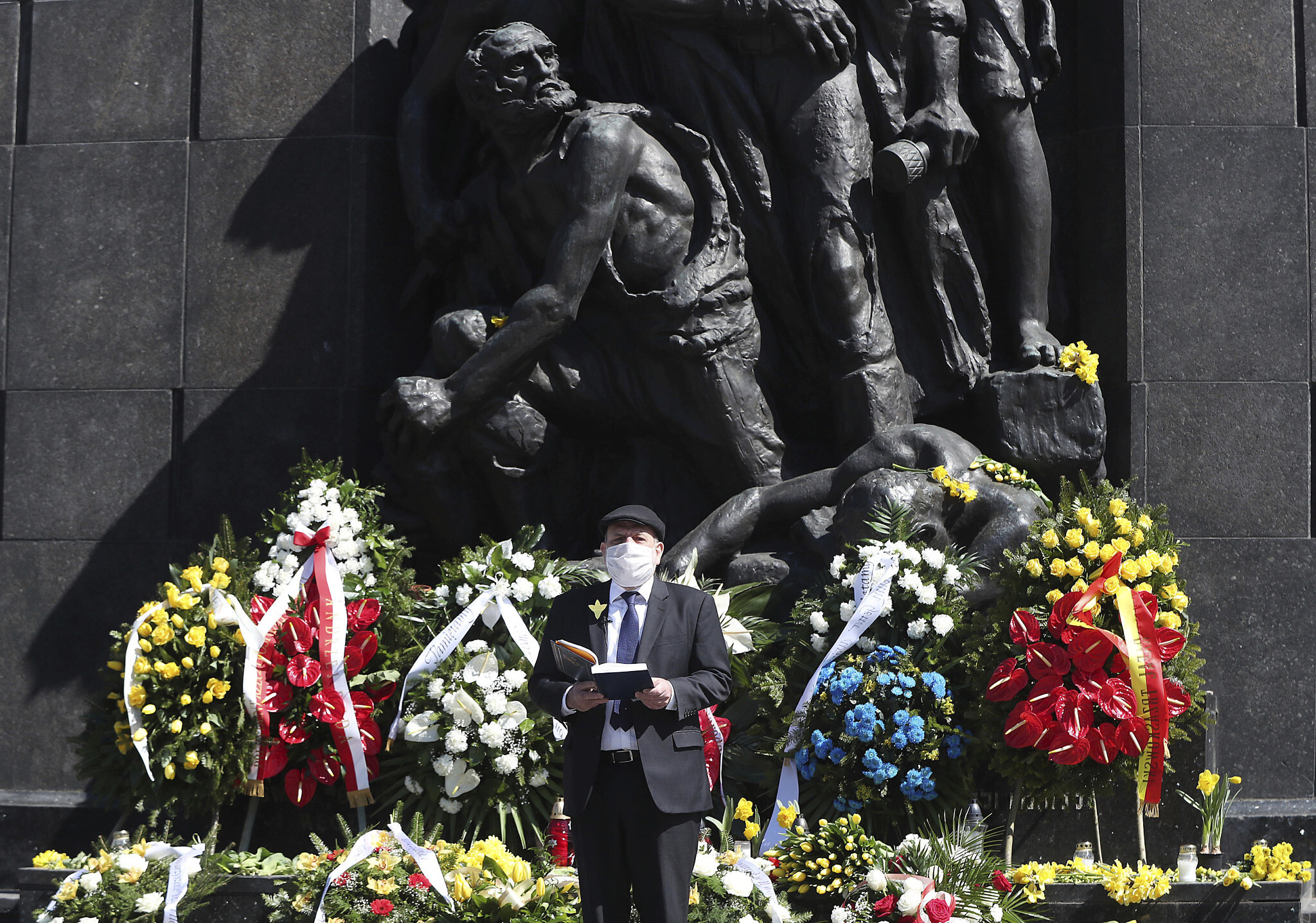
WARSAW, Poland — Sirens wailed and Jewish prayers were said for the heroes of the 1943 Warsaw Ghetto uprising, but the annual memorial observances were scaled down Sunday and moved to the internet because of the coronavirus pandemic and the need for social distancing.
Poland’s chief rabbi, Michael Schudrich, said prayers at the monument to the ghetto fighters in downtown Warsaw.
Prime Minister Mateusz Morawiecki and representatives of Jewish and Polish organizations laid wreaths. They were all wearing face masks and kept themselves at a distance from each other. President Andrzej Duda and Warsaw Mayor Rafal Trzaskowski also sent wreaths.
History lectures and virtual visits to ghetto sites were offered on the internet, mainly by the POLIN Museum of the History of Polish Jews, which faces the monument to the ghetto heroes. Commemorative concerts were to be broadcast on Radio POLIN and on Poland’s state radio.
Museum director Zygmunt Stepinski said that the coronavirus pandemic “has forced us to change the formula” of the commemorations on the 77th anniversary.
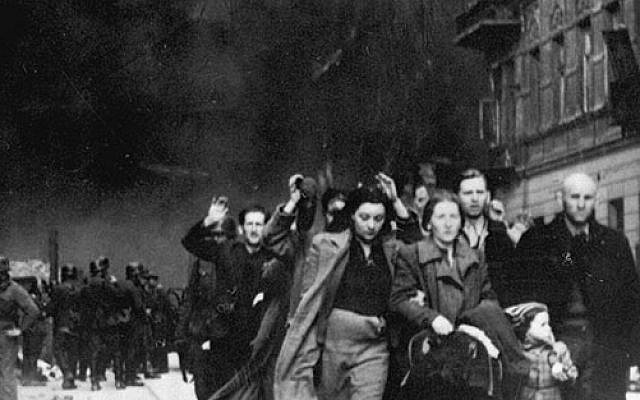
On April 19, 1943, a few hundred poorly armed Jewish fighters put up resistance to the Nazi German army that started to “liquidate” the ghetto, sending the remaining inhabitants to the Treblinka death camp and razing their houses to the ground. The fighters held out almost a month in what was the first city revolt of World War II. They almost all were killed, and the Germans destroyed the ghetto.





The Times of Israel Community.