

Watchdog warns Iran it could soon bust cap on nuke-making material
Diplomats say IAEA officials have told Tehran it needs to slow down uranium enrichment or risk breaching agreement
 Add ToI as a Preferred Source on Google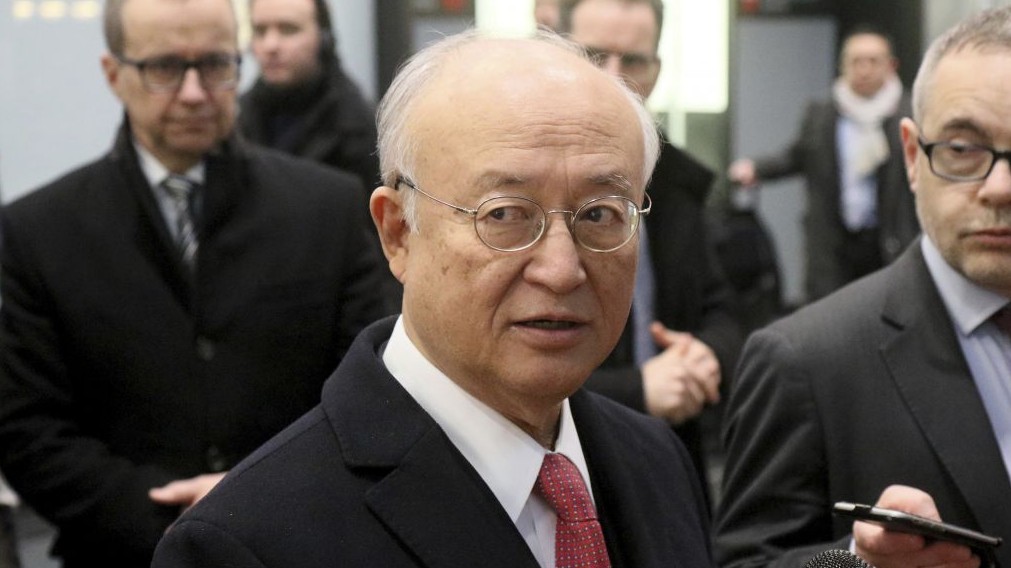
VIENNA — The head of the UN nuclear agency said Monday that Iran is complying with obligations limiting uranium enrichment, but two diplomats say the agency has warned Tehran that unless it slows the process it could soon bust through its cap on material that could be used to make a bomb.
A nuclear deal between Iran and six world powers stipulates that Iran can possess only low-enriched uranium — which is not suitable for weapons — and no more than 300 kilograms (660 pounds) at any time. That’s far less than would be needed to make a nuclear weapon, even if it were further enriched to weapons-grade levels.
But even a slight violation of Iran’s enrichment commitments would be politically volatile at a time when the deal is on shaky ground. The incoming US administration wants the agreement renegotiated, and many American lawmakers oppose it. Iran says it won’t renegotiate the deal, and accuses the United States of reneging on commitments to lift sanctions.
The two senior diplomats, whose main focus is Iran’s nuclear program, spoke only on condition of anonymity because they are not authorized to discuss confidential messages between the UN’s International Atomic Energy Agency and Iran.
Iran insists it is not interested in nuclear arms. Its president, Hassan Rouhani, said after weekend talks with IAEA chief Yukiya Amano that his country would abide by the deal if other nations do as well.
An IAEA statement said Amano “stressed the vital importance of full implementation by Iran of its nuclear-related commitments.” Asked whether he had concerns about Iran’s stockpile of enriched uranium, he told reporters that Tehran is within the limits — “for now.”

While Iran has generally kept its obligations since the deal was implemented in January, it has twice exceeded the limit on stockpiles of heavy water, which cools reactors that produce large amounts of plutonium.
Iran discussed its plans for nuclear-powered ships with Amano on Sunday, saying it would present details within three months, Iranian media reported.
“We discussed the nuclear-powered engines in detail,” said Ali Akbar Salehi, head of Iran’s Atomic Energy Organization, adding that he and Amano talked about the most controversial point — the level of uranium enrichment required for the ships.
“This is not a simple matter that can be decided quickly. We have three months to review it,” he told reporters.
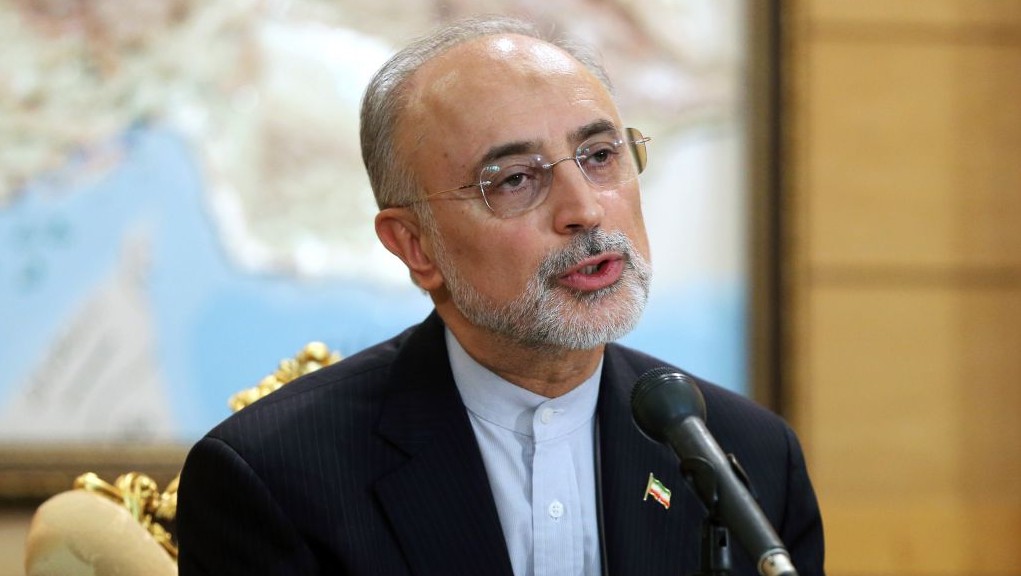
“Normally, the enrichment for such engines is between five percent and 90 percent. It depends on the type of engine and the time and goal we want to reach,” said Salehi.
Rouhani last week announced the plans for nuclear-powered ships in response to news that the United States was renewing sanctions legislation, which he said was a “clear violation” of the nuclear deal.
Under the deal, Iran is only allowed to enrich uranium to 3.67%, but that limit falls away after 15 years.
Tehran says Washington has breached the nuclear accord by renewing the Iran Sanctions Act, even though almost all of its measures remain suspended under the deal.
Over the weekend, Iran formally requested a meeting of the commission that oversees its nuclear deal with world powers to complain about the renewing of sanctions by the United States, state television reported Saturday.








The Times of Israel Community.