

‘Why is America ignoring us on Iran?’
Arab columnists cannot figure out why the Obama administration is willingly going along with Iran’s game of deception
 Add ToI as a Preferred Source on Google
Elhanan Miller is the former Arab affairs reporter for The Times of Israel
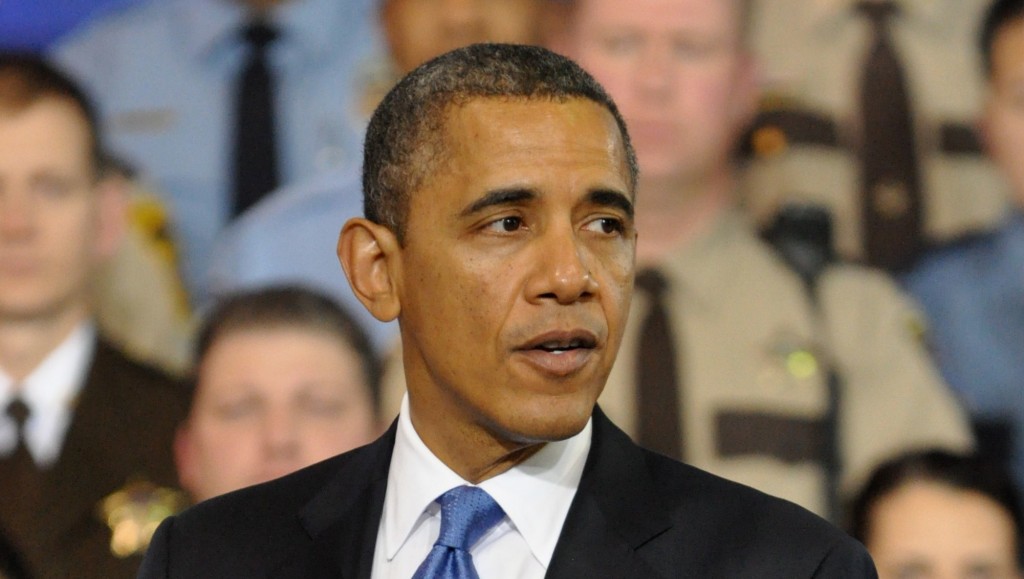
Negotiation between the six superpowers and Iran this week seems to be the issue of prime concern for Arab columnists, and they are voicing their alarm at a possible bad deal with the Islamic republic.
“Someone asked me why Gulf states are worried about the possibility of a reconciliation deal between the US and Iran,” writes Abdul Rahman Rashed in Saudi-owned daily A-Sharq Al-Awsat Friday. “I told him this concern was shared by all and not specific to Gulf states. [I said] the ambiguity is the cause of alarm. This is a common sense; Israel, despite its influence within the United States is worried too, expressing its concern honestly. Among us [Arabs] there are those who don’t speak of their feelings but break into a sweat, like the Syrian regime and Iran,” writes Rashed.
With regards to Syria, Iran will soon voluntarily forgo its backing of the Assad regime, opines Rashed, considering it more of a burden than an asset, or in his words “spoiled merchandise which has passed its expiry date.”
“This is a call for reason and logic in the negotiations [with Iran], but we do not know how the Obama administration thinks or sets its priorities,” concludes Rashed.
Meanwhile, Saudi columnist Abdul Mun’im Mustapha is not embarrassed to admit that Gulf Arabs are particularly concerned by Iran’s nuclear threat.
“The negotiators in Geneva regarding Iran’s nuclear program may know what they want for themselves, but they certainly don’t know what the region wants for itself,” writes Mustapha in an op-ed published in Saudi daily Al-Madina, titled “Nuclear Iran — where are the Arabs?”
Mustapha writes that the US would actually like to see Turkey, Iran and Israel strengthened at the expense of the Arabs.
“There is an American plan for the region which does not include any real role for the Arabs in leading the Middle East or even influencing its future. It seems like the Geneva negotiations … are no exception to this but rather a part of it. Therefor, I do not see Geneva as a conference to curb Tehran but rather to empower it through other means,” writes Mustapha.
The only way for Arabs to confront this challenge, he concludes, is by translating the vision of Arab self reliance “from the realm of wishes to the realm of action.”
Some Arab writers continue to focus on Iran and its seemingly duplicitous negotiation tactics. Writing for London-based daily Al-Hayat, columnist Elias Kharfoush asks the diplomats in Geneva “with which Iran are you negotiating?”
“The Iranian negotiator wants to tell the Westerners: ‘look, we wear Western suits, smile at the cameras, shave our beards, and speak fluent English. We have also appointed a woman as foreign ministry spokeswoman, just as you do. Therefor, there is no more justification to treat us harshly and deprive us of our frozen assets in your banks or boycott our oil exports which serve to counter the pitiful economic situation we suffer from,” writes Kharfoush.
The Iranian motivation for acting hypocritically is clear, concludes Kharfoush, but where is the America interest in playing along with it?
“What motivates the Obama administration and its partners to go along with this game? What pushes them to turn a blind eye to the other, true, face of Iran, ignoring the parts in plays in the region, from Iraq to Lebanon and through the Gulf states?




The Times of Israel Community.