

Netanyahu will have to deal with a strong opposition
The prime minister’s call for a broad coalition may be masking his fear of a front united against his policies
 Add ToI as a Preferred Source on Google
Aaron Kalman is a former writer and breaking news editor for the Times of Israel
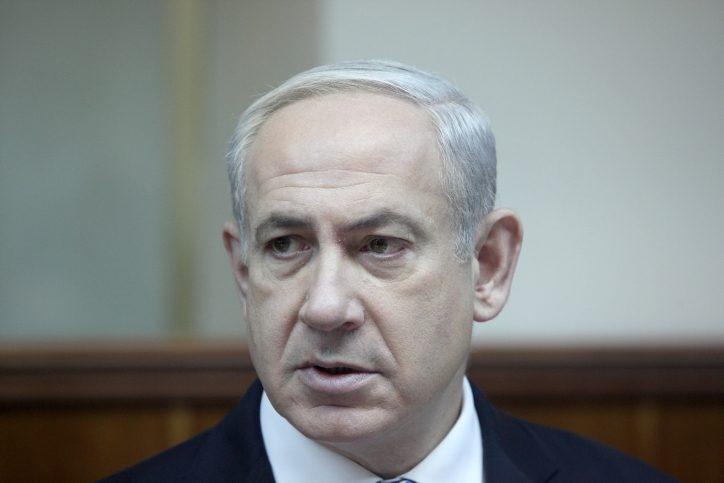
Though he’s talking about the coalition, Prime Minister Benjamin Netanyahu may actually be thinking more about the opposition he’ll be facing than about his future cabinet and ministers.
When Netanyahu was tasked to form Israel’s next government, he promised President Shimon Peres — and the rest of the country — he would strive to create a coalition “as wide and stable as possible.” While these stated plans, and the columns of analysis following them, ostensibly address the coalition, they actually have a large effect on the structure and composition of the opposition; the wider the coalition, the more fragmented and broken the opposition.
It appears the next Knesset will have an opposition somewhat more united than Netanyahu wishes — especially if the ultra-Orthodox are left out of the coalition.
There exists no small right-wing faction that can be left out of the government so as to allow the prime minister to say there are views further to the right than his policies; Otzma Leyisrael didn’t manage to cross the electoral threshold and the ultra-Orthodox nationalist Tekuma faction merged with the Jewish Home, giving that hawkish list 12 seats Netanyahu would like to have on his side.
Such a party on the right would likely have kept the opposition from working together as a whole, since it would never join forces with parties that lack a Jewish identity or call for a Palestinian state.
Those ideologically opposed to the Likud on the left present an opposition more solid than the previous Knesset’s. The three Arab parties maintained their 11 seats. Meretz — the most left-leaning Zionist party — doubled its strength from three to six seats, and Labor party head Shelly Yachimovich said she would prefer serving as head of the opposition to joining the government, reiterating that it was a matter of “opposite paths, not ministries.”
Last week Eli Yishai conceded a likely opposition role for his ultra-Orthodox Shas party, and on Monday morning sources from United Torah Judaism were quoted as understanding that they too would most likely not be part of Netanyahu’s government. In its entire history “the Knesset has never seen a fighting opposition like there will be [this] upcoming term,” the unnamed source told Ynet News, adding there “is much in common between UTJ and Yachimovich.”
Though seen as Netanyahu’s “natural allies,” the ultra-Orthodox parties tend to be closer to Labor on economic issues — supporting social legislation and a more generous allocation of state funds than Netanyahu believes in — and have also been known to back diplomatic policies further to the left than Likud-Beytenu voters usually care for.
Netanyahu’s first government fell apart (in 1999) after his fragmented coalition crumbled, and his second dissolved after a term filled with moves meant to ensure him a solid coalition and nonexistent opposition (like bringing in Ehud Barak and Labor, and the last-minute addition of Kadima to the government the night new elections were to have been announced).
With a potential 50 MKs voting against his every move on a good day, it’s easy to understand why Netanyahu has stressed for the past month his desire to form as large a coalition possible.
As coalition talks enter overtime, Netanyahu might be realizing that his next government — he will most likely form one by March 16 — will force him to deal with an opposition larger, and stronger, than he’d like.




The Times of Israel Community.