

2018 saw 10% boost to Holocaust survivor benefits, Finance Ministry reports
152,000 Israelis recognized as survivors; effort underway to help others determine if they are eligible for recognition and benefits
 Add ToI as a Preferred Source on Google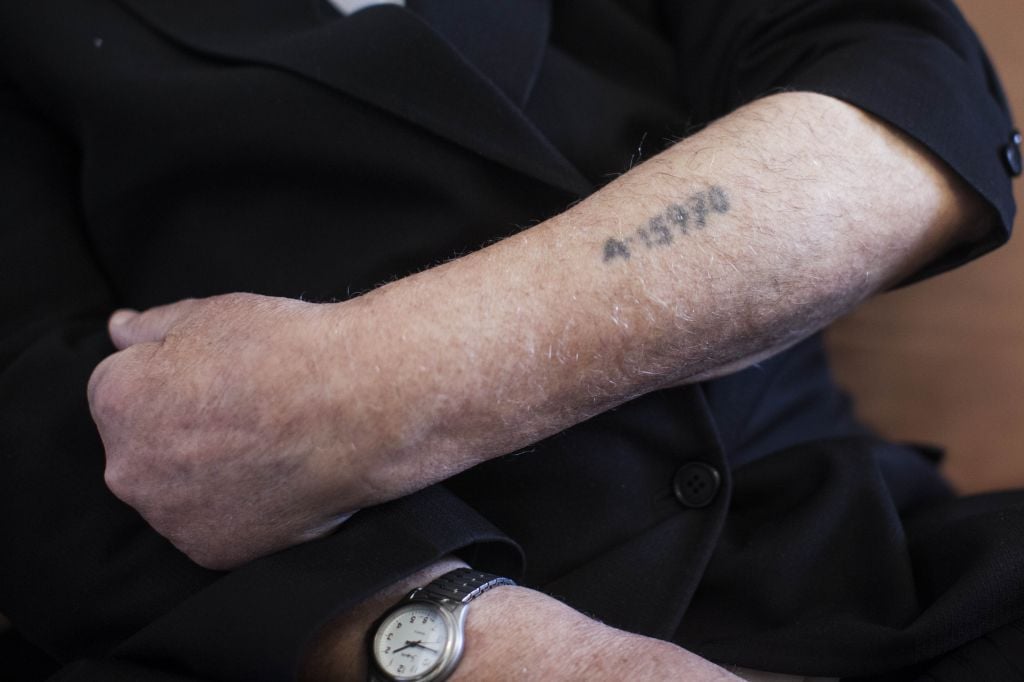
Welfare stipends and other financial benefits given to Israeli Holocaust survivors rose by some 10 percent in 2018, according to Finance Ministry figures released Wednesday, the eve of Israel’s Holocaust Remembrance Day.
Some 152,000 Israelis are recognized by the state as survivors of the Holocaust, from those who were inmates in concentration and death camps to others who fled the Nazi onslaught across Europe during World War II.
According to the annual report of the Authority for the Rights of Holocaust Survivors, a Finance Ministry body that oversees state benefits to survivors, Israel paid some NIS 5.6 billion ($1.6 billion) in 2018 in benefits to some 210,000 Israelis who were recognized as adversely affected by the war, including the 152,000 survivors and an additional 58,000 Jewish refugees from Morocco, Algeria and Iraq who were recognized as having fled anti-Semitic violence in those countries linked to the war.
The amount marks a roughly 10 percent increase in 2018 over the previous year, the agency said Wednesday.
The NIS 566 million ($158 million) added to the 2018 survivor welfare budget went to raise the number of stipends granted to deceased survivors’ still-living spouses (a total outlay of some NIS 205 million, or $57 million); raised quarterly grants to those already receiving German reparations payments (NIS 58 million, $16.2 million); a boost to the annual grant given to low-income survivors (NIS 87 million, $24.3 million); and some NIS 216 million ($60 million) added to the state’s share of nursing care costs.
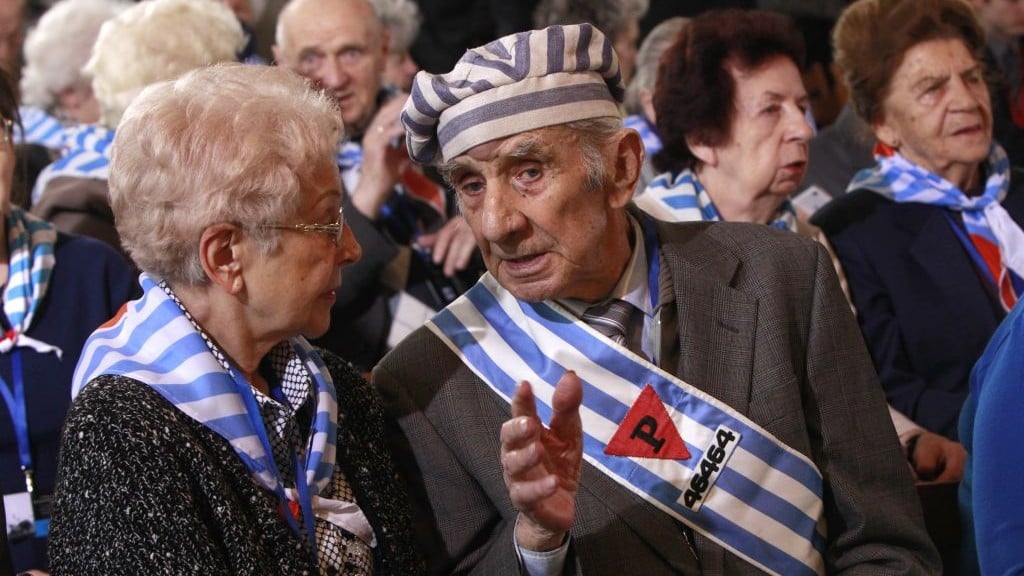
The authority said one key obstacle to aging survivors receiving the benefits to which they are entitled has been bureaucratic; many survivors are unaware the benefits exist or don’t know how to apply for them.
For that reason, officials from the authority have been visiting the homes of elderly immigrants from relevant countries to help them fill out paperwork to determine if they are eligible for benefits.
The result of some 24,000 such home visits, according to the Wednesday report, has been the addition of some 1,900 survivors to the list of monthly stipend recipients (at a cost of some NIS 80 million, or $22.3 million, annually), and some 10,000 survivors to the list of annual grant recipients (NIS 64 million, $18 million). An additional 14,000 saw their disability status — and corresponding stipends — also increased by some NIS 146 million, or $40.7 million, because of these efforts.
“For too many years, the rights of Holocaust survivors existed on paper, but didn’t translate into money in their pockets. We’ve focused on this issue in recent years, and over the past year,” Finance Minister Moshe Kahlon said Wednesday.
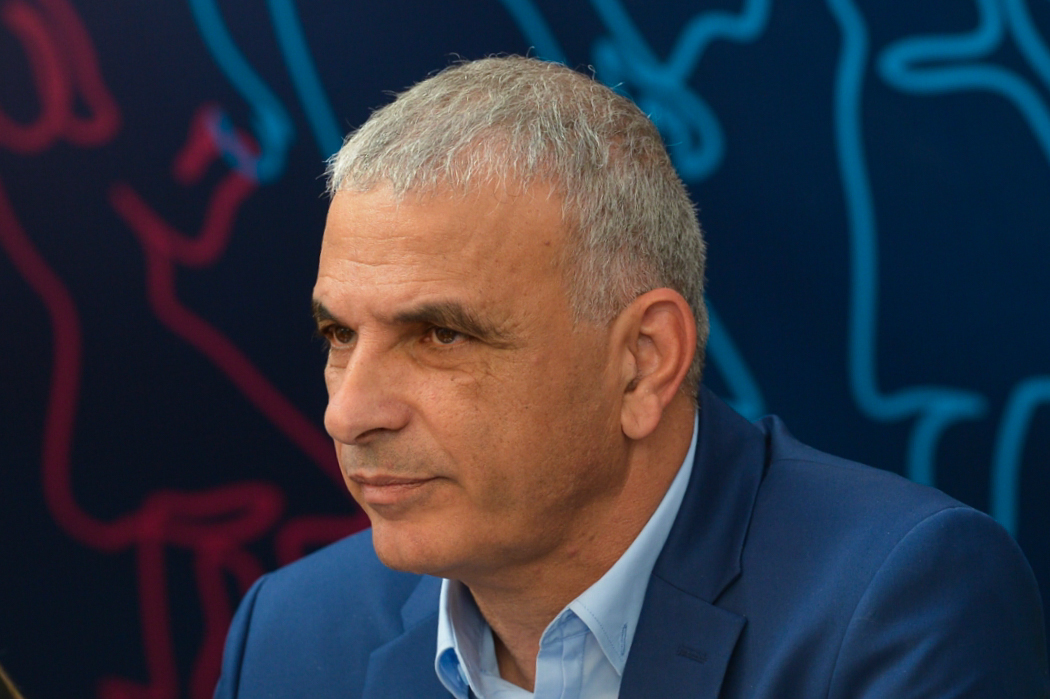
“Our responsibility as a state is to ensure that Holocaust survivors can live with the dignity they deserve, and receive all the benefits to which they are entitled,” he said.
In all, the report said, 62,000 survivors now receive a monthly stipend from the State of Israel, with 18,000 of those receiving extra funds because of financial need. Annual grants are handed out to 75,000 individuals. An additional 13,000 widows and widowers receive a monthly stipend that belonged to a spouse who was recognized as a survivor.
In a press statement, the authority asked survivors and their families who believe they may be eligible for additional benefits to call a special hotline established for the purpose at *5101.









The Times of Israel Community.