

After Sarona attack, open malls to get tougher security
Public Security Ministry pushing to increase safety of public spaces by bolstering on-site guards, introducing patrols
 Add ToI as a Preferred Source on Google
Raoul Wootliff is a former Times of Israel political correspondent and Daily Briefing podcast producer.
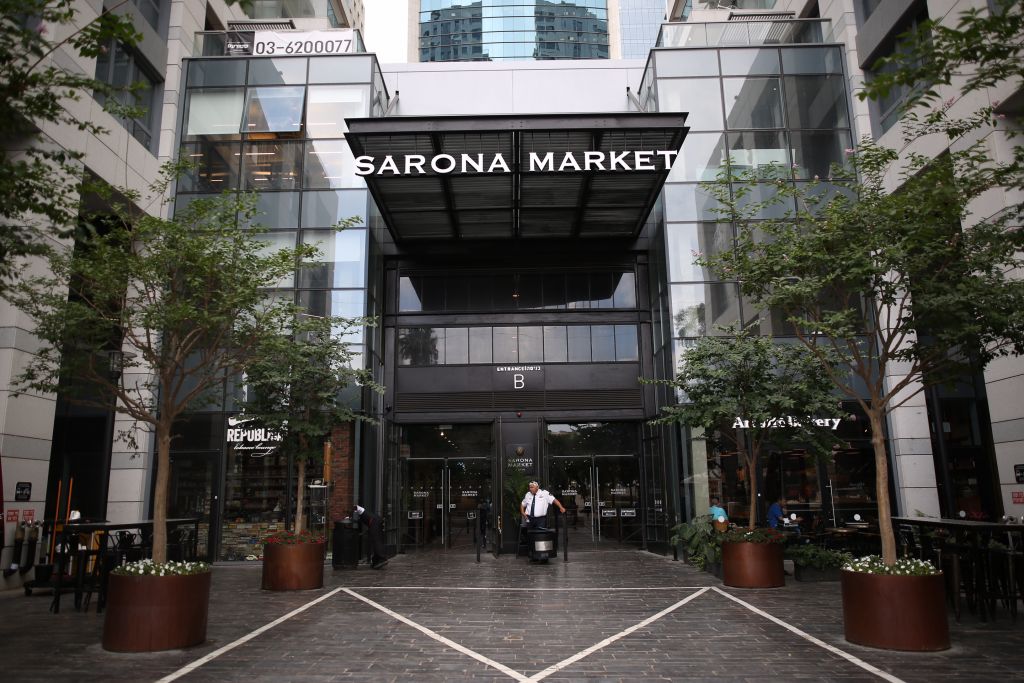
Two months after a deadly terror attack in Tel Aviv’s Sarona Market, the Public Security Ministry is pushing to increase security in open malls and markets such as Sarona by bolstering on site guards and introducing patrols to garrison the public spaces.
On June 8, cousins Muhammad and Khalid Muhamra opened fire in the complex, in the heart of Tel Aviv, killing Ido Ben Ari, Ilana Naveh, Michael Feige and Mila Mishayev, and wounding over a dozen others. They fled the scene but were captured by private security guards and police a short time later.
The attackers were able to enter the Max Brenner restaurant, where they carried out the attack, without passing through any security. They were both carrying concealed improvised sub-machine guns.
The attack was captured by security cameras at the restaurant (Warning: graphic content):
https://www.youtube.com/watch?v=9Omk5ua1Ur8
The investigation carried out by police immediately after the attack found that “security arrangement in open malls, markets and public recreation sites are lacking,” according to the Ynet news site.
Following the initial probe, Public Security Minister Gilad Erdan established a committee to asses the security of such public spaces and present recommendations on how to prevent repeat attacks.
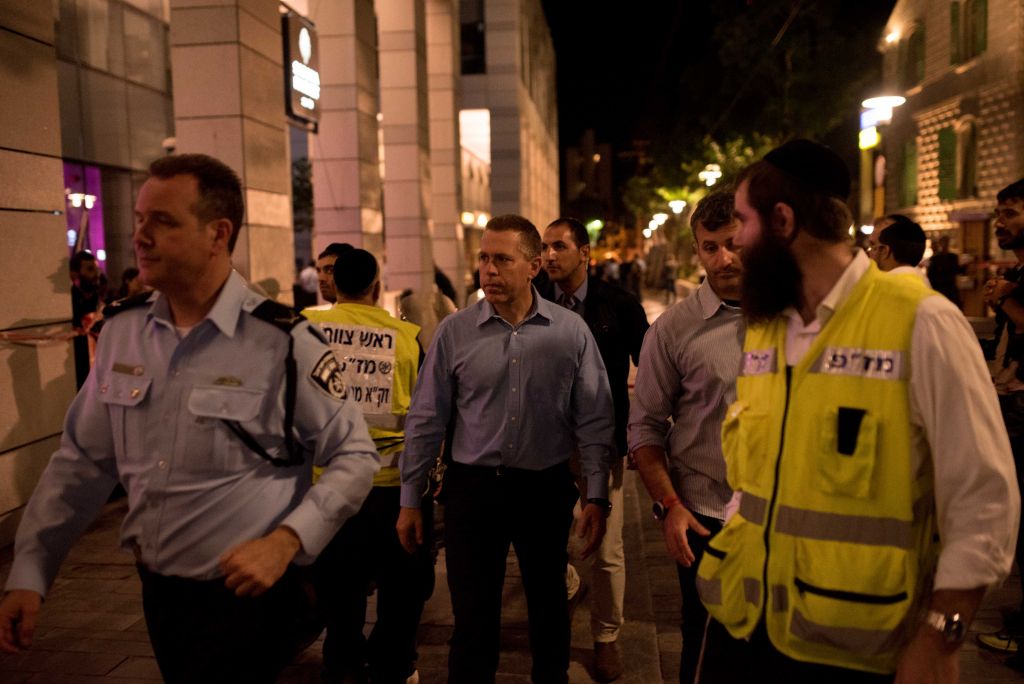
After two months’ work, the committee has recommended a simple but wide-ranging amendment to the Business Permits Law, requiring open-plan and outdoor shopping centers to apply for the same police permits as closed malls, Ynet reported.
The amendment would mean that sites such as Sarona will have to subject to a significantly more detailed security assessment than in the past, and be required to increase the number of on-site security guards. In some cases, the police would be able to insist that security patrols patrol around the site and in its open spaces.
Two months before the attack, Sarona’s management and the Tel Aviv municipality argued against efforts by police to close down the commercial center over fears it was not sufficiently secure. The police had asked the municipality to revoke Sarona’s business license, arguing that lax security put the visiting public at risk.
The popular compound is home to Israel’s largest indoor culinary market. Its 8,700 square meters (93,000 square feet) of market space hosts 91 shops.





The Times of Israel Community.