

Amid economic crisis in the West Bank, Eid al-Adha is more observed than celebrated
Israel’s withholding of PA tax revenues for the past year left public sector employees without salaries ahead of the holiday; merchants say markets are largely empty

 Add ToI as a Preferred Source on Google
Nurit Yohanan is The Times of Israel's Palestinian and Arab world correspondent
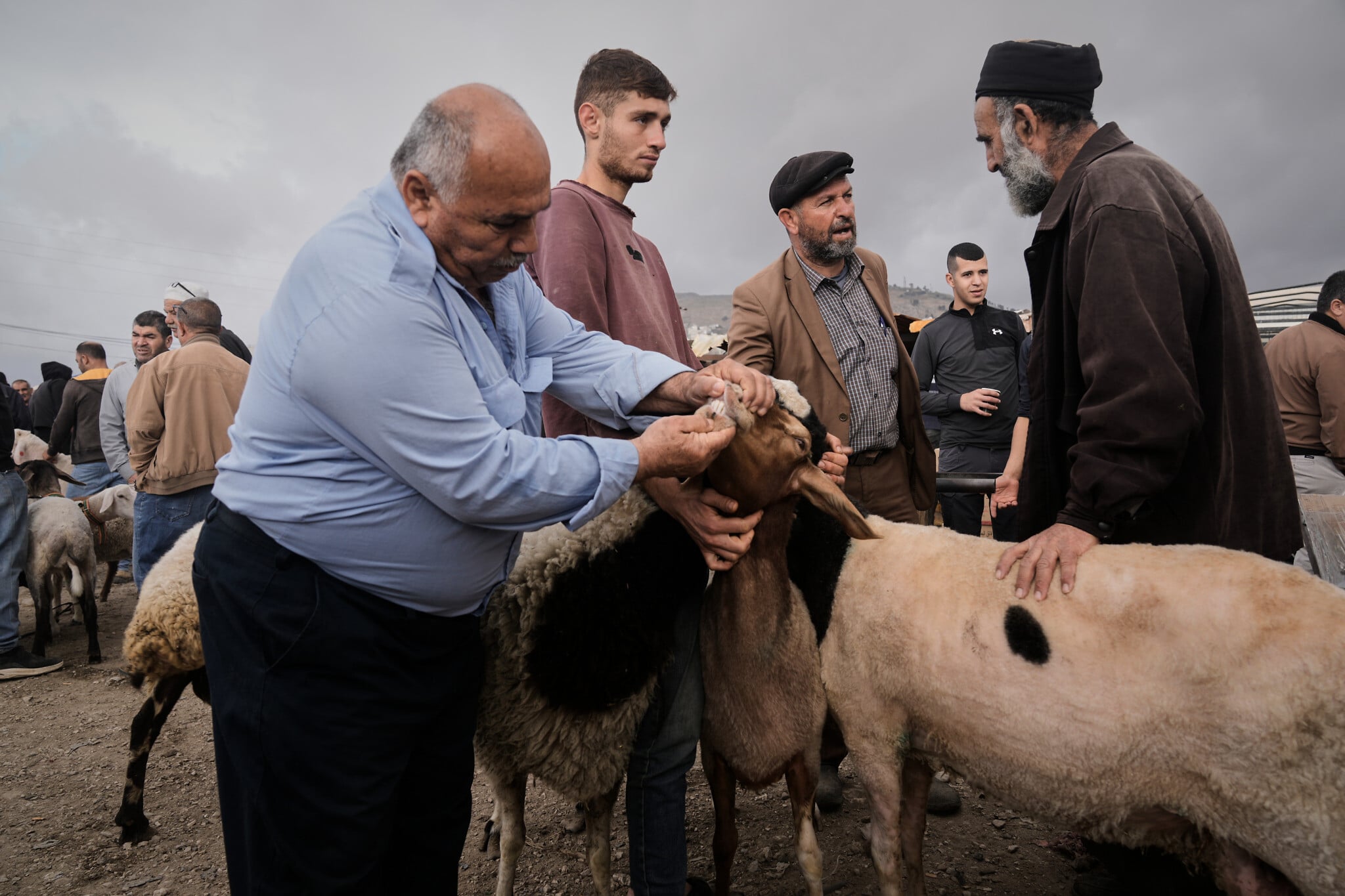
Eid al-Adha is one of the two major holidays in Islam, and, by extension, among Palestinians, 99 percent of whom are Muslim. As such, it is traditionally considered one of the peak consumer periods of the year, with Palestinians typically spending the days beforehand shopping, preparing large family meals and buying gifts for relatives.
This year, however, the holiday — which runs from Wednesday through Saturday — arrived in the midst of a salary crisis that has developed against the backdrop of a broader economic downturn in the West Bank since October 7, 2023.
Immediately after the Hamas-led massacre in southern Israel that triggered the war in Gaza, Israel announced a near-total ban on Palestinian workers entering Israel. Before the war, around 100,000 Palestinians from the West Bank entered Israel each month for work. That number has dropped to around 6,000.
According to the Palestinian Central Bureau of Statistics, the decline erased 84% of Palestinians’ income from work in Israel, compared to 2022. The fall in income also led to a 34% drop in imports of goods and services and a 16% drop in exports, as less money circulated throughout the Palestinian economy overall.
The broader economic losses were compounded over the past year by Finance Minister Bezalel Smotrich’s decision to withhold significant portions of the Palestinian Authority’s clearance revenues — taxes collected by Israel on the PA’s behalf under the Oslo Accords.
Those revenues amount to hundreds of millions of shekels each month and make up roughly 60% of the Palestinian Authority’s budget.
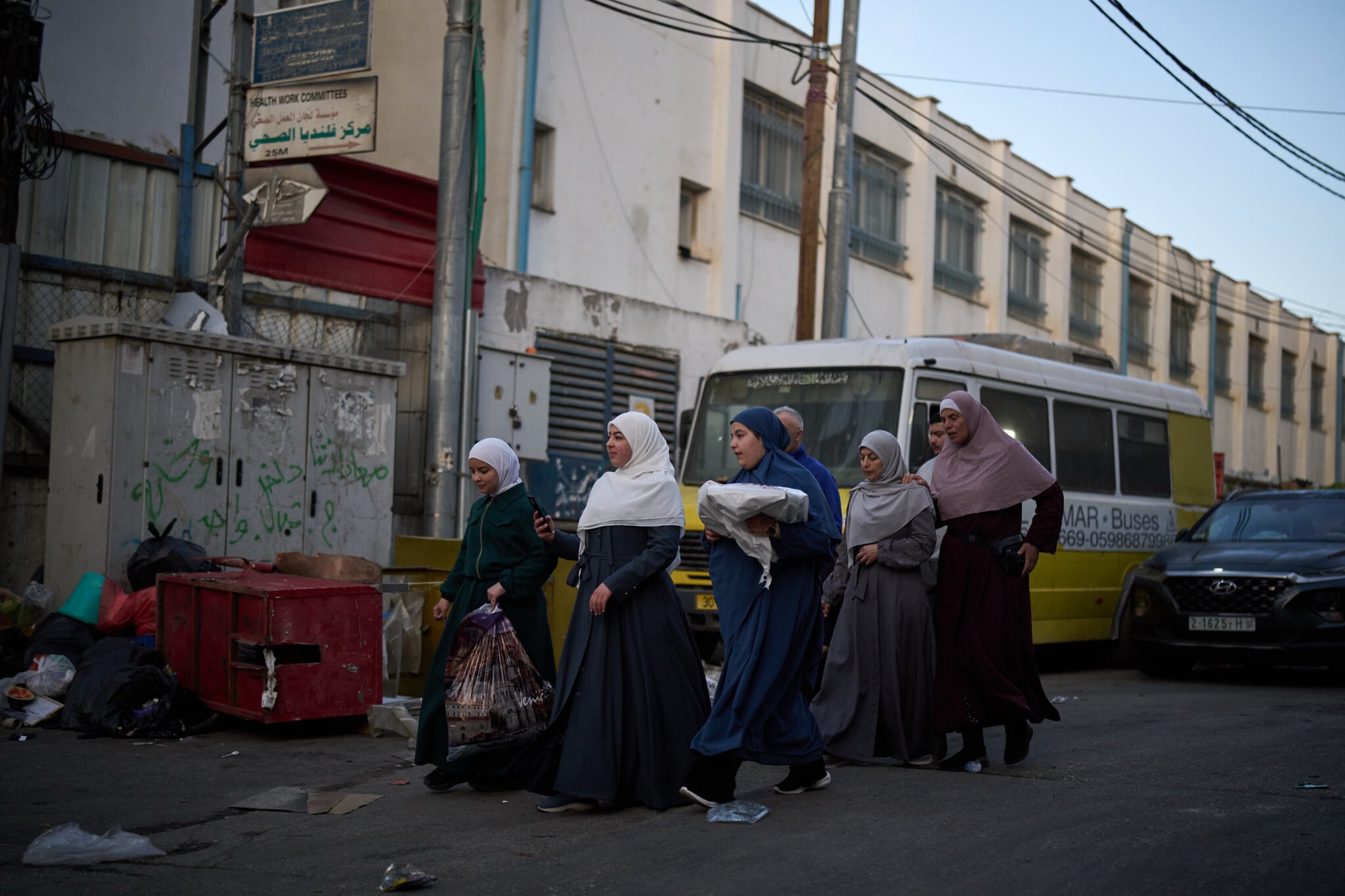
The Palestinian Authority has struggled with budgetary problems for years, amid low economic productivity and longstanding allegations of corruption and waste. Since 2021, it has paid delayed and partial salaries to roughly 100,000 public sector employees in the West Bank, including members of the Palestinian security forces.
Still, a new low was reached in the most recent salary payment: The wages paid in April for the month of January (the PA is routinely months behind) amounted to no more than NIS 2,000 ($700) per employee, despite the fact that some senior officials formally earn salaries of up to NIS 10,000 a month, not including additional benefits.
In recent years, the PA has generally paid its employees either NIS 2,000 or between 50% and 70% of salaries — whichever sum was higher.
On May 21, the Palestinian Finance Ministry promised that the next salaries would be paid during this week, just ahead of the holiday, apparently in an attempt to provide temporary relief to employees. As of this writing, however, no payments had been made.
Merchants interviewed by Palestinian media in recent days said “there is a holiday, but there is no holiday atmosphere” in the West Bank.
One merchant told a Palestinian television channel: “The markets are empty, people are exhausted, there is no buying and no selling. The PA clerks have no money, and there are no outsiders coming into the city to shop.”
Another added: “People are trying to create joy, to achieve a moment of happiness, but the economic situation is severely affecting people’s mental state.”
‘Decline alongside stability’
Dr. Sameh al-Atout, an economics expert at An-Najah National University, told The Times of Israel that, relatively speaking, the city of Nablus and its surrounding area are in better condition than other districts in the West Bank because of the differing economic characteristics of each region.
The areas hardest hit in recent years, he explained, were those that relied most heavily on employment within Israel, such as Jenin and Tulkarem.
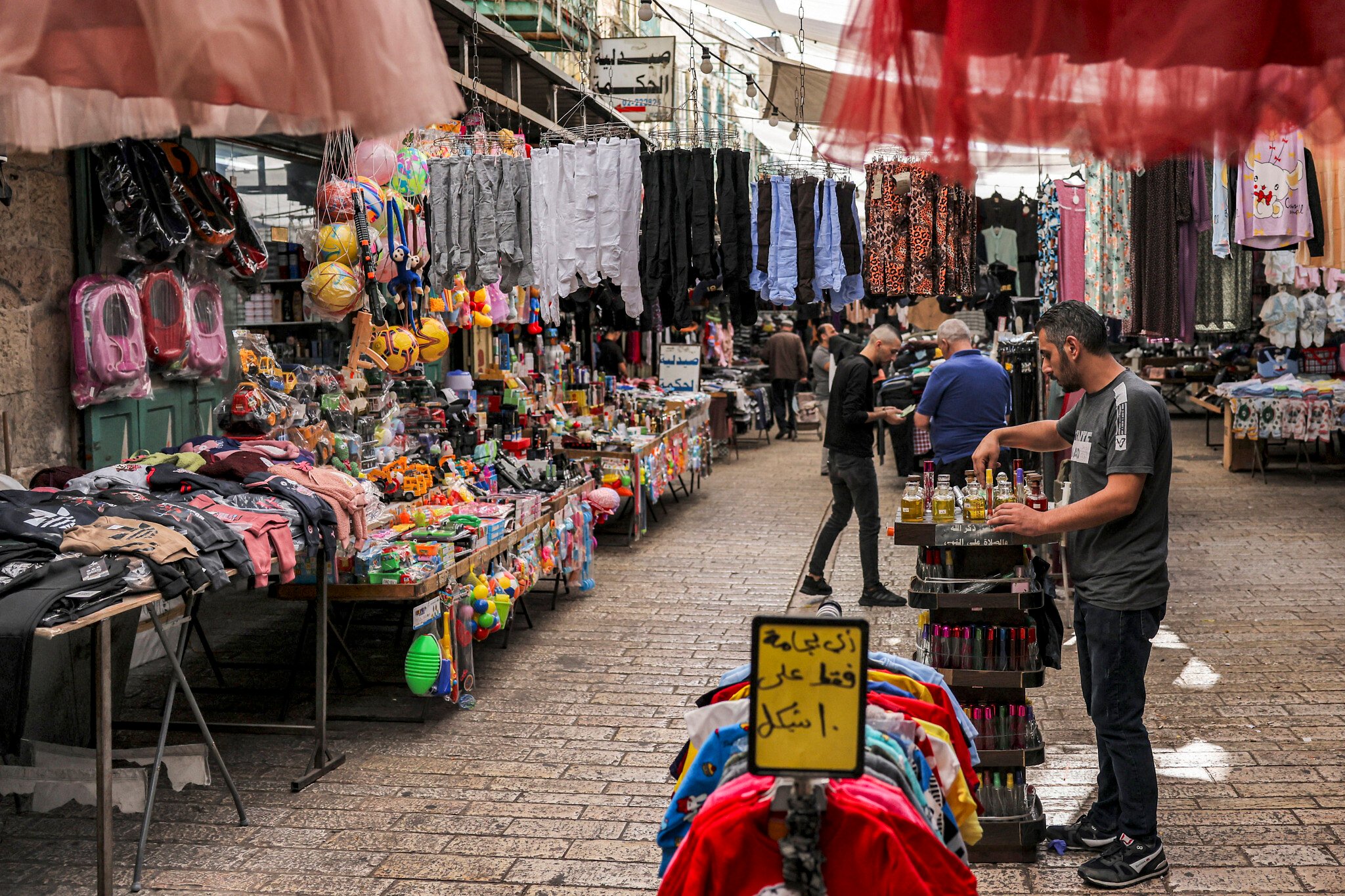
Ramallah, meanwhile, where the PA is headquartered, “has the largest number of Palestinian Authority employees whose income has been affected,” he said.
Nablus, by contrast, still benefits from visits by Arab Israelis. “They come frequently, not only to buy and sell food and other goods, but also for financial investments such as purchasing apartments,” al-Atout said.
Al-Atout presented economic figures showing a major decline in the West Bank economy over the past five years, including a drop in GDP per capita from $3,000 to $2,100 in 2025.
Alongside such figures, however, he pointed to indicators suggesting a degree of economic stability.
Deposits in the Palestinian banking sector in the West Bank, for example, rose over the past five years from NIS 16 billion to NIS 22 billion.
“In other words, people are still earning money overall, and as a result the banking sector is continuing to grow, relatively,” he said. “That is a good number, one that indicates stability.”
One source of that stability is the private sector, which depends heavily on imports and exports, primarily with Israel. Trade volumes between Israel and the West Bank recovered after falling at the beginning of the Gaza war in late 2023, or in some sectors barely changed at all.
According to data from Israel’s Central Bureau of Statistics, imports from Israel accounted for roughly 55% to 60% of total imports to the West Bank over the past two years — a proportion largely unchanged compared to the period before the war.
In addition, Israeli exports to the West Bank, which fell by around 30% at the end of 2023 following the Hamas-led invasion and massacre, partially recovered within about six months. By the second half of 2024, export volumes were only 15% lower than before the war.
In practice, the relatively stable economic relationship between Israel and the West Bank in terms of imports and exports has largely been maintained.

Financial frictions with Israel
The Palestinian Authority’s finances have become particularly strained given Israel’s yearlong withholding of clearance revenues.
Israel had already reduced the transfers in recent years, because of the PA’s policy of making payments to security prisoners convicted of terror offenses and its payments to officials in Gaza who worked under the PA before Hamas seized control of the Strip in 2007.
In an April letter officially announcing the continued total freeze, Finance Minister Bezalel Smotrich said the money “has been frozen… in light of [the PA’s] actions against the State of Israel in the international arena and its support for encouraging terrorism.”
PA Prime Minister Mohammad Mustafa described the situation during a press conference in late April. “We are living without tax revenues, in an attempt [by Israel] to destroy the institutions of the State of Palestine. All residents are suffering, especially Palestinian Authority employees,” he said.
Al-Atout added that the Palestinian Authority now owes its employees a total of NIS 7 billion (almost $2.5 billion) in accumulated backpay.
The ongoing financial crisis, he said, prevented the PA from paying salaries ahead of the holiday as promised.
It also appears to have caused the PA to break another promise.

Over the past two weeks, former Palestinian prisoners, wounded Palestinians and families of those killed in the conflict with Israel have staged protests demanding payments and salaries.
In February 2025, Palestinian Authority President Mahmoud Abbas issued a presidential decree canceling a 2004 law that mandated salary payments to wounded Palestinians, families of those killed, and prisoners, including those convicted of carrying out terror attacks against Israel that killed civilians — payments denounced by Israel as “pay-to-slay.” Some 1,600 former prisoners stopped receiving salaries in May last year, out of several thousand beneficiaries overall.
Claims have recently emerged in Palestinian society that additional beneficiaries have also stopped receiving salaries as part of the PA’s reform, under which responsibility for the payments was transferred to an external body meant to distribute stipends based on economic need. The PA has not commented.
At the same time, the US State Department informed Congress at the end of April that the PA has not, in fact, ceased making payments to the families of security prisoners and slain terrorists, despite reforming and ostensibly ending its system of cash transfers awarded in accordance with the length of time served behind Israeli bars.
Contradictorily, two weeks ago, a Ramallah court ordered the PA to resume stipend payments to the family of a man held since 2024 in an Israeli prison for reasons not made public.
Earlier this month, several dozen protesters demonstrated outside PA headquarters, demanding that the canceled payments be restored.
Maher Hdaideh, one of the protest leaders, announced on May 20 that the strike had been suspended after the Palestinian Interior Ministry promised that every wounded Palestinian and every family of a prisoner or person killed in the conflict would receive a one-time grant of NIS 1,500 before Eid al-Adha. Again, the PA did not comment, and payments were not made.
On Monday, a small number of protesters returned to demonstrate outside the PA government building.
Sheep thefts
Eid al-Adha, in Arabic the “Festival of Sacrifice,” commemorates the Quranic account of Ibrahim’s willingness to sacrifice his son Ismail — the parallel to the biblical story of the Binding of Isaac — before God sends a sheep to be sacrificed instead.
As a result, one of the central traditions of the holiday is the slaughter of a sheep or cow and the distribution of the meat among family members.
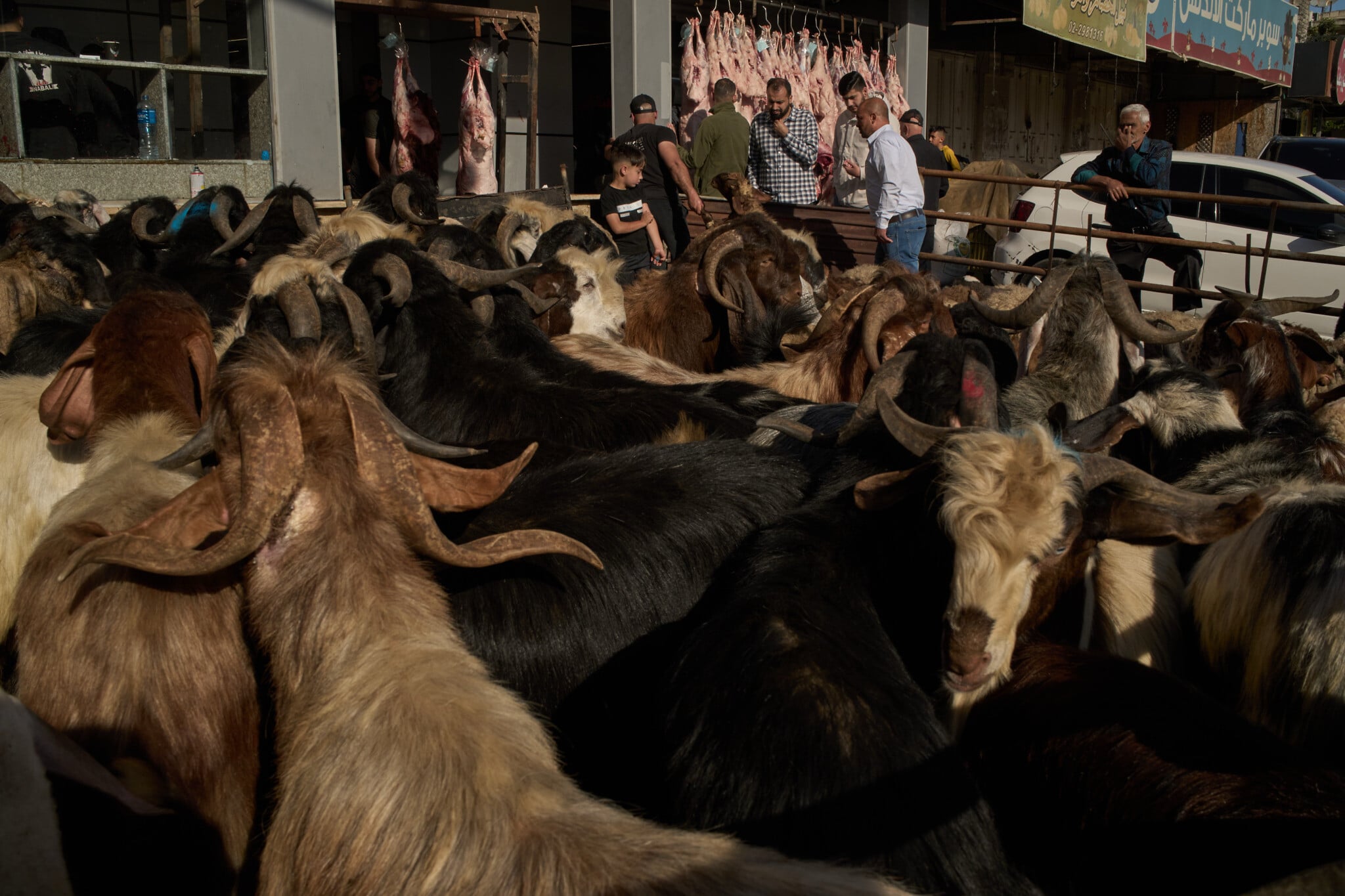
The custom traditionally marks the peak sales season for livestock breeders and traders across the West Bank.
Mohammad al-Lib, a livestock trader from the Hebron area, told Al Jazeera channel on Saturday, “I used to sell just under 50 animals every Eid al-Adha. This year I haven’t even sold five.” He cited the economic crisis, which has left many Palestinians unable to afford meat.
Some herders say they are facing another growing problem: sheep thefts allegedly carried out by settlers.
Most livestock breeders in the West Bank live in Area C — the 61% of the territory fully controlled by Israel — particularly in the South Hebron Hills and the Jordan Valley, where there are open grazing areas for sheep and cattle. Those regions are also among the areas most exposed to settler violence, including thefts.
On May 21, for instance, masked individuals identified in Palestinian reports as settlers were filmed allegedly stealing around 45 sheep from the pen of Ali Abu Ali in Khirbet Hirbet al-Nabi in the South Hebron Hills.
Aqef Ashtiyeh, a sheep breeder in the northern Jordan Valley, told Al Jazeera that he has been forced to keep his flock inside enclosed areas. “The settlers take sheep and confiscate equipment related to grazing and feeding,” he said. “Now we are raising them inside tin shacks.”

Despite the worsening economic situation, al-Atout predicted that the PA would not collapse financially altogether, arguing that such a collapse would trigger a deterioration in regional security and therefore run contrary to the interests of neighboring states, notably including Israel.
Even when PA’s finances hit low points, donor money periodically arrives to ease the crises, he said, apparently referring to EU and regional financial support.
“When people ask me about the economic situation in the West Bank, I answer like this: It cannot improve dramatically, but it also cannot deteriorate dramatically,” al-Atout summarized. “I have been saying for 15 years that the Israeli side may be interested in a sharp economic decline, but not in total economic collapse.”









The Times of Israel Community.