

An endless hurricane: Study probes mental toll as medical staff battle COVID-19
ToI speaks with doctors on the frontlines who, after witnessing unprecedented horrors, must isolate from families. Duke University researchers seek to ease their unavoidable trauma
 Add ToI as a Preferred Source on Google
Reporter at The Times of Israel
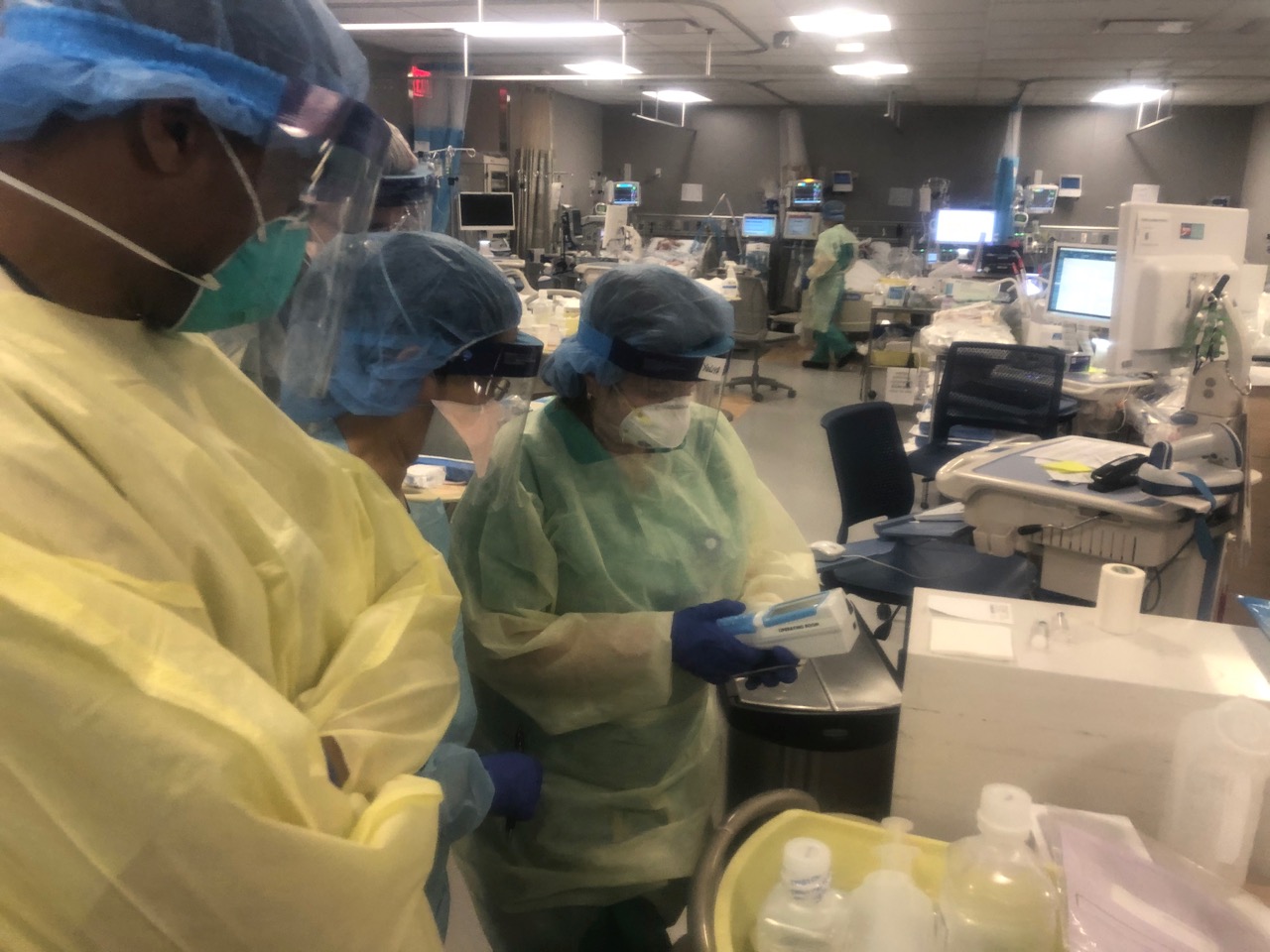
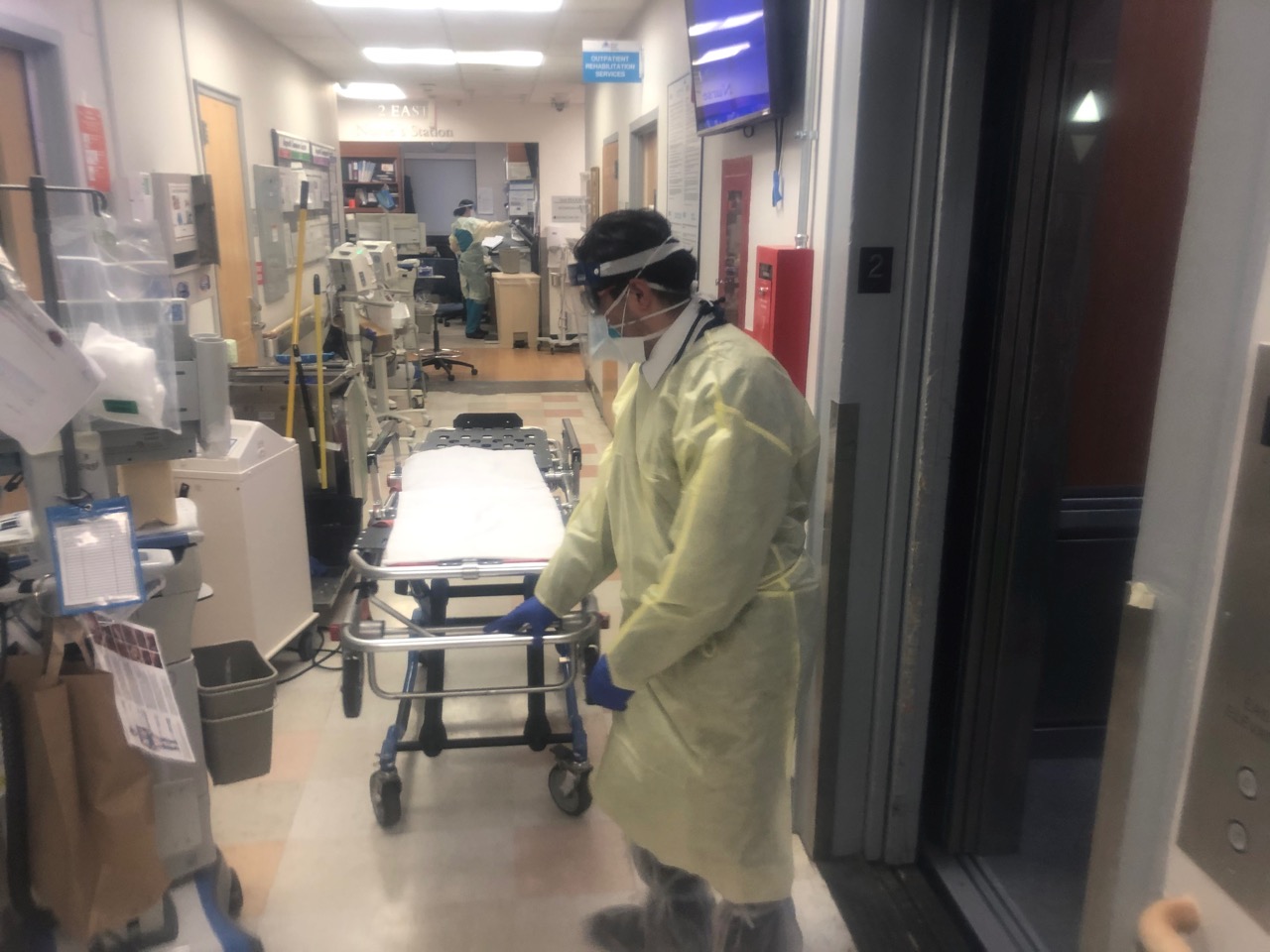
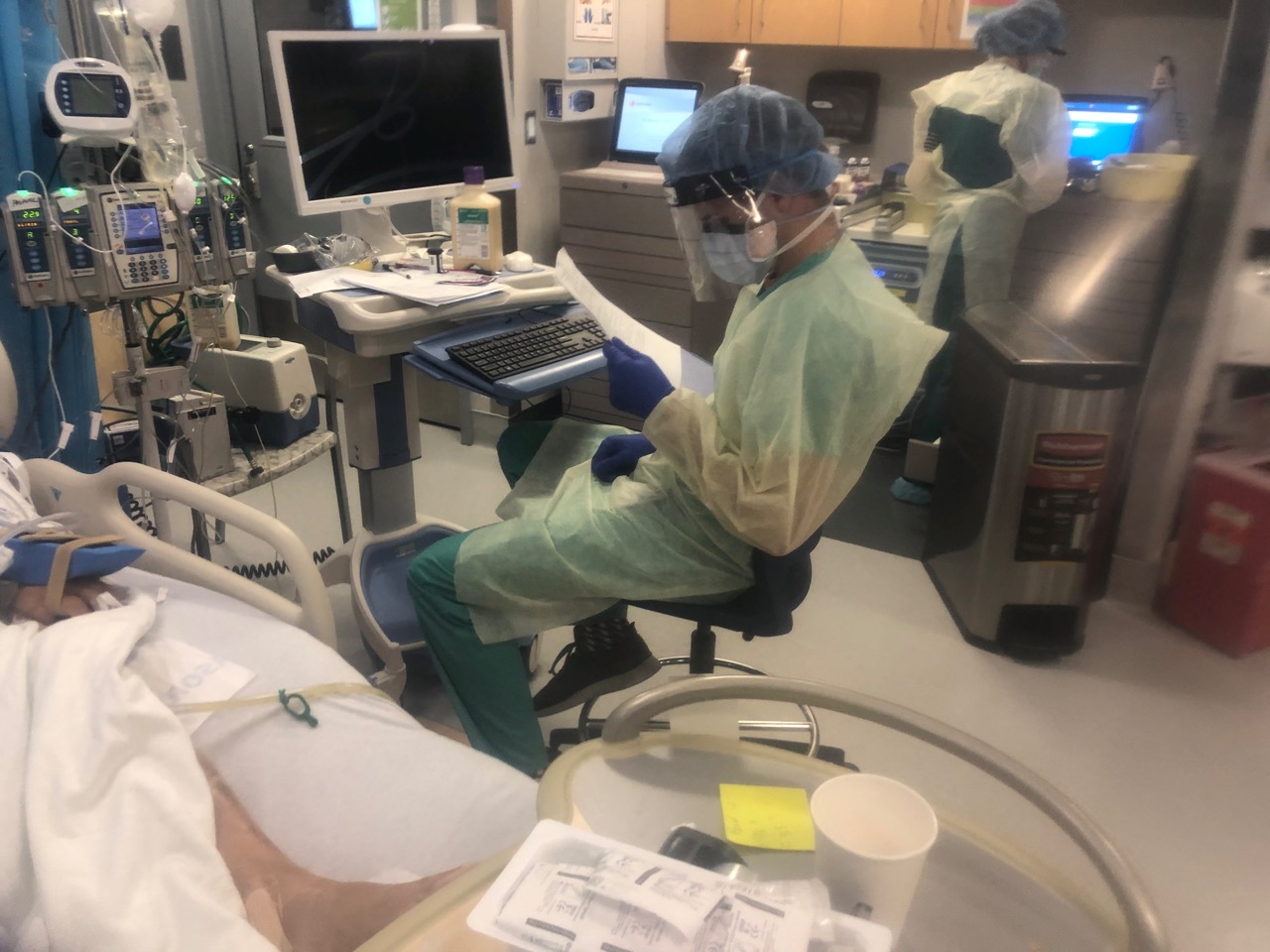
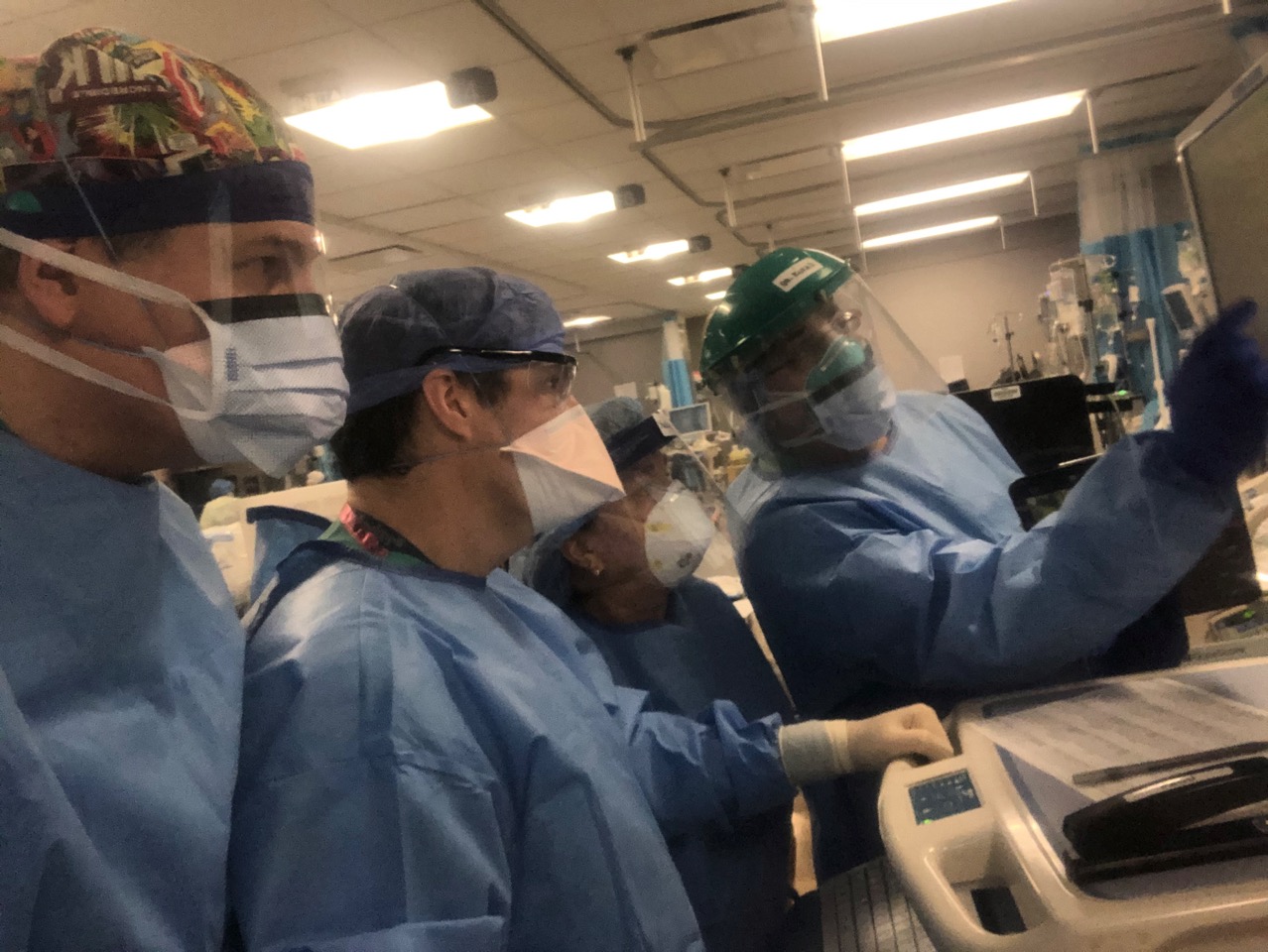
NEW YORK — Sometime during his 12-hour shift Dr. Ram Roth will stand at an intubated patient’s bedside, take out his PPE-wrapped phone and dial. Although the ventilator and heavy sedation have rendered the patient mute, Roth knows it’s essential for family members to see their loved one and whisper words of encouragement.
He’ll do that again and again, making sure each family on the outside has a chance to connect with their loved one on the inside.
“The patients are all alone and that adds another complicated layer to what we’re doing; not just for me but for everyone treating coronavirus patients,” said Roth, a Jewish anesthesiologist at Mount Sinai Queens hospital.
Roth, who now works primarily in the intensive care units, is one of the thousands of front-line healthcare workers treating patients hospitalized with COVID-19. It’s a job that requires performing in a constant state of high alert each and every shift. It means watching patients die solitary and, at times, excruciating deaths, and worrying about becoming infected and possibly infecting one’s own family. It also could mean living apart from one’s family to keep them safe.
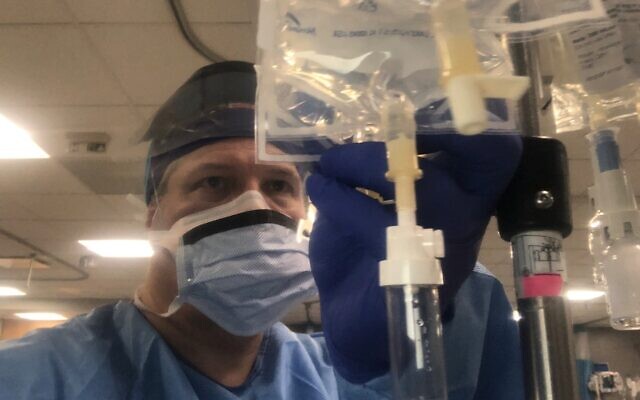
Each of these issues alone would be enough to add to the already significant stress. But not a single healthcare worker has the luxury of worrying about just one issue.
“It does weigh,” Roth said, speaking with The Times of Israel while on break during a shift. “This is an ongoing situation with no end in sight. A hurricane comes in and leaves and then you can deal with the consequences. But this — this has no clear end.”
A hurricane comes in and leaves and then you can deal with the consequences. But this — this has no clear end
But for when it does eventually end, researchers from the Duke Clinical Research Institute want to know how treating COVID-19 patients impacted the physical and mental health of front-line healthcare workers such as Roth. Last week they launched the Healthcare Worker Exposure Response & Outcomes, or HERO Research Program. The national registry is the first-ever study to identify and enroll those working on the pandemic’s front line.

“We want to help articulate the problems they’re facing and help facilitate strategies to improve their health and well being,” said Dr. Adrian Hernandez, HERO’s principal investigator and vice dean for clinical research at Duke University School of Medicine in North Carolina. “It’s impacting them emotionally, mentally, physically and socially. It’s affecting them personally, and their families too. We need to understand all that.”
So far about 7,000 healthcare workers from all 50 states have registered. Healthcare workers taking part in HERO will also be enrolled in studies where they will have first access to drugs that could protect them from the coronavirus.
“Working in a sustained high-stress environment means a constant release of cortisol and ephedrine, the fight or flight hormones,” said Dr. Michael Grosso, chief medical officer at Huntington Hospital, part of Northwell Health system. “When that happens your pupils dilate, your heart rate increases; all the things you need to run away from a saber-toothed tiger. But sustained exposure to this carries risks.”
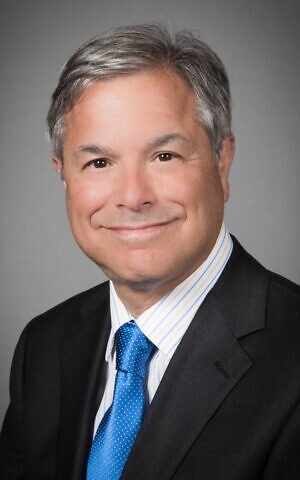
Those risks include cardiovascular complications, increased risk of ischemic heart disease, anxiety, depression and an increased or exacerbated risk for substance abuse, said Grosso, who is a pediatrician.
Working in heightened state of vigilance can also interfere with sleep.
“We know sleep is critical to staying healthy, but the adrenaline for those working on COVID units is going at a fantastic rate all day and so then, even if someone is exhausted, they can’t sleep. Or, they have nightmares about what they saw during the day,” said Dr. Sharon Slater, a clinical psychologist specializing in psychotrauma and crisis relief.
Slater, who lives and practices in Israel, is part of a group of experienced mental health professionals who are volunteering their time to provide emotional support to American healthcare workers. The telehealth program consists of two to three sessions where healthcare workers can learn specific techniques about stress management.
Of course it’s not only what the healthcare workers face at work — people dying around them while simultaneously keeping their own fears in check — it’s having to deal with stress outside of work; lockdown affects their own families.
In Roth’s case being a front-line healthcare worker means he and his wife, who is also a physician, now live in a neighbor’s apartment across the hall from their two youngest children, who are 13 and 16. Roth’s sister-in-law came and moved in with the kids to help. Their two older children, 23 and 26, are living elsewhere.

On Passover, Roth and his wife set up table in the hallway just outside the door to their own apartment so they could share a socially distant Seder with their kids. They now eat dinner in the same manner most nights.
“We chat and wave to our kids from a distance and we wear our masks,” he said.
When Roth goes home after a shift he wants to unwind. But sometimes it’s hard.
“We have many reasons for lack of sleep — thinking about camp, will there be camp for them? Will we get the illness or give the illness to our parents?” he said, adding that overall he and his wife feel “extremely fortunate to be healthy and all together — even though socially distant.”
That uncertainty is one of the biggest sources of anxiety for people, healthcare workers included.
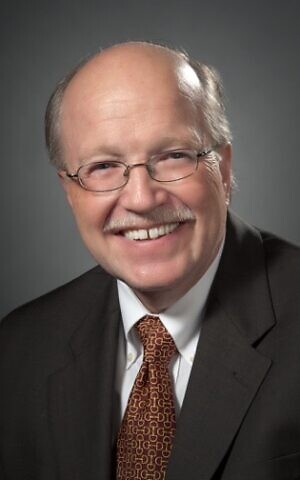
“The virus is like a body snatcher, it’s like a bogey man. No know when it’s coming,” said Curtis Reisinger, PhD, director of Northwell Health’s employee assistance program.
Aside from the uncertainty of living through a pandemic, many healthcare workers feel helpless knowing their patients are alone in the hospital.
“You can’t invite relatives in to hold someone’s hand, to give a last kiss or say a last word,” Reisinger said. “That leaves the burden on the healthcare worker and they can get vicarious trauma from this sort of thing. Working in a situation like this can bring up past traumas, and we have to watch for that.”
That’s the kind of thing the HERO study hopes to understand.
The virus is like a body snatcher, it’s like a bogey man
Meanwhile, as data is collected, healthcare workers should know there are ways to mitigate the stress, Reisinger said.
Hospitals across the country, including Northwell Hospital and Mount Sinai Queens, are offering mindfulness training, as well as Zoom calls with psychiatrists and chaplains. Within hospitals there are also daily and weekly check-ins between residents and attending physicians.
“We’re all overwhelmed now and we have to be mindful there are things we can’t control and just control what we can,” Roth said. “I truly believe we are all united in giving our best and I am proud of my institution.”








The Times of Israel Community.