

Ancient pottery’s ‘magnetic memory’ could help expose modern forgeries, researchers find
Israeli-led team develops new authentication technique based on magnetic signals acquired by clay over thousands of years
 Add ToI as a Preferred Source on Google
Zev Stub is the Times of Israel's reporter on diaspora affairs and Israeli real estate.
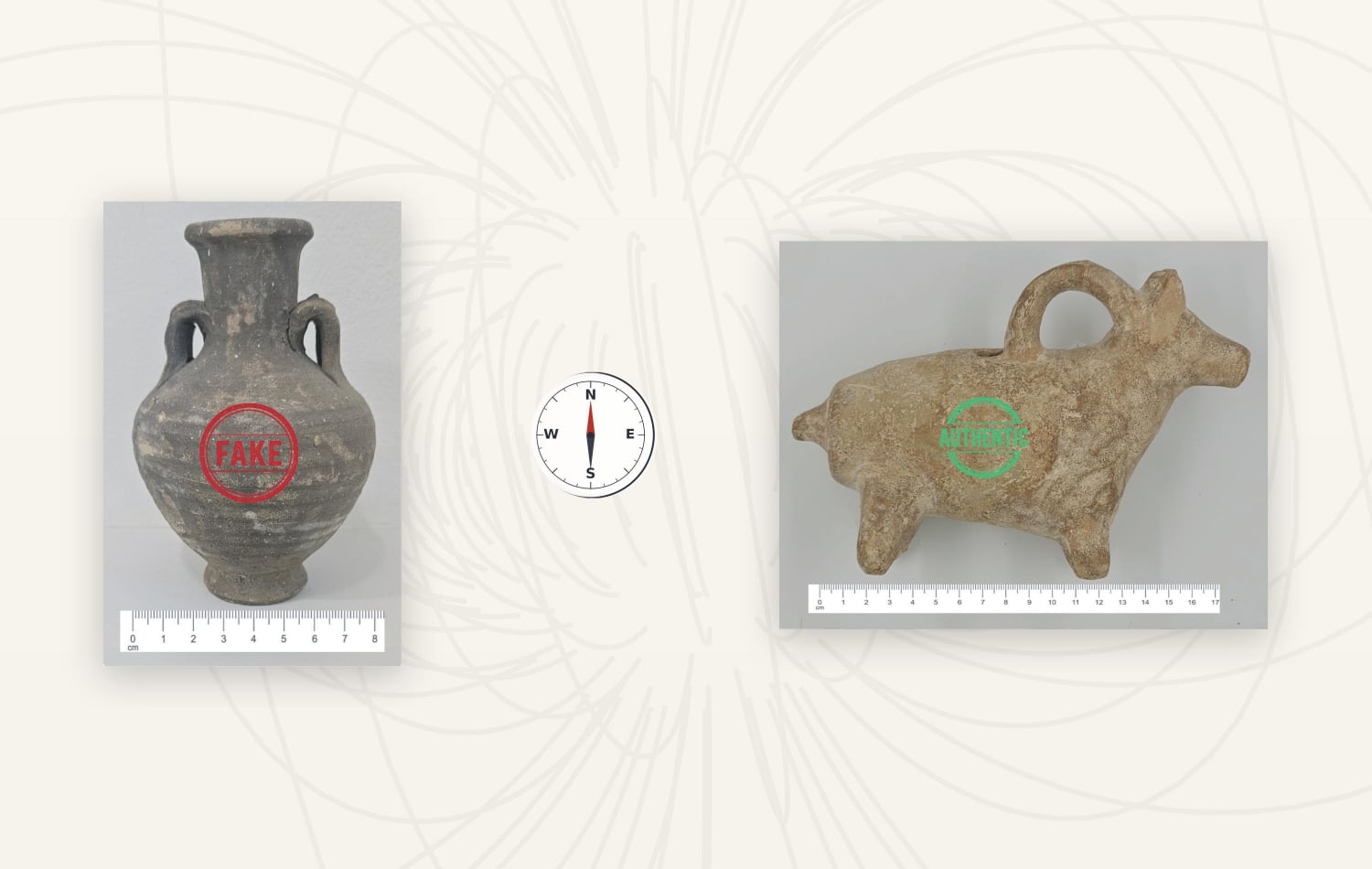
Researchers and museums struggling to identify forged antiquities may soon be able to rely on a new ally: the earth’s magnetic field.
A team led by Israeli researcher Yoav Vaknin has developed a method to distinguish genuine clay artifacts from modern fakes by reading faint magnetic signals locked into the objects when they were fired thousands of years ago.
The technique, described in a paper published this week in the scientific journal PNAS, could give museums, law enforcement agencies and archaeologists a new way to test contested artifacts, Vaknin told The Times of Israel.
Vaknin’s approach builds on a branch of geophysics known as archaeomagnetism, which studies how changes in the Earth’s magnetic field are recorded in physical materials. When pottery is fired in a kiln, iron-bearing particles in the clay act like tiny compass needles, recording the direction of the Earth’s magnetic field at the time, he explained.
“Pottery is a very good recorder of the Earth’s magnetic field,” Vaknin said. “We can’t see it, but it’s all around us. And when a material is fired to high enough temperatures, these particles align with the direction of the magnetic field.”
As the object cools after firing, the microscopic magnetic particles align with the magnetic field and then “freeze” in place,” Vaknin explained. This process creates what scientists call thermal remanent magnetization, or TRM.
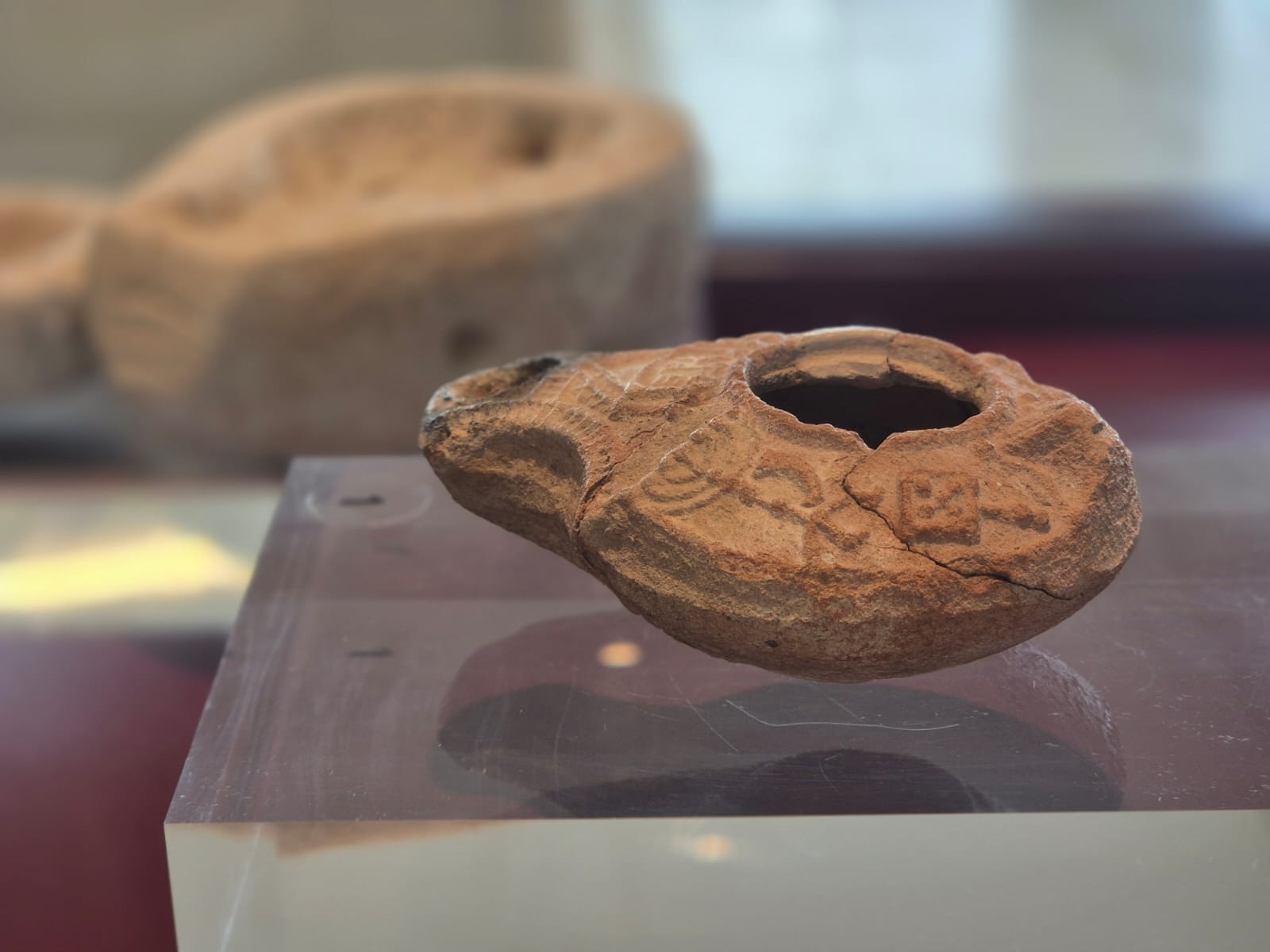
But there is another type of magnetic signature, Vaknin noted. If a clay artifact lies buried for centuries or millennia, some of the smallest, least stable particles can slowly realign with the Earth’s magnetic field without any new heating. This creates a second signal called viscous remanent magnetization, or VRM.
While TRM is used by researchers as a foundational tool for dating archaeological discoveries, VRM is better at delivering broad time estimates for things such as geological formations, Vaknin said.
Vaknin’s team realized that authenticating whether an item is ancient or a modern forgery does not require such precision. Testing can easily tell whether a piece of pottery was fired recently or in antiquity.
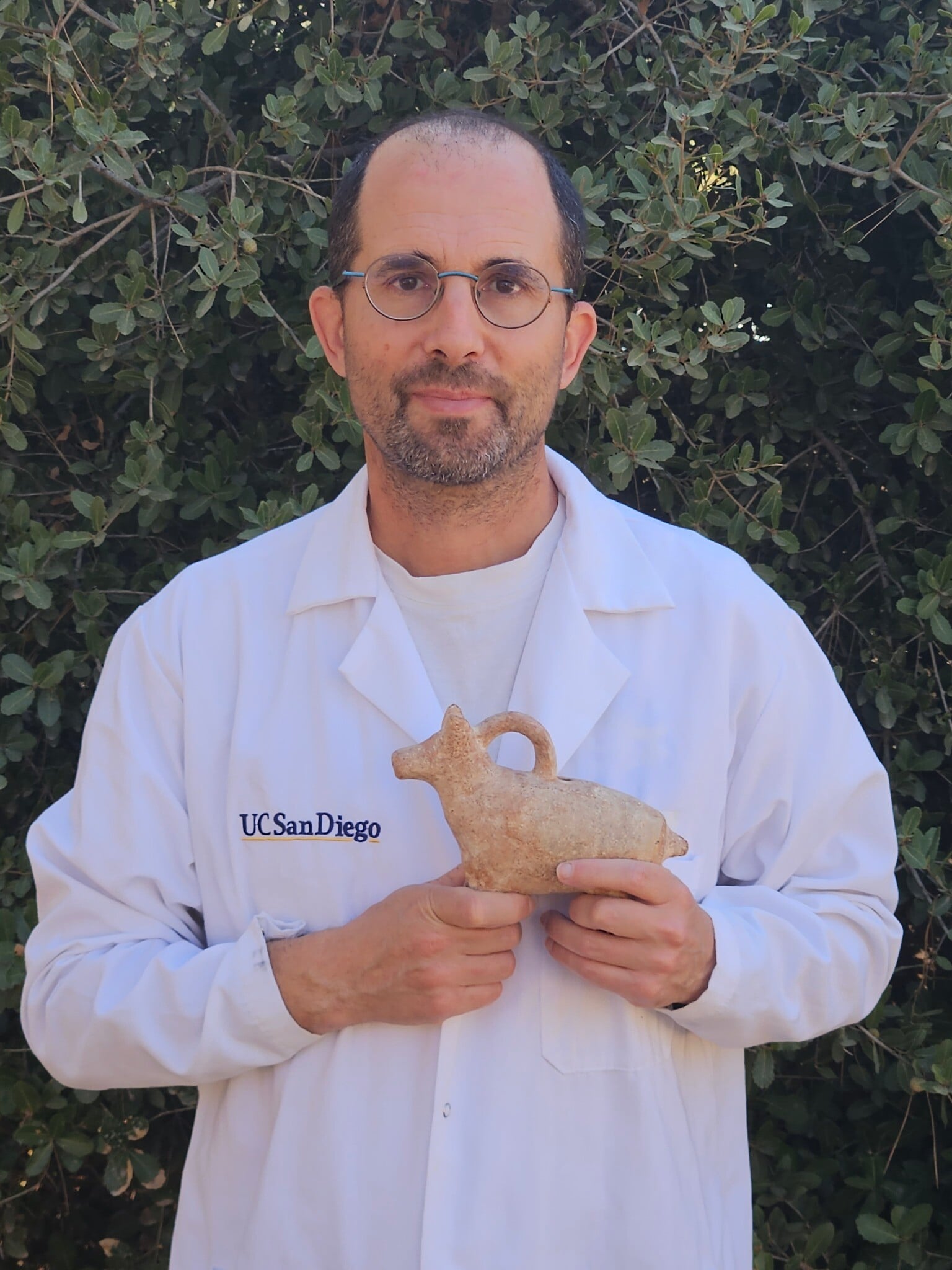
“Using VRM to tell whether an object is 2,000 years old or 2,500 years old can be tricky,” Vaknin said. “But if we’re trying to tell if it’s 2,000 years old or a forgery made just a few years ago, it’s much easier.”
VRM can be removed quickly from an artifact if heated to 100 or 150 degrees Celsius (212 to 300 degrees Fahrenheit). This is typically done when scientists want to measure TRM more accurately without the distraction of the VRM.
In this case, Vaknin’s team did the opposite: they heated, cooled, and measured pottery samples, starting at 50 degrees Celsius (122 degrees Fahrenheit).
Working at Scripps Institution of Oceanography with paleomagnetism experts Jeffrey Gee and Lisa Tauxe in an environment shielded from magnetic fields, Vaknin and his team placed pottery samples in specially designed ovens to watch the VRM in the samples disappear bit by bit, effectively erasing the existing magnetic field.
“People think nothing would happen at 50 degrees, but we raised the temperature each time in small increments,” Vaknin said. “That’s where we saw the difference.”
The researchers found that for relatively new pottery, temperatures of 50-70 Celsius were often enough to remove the VRM. Older vessels required much greater heat to remove the VRM.
“If it’s an authentic artifact that has acquired VRM over thousands of years, you need to heat it to a much higher level,” Vaknin said. “Forgeries require much less heat.”
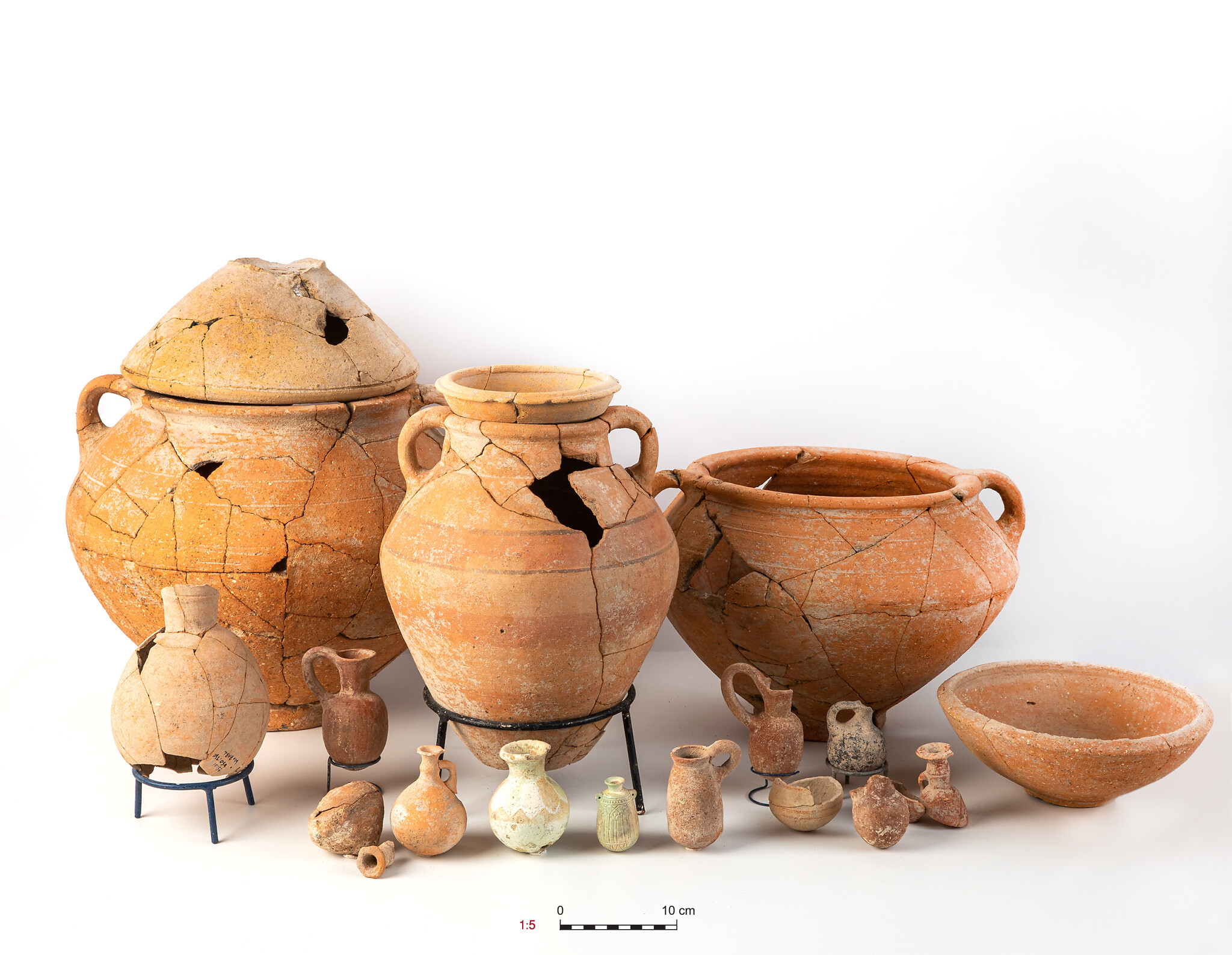
Eventually, the researchers identified 112 Celsius (233 degrees Fahrenheit) as the threshold point that separates modern and ancient clay. A theoretical simulation by Brendan Cych of the University of Liverpool, a co-author of the paper, reproduced the same outcome, Vaknin noted.
“We met and presented our results, and they were exactly the same thing,” he said.
Among the samples tested at Scripps Institution of Oceanography were three disputed artifacts provided by the Israel Antiquities Authority’s enforcement unit, which targets illegal antiquities trading. The test produced results consistent with all three being genuine, Vaknin said, thereby offering a real-world demonstration of how the method could aid investigators.
“Now, they’re really interested in using this method to help them enforce the law and prosecute illegal antiquity traders,” he said.
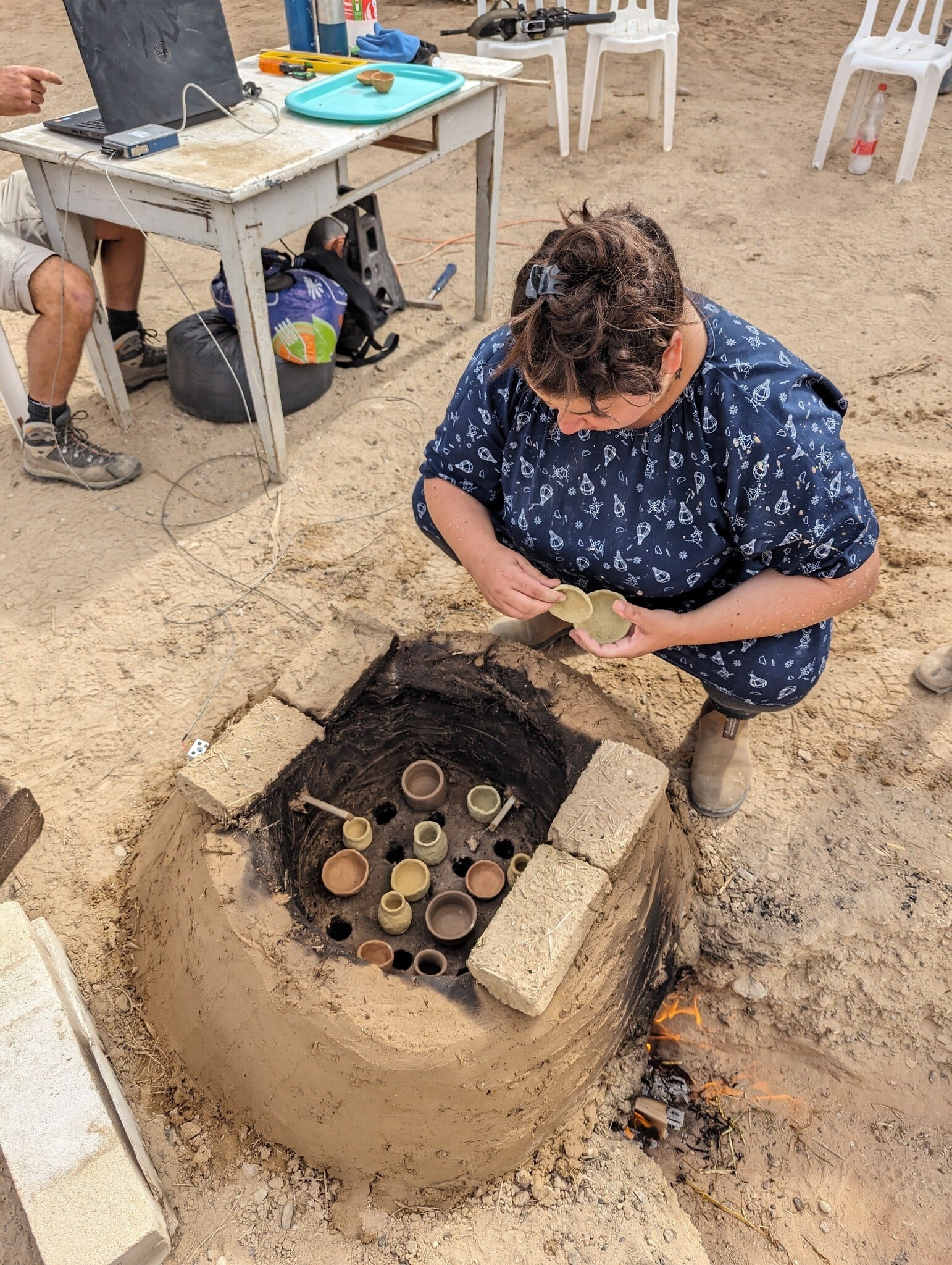
Vaknin is hopeful that the method will help in the fight against antiquities forgers and aid museums in clearing up doubts about artifacts with murky origins.
While other tools exist to date pottery, skilled forgers have learned to game each approach, Vaknin noted.
“The more dating methods you have, the harder it is for forgers to hack them,” he said. “The addition of another tool to the authentication toolbox is very important.”
“The next stage is to apply this method to other artifacts to verify their histories,” he said. “The silent magnetic signatures of ancient pottery can still speak to us today and tell us which stories are real.”










The Times of Israel Community.