

Annus horribilis part deux? Why 2021 was a royal pain for the British monarchy
As the year comes to an end, The Times of Israel dishes with royal commentator Jonathan Sacerdoti about the biggest stories out of Buckingham Palace – and Montecito, California
 Add ToI as a Preferred Source on Google
Renee Ghert-Zand is the health reporter and a feature writer for The Times of Israel.
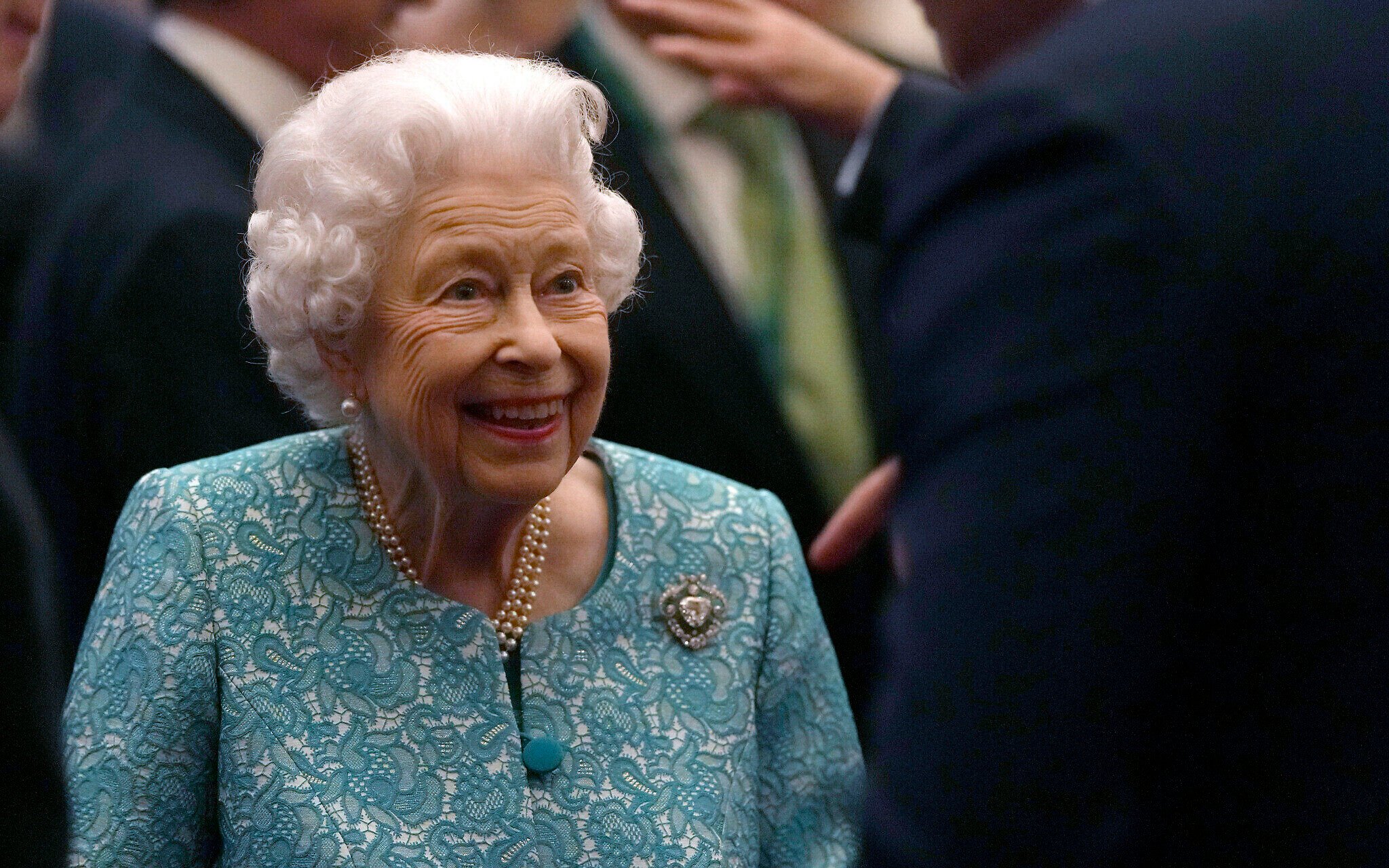
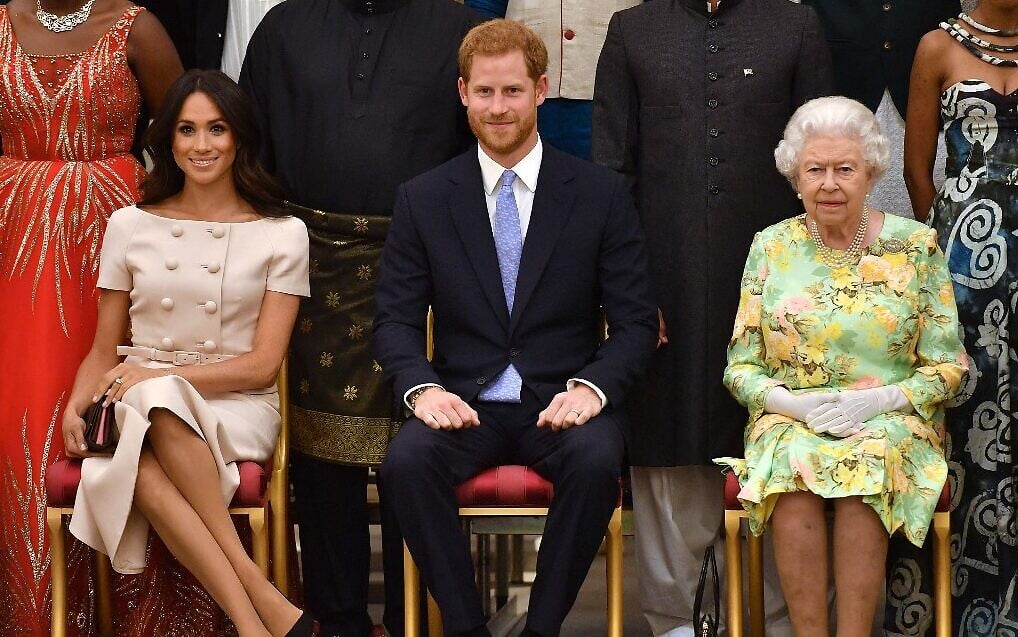
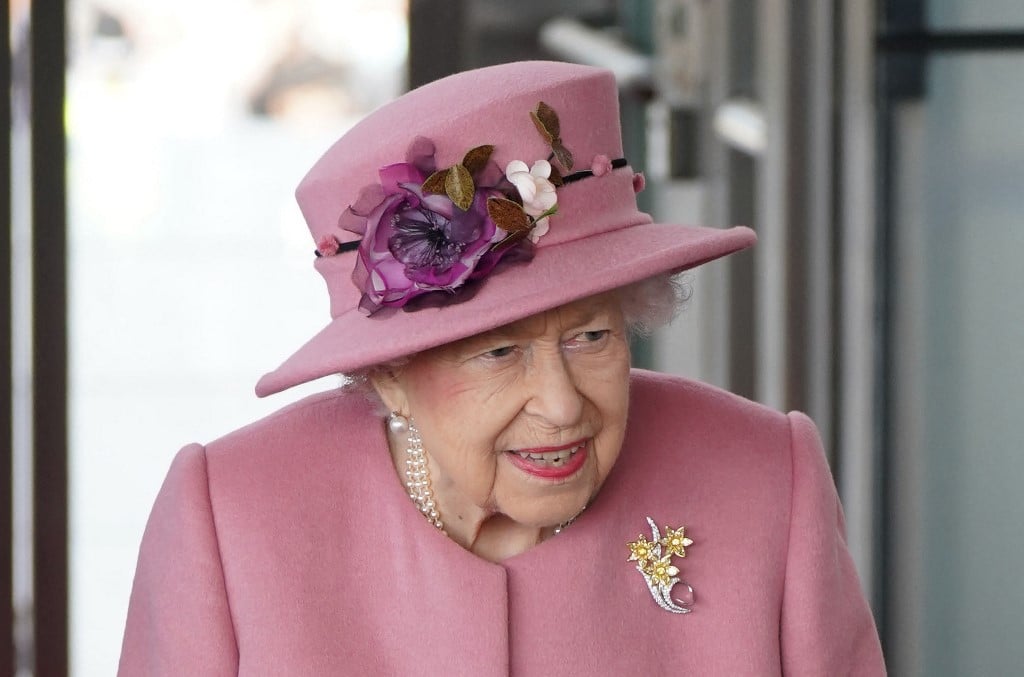
It wouldn’t be surprising if Queen Elizabeth were to declare 2021 her “annus horribilis II.” Back in 1992, the original horrible year, the queen witnessed three of her children’s marriages break down, and more than 100 rooms in Windsor Castle burn. This past year, too, the royal calamities just kept on coming.
The Times of Israel asked Jewish British journalist and royal commentator Jonathan Sacerdoti for his take on the reasons the 95-year-old monarch is surely eager to bid 2021 good riddance.
A London-based, freelance correspondent for a variety of international outlets, Sacerdoti is known for his hard news and political coverage, as well as for his analysis on subjects such as the Middle East, terrorism, and antisemitism. Seven years ago, he added royal commentator to his portfolio, as newspapers and television networks increasingly asked him for such coverage. In 2018, Sacerdoti was on the ground in Israel to cover Prince William’s visit, the first-ever official royal tour of the Jewish state.
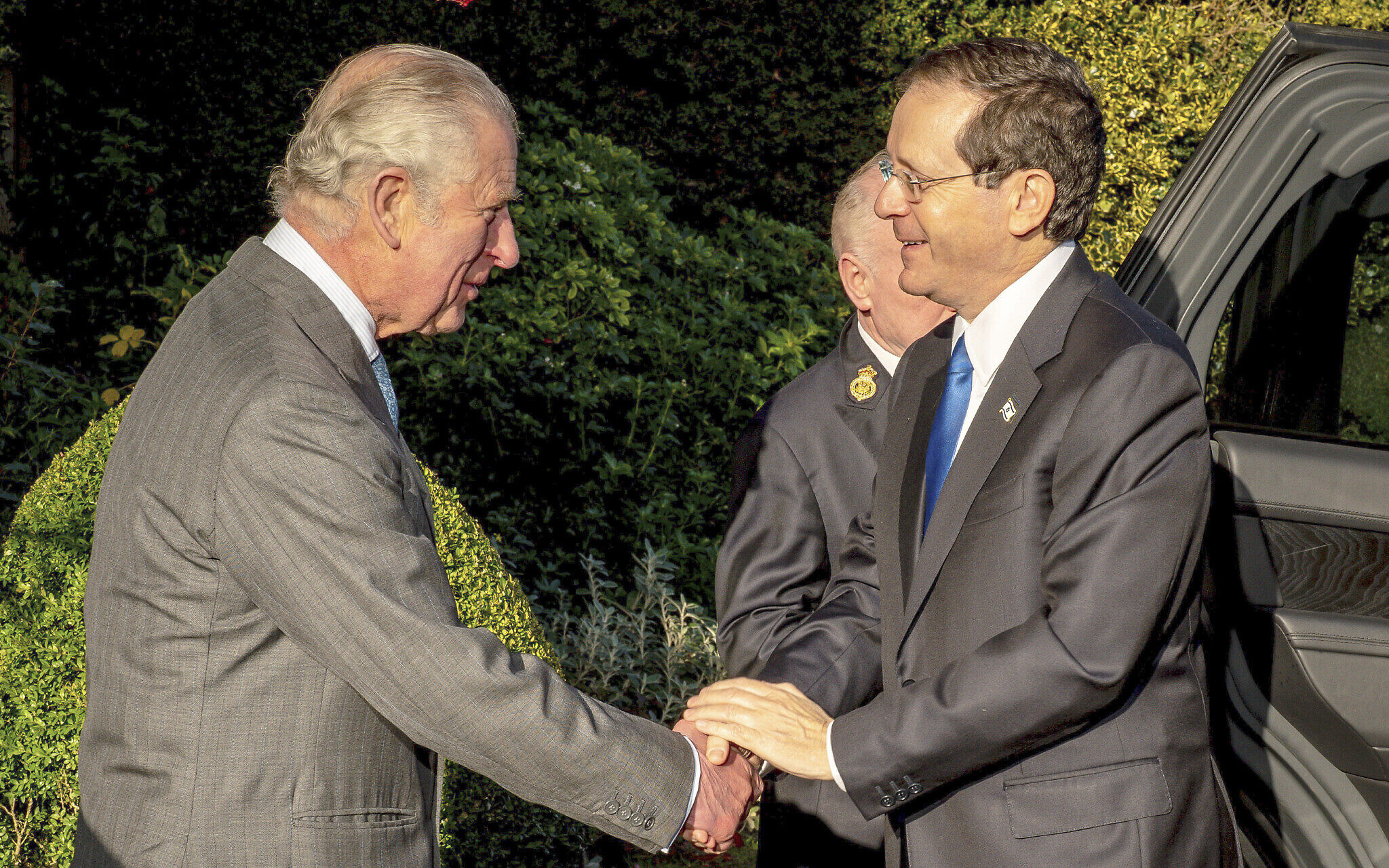
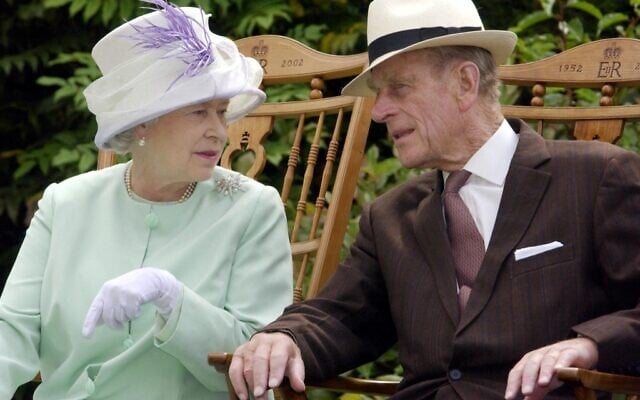
“The queen has had a very tough year, which includes the death of her husband, a controversy around Prince Charles’s dealing with foreign funding allegedly for British honors and future British citizenship, and the ongoing battle between Harry and his father [Prince Charles],” Sacerdoti said.
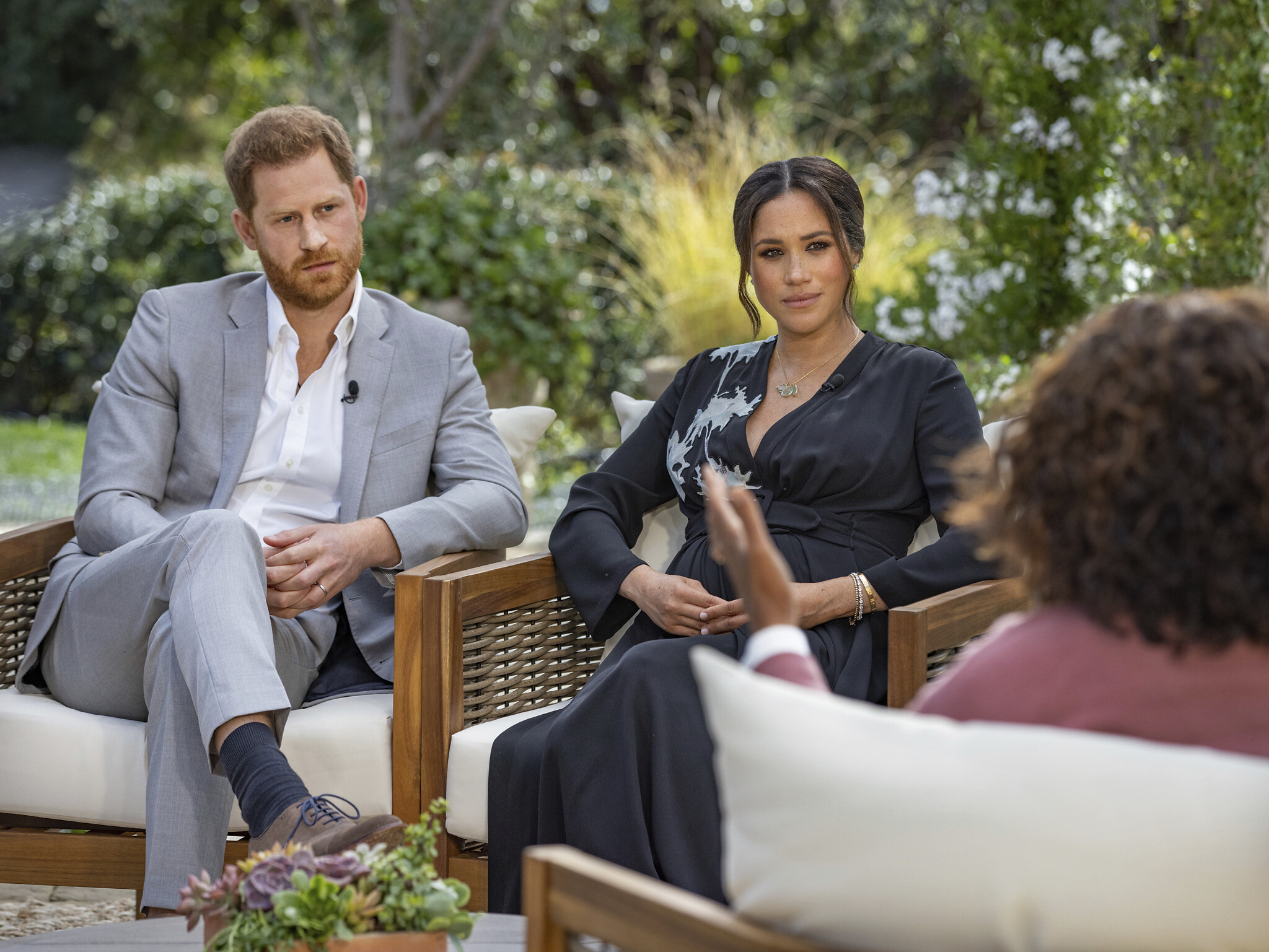
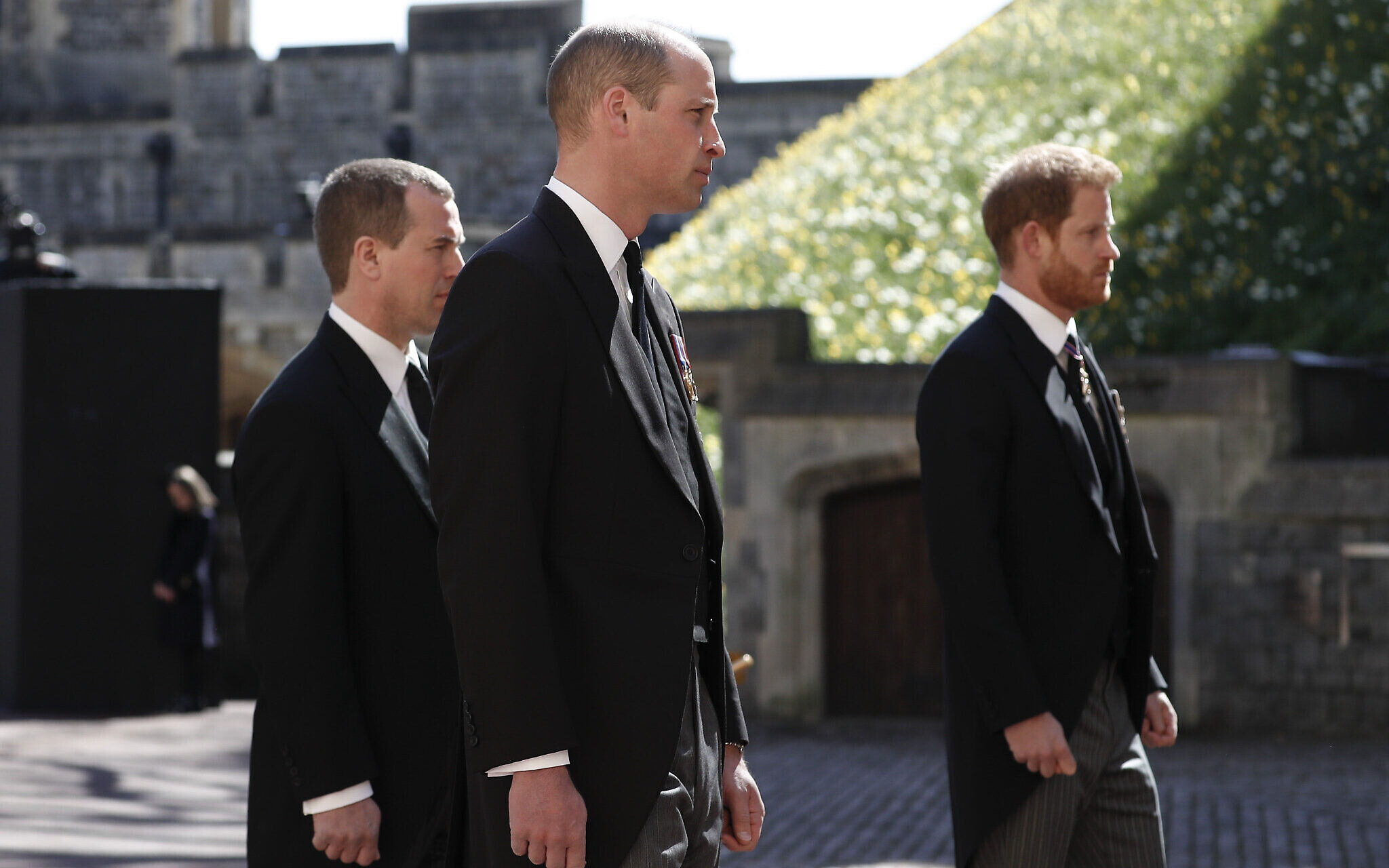
There was also the rift between brothers Prince William and Prince Harry, COVID restrictions on royal engagements and family events, and the queen’s own apparently failing health — not to mention the unforgettable bombshells dropped by the Duke and Duchess of Sussex in their post-“Megxit” interview with Oprah Winfrey, watched by tens of millions worldwide.
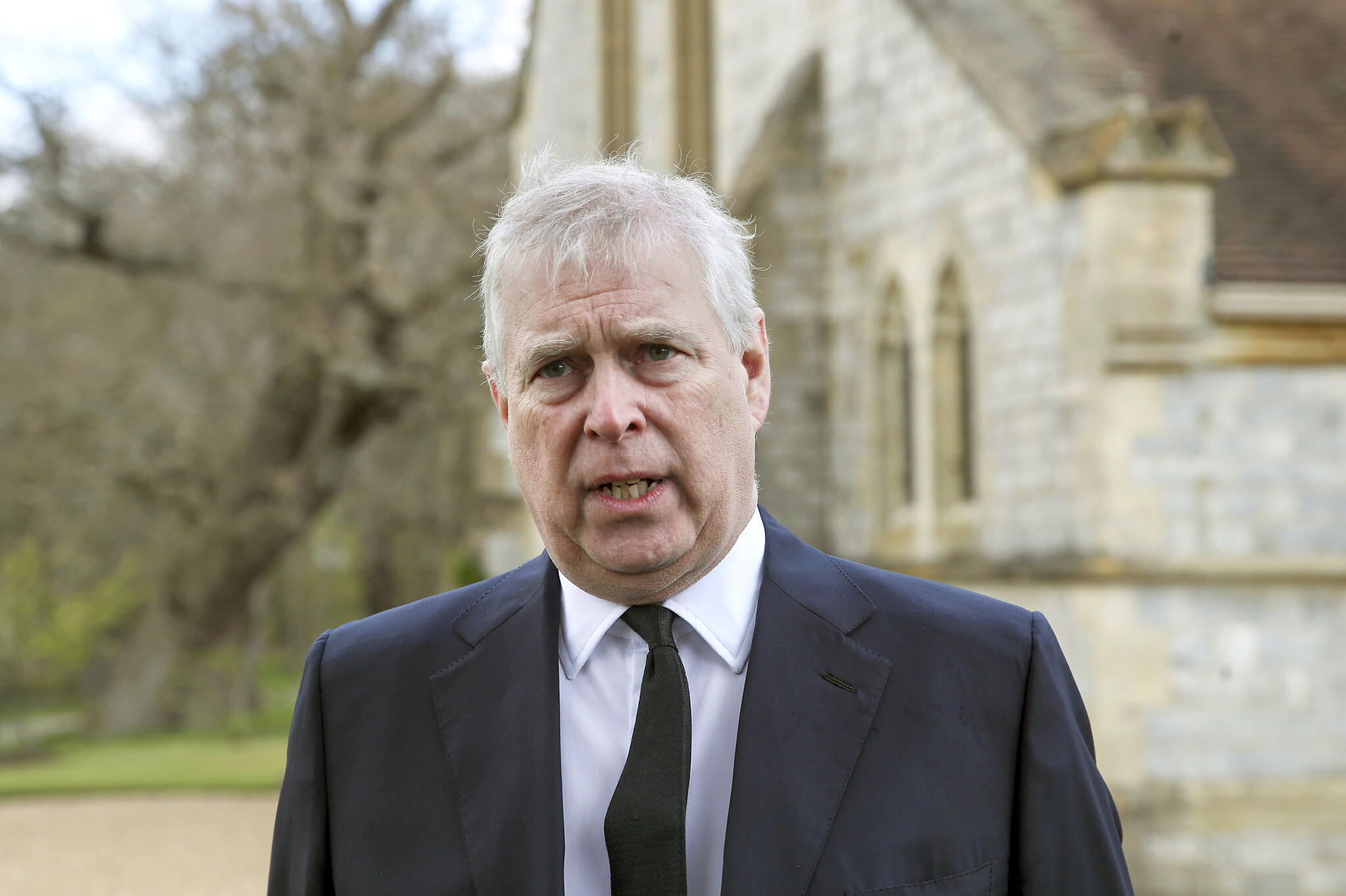
Most sordid of all were the accusations against Prince Andrew, which he denies, that he sexually assaulted an underage victim whom he met through his association with the late financier, convicted sex offender, and alleged sex trafficker Jeffrey Epstein.
Unable to be in New York to cover current legal proceedings against Epstein’s associate Ghislaine Maxwell, Sacerdoti declined to comment specifically about Prince Andrew’s dealings with Epstein.
“However, the allegations against Prince Andrew are deeply serious, and can only have caused heartache and worse for the queen, in a year that has been really difficult,” Sacerdoti said.
So what are we to make of this awful year for the British royal family and what it portends for the future? Here is what Sacerdoti said in a recent video interview with The Times of Israel. The conversation has been edited for length and clarity.

Do you think the sunset of Queen Elizabeth II’s reign and the recent royal scandals signal the beginning of the end for the British monarchy?
I don’t think so. I think there is fairly solid support for the monarchy. There is a growing republican element, but it is still a minority, according to most polls.
One of the interesting moments will be when Her Majesty the queen dies. We will be going from the only monarch any of us remember to somebody new. That alone is a big deal. We will be going from a female monarch to a male one, and to someone who is less popular than the queen… [her son Prince Charles] has big shoes to fill.
Any ideas on what kind of king Charles will be?
The queen has been an incredibly hardworking public servant, and there is no reason to think that Charles will be any different. But I think he will want to be seen as a modernizer. I suspect he may choose to make reforms within the royal family, partly out of necessity. I imagine he will make efforts to slim down the number of working royals. That will have the convenient knock-on effect of eliminating some of the types of controversies they suffered from this year.
What about calls in the tabloids for the crown to skip Prince Charles, who is 73, and go directly to his son, Prince William?
Firstly, they are quite a long-lived family. They are very well looked after, as they should be, and [many of them] reach very impressive ages. So, Prince Charles could be the same and live into his 90s and beyond. I don’t personally think that the idea of skipping him is likely to happen… That is the whole point of a hereditary monarchy… I don’t see why he would give it up.
I think Prince Charles has relatively decent support. He is popular when you look at polling. The issues he has emphasized, especially during recent years, such as environmental issues, are popular ones. I think the royal public relations effort fine-tunes everything knowing what the focal point for Charles is when he will become monarch.
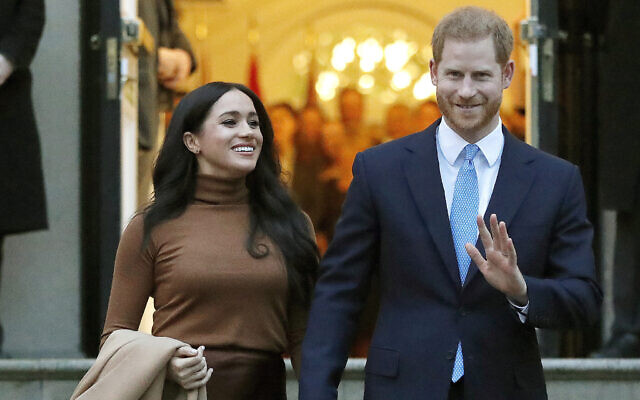
Harry and Meghan, the Duke and Duchess of Sussex, stepped back from their roles as senior royals in 2020, supposedly to pursue a more private life. So why do they seem to purposely continue to draw public attention and controversy?
I don’t think there was much of an expectation they were leaving in order to achieve privacy. That was something like their claim, but the British people are relatively open-eyed and cynical about these things. I think most people knew exactly what they were really planning.
Meghan Markle married into the family from a position of some profile, and said in her early interviews that she wanted to pursue philanthropic aims with her husband, and this gave her a platform to do so… I think her ambition has always been visible and stated that she plans to be a high-profile champion of charities and good causes. I think when she stepped down as a working royal, she still intended to do that. I don’t think there were many people who thought she would retire to the countryside and take up knitting.
I think that the way they left made it clear they weren’t opting for a quiet life: The blindsiding of the royal family with their statements, their website, their Sussex Royal branding, which they had to drop. These things made it clear from the word go that they were not doing this quietly.
What are they trying to achieve?
They have a desire to remain relevant. They say it is for worthy aims and to promote qualities like compassion. Critics say it is so that they can remain in the public eye so they can rake in tons of money and continue to live in luxury. The truth maybe lies somewhere in between the two. I think they are very controlled and that everything they do is designed to push the aim of keeping them relevant and earning. Their $14 million mansion [in Montecito, California] is not a cheap thing to live in.
The lifestyle they are choosing among celebrities requires you to be in the public eye, to have your finger on the pulse, to be the person of the moment. They are trying to transition from royals to celebrities. I don’t think they are necessarily good at that yet. They were snubbed from the Obama birthday party, according to reports. Oprah interviewed them, but is maybe going cold on them since. They weren’t invited to the Met Gala.
Harry and Meghan appear to be waging an all-out PR war against the royal family.
It is somewhat surprising how they have more or less declared war on Prince Harry’s family, in terms of the allegations they’ve made and the timing of those allegations, including the racism allegations in the Oprah Winfrey interview and the broadcasting of that interview around the time of Prince Philip’s illness. Those things in Britain were seen as not just controversial in the first place, but very inconsiderate to the queen.
What about the racism allegations?
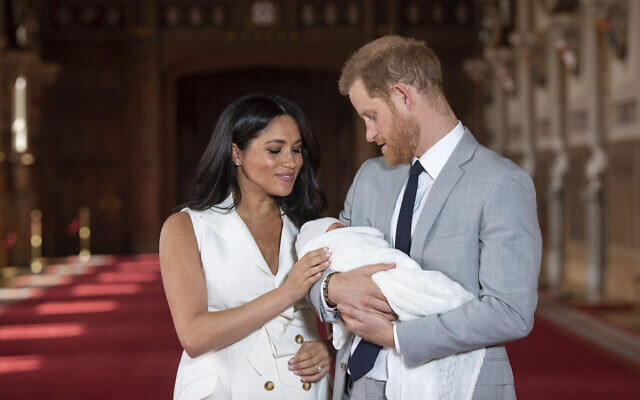
The claim that somebody in the family started conversations about the skin color of Harry and Meghan’s unborn child made a big splash, partly because they refused to name who it was. It caused a guessing game, which was perfect gossip column fodder. That was clearly deliberate.
There was no way to know whether the allegation is true or not, because of the lack of detail given, which makes it hard to evaluate. I think that a lot of British people didn’t accept Meghan’s version of it… there was also a sense among many that Meghan was not entirely straight or complete with the truth in other parts of that interview. So if you can’t trust other things she said, then why believe the racism allegation?
If there is a real [racism] problem, then it should be dealt with quietly and within the [royal] family as much as possible, because it’s not going to happen any other way.
So it was just part of their overall strategy?
They are attaching themselves and their brand to the biggest issues in the world for millennials, which are racism, mental health, suicide, and the environment. They have attached themselves to racism by saying there was racism aimed at Meghan by the press — which there was some — and by the royal family. They have taken on the royal family and the tabloids to say that they made her into a victim. Victimhood has quite some currency today. It’s all very calculated, even if it’s real.
Harry plans to publish a memoir in 2022, which will be the queen’s platinum jubilee. Yet another example of lack of consideration toward his grandmother, or even vengeance against the family?
I can’t definitively say it is vindictive, but I think it’s carefully planned to chime with the Sussexes promoting their prominence and visibility internationally. To publish your book in the queen’s celebratory year is not just to wind her up. It’s to make the book sell well and increase the massive financial deal with the publisher.
The same applies to their Netflix deal, even though Netflix was criticized by some of [the late Princess] Diana’s friends about how she is being depicted in the upcoming season of “The Crown”… That’s Harry’s mother, but as far as we know he is still involved with this large commercial deal with Netflix. Many people called on him to withdraw from the deal on principle, but he hasn’t.
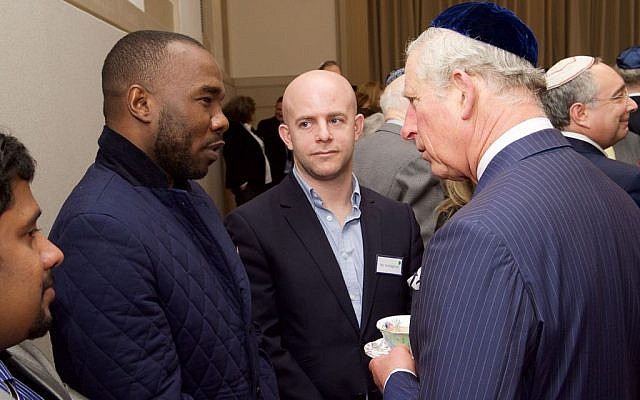
What is the royal family’s relationship with the UK Jewish community?
The royals engage with the Jewish community as they do with other minority communities in the UK. Jewish people are a fundamental part of modern Britain. They contribute massively, disproportionately in relation to the size of the community, which is under one percent of the population. I think the royals recognize that in their dealings. The royals engage on the softer side, not on politics. For example, they speak about antisemitism on the human side of things, but they won’t talk about such problems in the Labour party.
You covered Prince William’s tour of Israel in 2018. Did this signal a positive shift in British-Israel relations?
With Prince Philip’s mother Princess Alice buried in Jerusalem, the royal family will always have a personal connection to Israel. I think that by sending Prince William, they wanted to emphasize the connection with the next generation in Israel, with youth issues and the like. I think that suited Israel, as well, because Israel likes to portray itself as a forward-looking nation of the future.
There is a bit of a shift with British politicians being more outspoken with regard to a connection with Israel. If politics goes that way and manages to bring the civil service with it, then we can expect the monarchy to go that way as well. But the monarchy is the ocean liner here. It takes a long time to turn it. We shouldn’t expect to see royal engagements leading the other things in terms of British attitudes to Israel. It will be the other way around. You don’t look to the monarchy for change; rather, it reflects the change happening elsewhere.









The Times of Israel Community.