

Artists strike to protest Israeli participation ahead of Venice Biennale
Some 12 pavilions closed or partially shuttered, while others fly Palestinian flags; police clash with march of 2,000 demonstrators trying to reach Israeli installation
 Add ToI as a Preferred Source on Google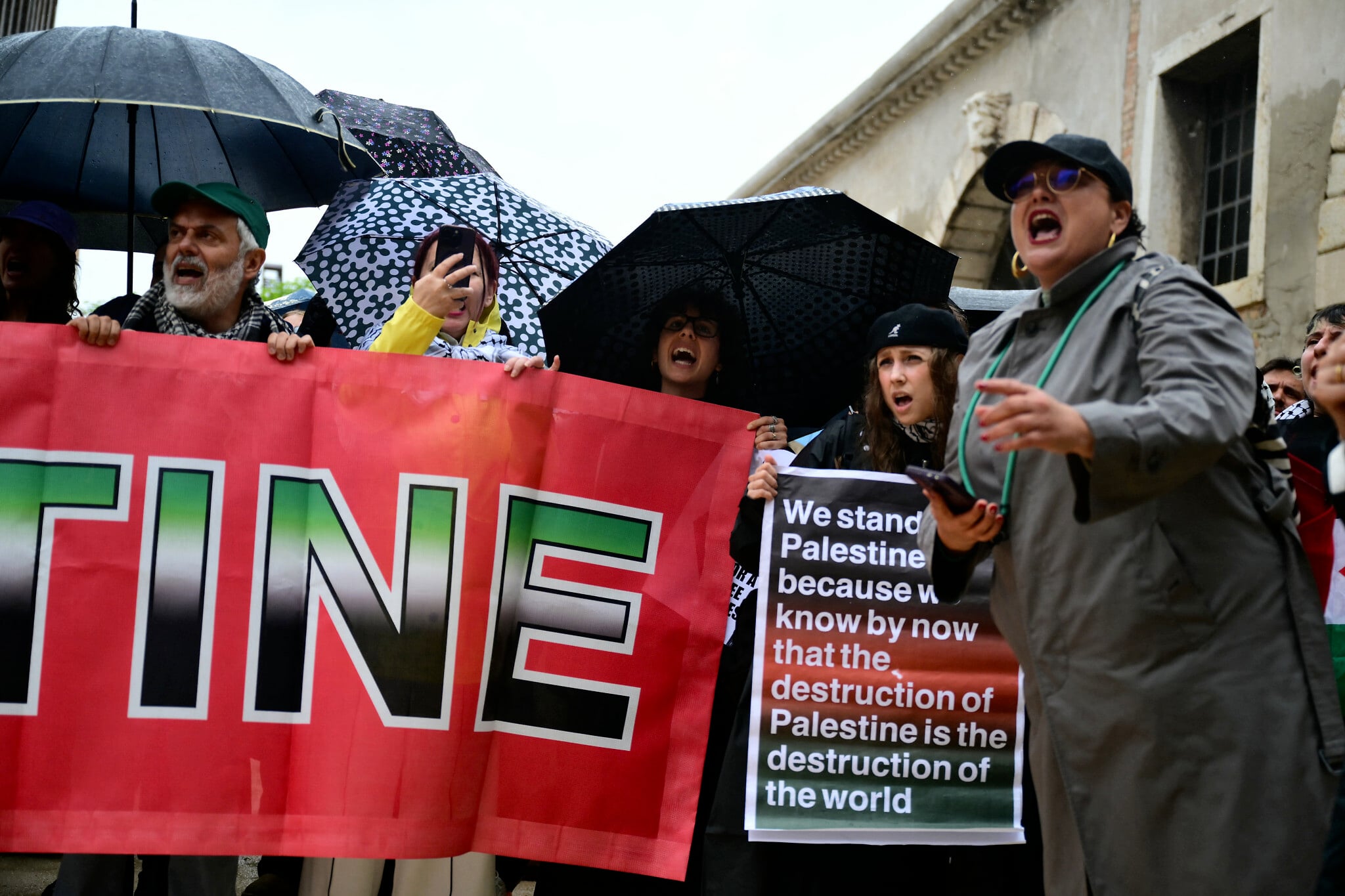
About a dozen stalls were shut Friday at the Venice Biennale contemporary art exhibition ahead of its opening to the public as artists protested the inclusion of Israel in the event.
The exhibit has been beset by controversy in the weeks leading up to Saturday’s opening, with no Golden Lion prizes given for best national pavilion or best participant in the main curated exhibition after the jury quit in protest of Israel’s and Russia’s participation, and loud protests outside the countries’ pavilions.
Friday’s strike was called by the Art Not Genocide Alliance to protest Israel’s inclusion due to the war against Hamas in Gaza that was sparked by the October 7, 2023 massacre.
The coalition initially said that some 20 pavilions would be shut, but in the end 12 took part, with some citing a walkout by local workers. Others flew Palestinian flags or displayed pro-Palestinian artwork.
Among those shut were the Belgian, Dutch, Austrian, Japanese, Macedonian and Korean pavilions, while the British, Spanish, French, Egyptian, Finnish and Luxembourg entries closed for several hours, the UK’s Guardian reported.
Visitors trying to enter the British pavilion were met with a sign saying: “Due to the Italian cultural workers’ strike today, it is not possible to open the British pavilion,” the Guardian said.
NEW | Artists shut down Venice Biennale pavilions in protest against Israel’s genocide in Gaza – The Guardian
Several pavilions at the 2026 Venice Biennale were shut down after artists and cultural workers launched a strike protesting Israel’s inclusion amid its ongoing genocide… pic.twitter.com/2ealxMEf5n
— Quds News Network (@QudsNen) May 9, 2026
A similar message was at the Austrian pavilion, which has been one of the most sought-after events, with a naked woman hanging from a bell outside, a human clapper making the performance art by Florentina Holzinger. Inside, a nude rider swirls around on a Jet Ski inside a tank — emblematic of Venice’s relegation as an over-touristed amusement park.
A naked woman breathes through a scuba mouthpiece in another huge tank filled with water that has been flushed from nearby toilets and filtered multiple times. The presentation is called “Seaworld Venice.”
The Israeli pavilion in the Arsenale was also closed to visitors, but that was because it was hosting its official opening, the New York Times reported, adding that armed police officers stopped those without tickets from entering.
Later Friday, some 2,000 pro-Palestinian, anti-Israel protesters staged a march that tried at one point to get to the Arsenale and briefly clashed with the police, the report said.
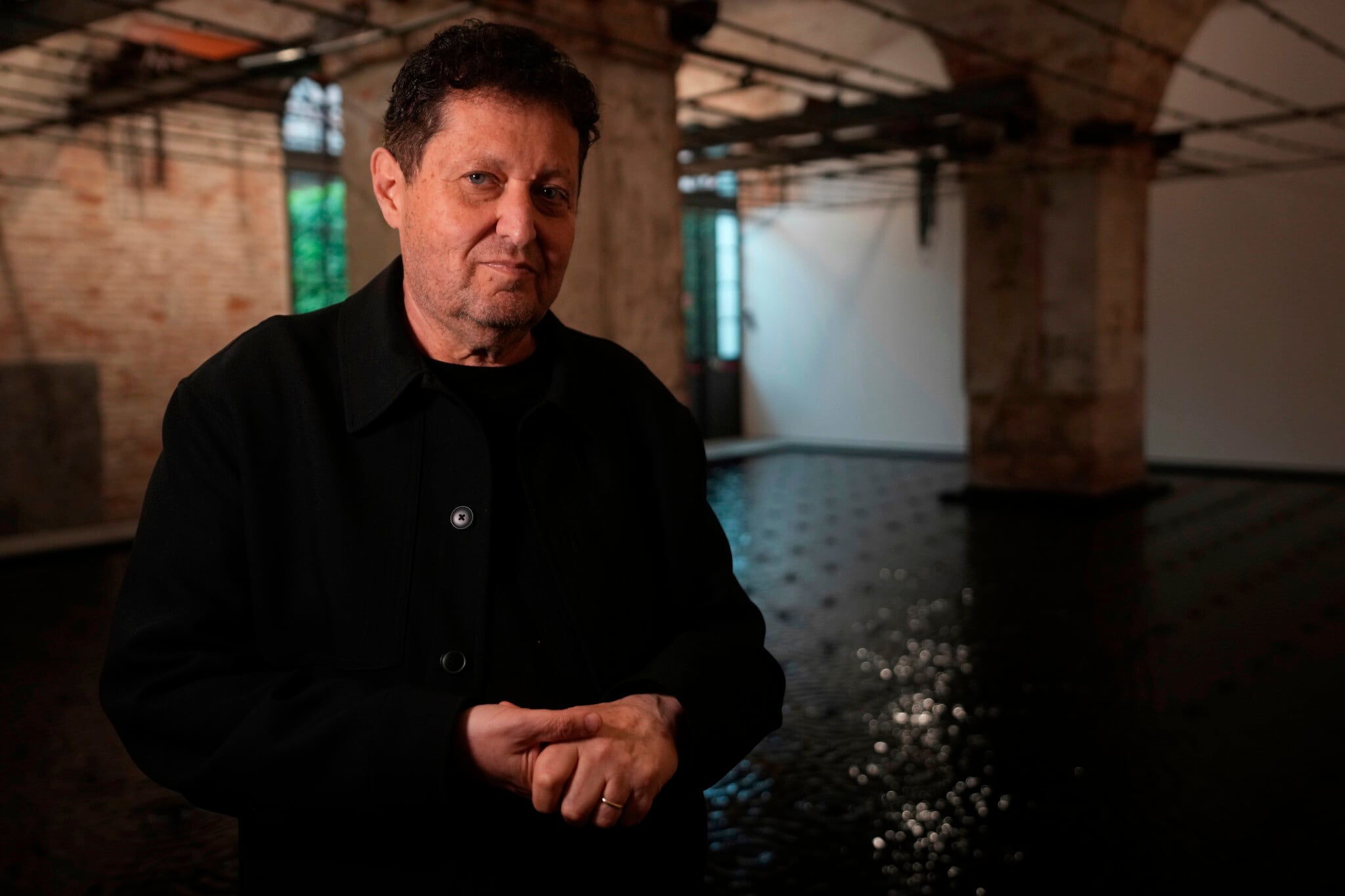
Inside the Israeli installation, created by Romanian-born artist Belu-Simion Fainaru, water drips from suspended tubes into a pool, stopping in cycles for just 42 seconds, representing divine creative power in Jewish mysticism.
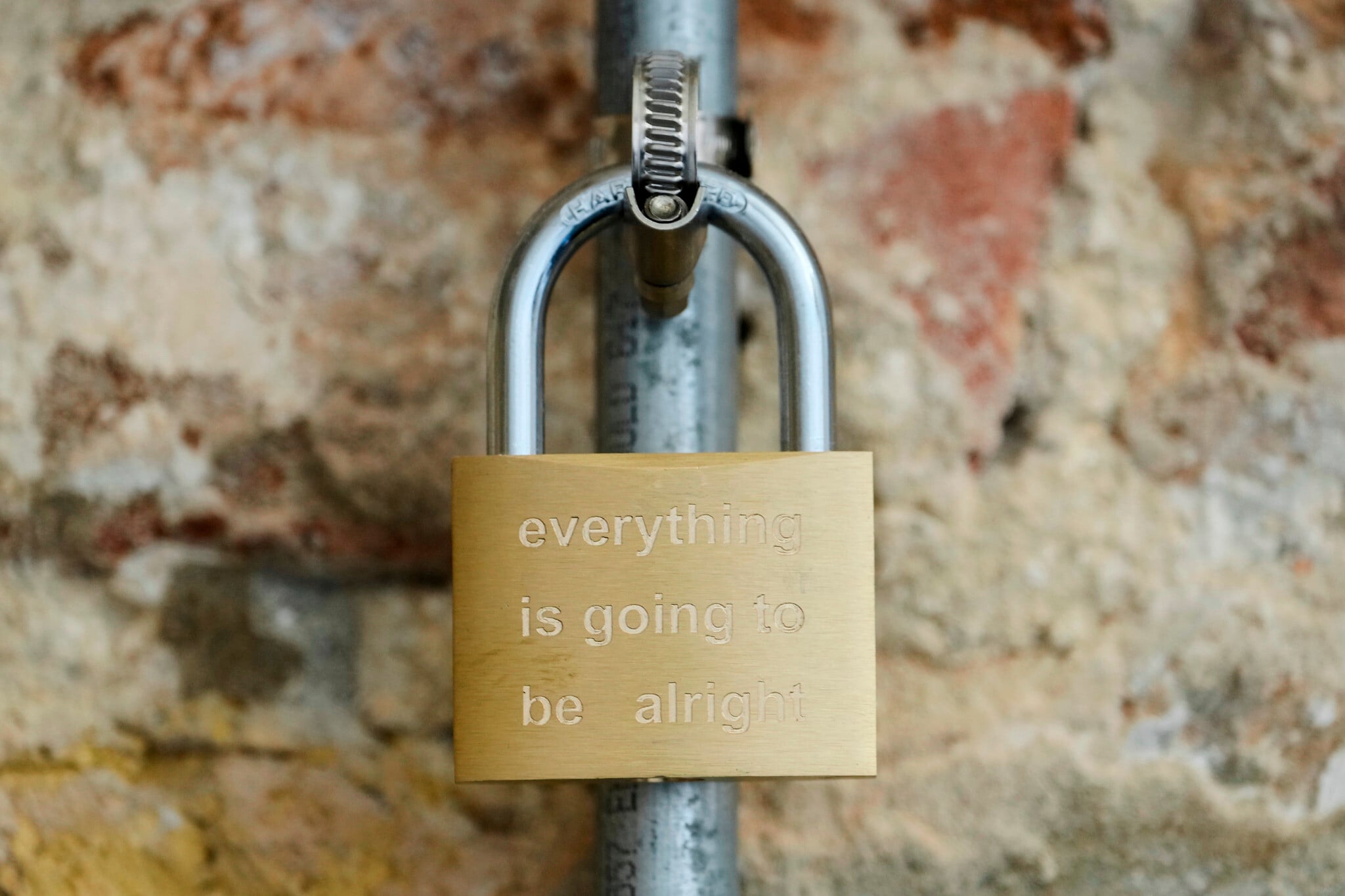
Locks hung around the pavilion, like those placed by lovers on bridges around Europe, are engraved with the commandment “Love thy neighbor as thyself,” in Hebrew, and the hopeful exhortation: “This too shall pass.”
Fainaru told AFP that the divisions at the Biennale were “destroying the meaning of art… to unite people.”
“I don’t think we should reduce the art world to a political arena,” added the sculptor.
That position was also voiced by Italy’s Deputy Prime Minister Matteo Salvini, who visited the Biennale on Friday: “I don’t think American, Chinese, Israeli, or Russian artists are spokespeople for ongoing conflicts.”
The Palestinians do not have their own pavilion but are represented by an exhibition dedicated to Gaza at the Palazzo Mora, titled “Gaza – No Words – See the Exhibit.”
“There’s really no way to describe the horror that was inflicted upon the Palestinians in Gaza, and I don’t think we would want to be in the same place as the people who did that,” said the exhibition’s curator, Faisal Saleh, founder of the Palestine Museum in the US state of Connecticut.
The international jury of the Biennale resigned en masse last month in a row over the organization’s decision to allow Israel and Russia to participate in this year’s event.
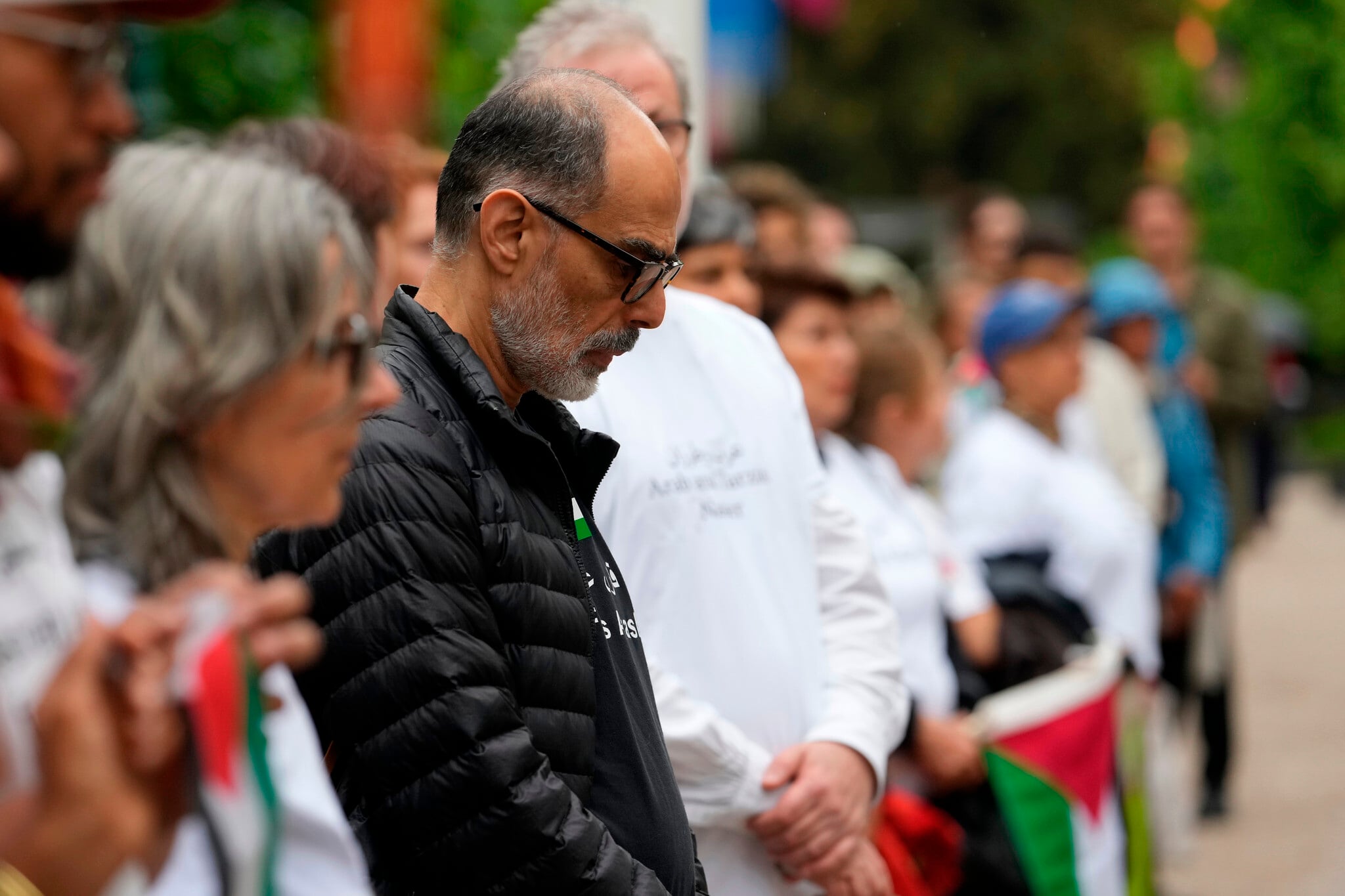
The five-strong jury, headed by Brazilian curator Solange Farkas, said that “in the defense of human rights,” it would not consider works from countries whose leaders face charges at the International Criminal Court, as Prime Minister Benjamin Netanyahu and Russian President Vladimir Putin do.
Israel vociferously rejects allegations of genocide in Gaza, noting that it makes efforts to avoid civilian casualties as it battled Hamas, which is deeply embedded in tunnels and inside civilian infrastructure, including schools, hospitals and mosques. A tenuous ceasefire has been in place since November.
Biennale President Pietrangelo Buttafuoco refused to back down on his decision to include Russia and Israel, saying the festival is “a space of coexistence for the whole planet” without censorship.
At the same time, the Biennale did not criticize the jury for boycotting the Russian and Israeli artists, saying the panel, which also included Zoe Butt, Elvira Dyangani Ose, Marta Kuzma and Giovanna Zapperi, operated with “full autonomy and independence.”
The Venice Biennale is an international cultural organization started in 1895 that presents major cultural festivals and runs its flagship art and architecture exhibitions on alternating years.
Participating countries set up pavilions in Venice, and the art biennial typically attracts more than 600,000 visitors over its seven-month run.





The Times of Israel Community.