

As Israel scrambles to get citizens out, Kyiv streets seem preternaturally tranquil
The Times of Israel’s diplomatic correspondent lands in Ukraine — and finds a capital utterly unconcerned about Russian forces massing on the country’s borders

 Add ToI as a Preferred Source on Google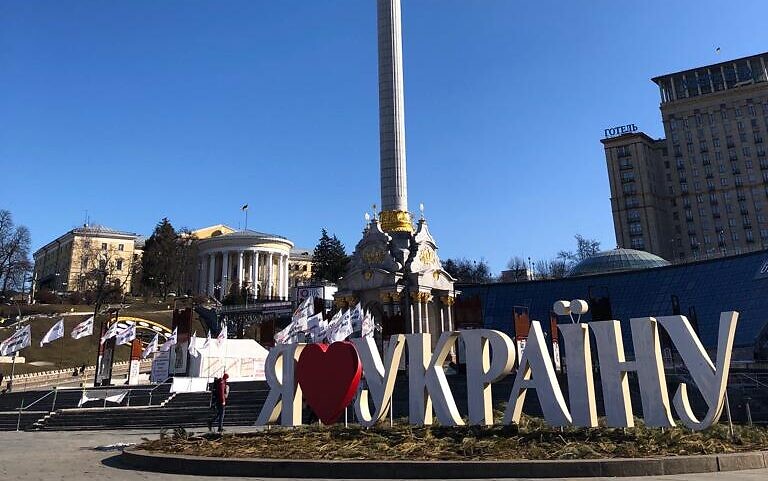
KYIV, Ukraine — As Israel’s leaders implore citizens to hurry back from Ukraine “before things get complicated” along the Russian border, and Western newspapers run ominous headlines warning of the potential for Europe’s bloodiest conflict since World War II, Ukraine’s capital could not feel further from impending conflict.
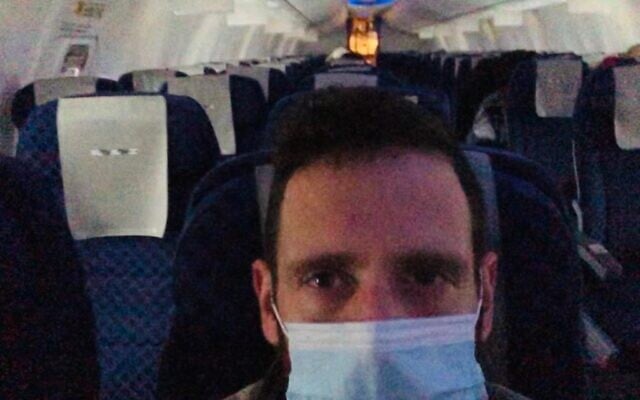
I made last-minute arrangements to travel to Kyiv on Monday morning. While the flight to Georgia departing from the next gate over looked fairly full, only a dozen passengers boarded El Al’s 6:30 a.m. to Kyiv. That total included a Ukrainian family, a lone Ukrainian man with some hardcore tattoos, your humble diplomatic correspondent, and what was obviously the delegation of Israeli diplomats being sent into the country to reinforce embassy staff in helping Israeli citizens return home — and even prepare for the possibility of evacuating tens of thousands of Ukrainian Jews, if need be.
Though the El Al staff put forth a cheery front, it was impossible not to notice a touch of worry as we disembarked. The pilot wished the mostly empty plane “a happy Valentine’s Day, and a…safe…stay in Kyiv,” while the flight attendants at the door told us, “Take care of yourselves.”
But, having arrived in Kyiv and away from Israelis, I couldn’t find any indication that anyone was particularly concerned about the 100 Russian battalion tactical groups deployed on Ukraine’s eastern and northern borders. The airport was perfectly bustling and the immigration officials at passport control were brusque, but joking amongst themselves.
My cab driver was a gregarious Uzbeki man named Muhammed. I asked him how concerned he was about the possibility of war, and it took a moment before he grasped why I was asking about a Russian invasion. With a dismissive wave of the hand and an altogether-too-long look at me in the back seat while driving on the highway, Muhammed blamed the “yellow” British press for their sensationalistic coverage. He seemed far more animated about his Jewish Uzbeki friend Isaac, who had moved to Israel and apparently is doing pretty well for himself.
In midday central Kyiv, there was no sense of tension or preparation for war. At the Maidan Nezalezhnosti landmark, signs were erected with the hashtag #saveukraine. I assumed the campaign was calling for defense against the Russian threat, but it turned out to be a civil movement fighting government corruption.
At the Cuba Coffeeshop nearby, couples sipped their cappuccinos together. A pair of British telecommunications workers were chatting over whiskies about everything other than war, until I brought up the topic. They allowed that their company had discussed with them the possibility of evacuating immediately if more airlines canceled flights out of Ukraine, but for now, they weren’t too concerned.
The mood on Kyiv’s streets mirrored the message Ukraine’s President Volodymyr Zelensky has been putting forth as Western countries speak of war breaking out “at any time.”
“Right now, the people’s biggest enemy is panic in our country. And all this information is only provoking panic and not helping us,” he said on Saturday. “If you or anyone has any additional information about a 100 percent chance of an invasion, give it to us.”

In the meantime, however, an increasing number of the 10-15,000 Israelis in the country seem to be taking a different view. Flights out of the country are filling up, and Foreign Ministry spokesman Lior Haiat told me: “Our campaign is beginning to work.”
For now, Ukrainians — from their leaders to diners in Kyiv’s cafes — view that campaign as unnecessary at best.







The Times of Israel Community.