

Bard edited to be more Jew-friendly
Former director of Globe theater in London says certain passages cut out because they carry more resonance after the Holocaust
 Add ToI as a Preferred Source on Google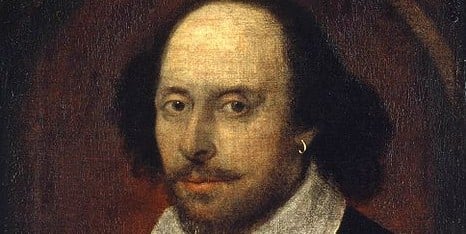
A prominent British theater actor and playwright said that he commonly edits out anti-Semitic passages from performances of Shakespeare’s plays because they bear a greater “resonance” in the wake of the Holocaust.
Mark Rylance, former artistic director of Shakespeare’s Globe theater in London, told the Daily Mail Monday that historically speaking, playwrights often self-censored performances to match a particular audience or town and passages were frequently removed to prevent offense.
“There are some very unfortunate anti-Semitic things that the characters say. I have to make the decision, do I include that or not,” Rylance said.
“If a character says it, it doesn’t mean the author means it but since the Holocaust… these statements have a lot more resonance now than they did at that time,” he said.
Rylance noted that unlike the many bawdy or vulgar jokes that pepper Shakespeare’s pieces, when approaching anti-Semitic passages, he feels a lot more pressure to cut it out.
Professor John Jowett of The Shakespeare Institute at the University of Birmingham also noted that from a contextual perspective, the famous 16th century playwright was probably influenced by commonly accepted anti-Semitic themes that permeated England’s cultural and social milieu at the time.
“Anti-Semitism is a fact of the early modern culture in which Shakespeare lived, worked, and thought, and he was not exempt from it,” Jowett told the Daily Mail.
“Mark Rylance is absolutely right to note the sharply anti-Semitic ‘resonance’ that some of the lines Shakespeare gives his characters have today,” he said, adding that directors should be free to decide whether to play the text fully or soften its edges to avoid giving offence.







The Times of Israel Community.