

Bondi Beach Hanukkah killer charged with 59 offenses including terror, 15 counts of murder
As Australian authorities probe perpetrators’ suspected ties to Islamic State and November trip to Philippines, Manila dismisses claim country was used for terrorist training
 Add ToI as a Preferred Source on Google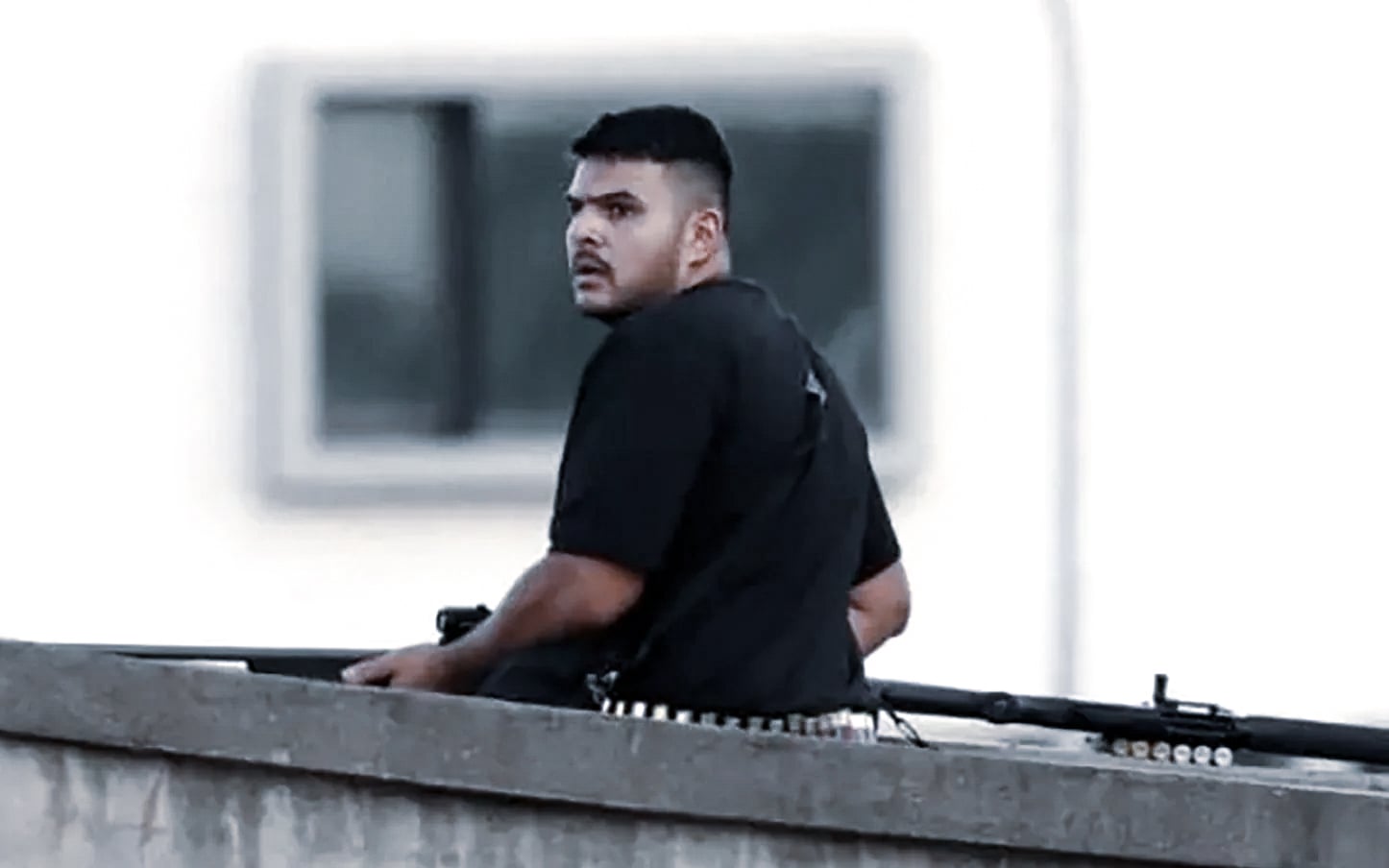
The surviving gunman in Sydney’s Bondi Beach terror attack at a Jewish community event was charged Wednesday with 59 offenses, including 15 charges of murder, as Australian authorities were investigating the two perpetrators’ links to the Islamic State terror group.
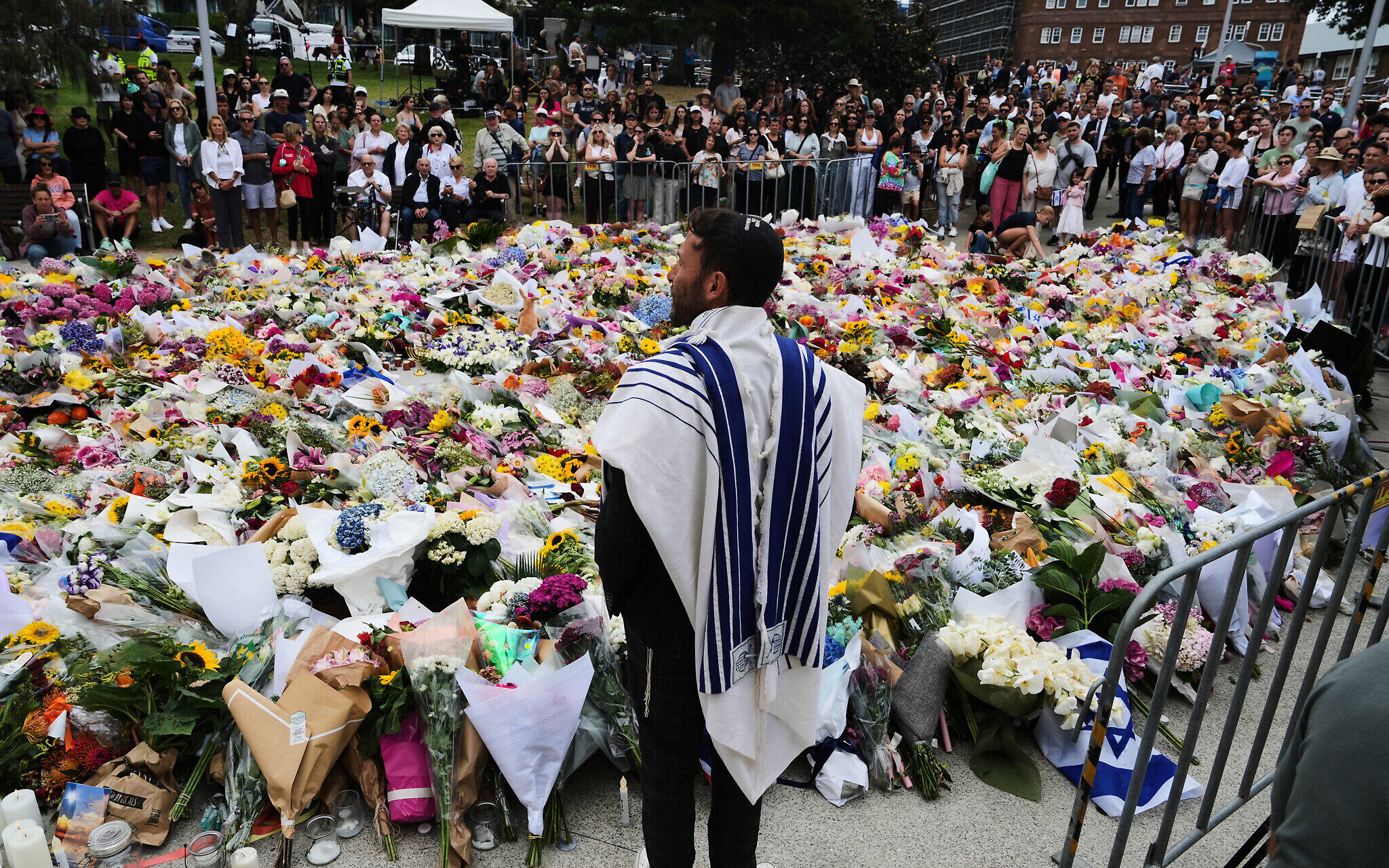
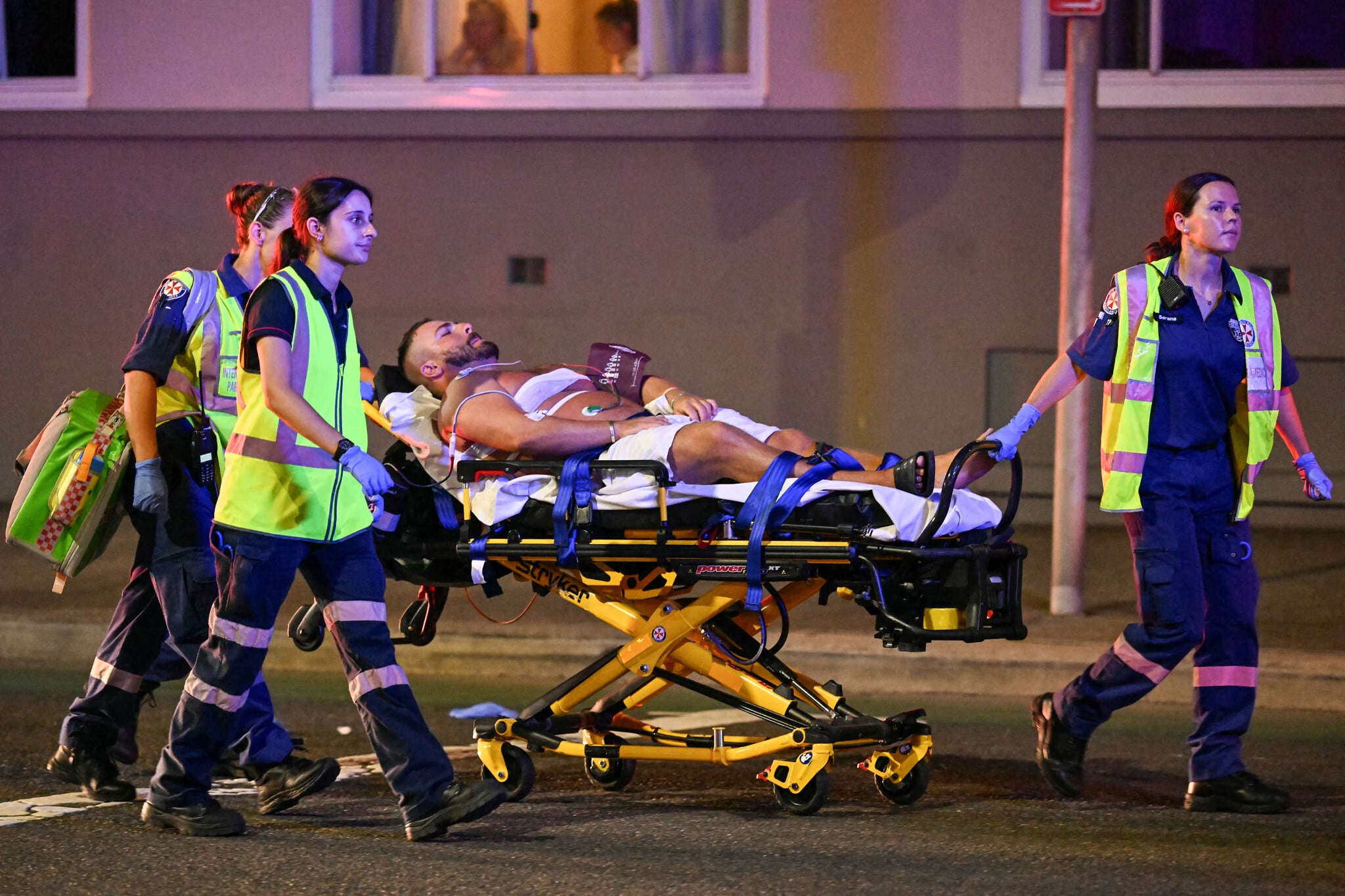
Two terrorists slaughtered 15 people on Sunday in a mass shooting targeting Jews celebrating Hanukkah at Bondi Beach, and nearly 20 other people are still being treated in hospitals.
As investigations unfold, Australia faces a social and political reckoning about antisemitism, gun control, and whether police protections for Jews at events such as Sunday’s were sufficient for the threats they faced.
Naveed Akram, 24, faces a maximum sentence of life in prison if convicted, Australian Federal Police Commissioner Krissy Barrett said in a statement on Wednesday.
Barrett said the investigation into the massacre is continuing and sent words of reassurance to the Jewish community. She said there is “no ongoing threat.”
“It is hard not to be moved by the weight of grief that is hanging over Sydney,” she said. “It is a reminder of the cruel and hateful act perpetrated against the Jewish community. As AFP commissioner, I say to Jewish Australians, you do not and you should not share this grief alone.”

Accused shooter charged in hospital
Akram was charged on Wednesday after waking from a coma in a Sydney hospital, where he has been since police shot him and his father at Bondi during the murderous attack. His father, Sajid Akram, 50, died at the scene.
The charges include one count of murder for each fatality and one count of committing a terrorist act, police said.
Akram was also charged with 40 counts of causing harm with intent to murder in relation to the wounded, and with placing an explosive near a building with intent to cause harm.
Police said the Akrams’ car, which was found at the crime scene, contained improvised explosive devices.
Akram’s lawyer did not enter pleas and did not request his client’s release on bail during a video court appearance from his hospital bed, a court statement said.
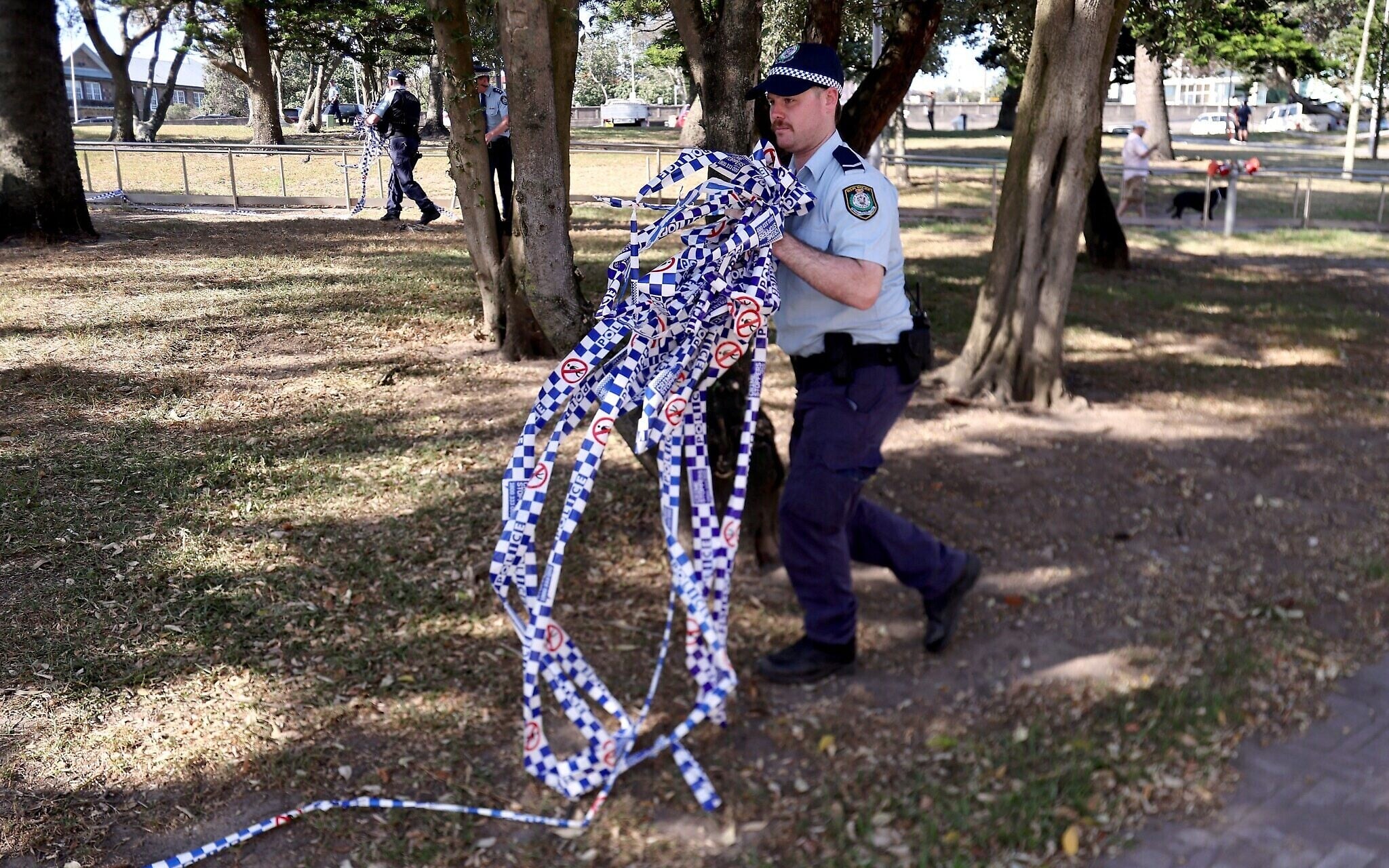
Akram is being represented by Legal Aid NSW, which has a policy of refusing media comment on behalf of clients. He is expected to remain under police guard in the hospital until he is well enough to be transferred to prison.
Authorities probe connection to Islamic State
Authorities believe that the massacre was “a terrorist attack inspired by Islamic State,” Barrett said Wednesday.
Islamic State is a scattered and considerably weaker group since a US-led military intervention drove it out of territory it had seized in Iraq and Syria in 2014, but its cells remain active, and it has inspired a number of independent attacks, including in Western countries.
Authorities are also examining a trip the suspects made to the Philippines in November.
Groups of Muslim separatist militants, including Abu Sayyaf in the southern Philippines, once expressed support for ISIS and have hosted small numbers of foreign jihadis from Asia, the Middle East and Europe in the past.
The Philippines said Wednesday there was no evidence that the country was being used for terrorist training.
President Ferdinand Marcos “strongly rejects the sweeping statement and the misleading characterisation of the Philippines as the ISIS training hotspot,” presidential spokeswoman Claire Castro said at a press briefing.
“No evidence has been presented to support claims that the country was used for terrorist training,” she added, reading from a National Security Council statement. “There is no validated report or confirmation that individuals involved in the Bondi Beach incident received any form of training in the Philippines.”
On Tuesday, the country’s immigration office confirmed that Sajid and Naveed entered the country on November 1, headed for the southern province of Davao.
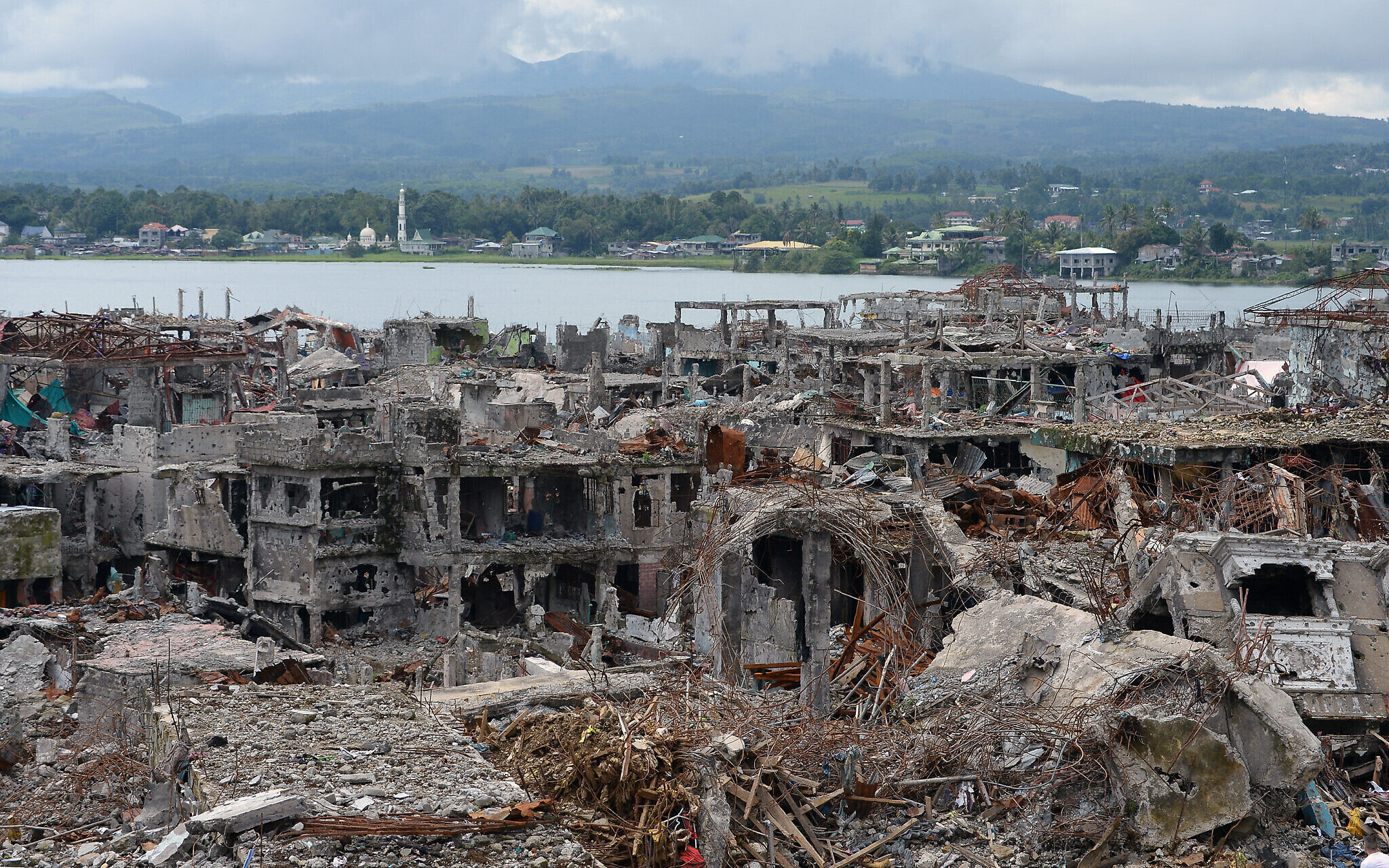
The island of Mindanao, where Davao is located, has a long history of Islamist insurgencies against central government rule.
The Philippine military, however, said Wednesday that armed Muslim groups still operating on Mindanao had been largely degraded in the years since the 2017 siege of Marawi.
The five-month battle for the city that pitted government forces against pro-Islamic State Maute and Abu Sayyaf militants claimed more than 1,000 lives and displaced hundreds of thousands of people.
“We have not recorded any major terrorist operations or training activities… since the beginning of 2024,” Philippine military spokeswoman Colonel Francel Padilla said at a morning press briefing.
“They are fragmented, and they have no leadership,” she added of the insurgent groups.
Colonel Xerxes Trinidad told reporters the Akrams’ November trip to the Philippines would not have provided adequate time for significant training.
“Training cannot be acquired in just 30 days… especially if you are to undergo marksmanship [training],” he said.
But Rommel Banlaoi, a Manila-based security analyst, told AFP that while many insurgent groups were “on the run,” they were far from eradicated.
“There are still many active training camps in [central] Mindanao. Those did not disappear,” he told AFP, adding even weakened insurgent movements maintained connections “locally and globally online.”
Albanese pledges action
The news that the suspects were apparently inspired by the Islamic State terror group provoked more questions about whether Australia’s government had done enough to stem hate-fueled crimes, especially directed at Jews. In Sydney and Melbourne, where 85 percent of Australia’s Jewish population lives, a wave of antisemitic attacks has been recorded in the past year.
After Jewish leaders and survivors of Sunday’s attack lambasted the government for not heeding their warnings of violence, Australian Prime Minister Anthony Albanese vowed Wednesday to take whatever government action was needed to stamp out antisemitism.
Albanese and the leaders of some Australian states have pledged to tighten the country’s already strict gun laws in what would be the most sweeping reforms since a shooter killed 35 people in Port Arthur, Tasmania, in 1996. Mass shootings in Australia have since been rare.
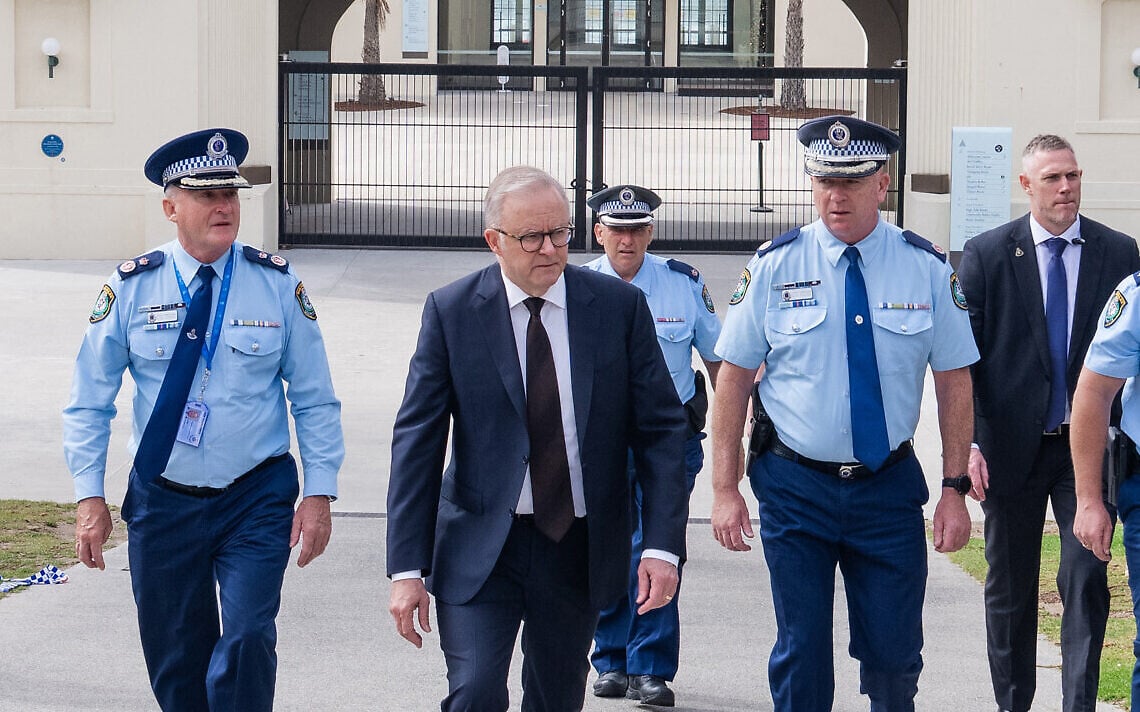
Albanese has announced plans to further restrict access to guns, in part because it emerged the older suspect had amassed six weapons legally. Proposed measures include restricting gun ownership to Australian citizens and limiting the number of weapons a person can hold.








The Times of Israel Community.