

Clashes in the offing, Netanyahu in the crosshairs
With the Temple Mount crisis seemingly persisting, papers preview fears over Friday fighting and take aim at the PM for his political maneuvering
 Add ToI as a Preferred Source on Google
Joshua Davidovich is The Times of Israel's Deputy Editor
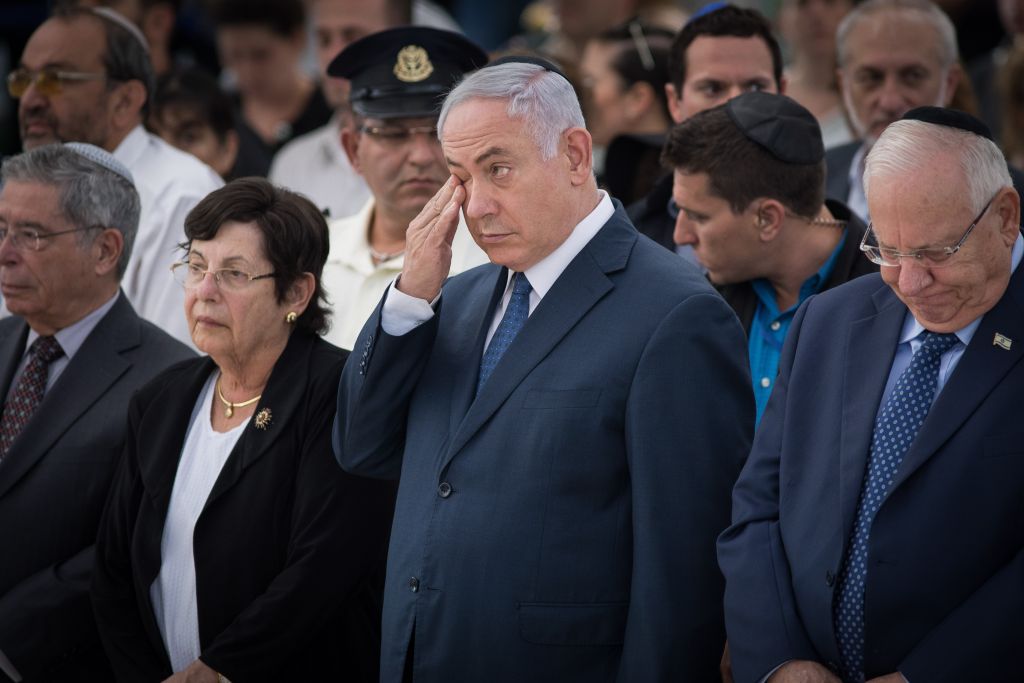
Israeli papers on Friday morning are filled with foreboding of what may come in the next hours, with heavy clashes expected for a second week in a row. But while the Molotov cocktails are being poured and the guns are being cleaned, pundits seem mostly concerned with either sharpening their knives for Netanyahu and his attempts to shift right, or sheathing knives that had previously been pulled out.
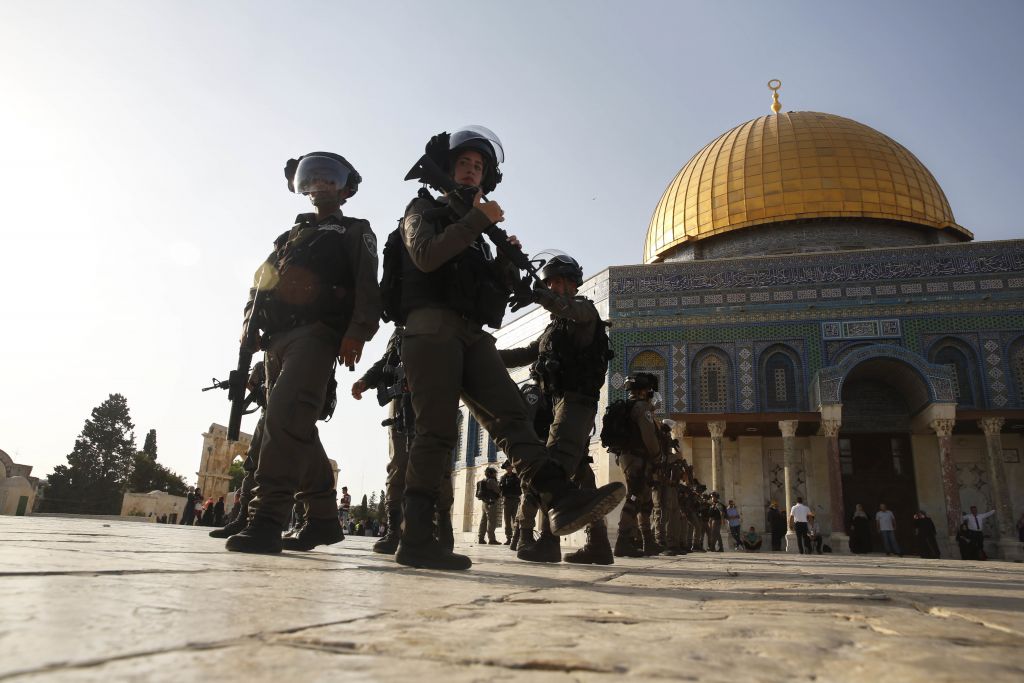
Much of the reportage is focused on both the clashes on Thursday, even after Israel removed all the offending security measures from the Temple Mount, and preparations for more and worse clashes Friday.
Israel Hayom reports that more than 3,000 extra police will be on hand to guard Jerusalem, calling the Temple Mount a “volcano.”
“The tensions and clashes surrounding the Temple Mount haven’t faded for a second. Thousands of worshipers fought yesterday with police on the Temple Mount, and police have raised the preparedness level in Jerusalem to Operational Activity — the second-highest level,” the paper reports.
Yedioth Ahronoth also notes that more cops will be on hand this week “and without technology methods: metal detectors and cameras, which were removed.”
The paper quotes police chief Roni Alsheich refusing to say whether he supported putting up the metal detectors or not and offering only that “if he answered the question of who first proposed putting up the metal detectors ‘many would be surprised.’”
Haaretz focuses as much on the Temple Mount clashes as on the latest right-wing moves Netanyahu is talking up, including trading settlement blocs for Arab Wadi Ara towns bordering the West Bank, and imposing the death penalty on the terrorist who stabbed three people to death in Halamish.
Those moves don’t make it into Haaretz political analyst Yossi Verter’s column, written on Wednesday, but other moves, like trying to banish al Jazeera and expand Jerusalem’s boundaries, do. Unfortunately for the prime minister, Verter says, this time he may have gone too far against his base.
“There are those who see the recent glitch as a minor tremor. But something has changed. The walls are collapsing in rapid succession. His immune system is weaker. His status has been undermined. His authority is crumbling. There’s no better proof of this than the fact that the Likud young guard issued an angry statement expressing nothing less than ‘disgust’ at the security cabinet’s decision. Lucky they didn’t summon their party leader for a hearing before his ouster,” he writes.
In Yedioth Ahronoth, though, columnist Yoaz Hendel writes that Netanyahu should be less worried about political survival than just doing the right thing — which he is not.
“Right-wing criticism doesn’t kill. It goes away quickly. There are enough Likud voters that trust Netanyahu even if he puts metal detectors in the middle of the street,” he writes. “If Netanyahu thought that he was willing to pay the price to do what is needed, he wouldn’t have had to fold. The message to the Arab world and the Islamic Movement is that pressure on Israel works… What we saw yesterday [in the clashes] was already reaching national arrogance. These are the ingredients that usually lead to bloodshed. Whoever didn’t see the ramifications of folding for the short term can now see what the long-term consequences are.”
Dror Eidar in Israel Hayom pens a strikingly similar message of the right not totally abandoning the prime minister, which — given that it’s in the paper once seen as Netanyahu’s closest ally but which launched an unprecedented attack on him over the metal detector issue earlier this week — is likely cause for him to breathe a sigh of relief.
“The public still trusts Netanyahu as the captain of the Zionist ship. On the other hand, Netanyahu needs to understand the feelings and anger against him and treat criticism of him [from the right] as a father defeated by his sons,” he writes.
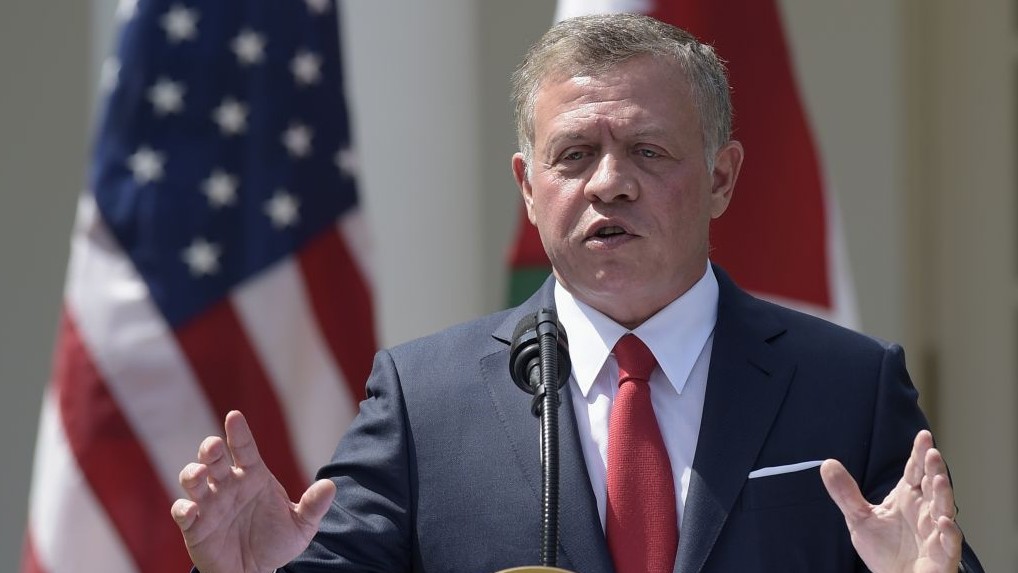
And what of criticism from other quarters, which is in no short supply, including from Jordan? Haaretz reports on its front page that King Abdullah let loose with “sharp criticism” against Netanyahu for trying to win political points with the Amman embassy guard episode.
Diplomatic correspondent Barak Ravid shows he thinks Abdullah has a case, penning a column titled “Netanyahu’s spin machine is working overtime.” In the column, Ravid writes that while most of Netanyahu’s bluster is harmless and no legislation will come to pass, it’s another story with him ticking off Jordan.
“It’s hard to exaggerate the severity of this confrontation between Netanyahu and Abdullah. One can only guess how damaging it will be to trust between the leaders — an important element in the sensitive ties between Israel and Jordan. It’s a mistake to think this is momentary anger that will pass quickly,” he writes. “Netanyahu has managed in a short time to do serious damage to the alliance with Jordan, which was founded on painstaking work. It’s amazing to see how much damage can be caused just for spin aimed at a domestic audience.”

In Yedioth, columnist Smadar Peri writes that Abdullah has had it in for Netanyahu for years, from the botched Khaled Mashaal assassination in 1997, which he watched unfold as heir to the throne, to his claim of getting nothing but grief from the Israeli leader during his first months in power. But the picture of Netanyahu hugging an embassy guard who shot dead two Jordanians (Israel says it was self-defense) was the final straw.
“Imagine how Netanyahu would react if Abdullah invited over Ahmad Daqamseh, who killed seven Israeli girls and was freed from a life sentence in Jordan six months ago,” she writes, arguably drawing a false equivalency. “In the case of Daqamseh he stood trial, served his time and won’t be getting anywhere near the palace or the Jordanian king.”







The Times of Israel Community.