

Construction of first US-backed housing compound said to begin this week in Rafah
NY Times report outlines American eagerness to move ahead with plan to build ‘alternative safe communities’ of temporary structures on Israeli side of Yellow Line dividing Gaza
 Add ToI as a Preferred Source on Google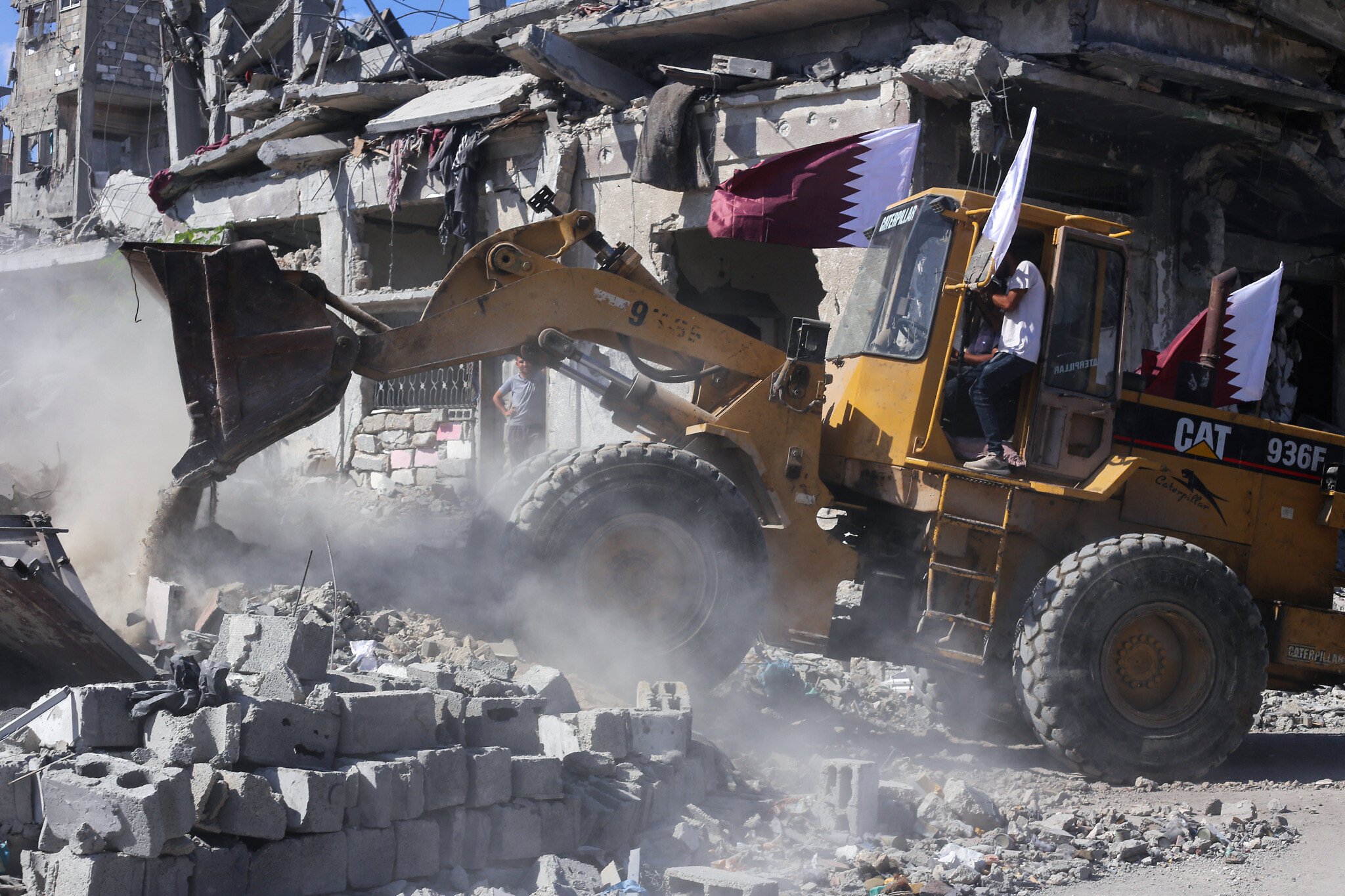
The Trump administration is advocating for the swift construction of residential compounds in areas of Israeli-controlled Gaza that would provide housing to Palestinians in the enclave, The New York Times reported on Tuesday.
Citing interviews with 20 US, Israeli and European officials, the newspaper said the compounds would be known as “alternative safe communities,” with each housing 20,000 to 25,000 Gazans. The compounds, which will be composed of temporary structures, will include medical clinics and educational facilities.
The report’s core details were first revealed by The Times of Israel at the beginning of this month, when Arab diplomats relayed that one of the main proposals presented to potential Gulf donor countries had envisioned the construction of roughly half a dozen residential regions in the eastern half of the Strip, which is currently under Israeli control.
The diplomats said that “new Gaza” was the term frequently used by US officials to describe the project that will take place on the eastern side of the Yellow Line — the newly created boundary to which the IDF withdrew on October 10, at the start of the Gaza ceasefire agreement between Israel and Hamas.
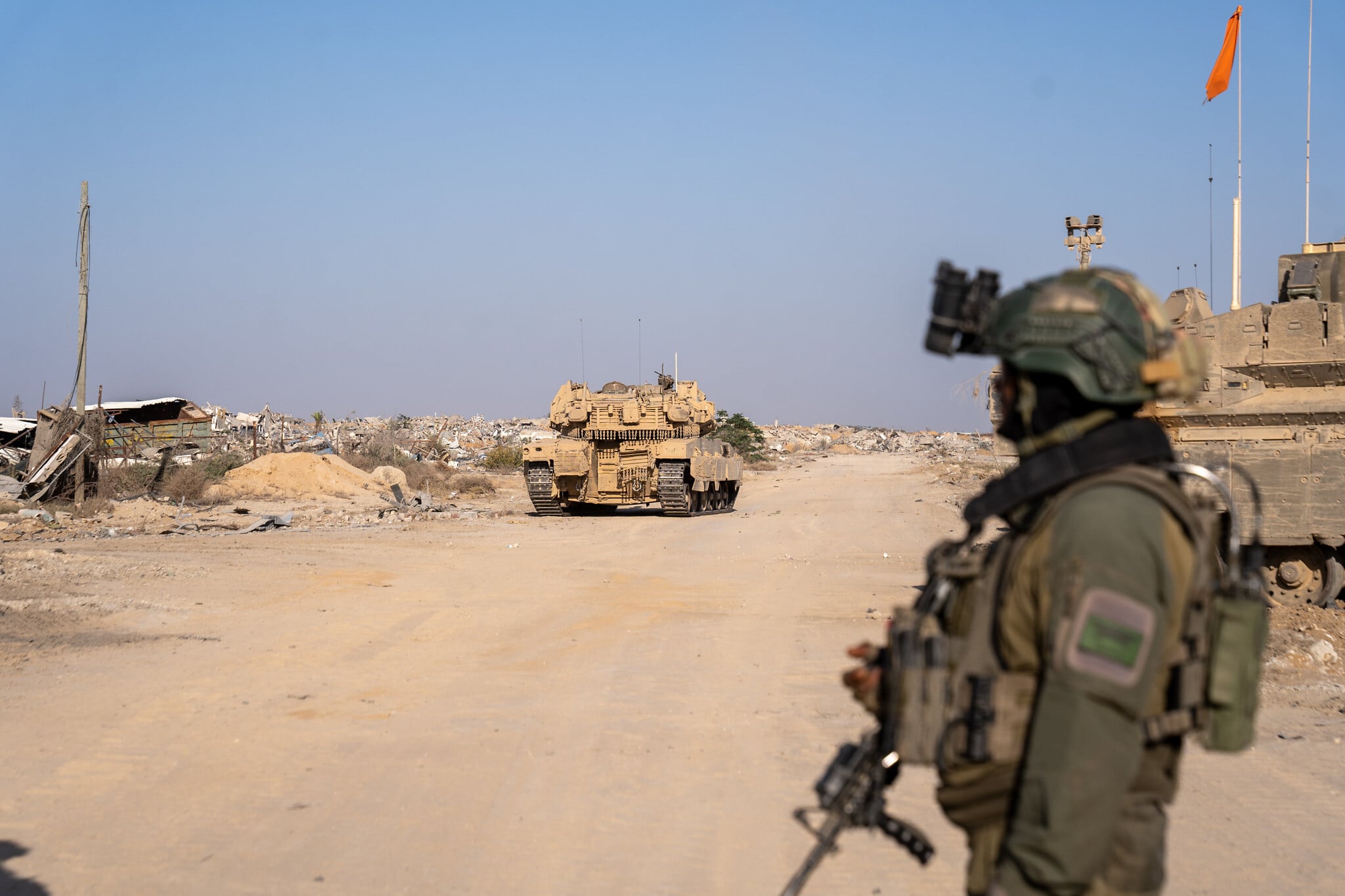
The report said that the first compound is expected to be built in Rafah, near the Egyptian border, with initial work slated to begin this week. It would take several months to complete and likely cost tens of millions of dollars.
“There’s a practical issue: How do we get people into safe housing as soon as humanly possible?” senior Trump administration official Aryeh Lightstone, who is in charge of the effort, told The Times. “This is the easiest way to do that.”
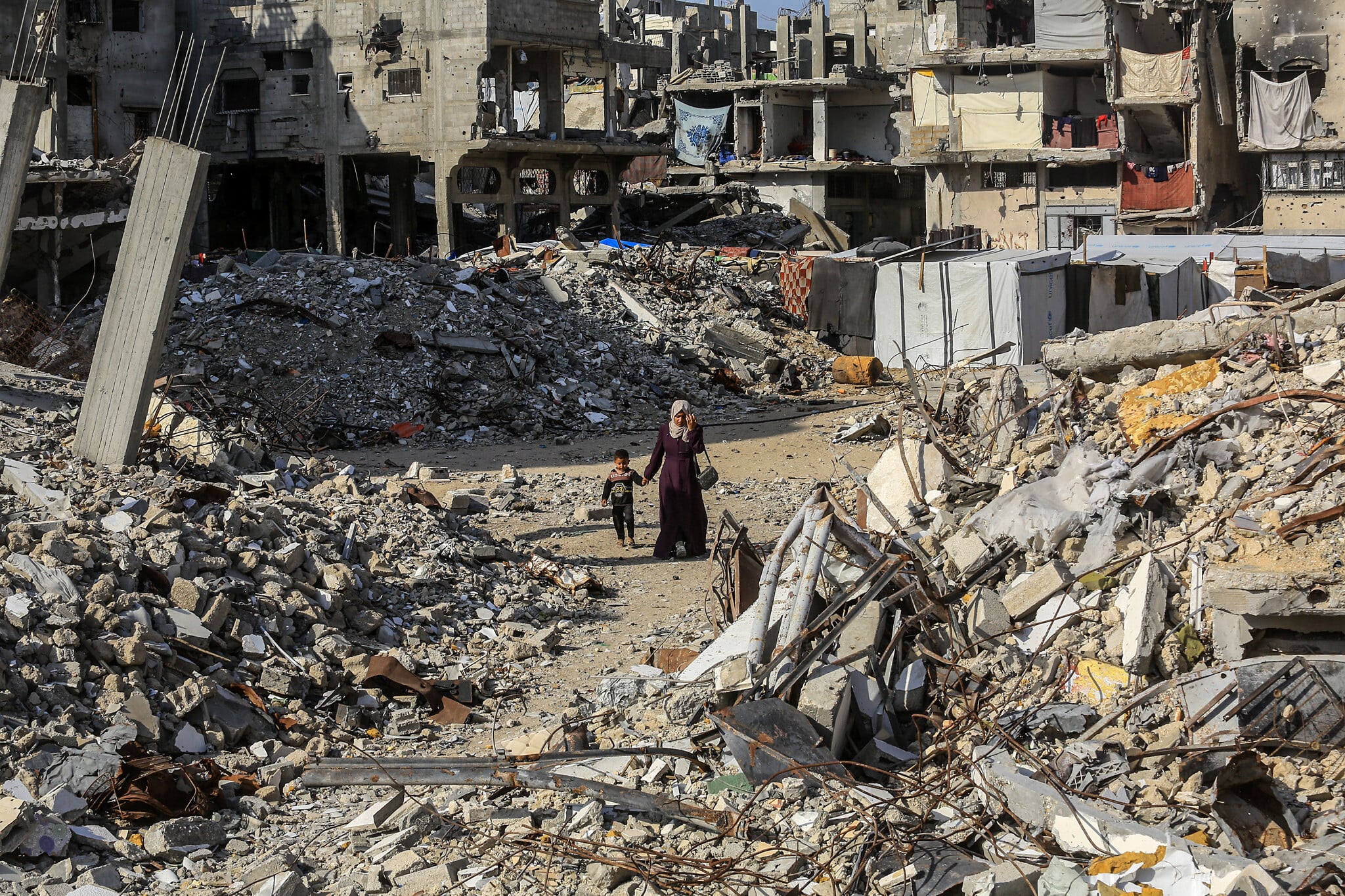
The report noted that it is unclear how many Palestinians are able or would want to live in the compounds, which if constructed, would only have sufficient space for a small number of the Gaza Strip’s roughly 2 million residents, and how the project would be funded.
Officials quoted in the report also cited concerns over whether Palestinians who moved to the compounds would be able to later leave; whether Israel could block some potential residents after vetting them; and how to compensate Gazan property owners for the use of their land.
Two US officials told the newspaper that one major objective of the plan is to create jobs for Palestinians, including those hired to build the compounds.
According to the newspaper, the project, spearheaded by Lightstone, is led by a team of “American diplomats, Israeli magnates and officials from the [US] Department of Government Efficiency” and works out of two luxury hotels in Tel Aviv.
The report said that US officials are the most gung-ho about the construction project, with Israeli figures supportive but skeptical and European and UN officials issuing warnings.
A month ago, an official in the Prime Minister’s Office told The Times of Israel that when it comes to the Israel-controlled side of the Strip, “the land is clear now, and actually we can start building… we don’t need to wait for phase two on our side.”
However, one Arab diplomat told The Times of Israel several weeks ago that the project would likely be a hard sell to many Gazans.
“Palestinians may not want to live under the rule of Hamas, but the idea that they’ll be willing to move to live under Israeli occupation and be under control of the party they also see as responsible for killing 70,000 of their brethren is fantastical,” the Arab diplomat said, apparently rounding up the death toll from the Hamas-run Gaza health ministry, which doesn’t differentiate between civilians and combatants.
With the onset of the ceasefire in early October, IDF troops withdrew to the so-called Yellow Line, which leaves Israel in control of approximately 53 percent of the Gaza Strip.
The division is intended as a temporary one under the Trump administration’s 20-point Gaza peace plan. Israeli troops are slated to withdraw further once the so-called International Stabilization Force, a multinational collection of troops set up by the US and Arab and Muslim allies, is deployed to the Strip.
Last week, the UN Security Council voted in favor of establishing the ISF, stating that it will help secure Gaza’s borders, protect civilians, secure humanitarian aid, train Palestinian police and — most critically to Israel — “ensure the process of demilitarizing” the Strip.
The resolution authorizes the Board of Peace and the ISF to operate in Gaza until the end of 2027, and a US official told The Times of Israel that Washington is aiming for the foreign force to deploy at the beginning of 2026, although a number of hurdles still remain.
Jacob Magid contributed to this report.







The Times of Israel Community.