

End of the line for Israel Railways chief amid mounting service failures
Shahar Ayalon ousted as frequent disruptions plague trains, including Jerusalem-airport fast track, and financial losses mount
 Add ToI as a Preferred Source on Google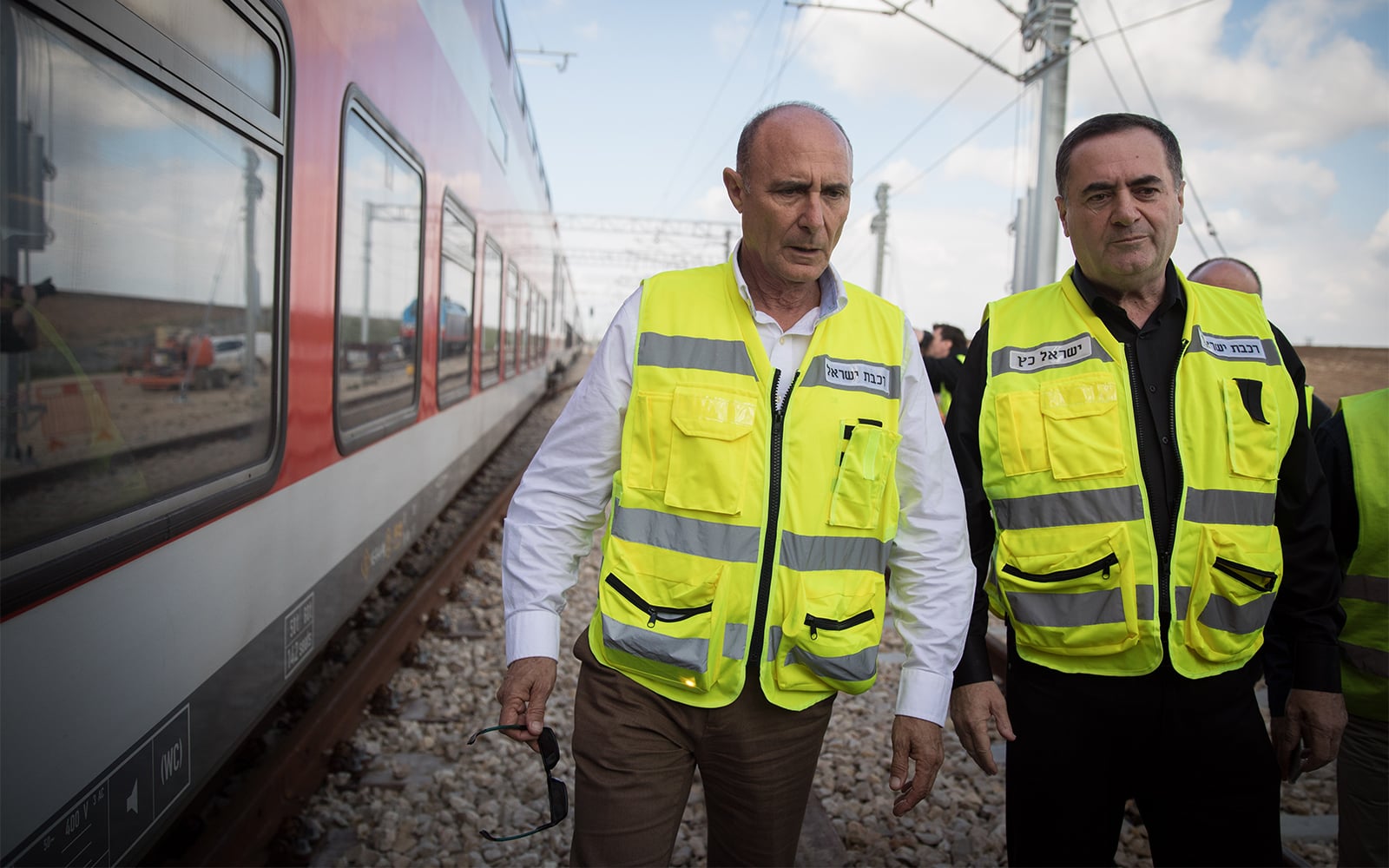
The CEO of Israel Railways, Shahar Ayalon, will step down following a string of problems with services and recent quarterly losses of hundreds of millions of shekels.
“Yesterday, the Israel Railways chairman of the board spoke with the CEO regarding the end of his position,” the state-owned company said in a statement Monday. “The Israel Railways directorate will meet this evening to discuss the matter.”
Ayalon, a former Fire and Rescue Commissioner and Tel Aviv region police commander, took up the job a year and a half ago.
A recent financial report from Israel Railways showed a NIS 273 million ($72.4m) quarterly loss.
There have also been numerous problems with services, in particular on the new high-speed line from Jerusalem to Ben Gurion Airport.
On Monday service was halted for two hours due to technical faults and on Sunday the number of trains per hour was halved to just one as a result of a problem with an electric locomotive.
Passengers have suffered through numerous hiccups and delays since the new electric line opened in September, including last week, when all services were stopped for an hour due to technical issues.
In another incident, travelers reported being stuck in a tunnel for 25 minutes shortly after leaving the capital’s new Yitzhak Navon Station.
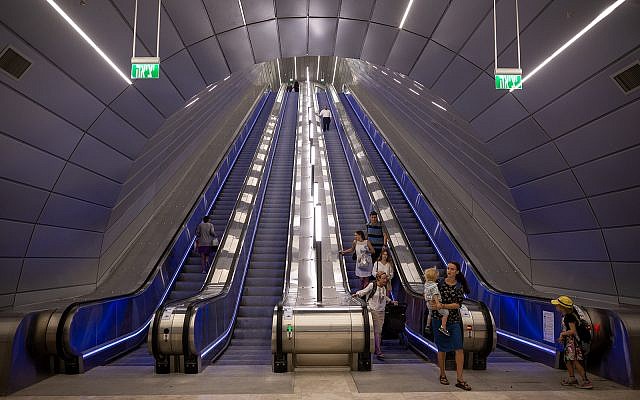
The original estimated completion date for the line passed years ago. Then the opening was delayed by five months.
Plans were for the trains to run directly from Jerusalem to Tel Aviv, but due to delays in electrifying the line from Ben Gurion Airport to Tel Aviv, passengers can only travel between Jerusalem and the airport at present.
The hilly section from Jerusalem to Latrun has five tunnels and several miles of bridges, which afford views of the Jerusalem hills.
In the coming months the line will be extended, first to Tel Aviv’s stations and eventually to Herzliya. Depending on the time of day, up to four trains will run each hour in both directions, traveling at up to 160 kilometers (100 miles) per hour.
The project was conceived in 2001, at an estimated cost of around NIS 3.5 billion ($978 million). Work began in 2005, only to be halted by environmentalist opposition until 2009. Tunneling recommenced in 2012. The final cost amounts to around NIS 6.5 billion ($1.8 billion).









The Times of Israel Community.