

Ex-nurse recalls bravery and carnage in failed 1944 Polish revolt against Nazis
In largest act of resistance during World War II, 50,000 fighters of clandestine Home Army fought Germans for 63 days before surrendering
 Add ToI as a Preferred Source on Google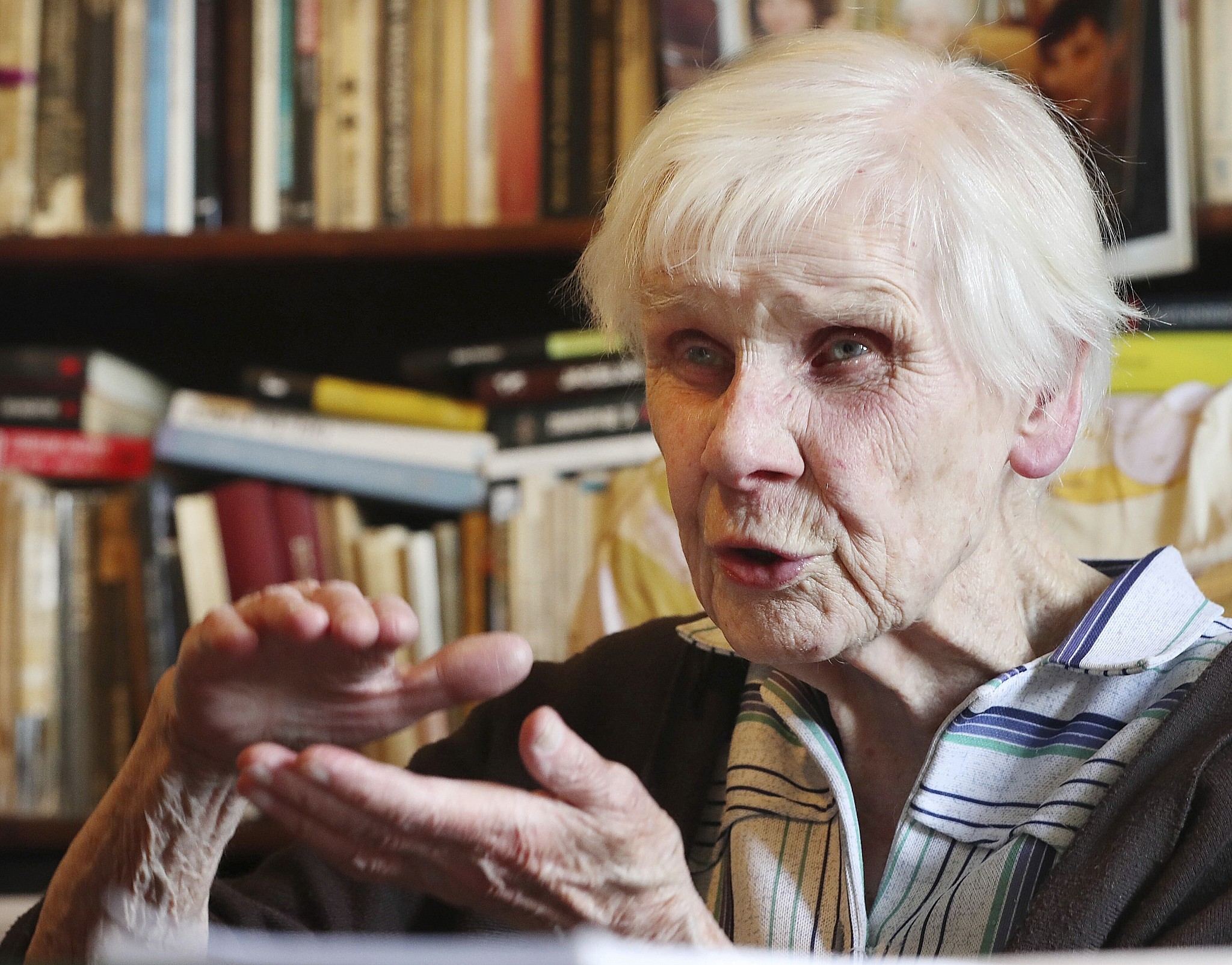
WARSAW, Poland (AP) — Maria Mostowska was a young pediatric nurse when the Warsaw Rising against the Nazi Germans occupying Poland broke out on August 1, 1944.
Seventy-five years on, she still vividly remembers how German troops put her against a wall and aimed a machine gun. She recalled how quickly the hospital filled with wounded resistance fighters and civilians, and how the Nazis destroyed the capital city.
“We worked round the clock dressing wounds, we did not leave the surgery,” Mostowska told The Associated Press.
Some 50,000 fighters of Poland’s clandestine Home Army — most of them poorly armed — fought the Germans for 63 days before surrendering, in the biggest single act of resistance in occupied Europe during World War II. Some 18,000 insurgents were killed and another 25,000 were injured.
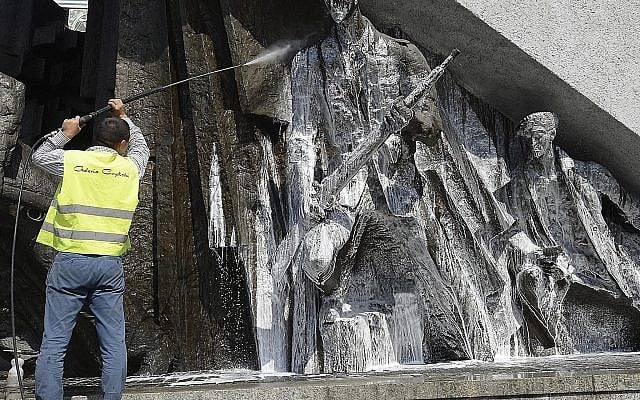
On Thursday, Warsaw honors the failed rising (not to be confused with the 1943 Warsaw Ghetto Uprising), which had been a taboo topic during four decades of communist rule imposed on Poland after the war.
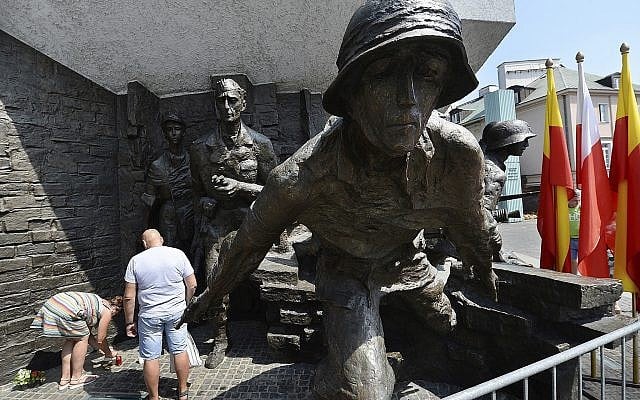
Wreath laying ceremonies by state leaders are planned and sirens will wail at 5 p.m. (1500 GMT), the hour when the rising began. German Foreign minister Heiko Maas will be attending.
The resistance fighters were hoping for quick support from the Allies to free Warsaw from the Germans and take control before the Soviet Red Army arrived.
But no substantial help came, and the desperate fight that had been ordered by the government-in-exile in London went on for two months before the surviving insurgents surrendered.
German bombings and mass executions led to the death of some 180,000 civilians, and rebellious Warsaw was razed. The Nazis expelled some 500,000 remaining residents, sending many to the Auschwitz death camp. The Warsaw Rising failed to prevent the Soviet control of the city and of the country.
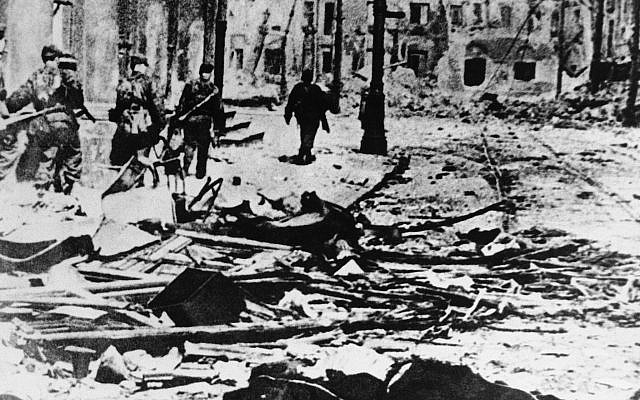
Mostowska was working at the Karol and Maria hospital in the Wola district, where, on Adolf Hitler’s orders, German and Ukrainian troops exterminated tens of thousands of civilians, including women and children, in revenge for the revolt.
She recalled that the Germans came one day and raided the hospital, acting like “madmen,” killed the chief doctor and top nurses.
“They put us against the wall, aimed a machine gun, so we thought they would kill us that instant,” she said.
But suddenly the orders changed and they were made to run, carrying the children, to another hospital. She was carrying a paralyzed 10-year-old girl.
“When we reached that hospital, we saw heaps of dead bodies of the doctors and the patients (the Germans) had killed,” Mostowska said.
The eight babies they had brought from the first hospital died within days because “We had nothing to feed them,” she said.
She remembers the bravery of young women, including one who helped save a fighter’s life.
“One day a teenage girl reached the hospital, dragging and pulling a young fighter with a severed leg, who was in a very bad shape. And she herself was rather petite. I have no idea how she managed to drag him to the hospital but she did it,” she said.
The young nurse and others searched the abandoned houses for food and medication. They saw German troops come in trucks at night, taking valuables from houses whose residents had been mass-executed before setting the properties ablaze.
Speaking in the same apartment where she has lived since before the war, Mostowska, 96, conceded that while the rising will always be seen as “controversial,” it was motivated by the determination to fight the Germans.
“The hatred was so intense that I thought I could almost touch it,” she said.
Mostowska has put the hatred away, though.
“The Germans are completely different now,” she said. “We live on the same planet, we can’t be in conflict all the time.”
Times of Israel staff contributed to this report.





The Times of Israel Community.