

Critics decry ‘foreign intervention’ after PM said to alter media bill at Trump’s behest
Minister says Netanyahu cut requirement for streaming services to fund Israeli productions, bypassing Knesset, in move seen as unprecedented outside meddling in legislative process
 Add ToI as a Preferred Source on Google
Ariela Karmel is a political correspondent at The Times of Israel. She previously reported for Calcalist and Haaretz. She holds an MA in Middle Eastern and African History from Tel Aviv University and a BA in Political Science from the University of British Columbia.
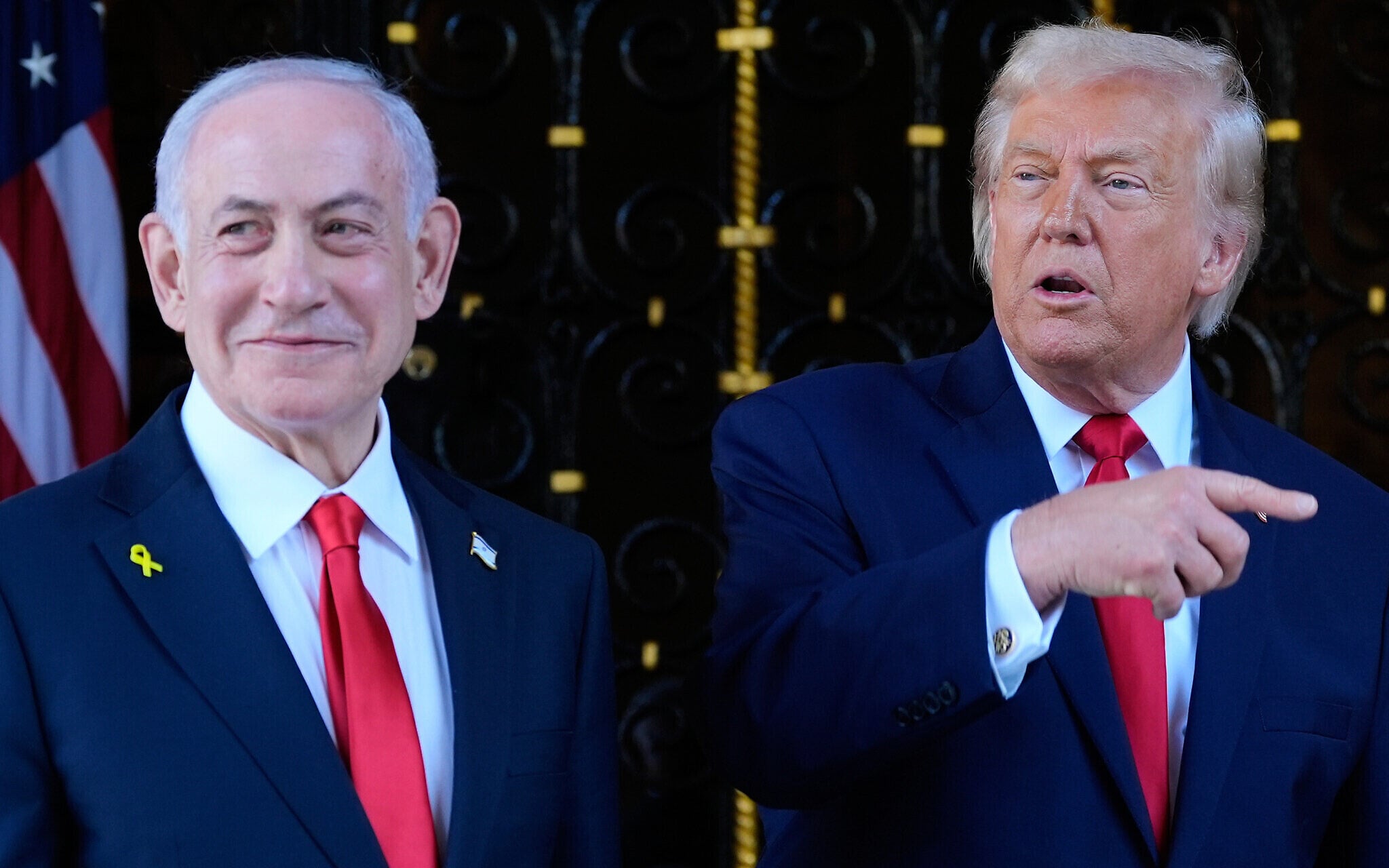
Communications Minister Shlomo Karhi dropped a bombshell last week when he told the special Knesset panel formed to advance his controversial media regulation bill that a key clause requiring international streaming services, such as Netflix and Disney Plus, to invest in Israeli productions had been removed by Prime Minister Benjamin Netanyahu at the request of US President Donald Trump.
Currently, only domestic commercial broadcasters such as channels 12 and 13, along with multi-channel television services such as the Yes satellite provider and Hot cable provider, are required to invest in original Israeli productions. International streaming services, whose market share has surged in recent years, face no such obligation.
One of the original stated aims of Karhi’s bill was to ease and equalize investment obligations by expanding them to additional players, which, he argued, would allow the burden on Israeli channels to be reduced.
However, when pressed on the provision’s status at the meeting, Karhi admitted that Netanyahu unilaterally decided to strike the requirement after Trump demanded it. His comment triggered outrage from opposition lawmakers, representatives of the local industry, and legal officials, who warned that exempting global streaming giants from funding local content would impose a discriminatory disadvantage on local broadcasters and ultimately destroy Israel’s film and television industry.
In an astounding exchange, Karhi said, “The prime minister decided to remove [the clause] because it is a demand coming from the president of the United States.”
In response, Giyora Wahle, the former head of the Israel Association of Cinema and Television Professionals, exclaimed: “Are we the 51st state? Is this the legislature of the United States or of Israel? Whose interests are you serving? There won’t be original Israeli production left here.”
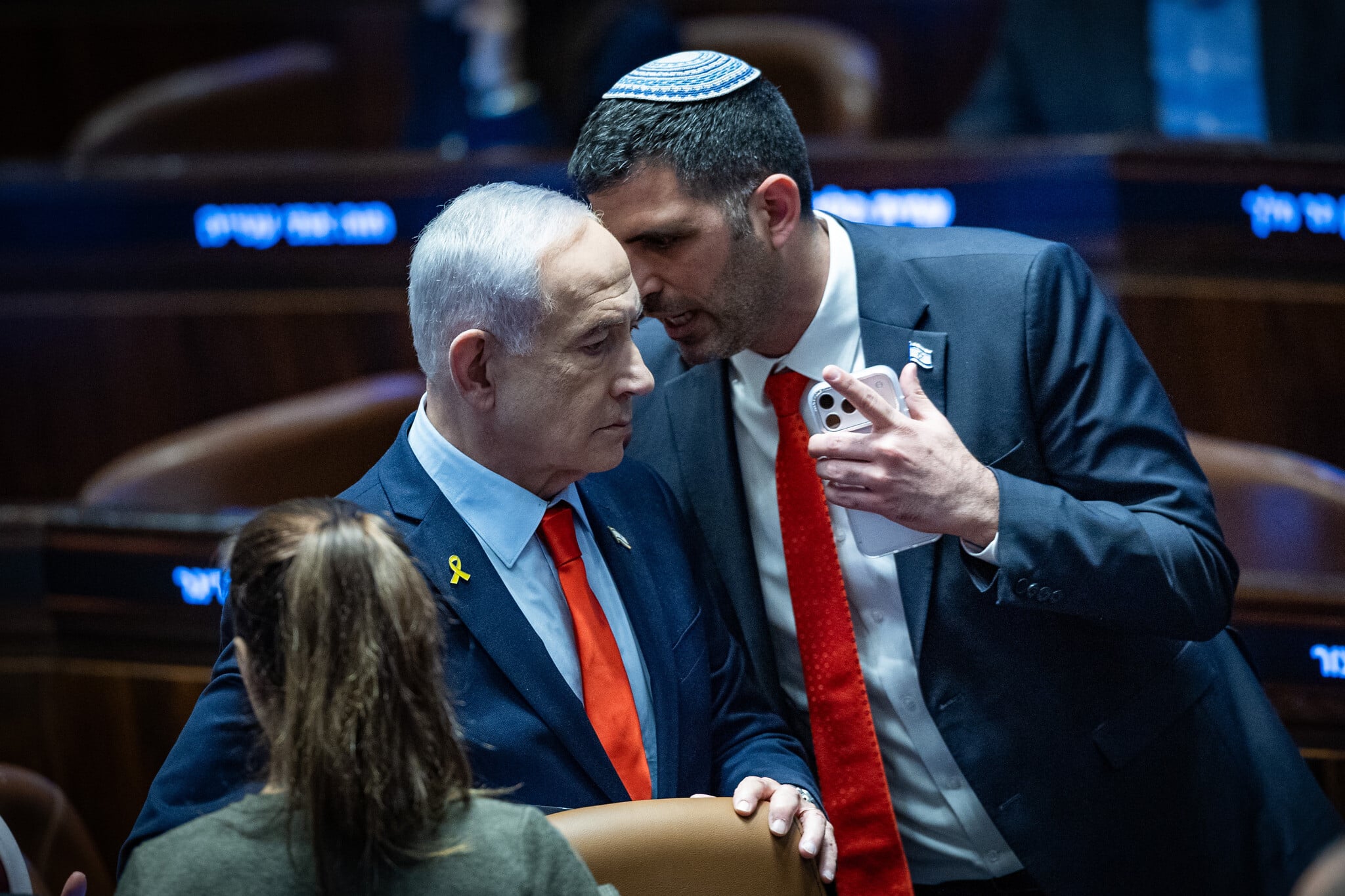
Karhi responded that Netanyahu had removed the clause as part of his “broader diplomatic considerations,” and that the partnership with the American president was “too important for Israel’s survival.”
Netanyahu has not weighed in on Karhi’s account. The Prime Minister’s Office acknowledged receipt of a request for comment but declined to respond.
Wahle later told The Times of Israel that, while he knew that Netflix was lobbying for an exemption, he had no idea that the Communications Ministry had made a final decision.
“We were told, and it was stated on the record, that the ministry’s position was that the obligation to invest in original productions should apply to international companies as well,” he said.
Wahle’s former organization, known by the acronym ACT, said in a statement that the government’s capitulation to American demands represented “a serious blow to Israeli sovereignty.”
Tehilla Shwartz Altshuler, a senior fellow at the Israel Democracy Institute who authored the code of ethics for Israel’s Public Broadcasting Corporation, said that Karhi’s admission is virtually unprecedented.
“I can’t remember an example of an Israeli decision-maker so blatantly saying that they made a decision about Israeli legislation because of pressure from another country,” added Shwartz Altshuler, who also currently oversees the ethical tribunal of the Israel Journalists’ Association, and has appeared regularly at committee deliberations on the bill.
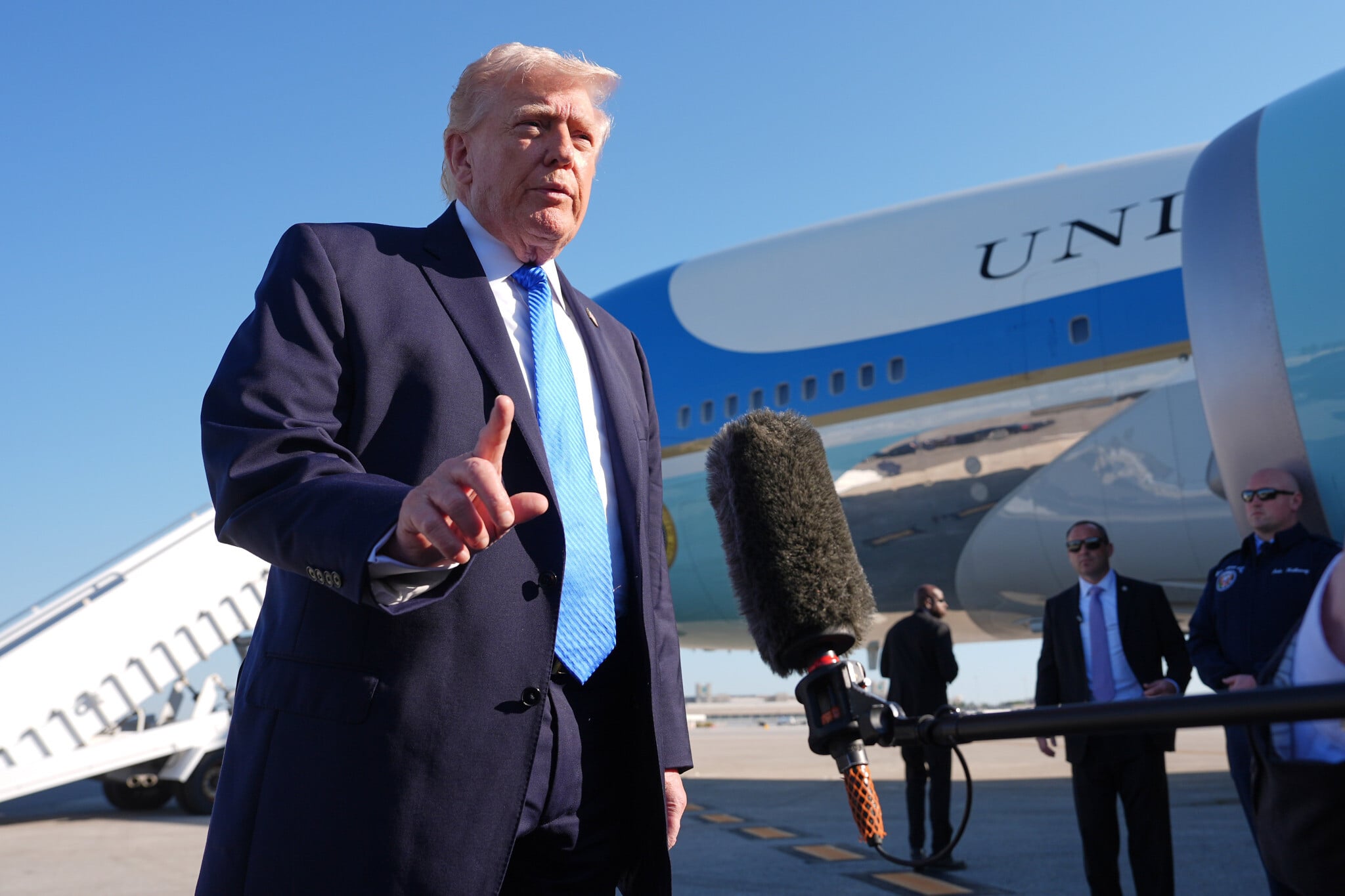
This is not the first time that Trump has meddled in domestic Israeli affairs. He repeatedly blasted President Isaac Herzog for refusing to issue a pardon to Netanyahu in his ongoing criminal corruption trial, calling him a “disgrace” and “weak and pathetic.” The prime minister has not rejected those comments.
Avishay Ben Sasson-Gordis, a senior researcher at the Institute for National Security Studies at Tel Aviv University, where he heads the Israel-United States Research Field, agreed that Trump’s more “overt” intervention in Israeli politics is a marked departure from previous American administrations and “does not bode particularly well for Israeli sovereignty.”
That dynamic also extends to the prime minister, who, Ben Sasson-Gordis said, has a particularly difficult time saying no to Trump.
Netanyahu, he argued, is highly incentivized to fall in line with Trump, who is “as popular as Netanyahu himself among the prime minister’s own voters and even more so among the broader Israeli public.”
The dynamic may become even more pronounced as elections near, when the prime minister is likely to seek clear support from the president, similar to the explicit backing Trump has given Hungary’s Viktor Orbán.
While Israeli leaders have always been dependent on close ties with US presidents, they generally maintained a degree of independence. With Trump and Netanyahu, Ben Sasson-Gordis argued, Israel has become “more restricted” in its ability to pursue policies independently.
“Israel is paying for this friendship with Trump. Netanyahu is relinquishing Israeli sovereignty over issues that are totally unrelated to the war,” Shwartz Altshuler said.
‘A death blow’ for local industry
Beyond concerns regarding US intervention in Israeli legislation, the episode has also raised alarms about the sidelining of the Knesset and a broader erosion of institutional checks and balances.
Opposition lawmakers demanded an explanation for why the issue was not presented to the committee for debate, and why a unilateral decision was made by the executive branch without Knesset input.
“The Knesset committee should have discussed the issue, including political or international considerations. But that’s not what happened. Karhi simply declared, ‘This is what Bibi has said, and this is what’s going to happen,’” Shwartz Altshuler said.
The communications ministry also advanced the legislation to the committee before it underwent legal review by the Knesset’s legal advisers and Attorney General Gali Baharav-Miara, who opposes the bill — a process intended to rigorously interrogate the legislation and identify legal risks in advance. Had it been submitted for review, legal officials would have flagged the exemption for international streamers.
For similar reasons, both Wahle and Shwartz Altshuler noted, nearly every Western country — including the United Kingdom, Australia, and members of the European Union — requires global streaming companies to participate in funding domestic content.
The potential economic impact of exempting streamers, while also reducing the investment obligation of Israeli channels, is even more significant given the rapid growth of streaming services in Israel. Netflix alone claims roughly one million subscribers in the country, and the share of viewing controlled by international platforms such as Disney Plus, HBO Max, Apple TV, and Hulu continues to expand.
Shwartz Altshuler said that if they are exempted from contributing, “investment in Israeli productions is going to go down by about 30 percent.”
In a statement, ACT said that the exemption would constitute “a death blow” to local industry and demanded that Karhi and the members of the Knesset panel “show backbone and not surrender to cynical and self-interested foreign intervention.”







The Times of Israel Community.