

High Court gives state 2 months to provide update on Homesh outpost evacuation
Justices require government to set concrete policy regarding northern West Bank outpost; ruling urges army to maintain order and freedom of access for Palestinians
 Add ToI as a Preferred Source on Google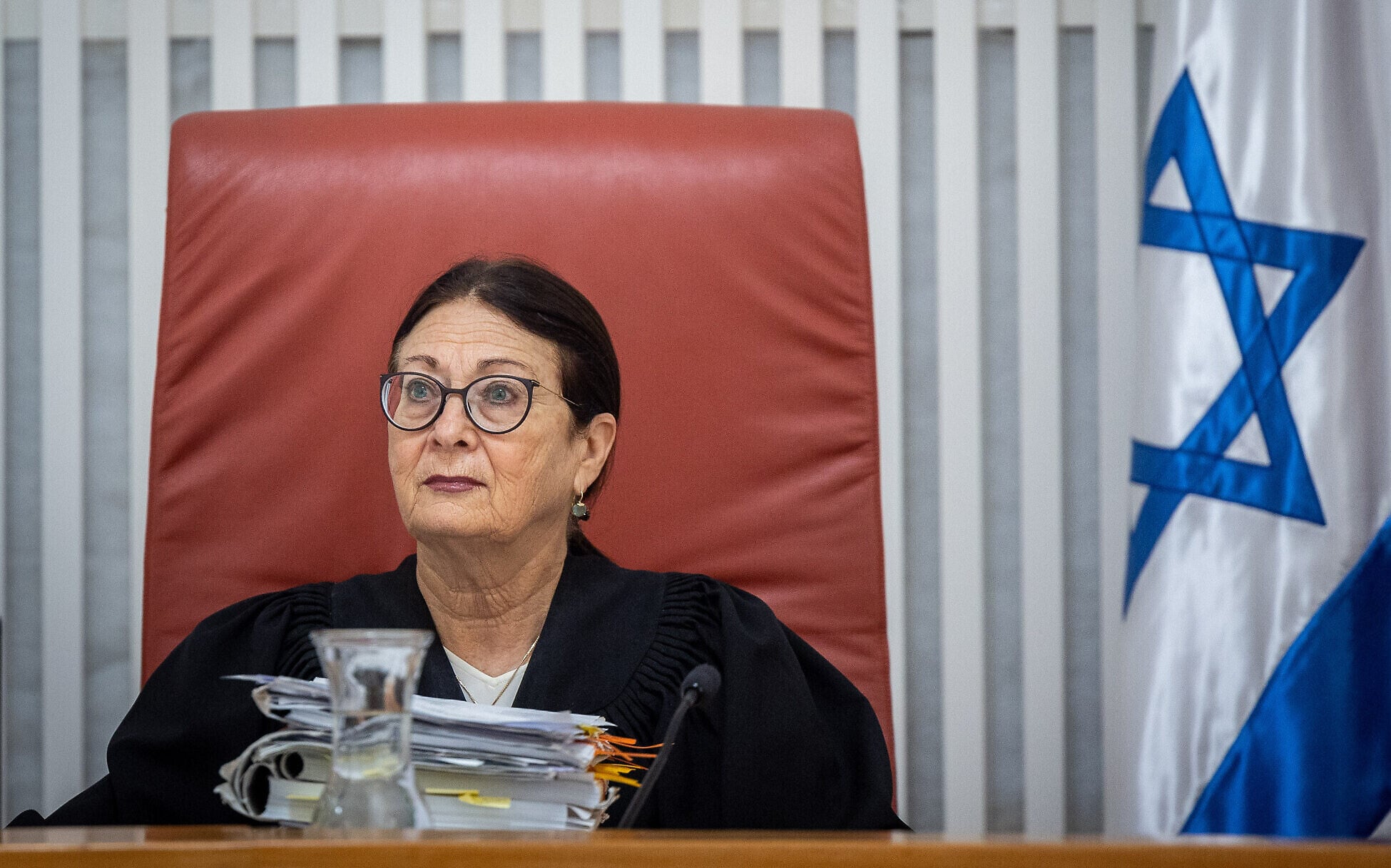
The High Court of Justice ruled on Thursday that the state must provide an update within two months on the state of the evacuation of the Homesh outpost.
“We have noted the statement of the respondents that ‘[Homesh] will be evacuated’ and that enforcement operations will continue, as specified in their court filing,” the three justices on the panel — including Chief Justice Esther Hayut — wrote in a brief ruling.
The justices said they expect an update within two months and “further action on the matter” will be determined accordingly.
In a submission to the court on Sunday, the government acknowledged that the outpost is illegal and should be evacuated, but did not set a timeline for doing so and asked the court not to intervene.
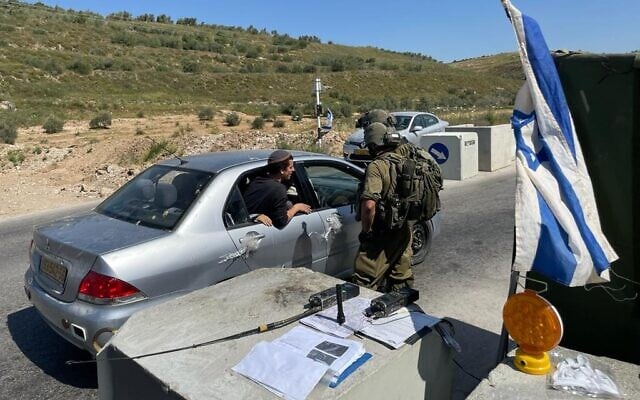
Originally a settlement, Homesh was evacuated during the Gaza disengagement in 2005. Settlers have since repeatedly returned to the hilltop to maintain a religious school, or yeshiva, there. The Israeli military has quietly tolerated their presence — although this flies in the face of Israeli law barring Jewish settlement at the scene.
An attorney for the state acknowledged during the hearing that the army possessed a list of 40 to 45 Israelis who had been approved to reside at the outpost. Thousands of Israelis have reached the outpost in recent months in mass rallies organized by local settler leaders.
The left-wing Yesh Din nonprofit, which submitted the petition to the court, said: “It is clear to everyone that Homesh needs to be evacuated immediately.” It called on Defense Minister Benny Gantz to “stop playing with the law and enforce it.”
Homesh was built on private Palestinian land belonging to residents of the nearby town of Burqa, according to the Peace Now settlement watchdog. The registered landowners petitioned the court alongside Yesh Din, saying that both the army and the Homesh settlers were preventing them from cultivating their lands.
The court said it assumed that “the military commander will ensure freedom of access for [Palestinians] to cultivate their agricultural lands and maintain public order.”
For right-wing settlers, Homesh is a cause célèbre and a symbol of the national tug-of-war for the West Bank.
Palestinians and left-wing Israelis accuse the Homesh settlers of violent extremism, charging that they are behind repeated attacks on Palestinians and their property in the area.
“It is well known that Homesh is an illegal outpost that must be evacuated immediately. But the High Court also cowers in the face of the violence of Homesh’s settlers,” said Meretz lawmaker Mossi Raz.

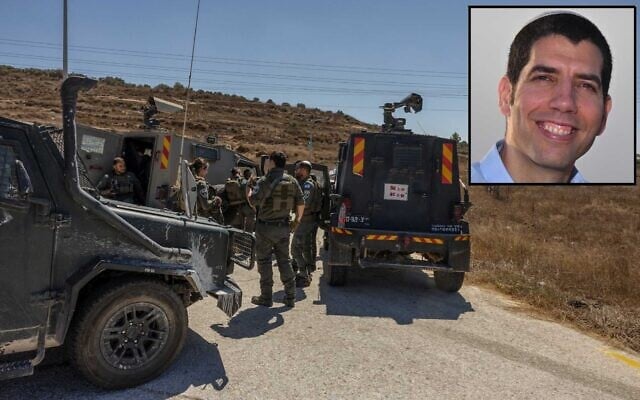
The issue has grown increasingly fraught over the past six months, following a terror attack just outside Homesh in which one Israeli settler, Yehuda Dimentman, was shot dead. Settler leaders and right-wing politicians have called for the outpost to be retroactively legalized in retribution for the deadly attack.
On Wednesday night, the Civil Administration confiscated a memorial for Yehuda Dimentman that had been placed at the site of the attack. The Israeli military body stated that the memorial had been set up illegally and without permission.
Times of Israel staff contributed to this report.








The Times of Israel Community.