

IAEA unable to check Iran’s uranium since June war, says inspection ‘long overdue’
Islamic Republic has enough near-weapons grade uranium for 10 nuclear bombs, says Rafael Grossi, as Tehran fails to produce mandated report in wake of Israeli and US attacks
 Add ToI as a Preferred Source on Google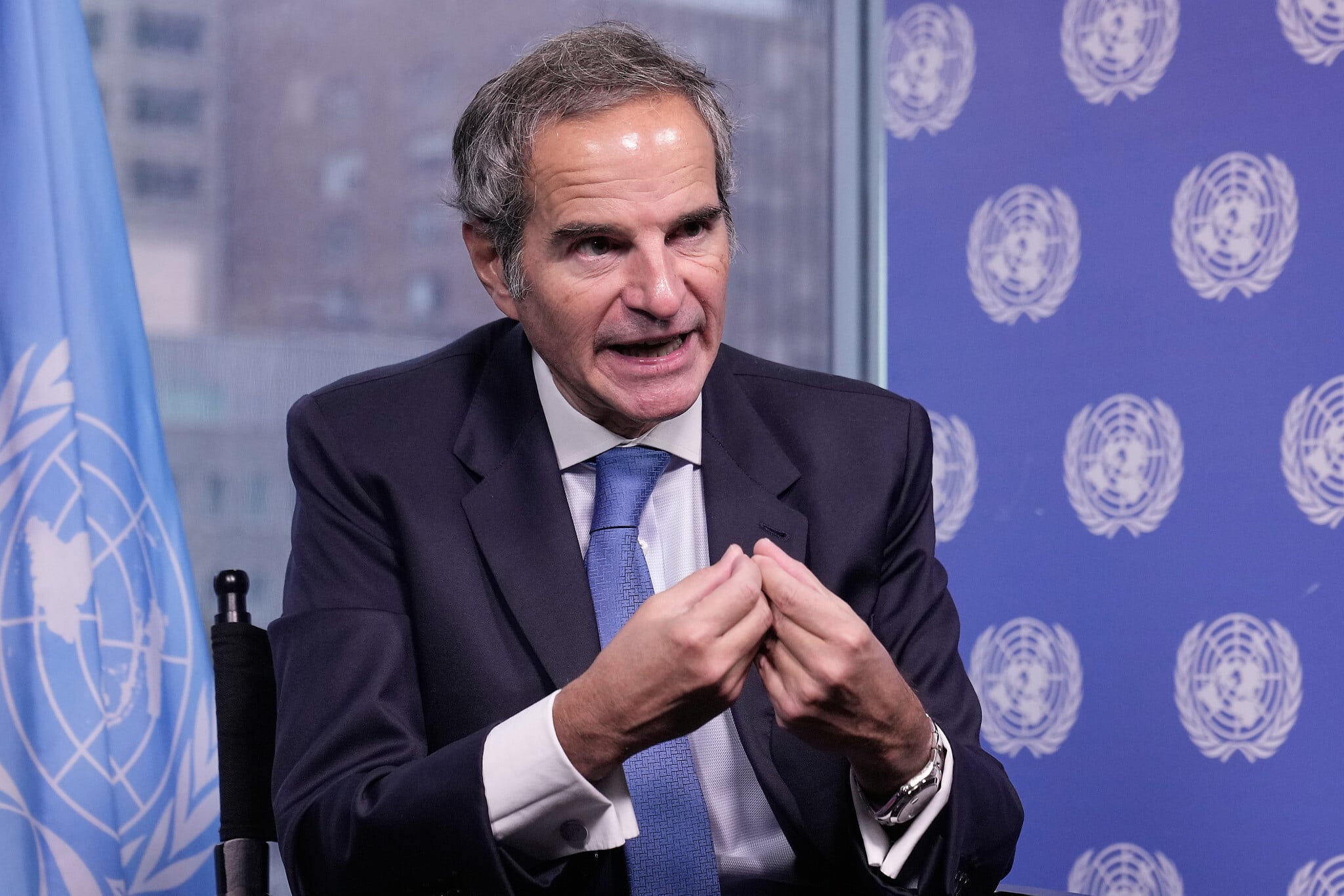
The International Atomic Energy Agency has not been able to verify the status of Iran’s enriched uranium stockpile since Israel and the US struck the country’s nuclear sites during the 12-day war in June, according to confidential reports seen by news agencies.
“The Agency’s lack of access to this nuclear material in Iran for five months means that its verification… is long overdue,” the IAEA said.
According to the IAEA’s last report in September, Iran maintains a stockpile of 440.9 kilograms (972 pounds) of uranium enriched up to 60% purity — a short, technical step away from weapons-grade levels of 90%.
That stockpile could allow Iran to build as many as 10 nuclear bombs, should it decide to weaponize its program, IAEA director general Rafael Grossi warned in a recent interview with the AP. He added that it doesn’t mean that Iran has such a weapon.
Tehran, which routinely calls for the destruction of Israel, maintains that its nuclear program is for purely civilian purposes. However, before the war, Iran had been enriching uranium to levels just below weapons-grade, which has no peaceful application. Israel has also said Iran was taking steps toward weaponization.
According to the safeguards agreement that Iran has with the UN nuclear watchdog, Iran is obliged to produce a “special report” detailing the location and status of its nuclear material, including its highly enriched uranium stockpile, following events such as attacks or earthquakes.
The special report must also address the status of the facilities affected by the June war.
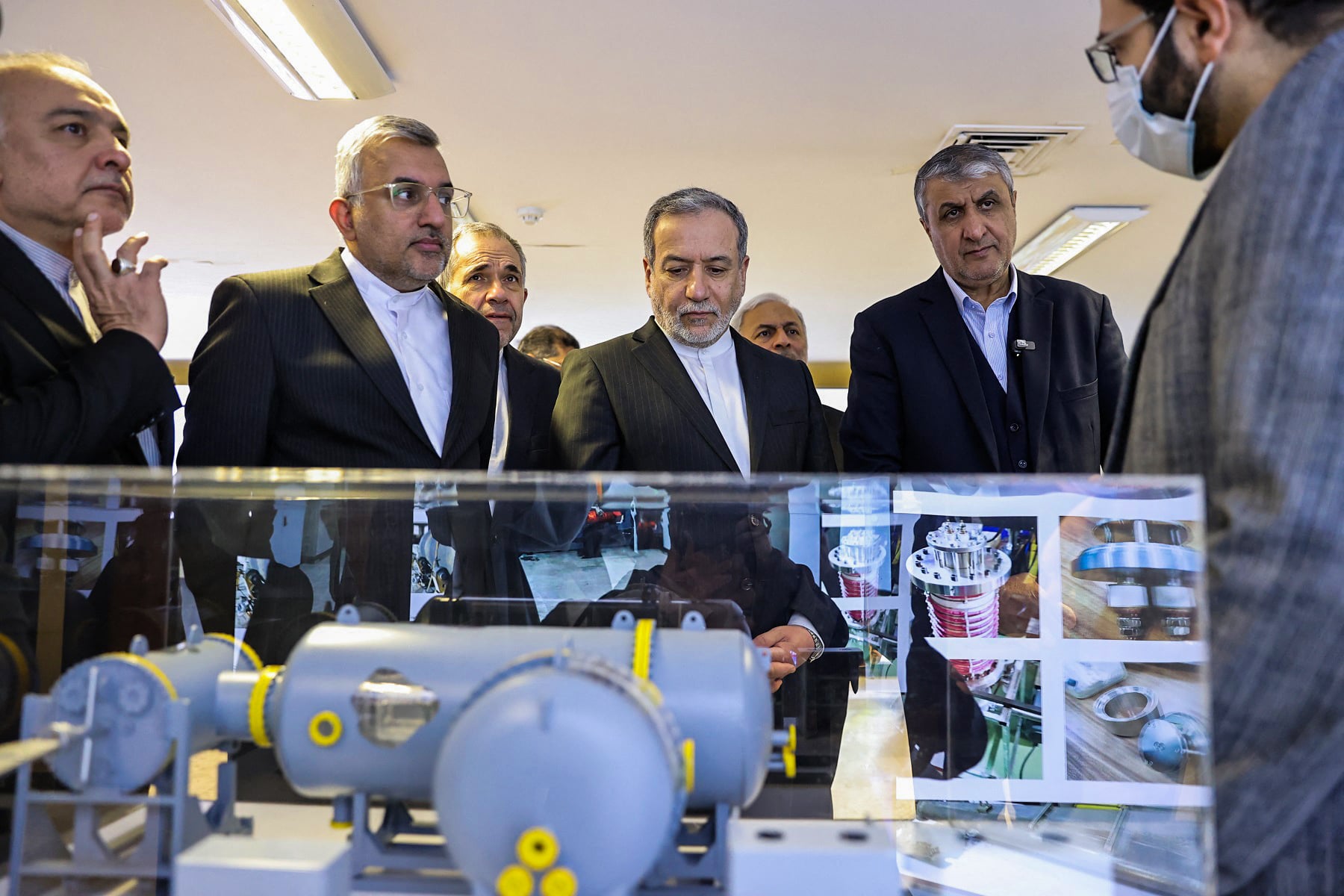
The IAEA said Wednesday that “the provision of such a report is indispensable for the Agency to provide assurances that nuclear material subject to safeguards in Iran remains in peaceful nuclear activities and that the facilities subject to safeguards are not misused.”
Iran suspended all cooperation with the IAEA after the war with Israel, in which the US struck several Iranian nuclear sites.
Tehran did, however, allow the IAEA to inspect undamaged facilities after Grossi reached an agreement with Iranian Foreign Minister Abbas Araghchi in Cairo at the beginning of September.
But later that same month — after Iran failed to enter into direct talks with the US, resume full cooperation with the IAEA and clarify the status of its stockpile — the UN reimposed crushing sanctions on Iran, drawing an angry response from Tehran and leading the country to halt implementation of the Cairo agreement.
Iran is legally obliged to cooperate with the IAEA under the Treaty on the Non-Proliferation of Nuclear Weapons.






The Times of Israel Community.