

Skeptical Vance reportedly sought direct intel from US generals on state of Iran war
‘Sobering private assessments’ were often quite different from Trump’s boastful public rhetoric on US performance in the conflict and deeply alarmed the VP
 Add ToI as a Preferred Source on Google
US Vice President JD Vance reportedly sought direct insight from American generals on the war against Iran, seeking to bypass the Pentagon amid his skepticism of the extended military conflict.
Citing over half a dozen current and former US officials, The New York Times said in a Thursday report that the “sobering private assessments” received by Vance were often quite different from the often boastful public rhetoric coming from US President Donald Trump.
Vance was seeking direct intel from military commanders on “objectives, tactics, casualty estimates, what the Iranians would do in the Strait of Hormuz,” according to the report.
The commanders warned Vance about severely depleted military stockpiles, as well as the Iranian regime’s willingness to dig in for a major and drawn-out fight, the report said, citing “more than half a dozen” current and former officials.
Vance came away from his conversations with significant concern regarding the overall US strategy in the Iran conflict as well as the prospects for success, NYT said.
The vice president did not hide his conversations with the American generals from others in the White House leadership, and he used what he learned from those conversations to make a case to Trump for how the war should be conducted going forward, the Times said.

Asked for comment, a Pentagon spokesperson did not deny that Defense Secretary Pete Hegseth facilitated conversations between Vance and the US Army generals.
“There is no gap in the military advice provided to the president, the vice president, and the secretary of war,” a US military spokesperson said in a separate statement.
Sean Parnell, a Pentagon spokesman, said in a statement that “to ensure the president’s team receives all available data points regarding ongoing operations in the Middle East, the secretary has facilitated direct access to combatant commanders for the vice president and other senior White House leaders.”
Trump: No regrets on how Iran war has played out
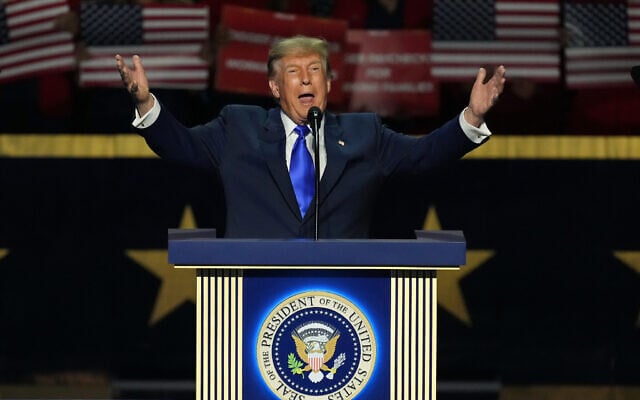
Later on Thursday, Trump was asked during a Fox News interview whether he had any regrets about how the Iran war has played out, given expectations that the conflict will hurt his party in the November midterms.
“I don’t believe in the word ‘regret,’” he responded. “You can always question yourself a little bit, but if I had to do it again, I would do exactly as I did. I took out their nuclear capability.”
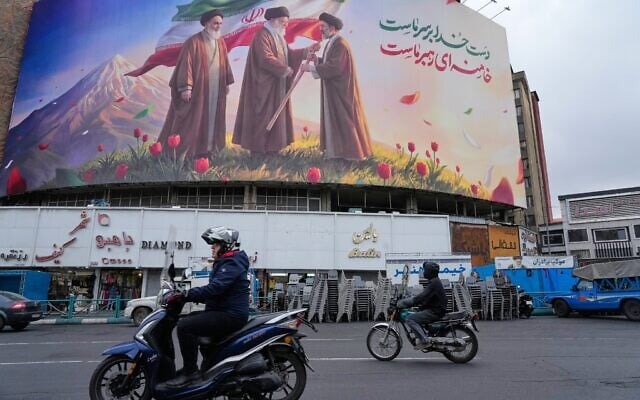
The US did not target Iran’s nuclear sites in the war it launched with Israel in February. Trump has claimed Iran’s nuclear program was already completely destroyed in US strikes the previous year.
Trump dismissed suggestions that some of his supporters were upset and demoralized about the war.
“I don’t think they’re demoralized. I think they’re very proud of the fact that I’m not letting Iran have a nuclear weapon,” he says.
Trump reiterated his claim that the war will end immediately after the midterm election, if not beforehand.
.@POTUS: "I don't believe in the word 'regret.'" pic.twitter.com/l1ayOV09oO
— Rapid Response 47 (@RapidResponse47) September 10, 2026
Contradicting Trump, US official says Iran attack on base in Jordan damaged military aircraft
Meanwhile, a US official told Reuters that Iranian strikes damaged multiple American military aircraft this week at the Muwaffaq Salti Air Base in Jordan, contradicting Trump on the matter.
The US military suffered material damage even before Iran’s strikes on Tuesday. This includes the destruction of more than two dozen drones, Iran striking fighter jets, and aircraft being lost to accidents.
According to a May report from the Congressional Research Service, 42 US military aircraft had already been lost or damaged in the conflict.
Since the Iran war started in February, 18 US service members have been killed and over 800 injured.
A US official, speaking on condition of anonymity, said on Thursday Iran’s attack hit one A-10 Thunderbolt II, known as the Warthog, leaving it with a missing wing, while roughly eight F-15s sustained light damage and were returned to service.
Iran’s strike on the US base in Jordan came after US forces said they destroyed five Iranian crude oil carriers. The US said its strikes were in response to Iran’s Islamic Revolutionary Guard Corps targeting a US Navy warship with ballistic missiles twice over the previous two days.
The Iranian attack required US forces to fire roughly 30 Patriot interceptors to counter the missiles, the US official said, amid increasing concern about the inventory of US air defense interceptors and other missiles.
While specific inventory numbers are classified, the Center for Strategic and International Studies has estimated that about 65% of US Patriot interceptors were expended between February and July, with fewer than 850 left on hand, down from 2,330 before the Iran war began.
In a sign of the destruction caused by Iranian strikes against US military targets, acting US Navy Secretary Hung Cao told the Epoch Times that Iran “blew the hell out of Bahrain.” He was referring to the United States Navy’s Fifth Fleet headquarters based at Naval Support Activity Bahrain, which Tehran has struck.
Earlier Thursday, Trump told News Nation that reports of damage caused to US aircraft in Jordan were false.
“Nope,” Trump said. “No damage. No nothing.”



The Times of Israel Community.