

Netanyahu has got his Likud slate locked in, but fresh crises keep hampering his campaign
PM has slotted his handpicked candidates into his party’s Knesset list, notably including several representatives closely tied to October 7, even as the failures surrounding the Hamas-led massacre return to center stage
 Add ToI as a Preferred Source on Google
Shalom Yerushalmi is the political analyst for Zman Israel, The Times of Israel’s Hebrew current affairs website
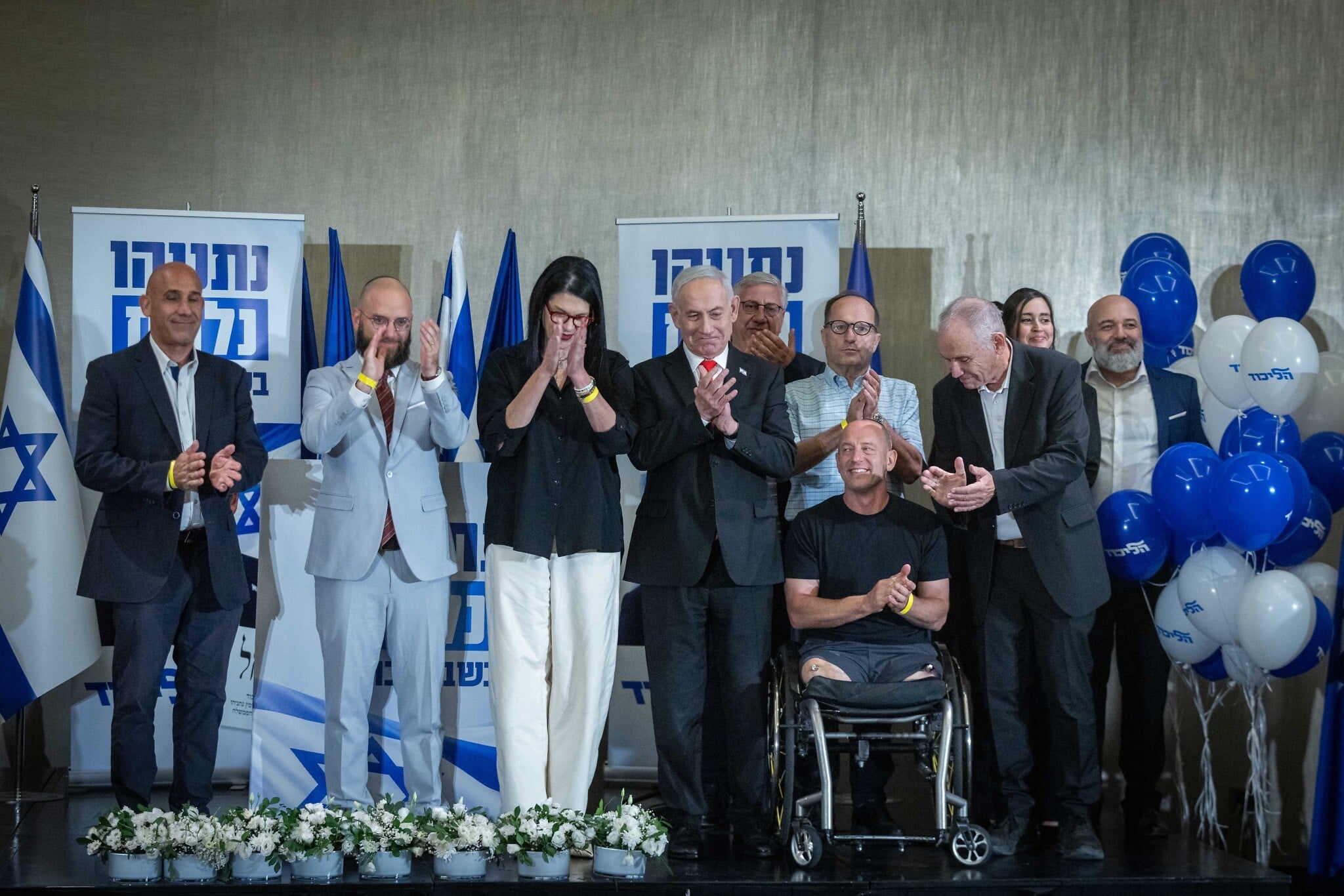
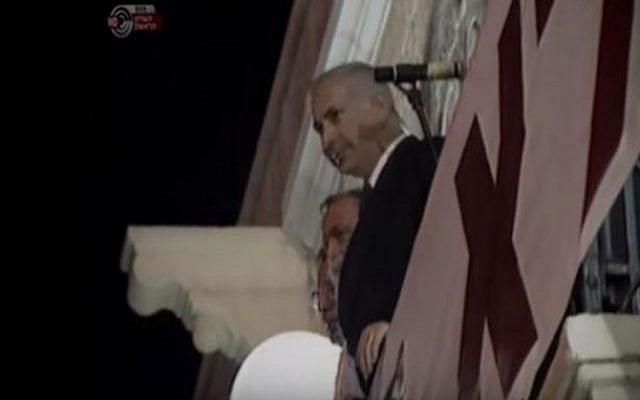
Prime Minister Benjamin Netanyahu walked into the subterranean event hall at Jerusalem’s Orient Hotel on Tuesday night looking determinedly upbeat. He had arrived to present the candidates he personally handpicked for reserved spots on the Likud slate, but the celebratory atmosphere was overshadowed by outside events.
Netanyahu was carrying the weight of two major diplomatic and security crises that had landed on his desk within hours of each other. That morning brought an explosive report in Haaretz revealing that United Arab Emirates President Mohammed bin Zayed had spoken with Netanyahu in late September 2023, explicitly warning him of Hamas’s violent intentions.
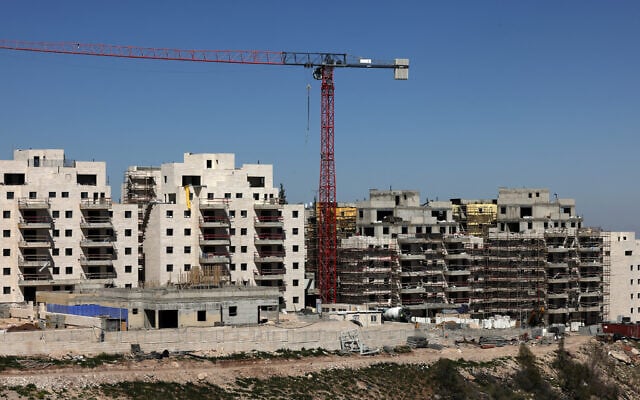
Just a few hours later, announcements began pouring in from Western capitals declaring coordinated decisions to bar trade with Israeli settlements in the West Bank.
As if that were not enough, minor turmoil erupted later that afternoon at a Likud Secretariat meeting held just prior to the candidates’ launch event. MK David Bitan refused to shake Defense Minister Israel Katz’s hand, drawing a barrage of curses and insults from several furious members of the secretariat.
I asked the prime minister whether he had indeed spoken with bin Zayed just weeks before the massacre and had received that unequivocal warning. Netanyahu dismissed the report as a “complete lie,” waving his hands vigorously to bat the premise away. An associate of the prime minister subsequently added that there is no audio recording to prove such a conversation ever took place.
If such a recording does exist, and Netanyahu indeed ignored a 45-minute warning delivered by the UAE president about 10 days before the Hamas invasion and massacre on October 7, 2023 — as journalists Shlomi Eldar and Ruth Yuval reported — it is safe to assume he will lose the upcoming election long before the ballots are counted.
In the interim, Netanyahu is desperately maneuvering to consolidate his power and minimize the political damage. Over the past few weeks, he has worked day and night to broker alliances and push small, troublesome factions out of the race — factions that threatened to siphon off tens of thousands of critical votes from the right-wing bloc.
He has met with limited success. He successfully pressured Bezalel Smotrich and Moshe Feiglin to merge on the Religious Zionism slate, virtually ensuring the party will clear the electoral threshold. Simultaneously, Gilad Erdan and Yuli Edelstein — two internal rivals Netanyahu absolutely detests — disappeared from the political map after forming a doomed faction called Unity that dissolved in less than a month.
However, Netanyahu failed to persuade popular reserve Brig. Gen. Ofer Winter to join forces with a larger party. He was equally unsuccessful with Yoaz Hendel and Yaron Zelekha, who draw their support primarily from the right. When the doors finally closed and all party slates were submitted to the Central Elections Committee late on Tuesday night, it also became clear that extremist MK Avi Maoz was insisting on running alone at the helm of his Noam faction. There, too, the right-wing bloc stands to bleed several thousand wasted votes.
Loyal reinforcements
Against this chaotic backdrop, Netanyahu arrived at the Orient Hotel to present his political reinforcements. The event served as the final whistle in an exhausting saga driven entirely by his desire to commandeer every available spot on Likud’s Knesset slate.
Unlike most Israeli political factions, Likud prides itself on holding democratic primaries among its tens of thousands of registered members. By bypassing that democratic process and demanding a slew of “reserved spots” (shiryunim) to parachute in his loyalists, Netanyahu effectively stripped power from the party’s rank-and-file, sparking fierce internal blowback.
Initially, Netanyahu wanted to cancel the party primary outright. When that failed, he sought to establish a special appointments committee, shoved the regional district slots further down the list, and ultimately found himself saddled with several candidates he actively disliked. Now, Netanyahu is hoping to rebalance the faction with the eight handpicked loyalists he unveiled on Tuesday evening — some of whom carry their own distinct controversies.
Sitting in the front row was Oren Dobronsky, whom Netanyahu introduced as a tech entrepreneur. Dobronsky had initially been given a reserved Knesset slot, but later relinquished it — or was forced to do so. He told me on Tuesday that he is interested solely in serving as a cabinet minister, noting that standard parliamentary work does not suit him.
Because accepting a government post would require him to renounce his American citizenship, Dobronsky warned that if he does not receive the significant portfolio he desires, he will walk away from the political adventure entirely.
According to Netanyahu, two other figures are also being lined up for ministerial posts should he win the election. The first is Brig. Gen. (res.) Amir Avivi, a leader of the Israel Defense and Security Forum (HaBithonistim) — an influential, explicitly hawkish defense think tank established specifically to counter the traditionally centrist or left-leaning Israeli military establishment. Netanyahu was unable to secure Avivi a realistic spot on the Likud slate, making the promised cabinet job a form of political compensation.
The second is Dr. Keren Assayag, a breast cancer researcher at the University of Haifa who has said she was ostracized by academic colleagues over her public support for Netanyahu. She, too, lacks a realistic Knesset slot, but Netanyahu intends to hand her the education portfolio in his next government.
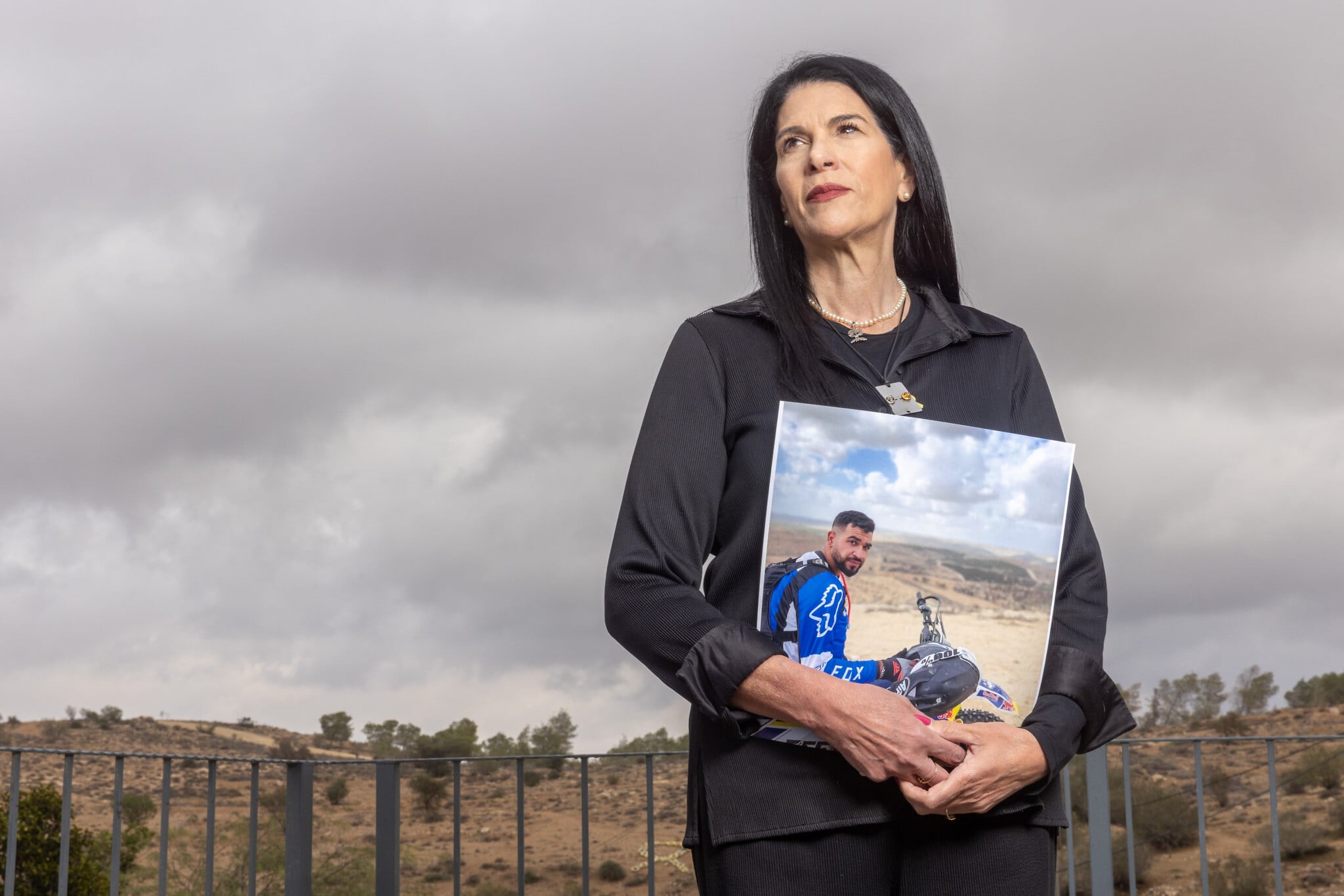
Talik Gvili was awarded the highest reserved spot on the Likud slate, in ninth place. She is the mother of heroic Yamam police officer Ran Gvili, who fell battling terrorists in the Gaza border communities before his body was abducted to the Strip. (The Yamam is Israel’s elite, highly secretive national counterterrorism and hostage-rescue unit, which suffered heavy casualties on October 7.) Netanyahu called her at 2 a.m. on Tuesday to inform her she was going to be a member of the Knesset.
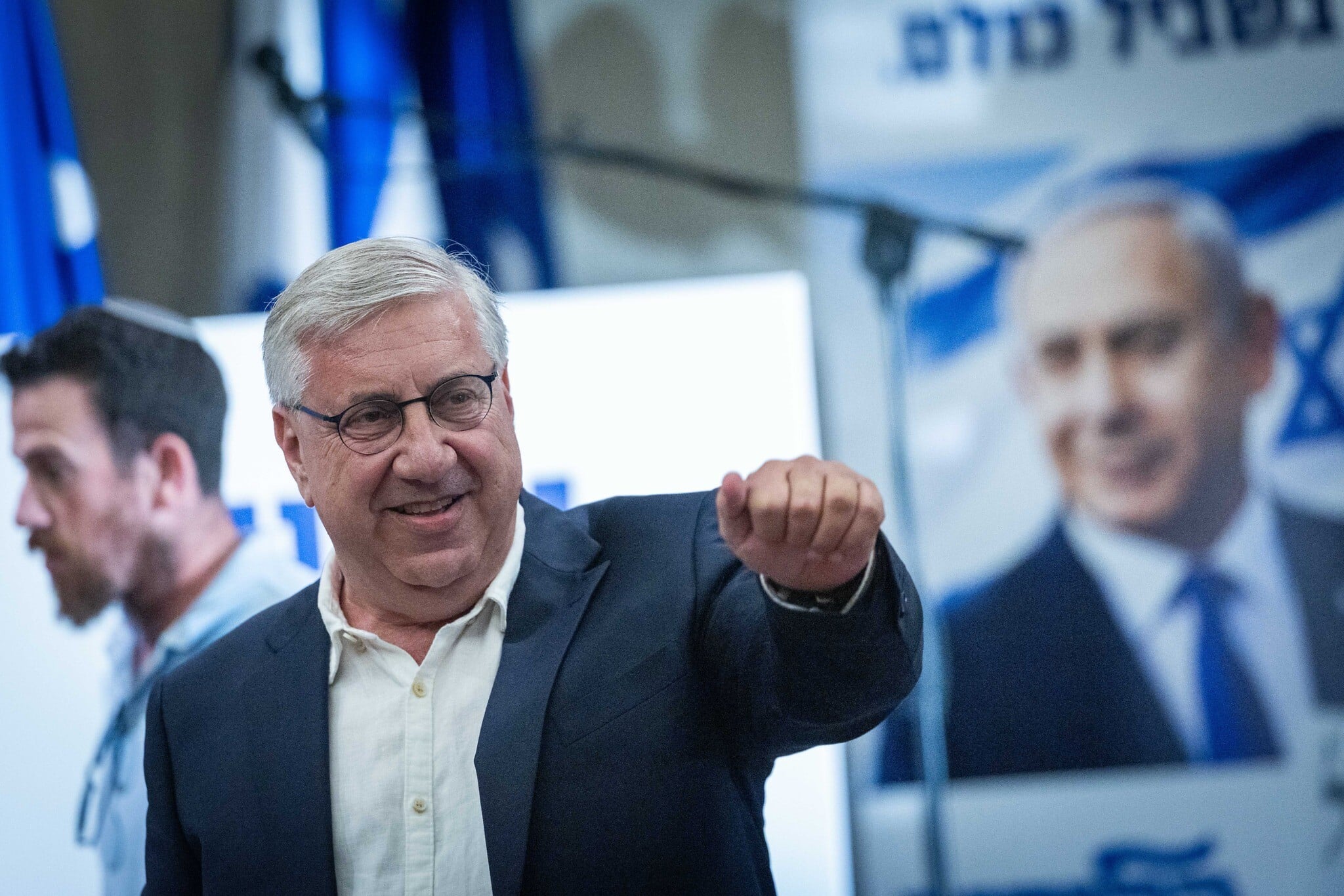
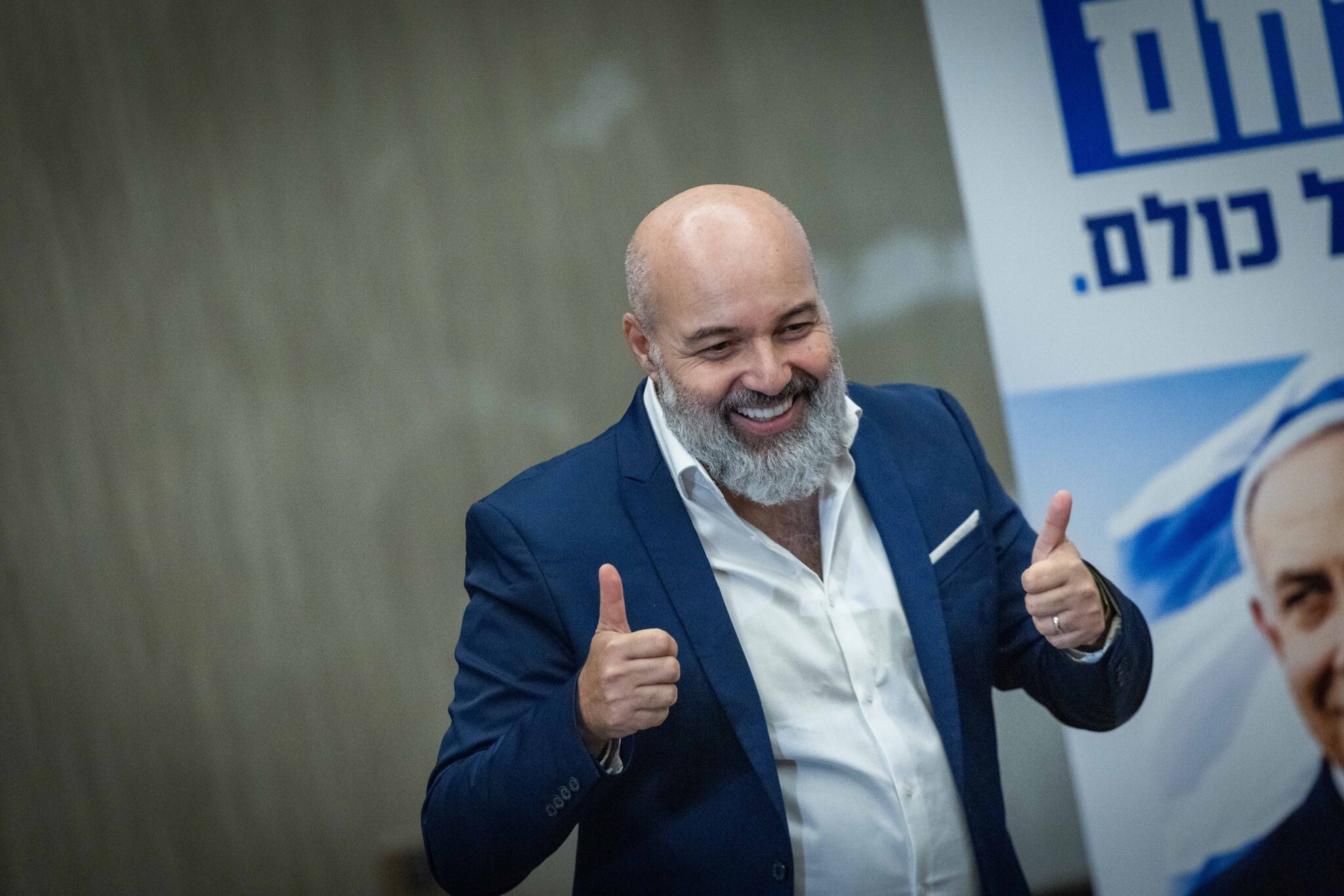
In 11th place, Netanyahu inserted political operative and firebrand right-wing broadcaster Jacob Bardugo. Several Likud figures have quietly criticized the choice, warning that Bardugo’s coarse rhetoric and relentless attacks on the IDF chief of staff and the State Attorney’s Office will only drive moderate voters away from the party. Others, however, argue that Netanyahu must win back defecting voters at any cost, a task that requires provocateurs like Bardugo to make noise and reenergize the grassroots base.
In the 15th slot, Netanyahu placed Elisha Madan, a combat reservist who lost both of his legs in a brutal battle in Gaza’s Beit Hanoun in November 2023. When Netanyahu formally congratulated his candidates, he made a point of sitting directly beside Madan. “You are an inspiration to generations of soldiers. I salute you,” the prime minister told him. Unsurprisingly, there is absolutely no controversy over Madan’s inclusion on the slate.
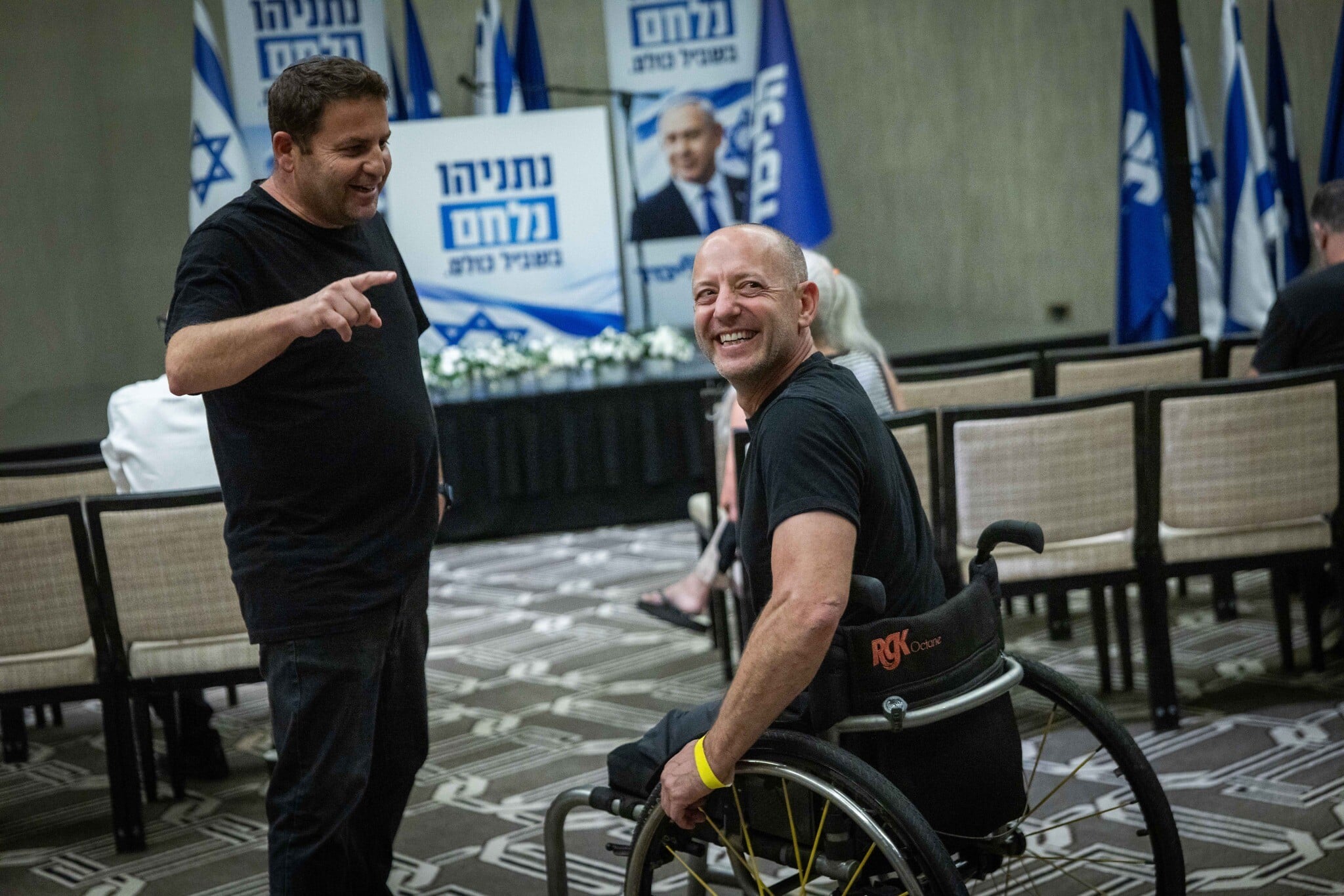
Incidentally, Netanyahu in January 2025 appointed Yechiel Leiter — the father of reserve Maj. Moshe Leiter, who was killed in that very same Beit Hanoun incident — as Israel’s ambassador to the United States. In various public lectures, Ambassador Leiter has recounted how Madan was hospitalized at Hadassah Medical Center beside another severely wounded soldier who had lost a leg. “We were left with one leg, and today the people of Israel are standing on it,” Leiter has said.
David Peter, Netanyahu’s personal lawyer who has represented Likud before the High Court of Justice, was awarded the 16th spot. Netanyahu praised him as “a true and courageous fighter for justice.” In fact, Netanyahu went out of his way to describe all of his handpicked candidates as “courageous” simply for maintaining right-wing views in opposing environments, framing their political leanings as extraordinary acts of bravery.
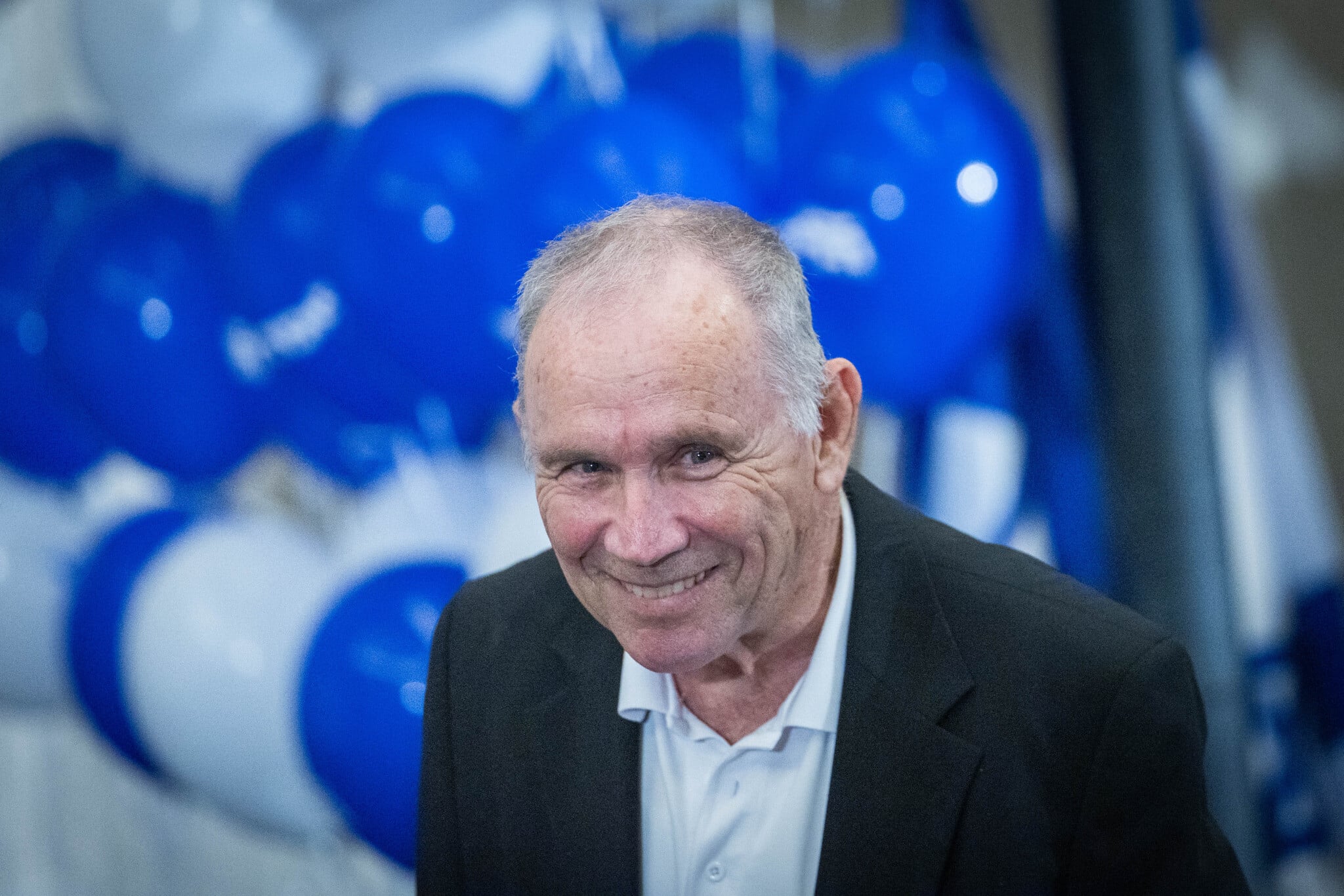
Down in 26th place, Netanyahu reserved a spot for Eli Goldschmidt, who served as the chairman of the center-left Labor Party’s Knesset faction in the 1990s. Netanyahu claimed Goldschmidt represents the “generation that has sobered up.”
It was Goldschmidt’s dramatic crossing of the political Rubicon from left to right that stirred the greatest emotion at the Orient Hotel. Osnat Midan, a Likud Central Committee member in attendance, could not hold back her tears. “We have waited so long for someone like this to come from the left and tell us how right we are. Now he has come,” she wept.
At the start of the war, Goldschmidt regularly attacked the prime minister for “evading responsibility for the deaths of so many soldiers and civilians,” and accused the premier of “wanting a dictatorship” and of being outsmarted by Yahya Sinwar, the Hamas chief and architect of the October 7 massacre. Later, however, he “sobered up” — as he also put it — after concluding that the historic Oslo Accords had been a disaster and that peace with the Arab world was impossible.
His wife, Bruria, who partnered in her husband’s political transformation, also spoke enthusiastically on Tuesday about their harrowing experience at Kibbutz Zikim on the Gaza border, where they were living on the day of the massacre, and about their joint decision to cross political lines. The couple now lives in the rocket-battered city of Sderot. To an Israeli, this geographic shift is deeply symbolic: moving from a historically socialist, secular kibbutz that traditionally anchors the left, to a working-class, fiercely pro-Likud stronghold.
Goldschmidt, like most of Netanyahu’s handpicked candidates and a growing roster of Likud politicians, vaulted onto the Knesset slate directly from a gig as a panelist in the studios of Channel 14, the fiercely pro-Netanyahu conservative television network.
Sitting near Goldschmidt was another Netanyahu appointee, Itzik Bontzel, slated in 29th place. He is the father of Staff Sgt. Amit Bontzel, who fell in battle in central Gaza in December 2023. Not long ago, Bontzel declared that if a former Labor figure like Goldschmidt were given a reserved spot on the slate, he would never vote Likud again. On Tuesday, however, Bontzel changed his tune: “I’m a team player, and we have a coach. His name is Benjamin Netanyahu, and he makes the decisions.”


The Times of Israel Community.