

Electric car adoption will continue to slide without urgent support, Energy Ministry says
With plug-in hybrid sales outstripping EVs, officials call on government to incentivize chargers in residential buildings, mandate EV imports, create long-term tax certainty
 Add ToI as a Preferred Source on Google
Sue Surkes is The Times of Israel's environment reporter
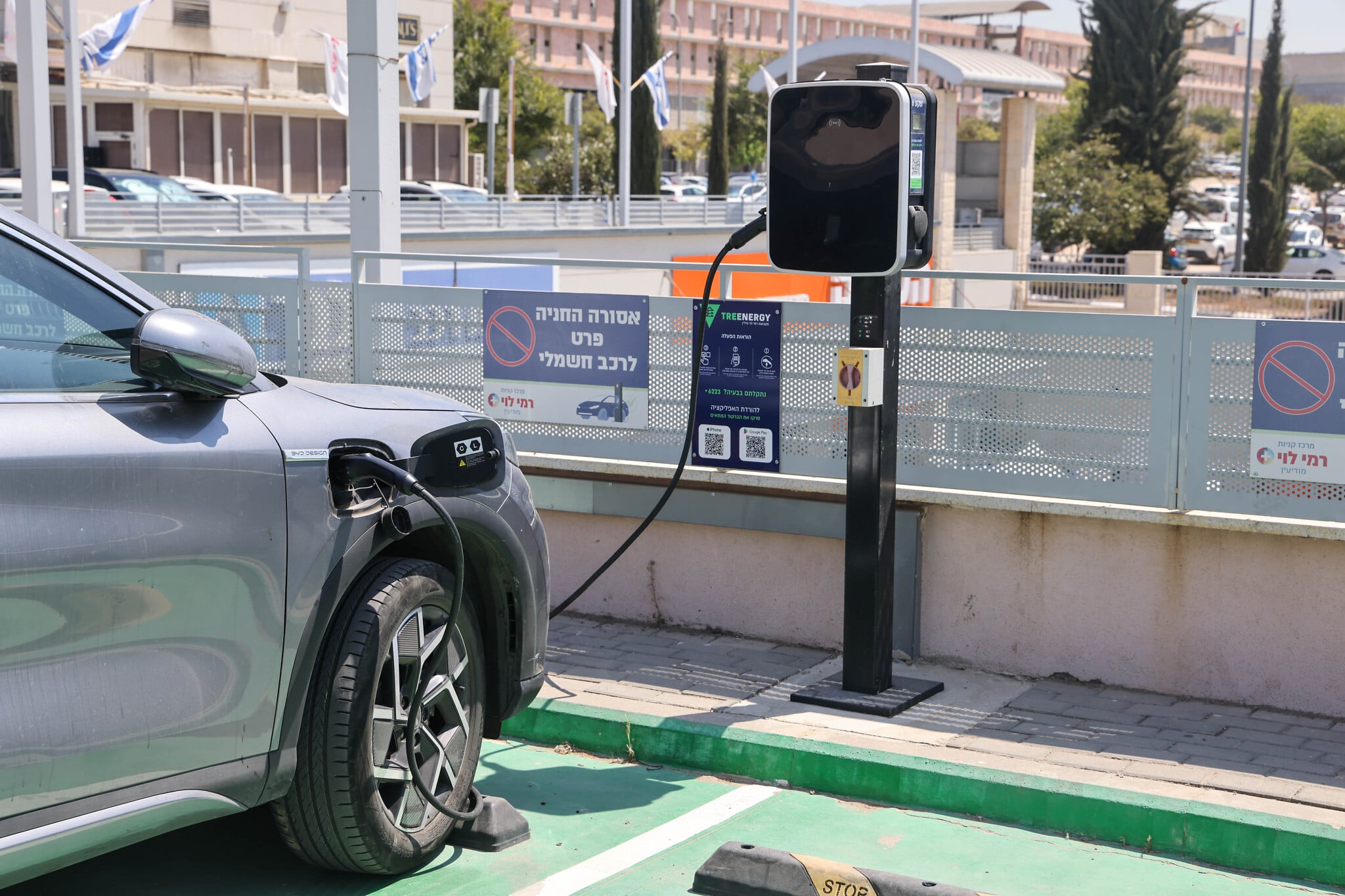
The Energy Ministry warned Thursday that without serious, accelerated government support, electric vehicle penetration will continue the decline that began last year, fail to meet official government targets, and cost the Israeli economy billions of shekels.
After the share of electric vehicles peaked at around 25 percent of car sales in 2024, it dropped to roughly 20% in 2025, and plunged to just 12% during the first half of 2026, officials revealed during a press briefing on Wednesday.
By contrast, plug-in hybrids, regarded as greener than gasoline models but more reliable than EVs, have risen from two percent of total sales two years ago to 24% during the first half of this year, while tax increases at the beginning of 2026 narrowed the price gap between electric vehicles and traditional gasoline models to negligible.
Officials attributed the downward trend in EVs to uncertainty over future tax hikes, a lack of recharging infrastructure in apartment buildings, where most Israelis live, and general consumer anxiety regarding long-distance journeys without accessible chargers. At present, standard gasoline and plug-in hybrid cars face a purchase tax of 83% — subject to reductions based on a green taxation pollution formula — while fully electric vehicles are taxed at 48% to December. Nobody knows what will happen next year.
Without intervention, market penetration could plummet to just 10% by 2030, the officials warned.
Unveiling a strategic document examining the economic implications of private EV adoption, ministry officials stressed that continuing delays could cost the economy between NIS 0.6 billion and NIS 2.2 billion in losses in 2027 alone.
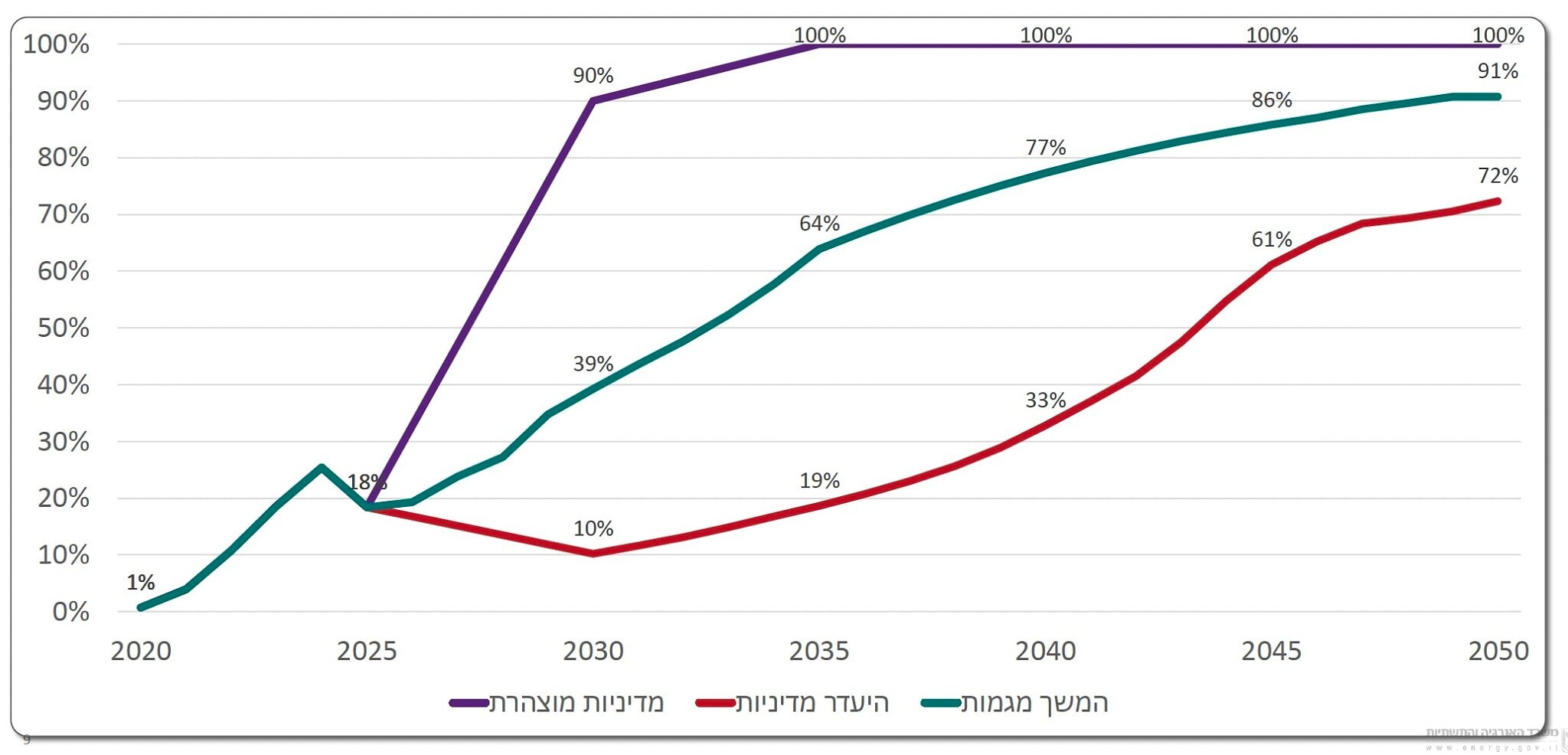
Ron Eifer, head of the ministry’s Renewable Energy Division, emphasized that the benefits of expanding EV adoption vastly outweigh the costs, reaching nearly NIS 20 billion if the state meets its target of having 90% of all cars on the road be electric by 2030. Conversely, if the market merely treads water, the benefit will drop below NIS 10 billion, and if the government invests no effort, it will fall beneath NIS 5 billion.
Research indicates that the net economic benefit of each EV replacing a gasoline car is roughly NIS 24,000 per vehicle — accounting for charging infrastructure costs — the officials said. This is due largely to energy and maintenance savings, alongside reductions in greenhouse gas emissions. For individual consumers, average savings over a vehicle’s lifespan are estimated at about NIS 70,000.

Highlighting a substantial gap in efficiency, Eifer noted that EVs utilize 90% of their generated energy to move the vehicle, compared to just 25% in internal combustion engine models.
Stressing that the coming years are critical for cementing Israel’s status as a global EV leader, Eifer outlined key policy steps that must be taken: removing regulatory and physical barriers to chargers in residential buildings, adopting mechanisms to mandate EV imports, establishing long-term tax certainty anchored in legislation, and finding ways to encourage companies operating vehicle fleets and leasing to move from plug-in hybrids to electric models.
Having invested roughly NIS 80 million in charging infrastructure since 2018, Israel currently boasts 14,000 chargers across 30 suppliers — including 3,000 fast chargers — Eifer said, surpassing the EU standard for per capita provision. However, slow chargers still require replacement and apartment complexes urgently need solutions, he added.
The ministry’s model outlines three possible scenarios for 2030. Rolling back government support could see EV sales plummet to 10%, while maintaining current trends and existing policies would see adoption at 40% of the car market. Achieving the ultimate goal of 90% by the end of the decade would require accelerated policies, wide-scale financial incentives, completion of legislation to subsidize apartment building chargers, and the introduction of fines for manufacturers and importers failing to meet EV quotas.
To support the transition and the increased need for electricity, the Israel Electric Corporation is advancing a delayed government-backed grid expansion costing NIS 40 billion through 2030. The ministry is pushing for differential electricity pricing to encourage off-peak charging.










The Times of Israel Community.