

In Arad, missile blast adds fuel to feud over shelters being used as synagogues
Residents of increasingly Haredi city say many public safe spaces are either decrepit or unusable due to renovations for dual-use, as war becomes latest battleground over religious influence

 Add ToI as a Preferred Source on Google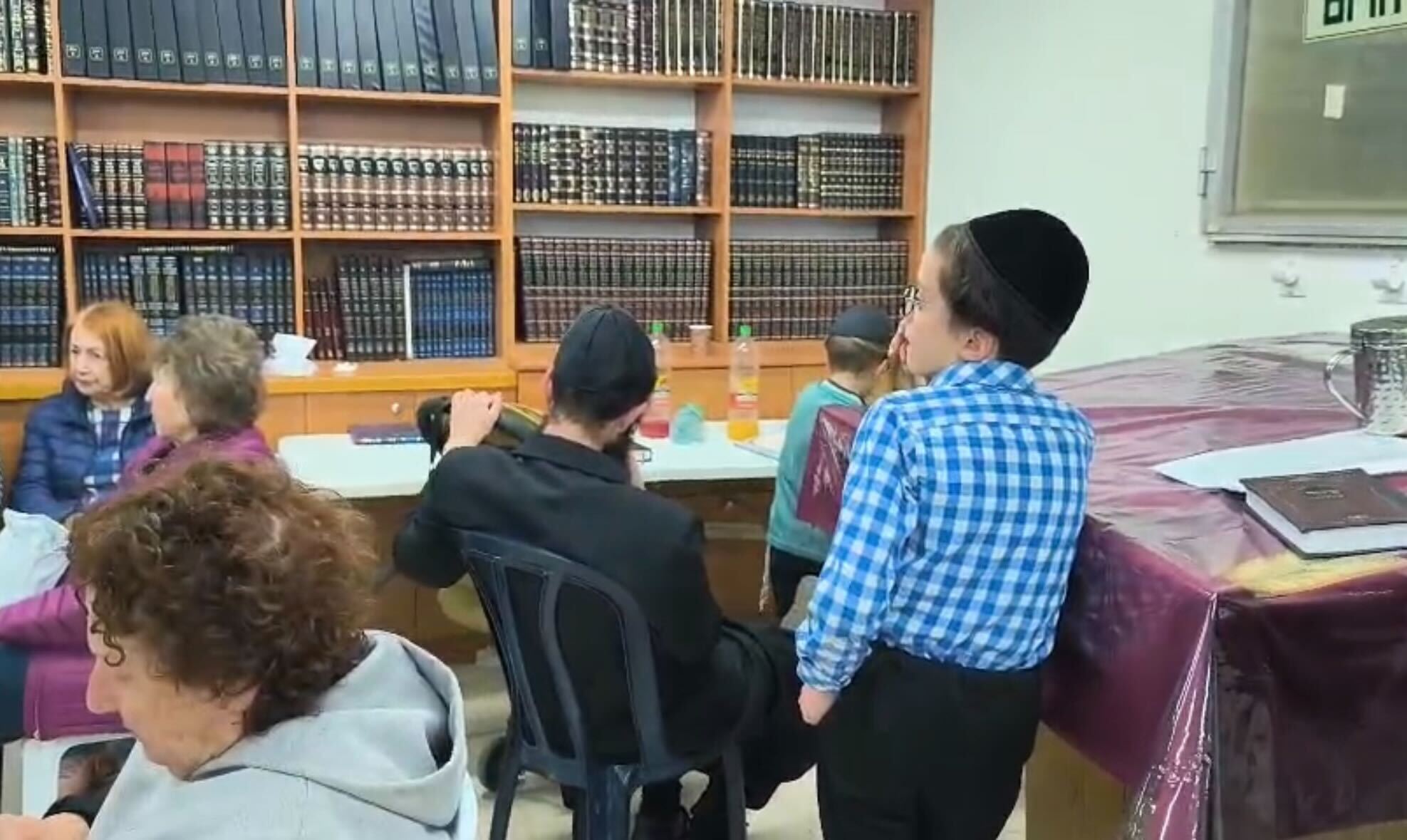
ARAD — On a sloping road overlooking the Negev Desert, residents of Arad’s Hatzavim neighborhood received a jarring but familiar alarm on their phones on Wednesday afternoon.
A minivan hastily pulled over to the side of the road and children disembarked. Those dining at a nearby pizza place got up from their seats, and a man carrying a tiny dog scrambled down the sidewalk, all of them converging near the area’s only shelter, where a group was already gathering.
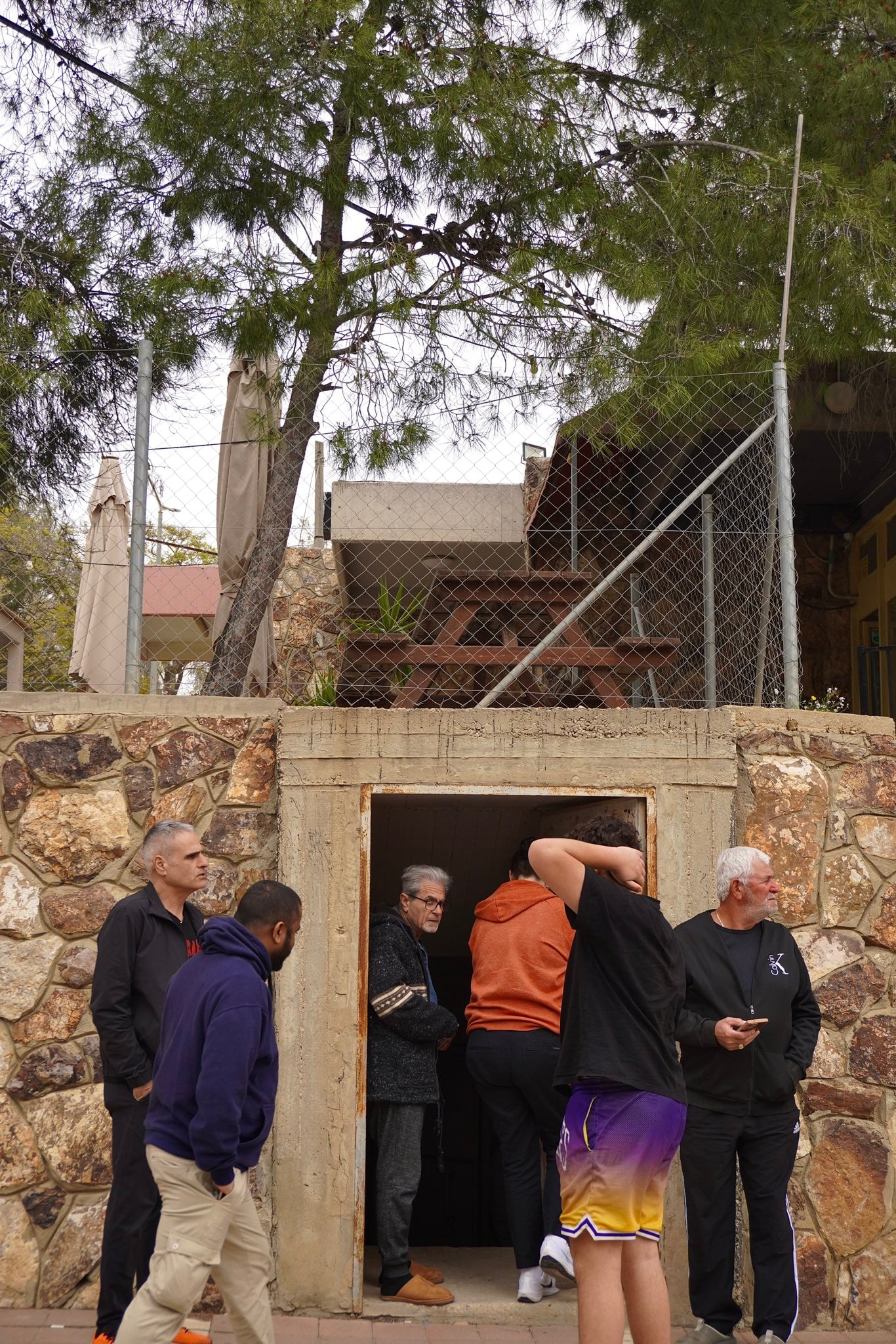
As air raid sirens sounded, everyone quickly descended the stairs and into a dark and cramped room. The underground space had no electricity and only three and a half concrete walls. A teenager knocked on what remained of the wall and joked to his friends that the shelter was “the most up to standard there is.”
The aging shelter was not up to standard at all, residents said. The city’s mayor, Yair Maayan, even said it was “forbidden to stay there in times of emergency,” but it was the closest thing to protection around. Houses in the neighborhood were all built before safe rooms were made mandatory in the early 1990s.
According to residents, the municipality instructed those who live nearby to take cover at a public shelter in a high school up the road. But the school is a nine-minute walk from the decrepit shelter, about double the usual warning time for an Iranian missile attack.
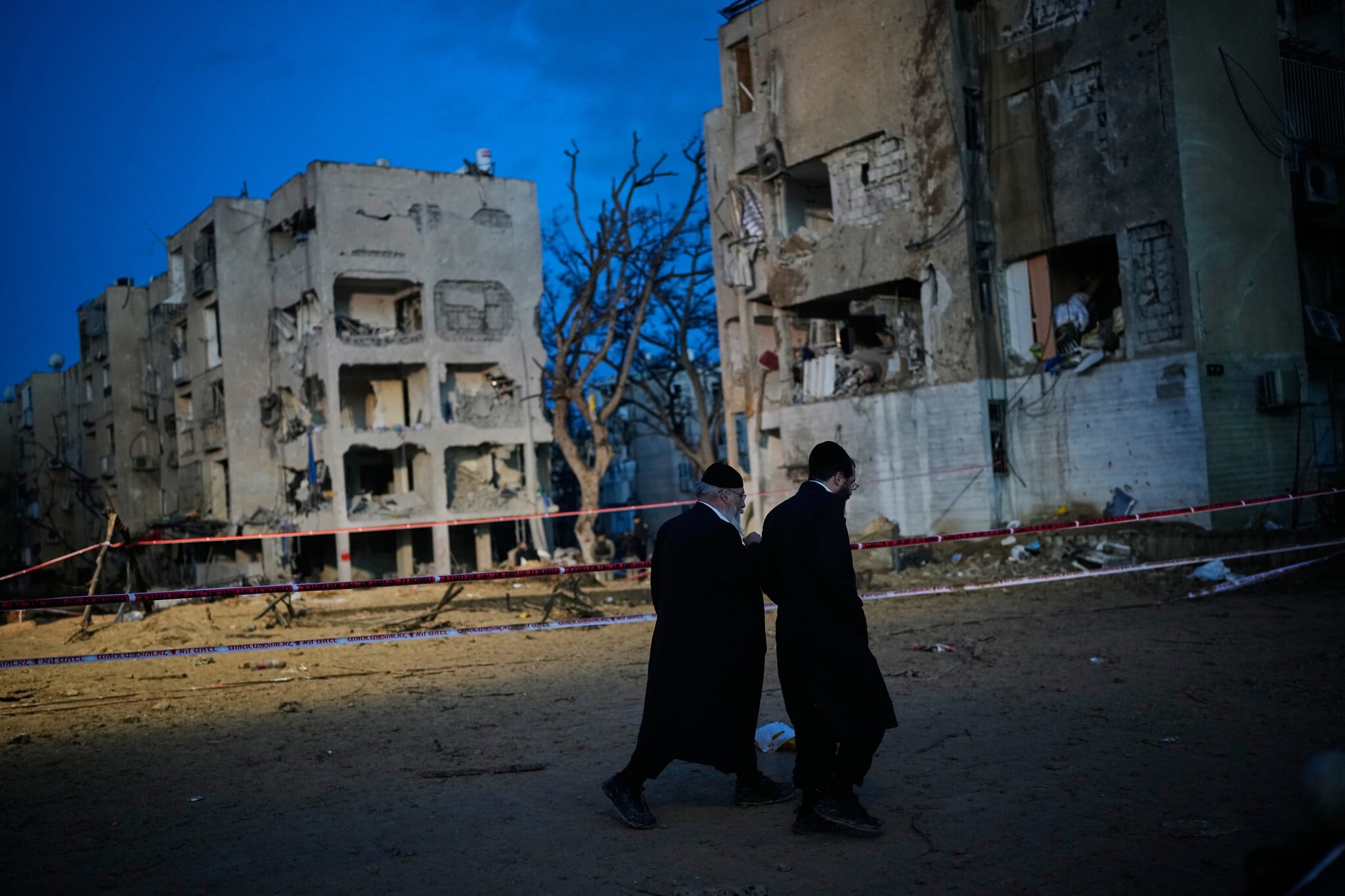
After Saturday night’s devastating missile impact in Arad, which triggered a mass casualty incident that injured 115 people, residents of the sleepy southern city are more anxious than ever before to take cover amid Iranian attacks.
But locals say the city’s public shelters suffer from perpetual neglect and only those that are converted into a second purpose, synagogues, are provided with resources. Even then, renovations turning the shelters into prayer halls have made them unfit for wartime use.
With ballistic missiles threatening the whole of the country, in Arad, dual-purpose shelters have become the latest battleground in a long-running fight over the city’s religious character.
Critics charge that the mayor has caved to the interests of a quickly-growing Haredi population by allowing more and more public shelters to be converted into synagogues.
“The municipality is just letting them receive, or seize public shelters and turn them into synagogues, even if they weren’t officially set aside for this purpose. In many cases, they don’t have clearance to do this,” said city resident Lilach Inbar Haviv.
Secular residents said the issue stems from Maayan’s perceived kowtowing to local politicians belonging to the Gur Hasidic dynasty, whose role in the city’s ruling coalition has kept the mayor in power.
But those affiliated with Gur stridently deny the allegations that the synagogues have not been officially approved, calling them a smear campaign to “blacken” the community’s reputation.
The issue exploded around a week into the current war with Iran, when the mayor cut Haviv off during a meeting with residents on the shelters issue, labeling all those who oppose turning shelters into synagogues as antisemites.
“I am telling you all that every available shelter will be a synagogue, [every] available shelter in Arad will be a synagogue and whoever speaks against a synagogue is an antisemite,” he said.
Power struggle
The Israel Defense Force’s Home Front Command encourages cities and towns to approve public shelters for “dual-purpose” use on the assumption that it will motivate residents to care for shelters’ upkeep. This allows the structures to be used as classrooms, synagogues, or recreational clubs during peacetime.
The city must give official permission before a shelter is deemed dual-purpose, and the space is still supposed to maintain its primary goal — protecting residents from missiles — meaning it must meet certain standards set by the army.
At the moment, there are 70 public shelters in Arad for a population of 30,000. Estimates of how many are used as synagogues varied. While Maayan claimed there are “roughly” 17 shelters being used as synagogues at the moment, city councilman Moshe Reichman, affiliated with the Gur dynasty, put the number lower, at 12. Haviv, meanwhile, insisted that there are 35 that fit the bill.
“In one, they installed air conditioning for their own comfort. The issue is that the system is hooked up to wires that go through windows that are meant to be closed,” Haviv said, drawing an example from one shelter she visited, which she provided photos of.
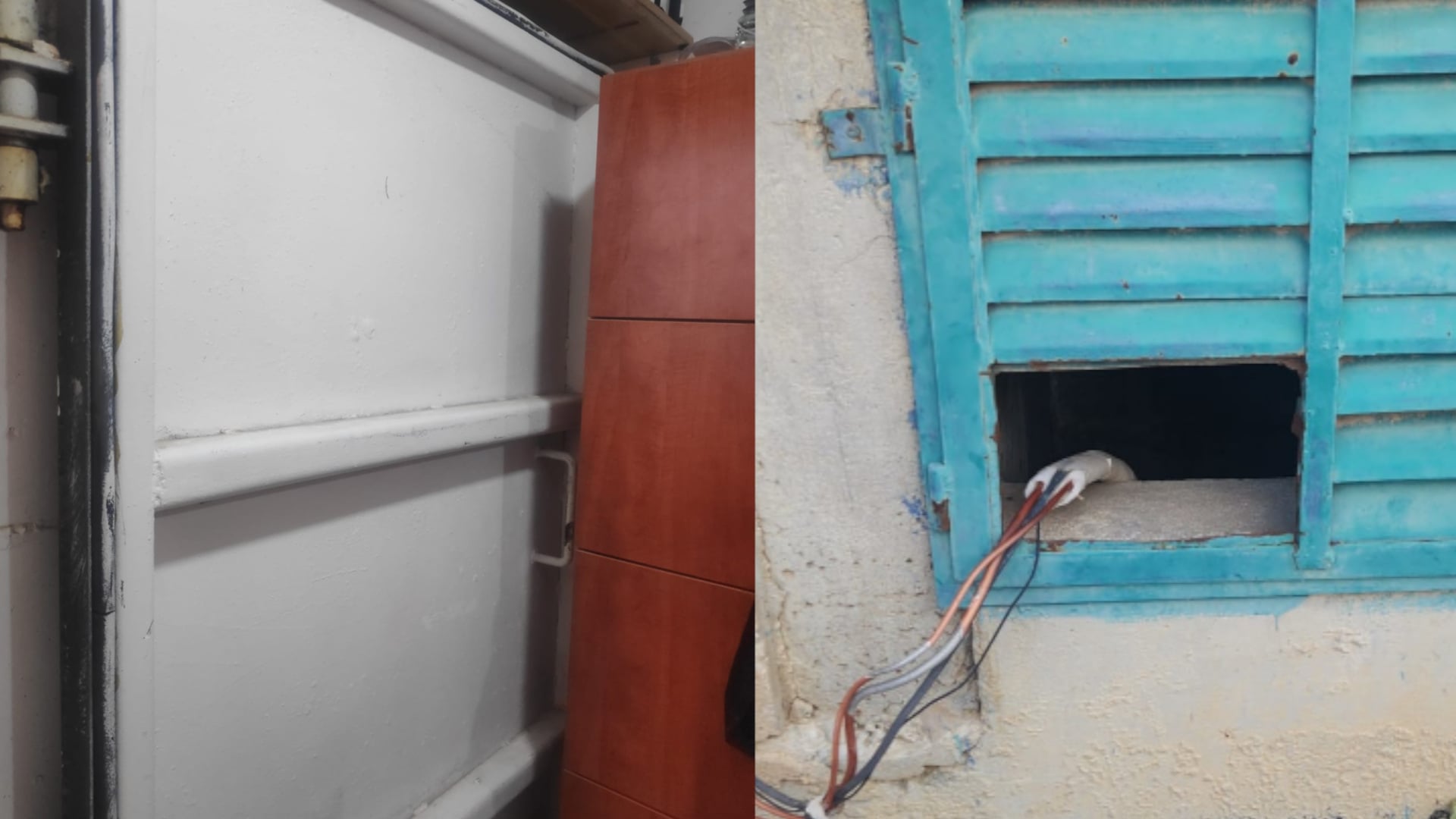
In another shelter, “blast doors that should be shut during emergencies are instead blocked by shelves of holy books,” she said.
According to IDF guidelines, at least 80 percent of a dual-purpose shelter’s area must remain empty, and electrical wires must go through passages that are sealed, with written approval from the Home Front Command. But according to Haviv and other residents, these rules are often flouted.
Earlier this week, Yesh Atid lawmaker Naor Shiri wrote a letter to police chief Danny Levy, urging him to ensure that shelters be “cleared immediately” and made “accessible and suitable for all residents” in Arad, following reports that entry was denied to residents not part of the congregation, even during non-prayer times.
The Times of Israel was unable to confirm these reports, and several secular advocates familiar with the issue said they were similarly unaware.
Police did not immediately respond to a request for comment.
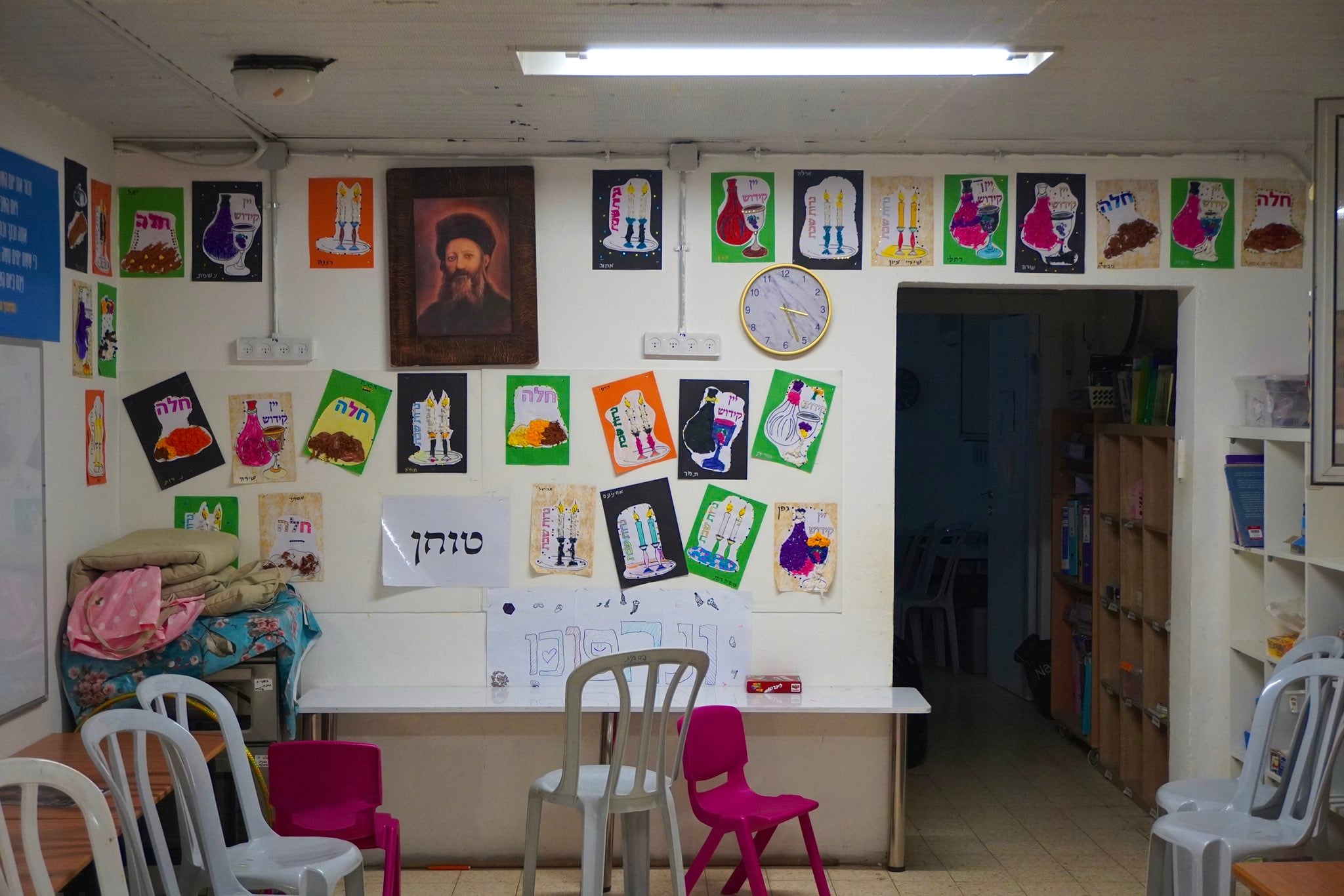
Natalia, a retired social worker who lives in Arad, recounted that a religious group had “taken over” a shelter being used by a local clinic for people with breathing problems in her neighborhood. Now it is a kindergarten for girls.
Without notifying its users, the medical equipment was thrown out and new drywall was erected to section off the shelter, creating small classrooms, she charged.
Though warm and inviting, much of the shelter was filled with tables and shelves. A large desk took up most of the space in one room that had been fashioned into an office.
Nevertheless, the space was kept tidy and — with working electricity and air conditioning — was a far cry from the Hatzavim neighborhood’s ramshackle space.
Commenting on accusations that many of the dual-purpose shelters were not up to standard or unwelcoming to non-Haredi residents, Reichman accused secular activists of trying to “slander the community.”
“There are people, immediately after the disaster in this city, who are going from shelter to shelter, taking videos, searching for some way to slander the community and looking for the tiniest problems in such a difficult moment,” he claimed. “It is a disgrace.”
Maayan similarly decried the allegations as “gross lies,” calling Haviv and other secular activists “instigators of strife and hatred.”
Haredization
The complaints about dual-purpose shelters are the latest manifestation of a long-running conflict between the former development town’s veteran, secular residents, many of them Russian-speaking immigrants from the former Soviet Union, and a fast-growing Haredi population that mostly belongs to the Gur Hasidic dynasty.
The city, once seen as a liberal oasis in the Negev, has undergone major demographic shifts over the past decade. Hasidic Jews from the Gur sect comprised a third of residents as of July 2025, and increasingly dominate the city’s public sphere.

Residents noted that public shelters aren’t the only type of building that Haredi groups have attempted to wrest from their users.
In 2019, clashes broke out between police officers and ultra-Orthodox men after law enforcement raided a building that belonged to a local youth group, which a group of Haredim had seized and turned into a synagogue.
The municipality, which was then under center-left mayor Nissim Ben Hamo, took immediate action against the group and returned the building to its original owners.
Earlier this year, a pair of Gur businessmen bought the city’s mall, and there were claims that shopowners had been pressured to take down pictures of women and mannequins to only wear modest clothing.
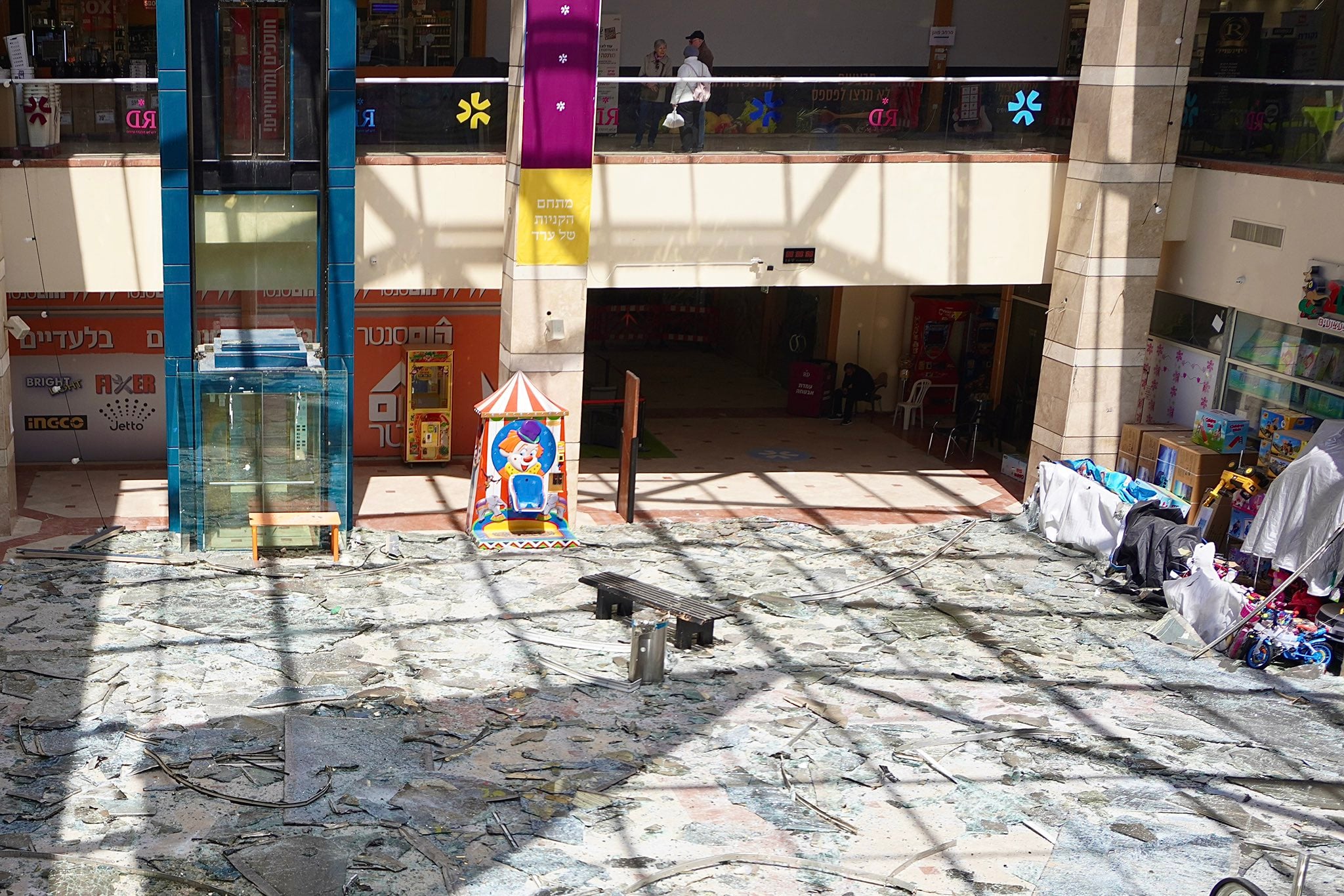
Despite the tensions between secular activists and representatives of the Gur sect, daily life in Arad is relatively calm. Many of the neighborhoods closer to the downtown are solidly mixed, and locals spoke of having good relations with their neighbors.
Even after the fresh disaster that befell the city over the weekend, locals went about shopping and running errands amid the damage.
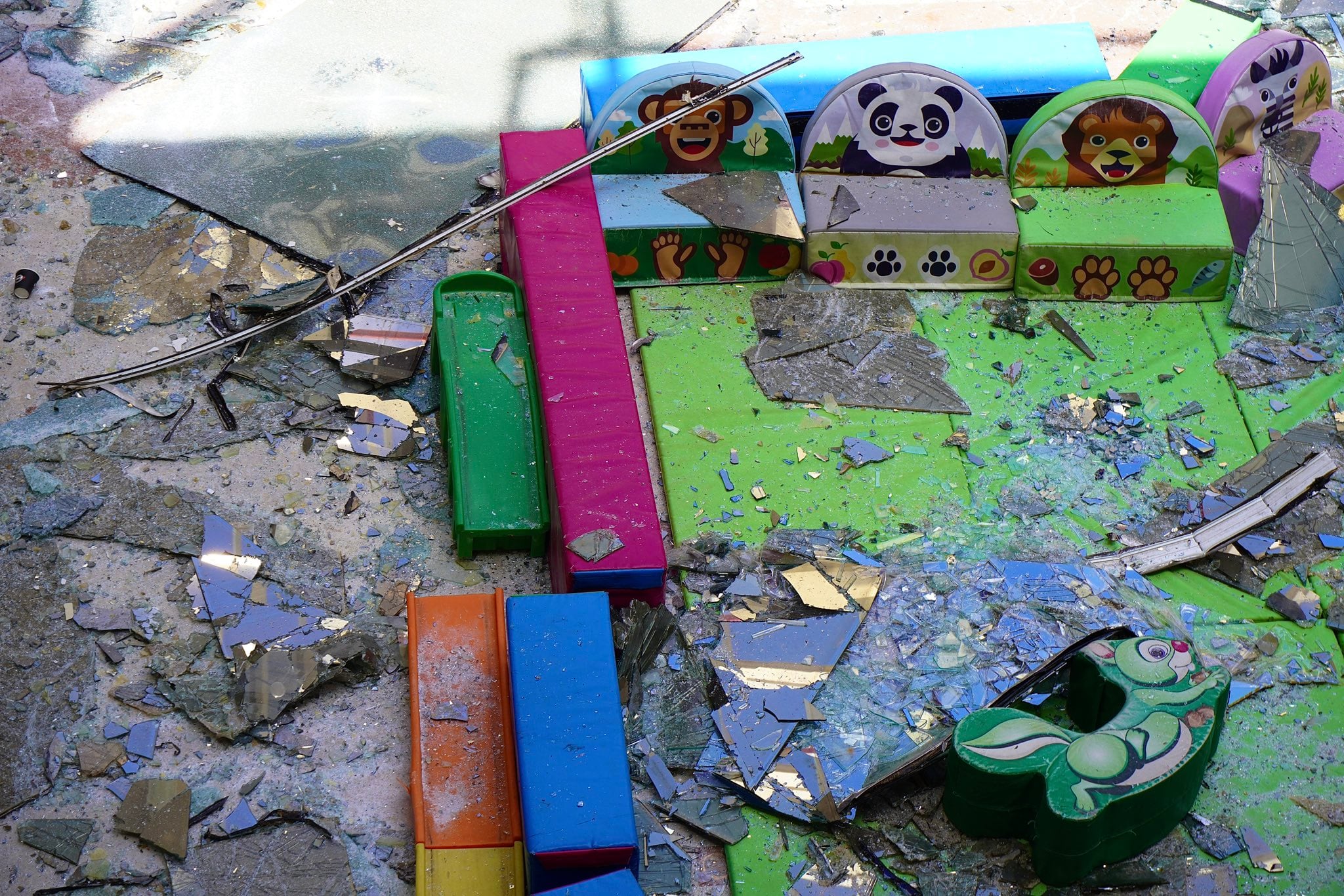
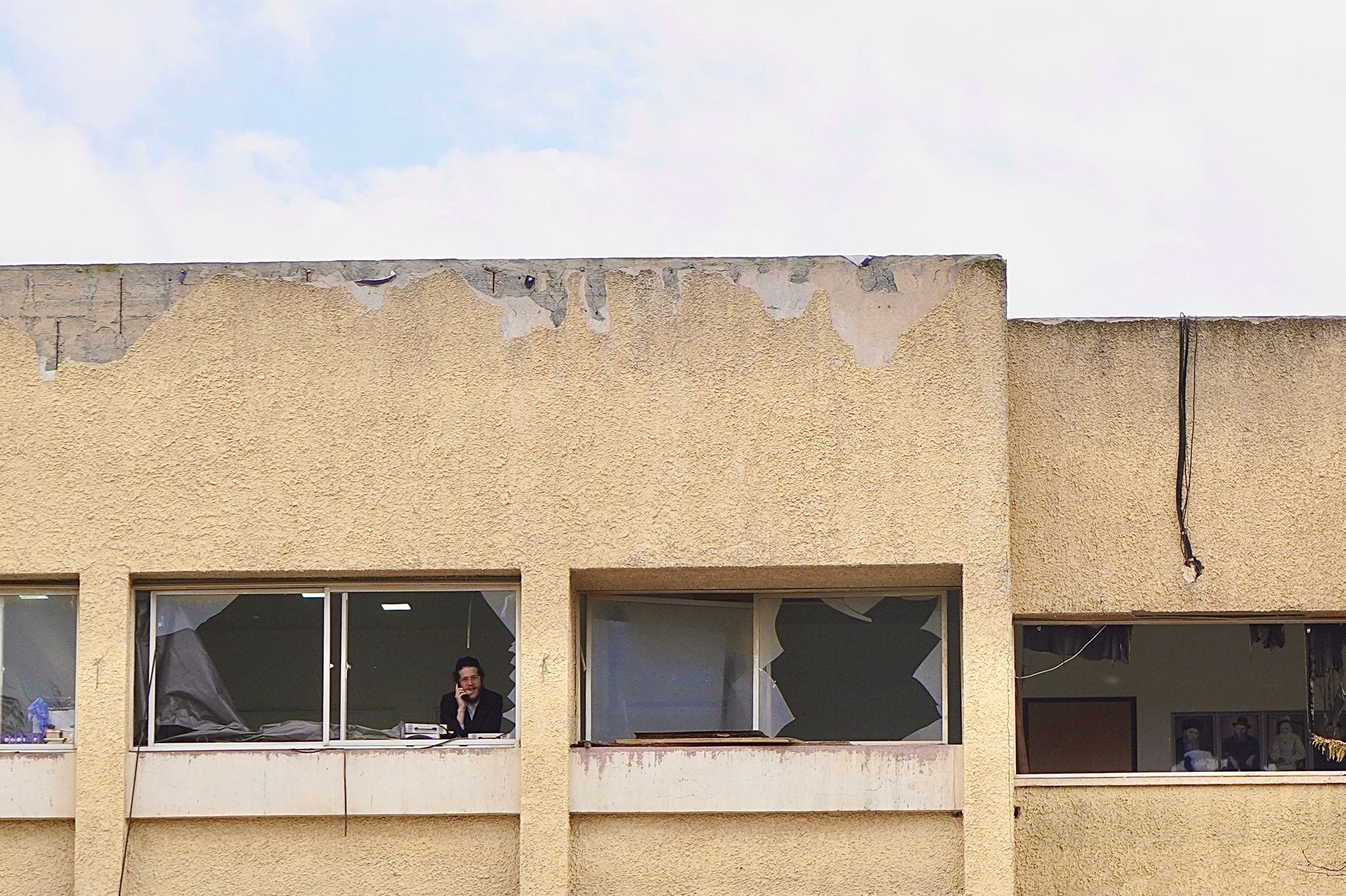
The mall, which was badly damaged in the attack earlier this month, was still open despite the piles of shattered glass on the ground floor.
After the missile blast, which tore through several apartment buildings, destroying several homes, all residents seem to agree that the city is in dire need of better protective infrastructure.
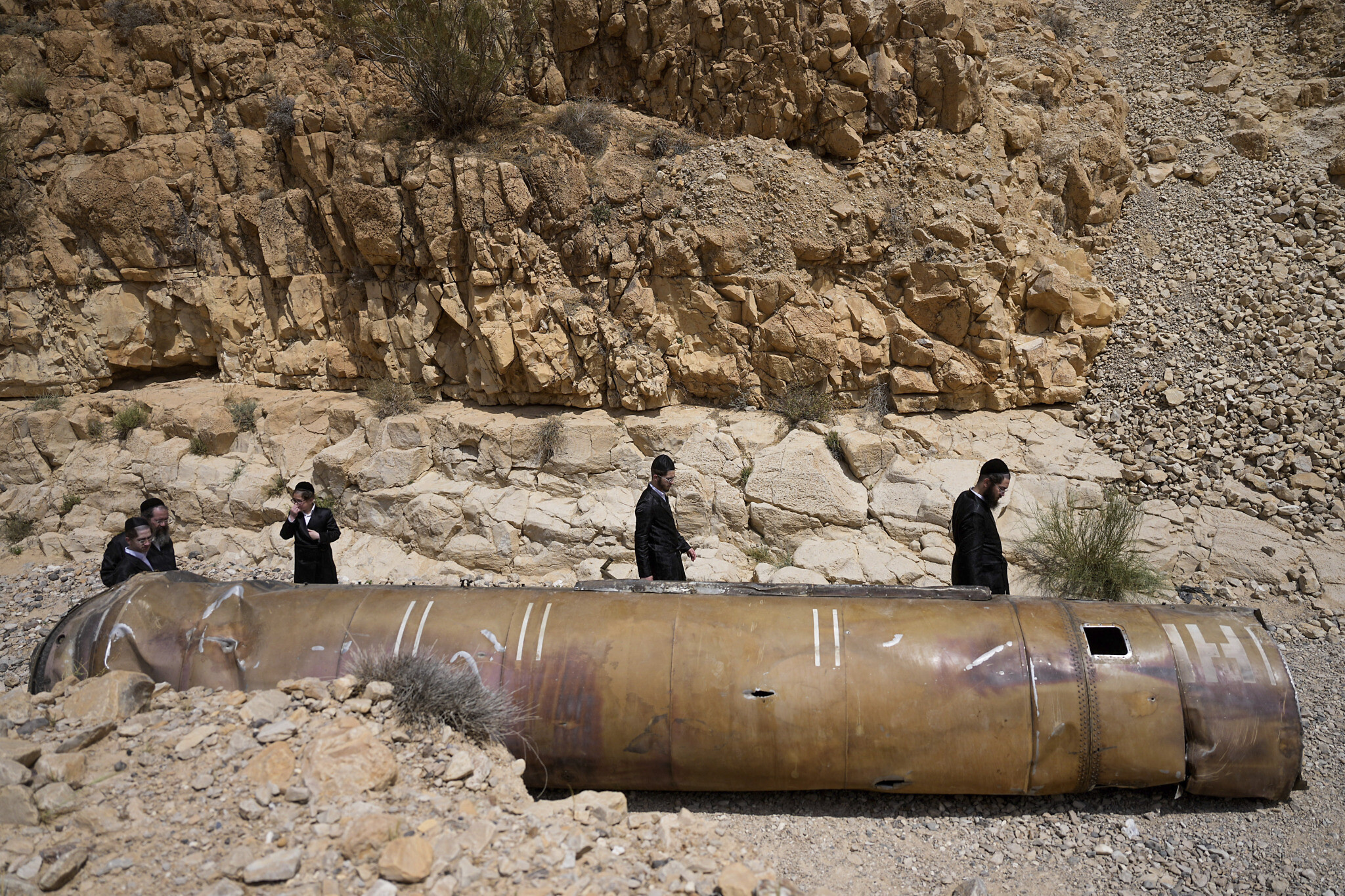
Responding to The Times of Israel, Maayan said that the municipality is currently raising budgetary funds and donations in order to build new shelters in neighborhoods and schools that lack protection. They are currently working to raise funds for 40 new shelters, he said.
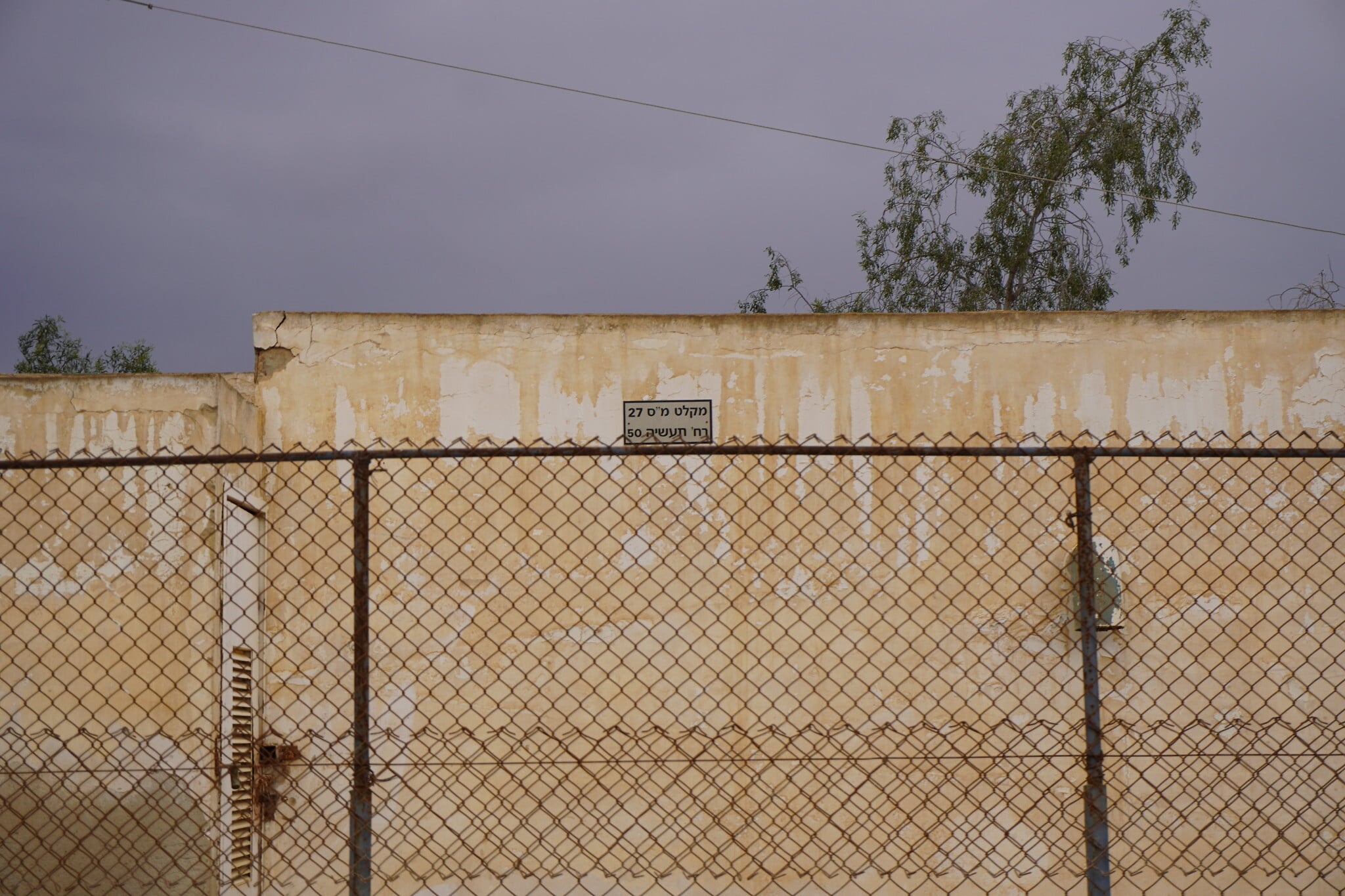
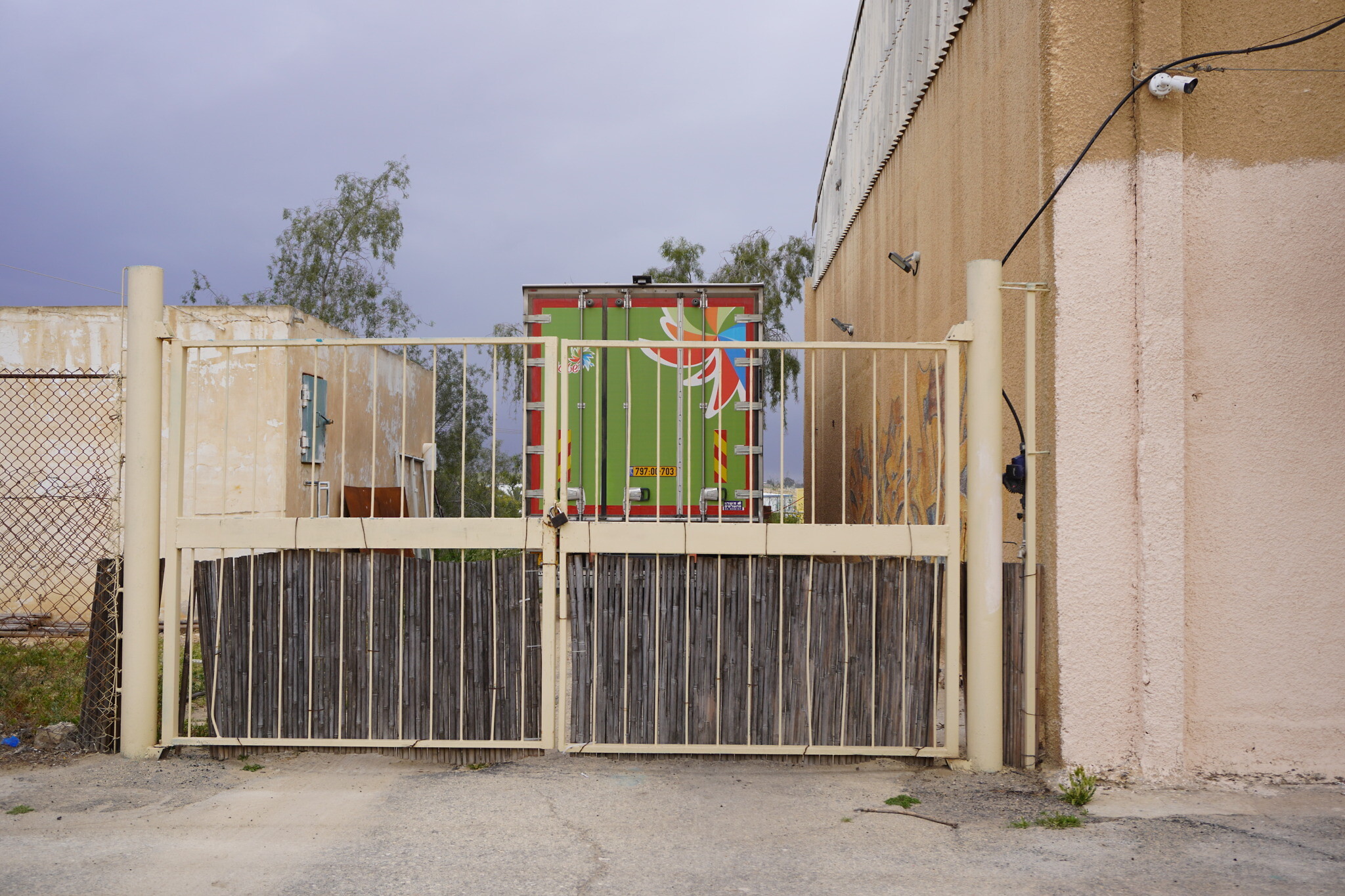
But Natalya claimed that some areas were still being left behind. She recalled that she had been volunteering with a charity group in Arad’s industrial zone to pack meals for residents recently when a siren sounded. She and others ran to the closest shelter, but the space had no electricity or ventilation.
When she texted the mayor about the shelter’s dire state, Maayan responded that there was no point in upgrading shelters that would only be used by workers, indicating that areas seeking dual-purpose facilities would come first.
“There is no justification to invest in a shelter in the industrial area, since it is used only during the daylight hours,” he wrote.
When The Times of Israel visited the shelter on Wednesday, the gate to the fence allowing access had been locked.
Even outside of the industrial area, “there are entire neighborhoods that only have public shelters,” said Reichman.
“There is one neighborhood, Hatzavim, in which there are no safe rooms in apartments, and no public shelters,” he continued. “We need to come to some sort of solution, at the very least to bring portable shelters there.”









The Times of Israel Community.