

In memoir for young adults, harsh WWII life lessons teach about standing up to hate
While touring with ‘Survivors Club,’ Holocaust survivor Michael Bornstein and daughter Debbie Holinstat also inoculate youth against denial
 Add ToI as a Preferred Source on Google
Reporter at The Times of Israel
NEW YORK — Hundreds of thousands of children were sent to the extermination camp Auschwitz-Birkenau. Only 52 under the age of 8 survived. Michael Bornstein was one those children.
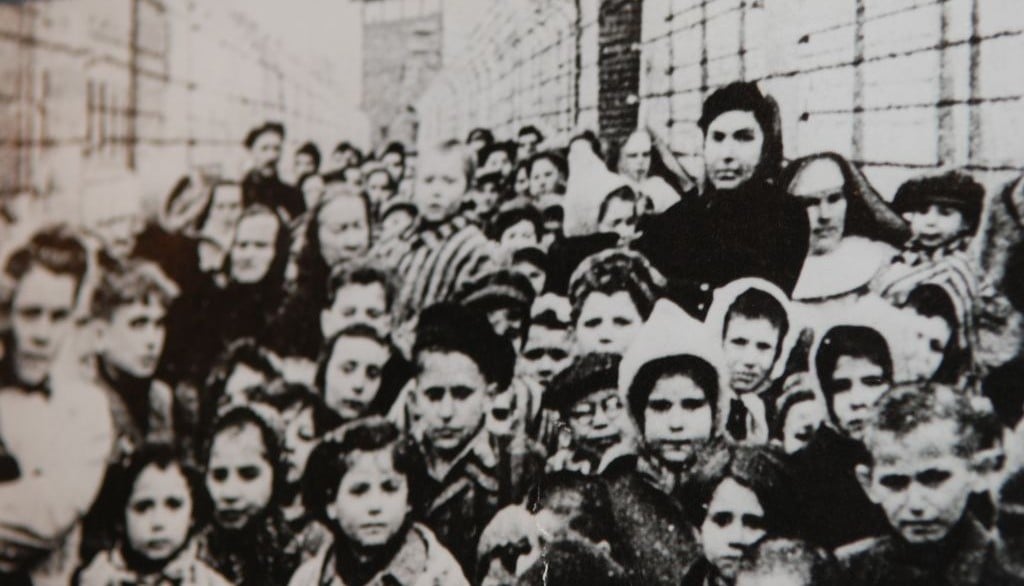
On January 27, 1945, Soviet soldiers photographed Michael Bornstein, then just four years old, as his grandmother Dora carried him out of the death camp back into life. His is an extraordinary story of survival, but one that Bornstein waited more than seven decades to share.
Always forward facing, Bornstein, 77, refrained from answering his four children’s questions about how he survived more than six months in Auschwitz, a place where most children his age were murdered within two weeks of arrival. He avoided answering his 11 grandchildren’s questions about life before, during and immediately after the war.
It wasn’t that he didn’t think he had a story worth telling, he just wasn’t sure how to tell it.
Then, in 2013 Bornstein visited the Yad Vashem Holocaust Remembrance Museum. There he found a record of his tattoo and a document showing that he was in the camp’s infirmary during the death march that saw 60,000 of the camp’s inmates prodded westward on foot in subzero temperatures by the SS as the Soviets approached the camp.
Bornstein also recognized his face in a still photo where he is grouped with other child survivors. In it the newly liberated boy wears a wary expression as he pushes the sleeve of his uniform high enough to reveal his tattoo: B-1148.
Soon after his visit to Yad Vashem, Bornstein learned Holocaust deniers were using that very same photo to advance the lie that children were well taken care of in the camps.
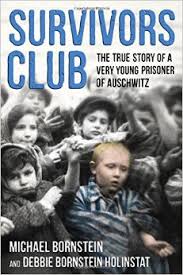
Bornstein felt obligated to document the truth, so along with his daughter Debbie Bornstein Holinstat, he wrote “Survivors Club: The True Story of a Very Young Prisoner of Auschwitz.”
“I carried around this weight. I have a sense of closure now,” Bornstein said.
Part memoir, part detective story, Bornstein’s recollections form the soul of the book. A recording of his mother and extensive interviews with relatives and survivors who knew the family fill in gaps and provide important information about what happened to his birthplace, Zarki, Poland, after the 1939 German invasion. They also detail how Bornstein survived Auschwitz and avoided the death march.

“It was by far and away the hardest thing I’ve ever done. It was so personal for me. I had no choice but to put myself in my father’s shoes,” said 42-year-old Holinstat. “When I was reading about what happened in the Zarki ghetto I couldn’t sleep. My husband heard me crying out loud, tapping away on my keyboard and crying.”
However, as a journalist, she relished the investigative side of the project.
“It was exciting to find answers to my dad’s life that he couldn’t fill in,” she said.
While the book, which will be released in Hebrew sometime in 2018, is categorized as Young Adult literature for middle readers, the authors intended it as a crossover.
It is about anti-Semitism and the Holocaust, but is also about bullying and standing up against hate — themes that resonate with the young people they have met while talking about the book.
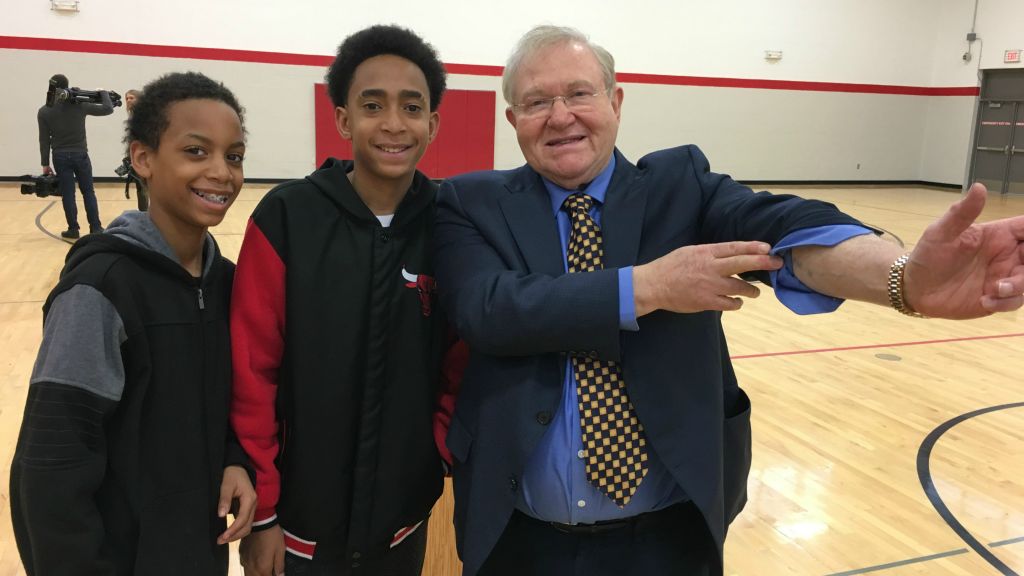
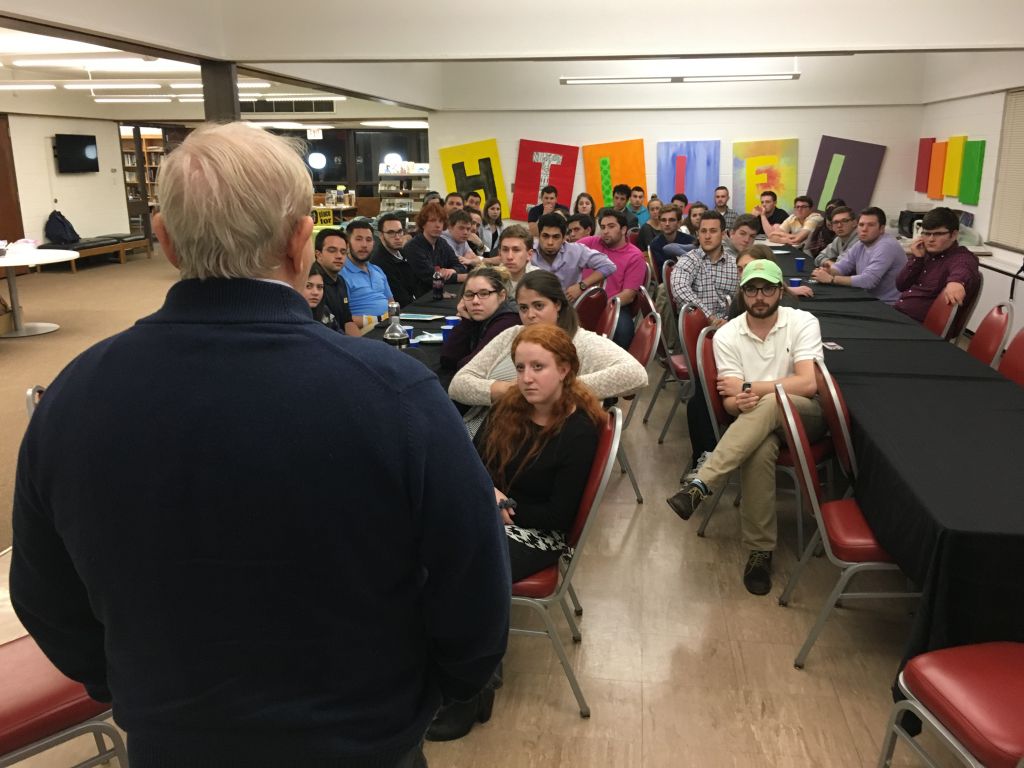
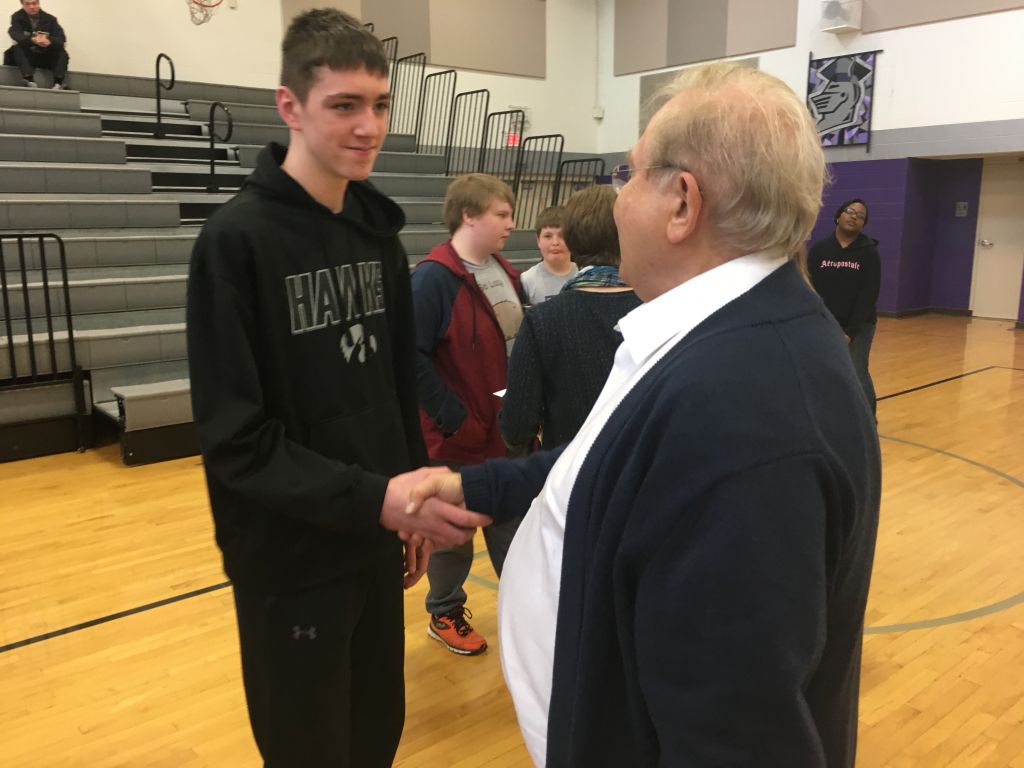
“We were in Iowa City to speak about the book and kids wrote us letters about how important it was to them. Long letters about how the book affected them,” Bornstein said. “I think there’s a lot of anti-Semitism going on, a lot of hate. We don’t have to be on opposite sides.”
“Survivors Club” is also the story of his mother’s fierce love.
Bornstein was kept in the children’s barracks in Auschwitz. Dr. Josef Mengele experimented on many of the children, however Bornstein doesn’t recall being one of them. But they were all starving, and the older kids regularly stole his food.
Somehow Bornstein’s mother Sophie managed to bring him food each day, in spite of being beaten over the head for it.
“She had scars on her head from coming to me every day with bread and smelly soup, potato soup or something,” Bornstein said.
Eventually she hid him in her barracks, and all the other women worked together to hide him from the guards, feeding him what scraps they could.
Bornstein was too young to remember the faces of his father Israel and older brother Samuel, both of whom were murdered at Auschwitz. Samuel was around 9 at the time, his father 40. He can’t recall the way his father hugged him or the sound of his brother’s voice. It’s an agonizing loss for Bornstein.
“I wanted to give my father something tangible of Samuel. I looked for a birth certificate, something,” Holinstat said.
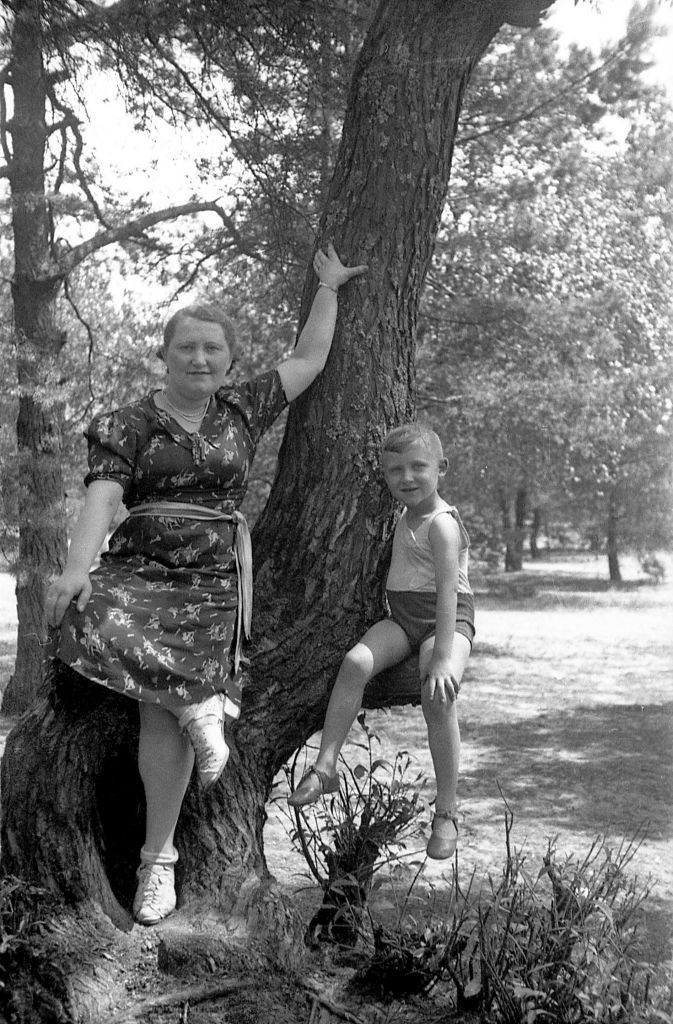
She searched. And searched. Recently she found someone who had access to thousands of negatives from Zarki’s only photography studio. Holinstat sorted through them and found a picture of Samuel. About five years old at the time, he sits smiling on a tree branch. In it his mother, who is pregnant with Michael, leans against the trunk.
“I don’t remember him at all and it’s nice to have some connection now,” Bornstein said of having the photo.
In another twist of fate, several of the children appearing with Bornstein in the Yad Vashem photo not only live in the United States, but near him — something he didn’t discover until the book came out.
Today certain things trigger those dark memories: If he’s on an overcrowded subway in New York City, he feels the crowded cattle car on its way to Auschwitz, Bornstein said. He also remembers the sound of the Nazi jackboots on the ground, the smell of the crematorium and of burning flesh.
During the research they learned how Michael’s father, Israel Bornstein, saved many lives. As head of the Judennat, the Jewish leadership, in Zarki he came up with a way to get the Jews to work together to pool resources and use the money to rescue people.
“One of the best things I learned in this was that my father was a good man. Many men who were fated to die survived,” Bornstein said.
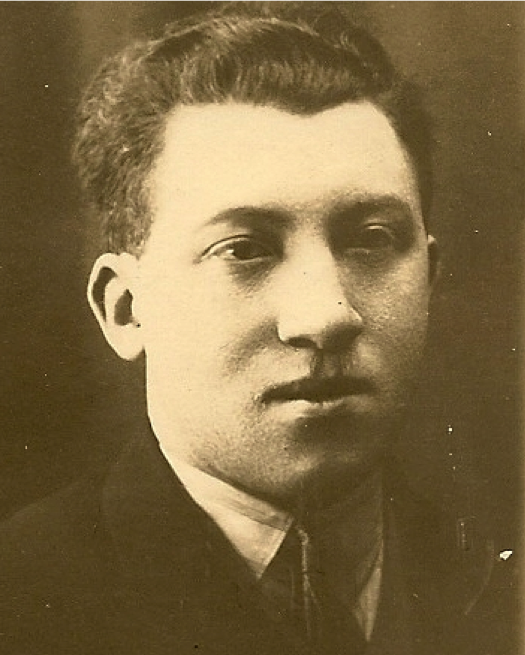
They also discovered the story of another family member who lived in Zarki at the time. He was around 15-years-old, and one day he was too sick to work. The Nazis came and put a pillow on his head, took him to jail where he was going to be shot. Bornstein’s father bribed the Nazis and saved his life.
When Holinstat began the project she envisioned it ending with her father’s liberation. However, she knew the story wouldn’t be complete without addressing the war’s aftermath — a period that turned out to be uncertain and painful.
A few weeks after liberation, Bornstein and his grandmother returned to Zarki. Before the war about 3,400 Jews lived in the town. Less than 30 returned. Bornstein’s grandmother discovered a Polish family had taken their old house and the town was openly hostile toward survivors. His grandmother and the rest of the family decided to leave for Munich.
His mother Sophie, whom everyone thought had died in a camp, finally found the two living in a chicken coop. Young Bornstein was malnourished and often bullied by older children. He was constantly anxious his mother, who was selling goods on the black market to survive, would be arrested and taken away forever. He was also sexually assaulted.
Writing that part of the book was emotionally trying, Holinstat said, because she wanted to be sensitive to her father and still do the story justice. Despite all the tribulations, a palpable sense of optimism beats through the book.
“As my mother always said, ‘Gam zeh ya’avor,’ this, too, will pass,” Bornstein said.
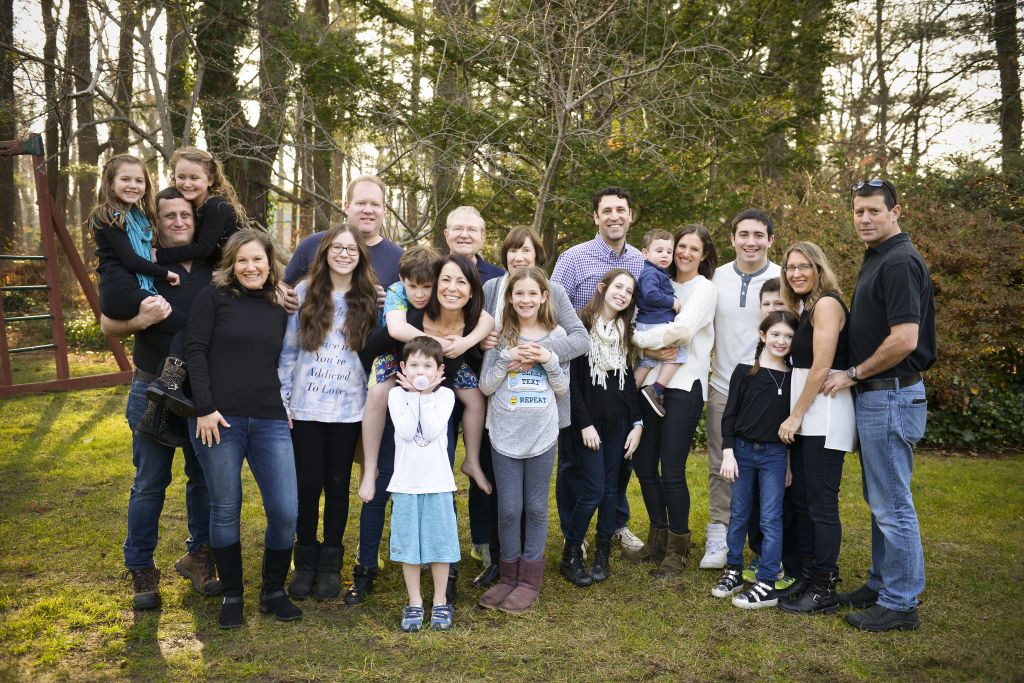
While the worst is indeed behind him, Bornstein and his daughter feel compelled to pass the story on to the next generation.
“The story of the Holocaust is being forgotten, altered and distorted,” she said. “The lessons apply not just to Jews but to everyone.”






The Times of Israel Community.