

In unassuming Rishon Lezion, a treasure trove of Israeli history comes alive
With museums boasting lifelike reproductions of life in the olden days and a seemingly endless number of historically significant sites, one of Israel’s oldest towns is a must-see
 Add ToI as a Preferred Source on Google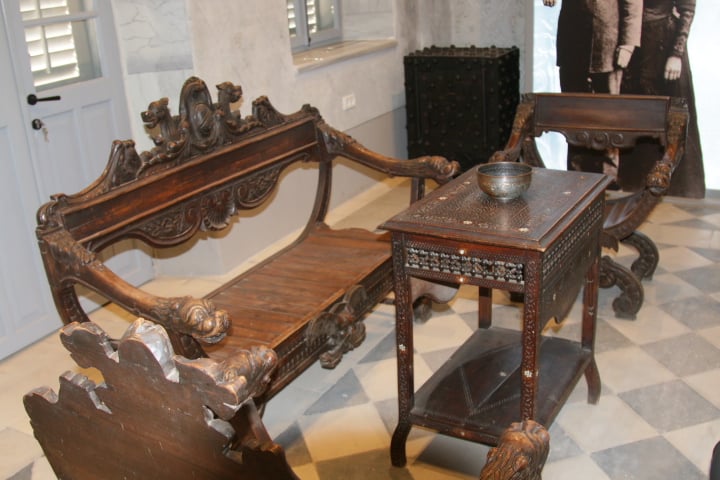
The farming village of Rishon Lezion was founded in 1882. Thirty-five years later, when village resident Nehamah Pukhachewsky decided to run for office in the council leadership, she was turned away simply because she was a woman. After all, women couldn’t even vote in the elections, so how could they become candidates for office?
But Pukhachewsky refused to give up. Brilliant, well-educated, a prolific author and the only female farmer in the settlement, she fought tooth and nail until women were allowed to vote and her name was put on the list. Finally, in 1919, she won the position of council chairwoman.
Pukhachewsky was the undisputed first women’s rights activist in pre-state Israel. (She was also a pragmatist — she understood that she might have gone too far, and passed the job on to one of the men).
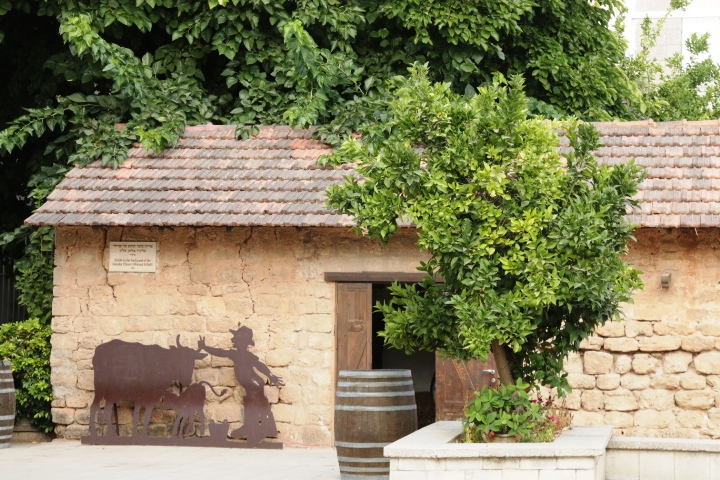
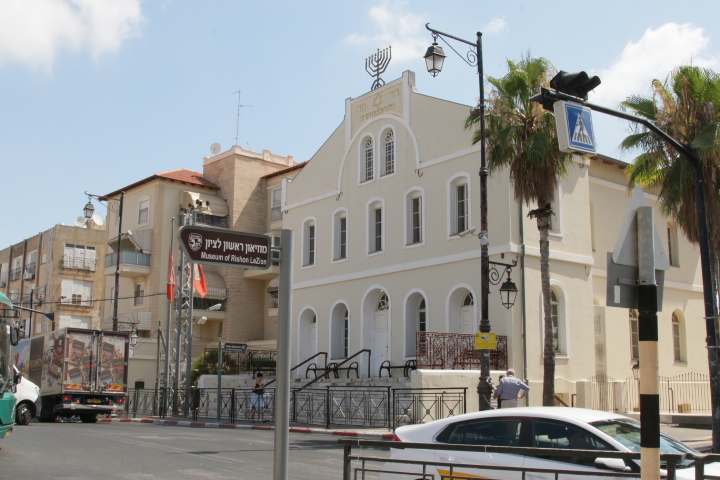
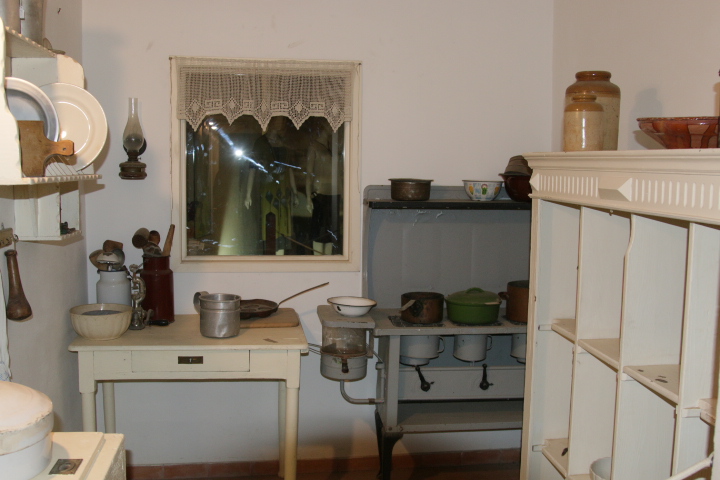
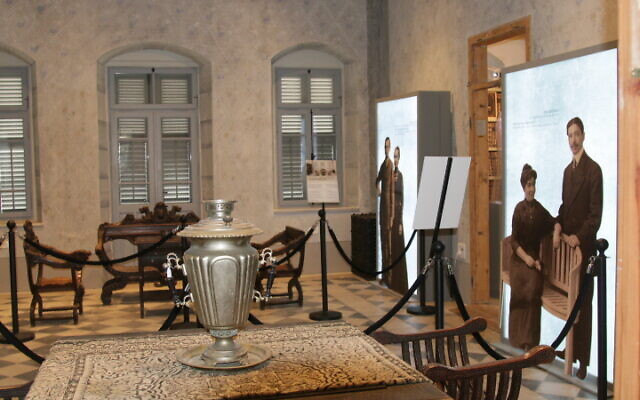
Pukhachewsky’s picture and that of Chana Levin — the first woman mayor in Israel — are on view at the Rishon Lezion Open Museum. Inaugurated on Rishon Lezion’s 100th anniversary in 1982, the museum is housed in five of the original settlement buildings.
During a visit last week, just before the city’s 140th birthday at the end of July, museum guide Nili Arava showed us photos of the two women. She also shared fascinating tales about the history of the community that included other local “firsts,” from pre-state Israel’s first plow (made of iron instead of wood, which was hard to come by in the desert) and the first orchestra, to the formation of the country’s largest bus company.
Today a bustling modern town crowded with shopping malls and apartment buildings, the tiny farming village of Rishon Lezion — lovingly called “Rishon” by the local sabras — got its start when Russian-born Zalman David Levontin landed in Jaffa at the beginning of 1882. He was part of a mass Jewish exodus from Eastern Europe in the wake of vitriolic antisemitism and brutal, violent pogroms.
While most of the emigrants traveled to the New World, some hardcore ideologists traveled instead to their ancestral homeland, the Land of Israel. When they arrived, they found that they had little in common with the veteran Jewish population that spent its days in prayer and pious study. True, the newcomers were also religiously observant. But they believed that God’s chosen people would never be truly free until they were masters in their own country. Thus they intended to rebuild the land by the sweat of their brows.
Levontin, one of the earliest of these immigrants, immediately began a search for families willing to join him in Palestine’s first modern-day Jewish agricultural colony. Seventeen families answered his call. Their menfolk, who had all been merchants, artisans and intellectuals in the lands of their birth, now planned to till the soil. They would call their new settlement Rishon Lezion, meaning “first to Zion” in English. They took the name from Isaiah 41:27: “I was the first to tell Zion… [of its deliverance from Babylon].”
While the new settlement had a moniker, its founders still didn’t know where to actually break ground. Considering establishing Rishon Lezion near the Holy City of Jerusalem, Levontin consulted with Jerusalemite Eliezer Ben-Yehuda, the lexicographer credited with reviving and modernizing the Hebrew language.
Ben-Yehuda strongly advised Levontin to return to Jaffa if he planned a community of farmers. He felt that Jerusalem’s Jews — who gave him no end of grief for trying to turn Hebrew into a modern spoken language — would strenuously object to having Jewish farmers nearby; they would be concerned that they would lose the handouts from abroad that sustained them.
Levontin returned to Jaffa and purchased land 10 kilometers (six miles) to its south. The plot belonged to a wealthy and well-connected local Arab family, and consisted of 850 sandy, virgin acres of soil under which, presumably, lay an abundant supply of water. That’s because the land was in an area called Ayun Kara, Arabic for “spring of the crier.” However, although there indeed was a spring, it offered plenty of mosquitoes — but not a drop of usable water.
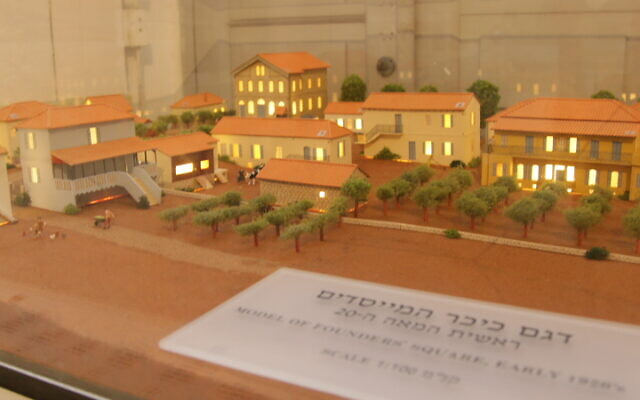
The founders of Rishon Lezion planned to build the settlement around a synagogue which would sit at its highest point. Thus on the day the town was born, July 31, 1882, they trudged up a hill, erected tents near its peak, and immediately began digging nearby for water.
But luck was against them. After they dug down 18 dry, rock meters (59 feet), they gave up. A few days later they tried digging at a site further down the hill and again hit only rock.
Salvation appeared in the form of the generous Baron Edmond De Rothschild, who sent the settlers 25,000 French francs. This more than paid for the well, which burst forth with water after seven months at a depth of 48 meters (157 feet).
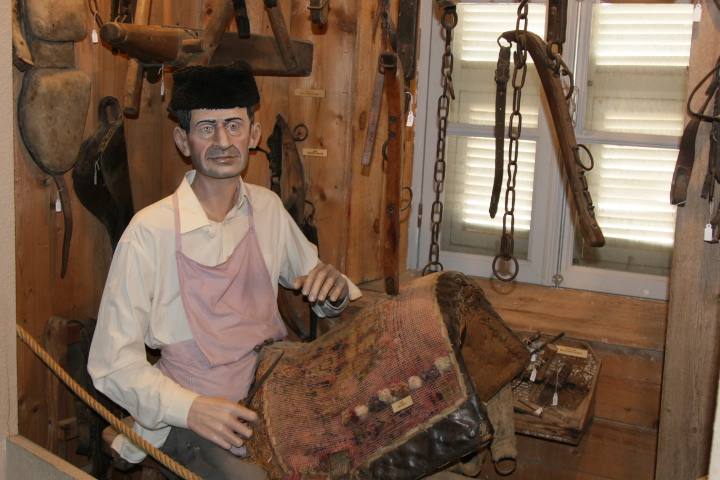
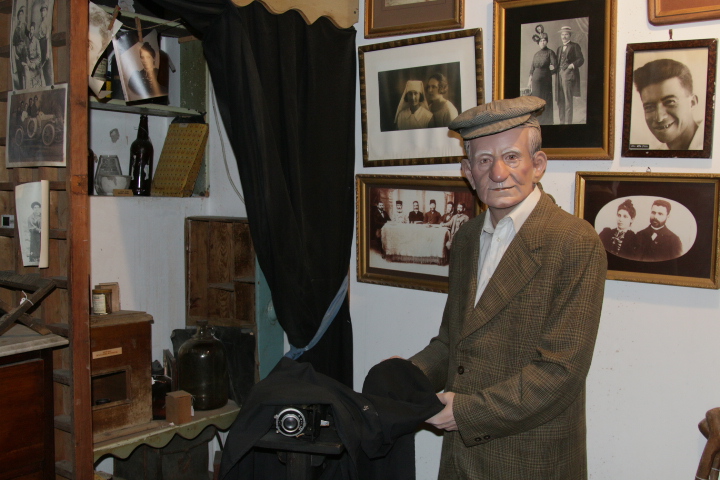
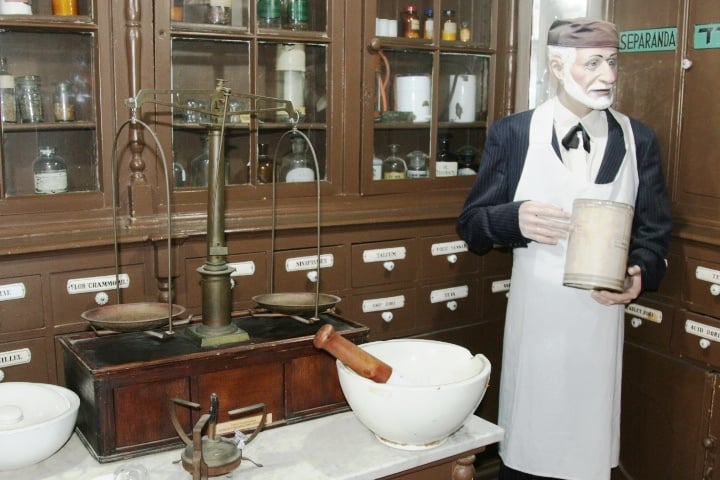
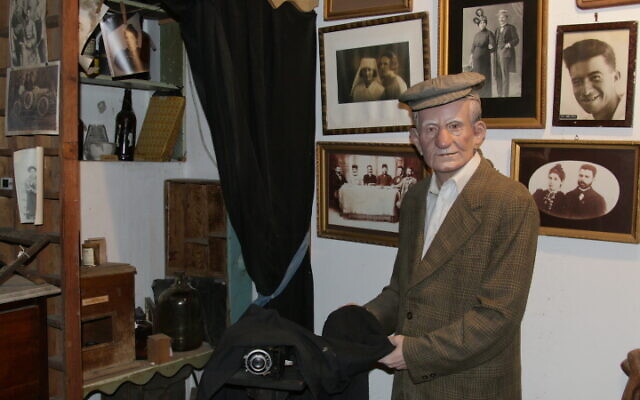
Among the original settlement founders were a pharmacist, a blacksmith, a carpenter and a master builder. Realistic mannequins portraying these tradesmen and others who came later are seen at work on Artisans’ Way, an imaginary street constructed inside the home of the original pharmacy. Displays include the tinsmith’s shop, the post office, and the photographer’s den.
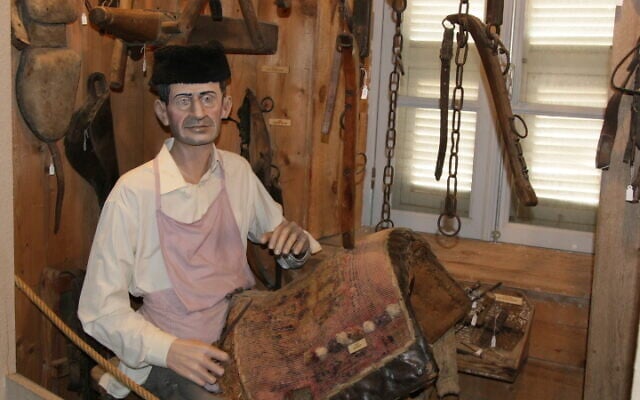
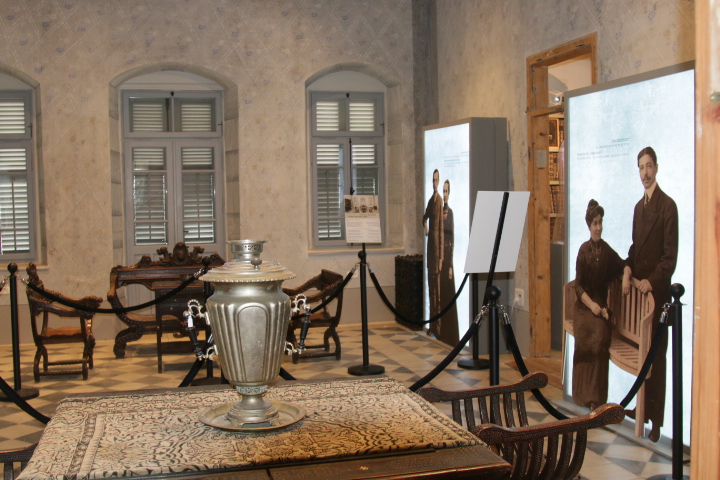
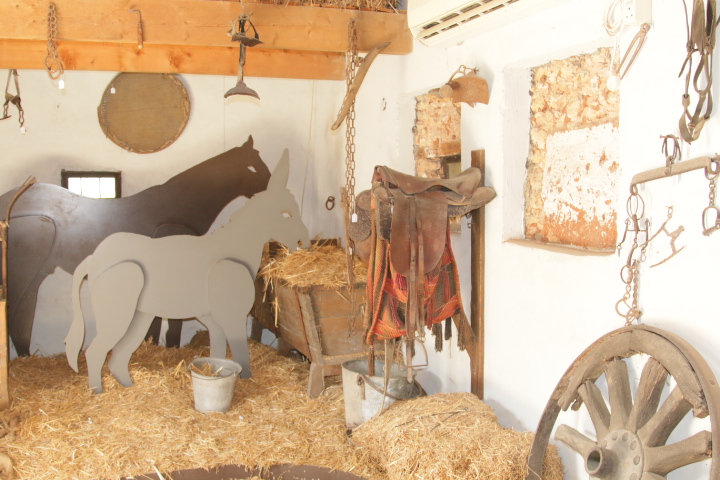
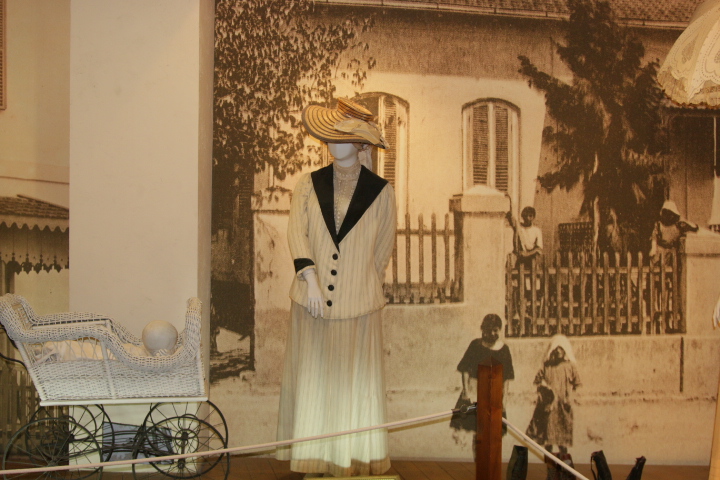
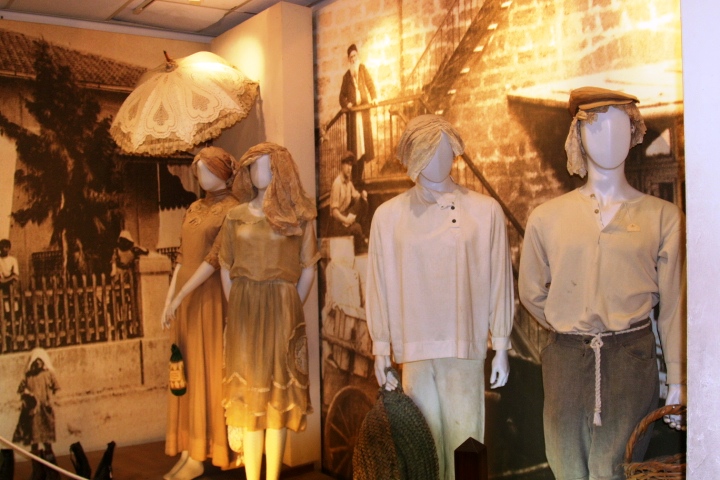
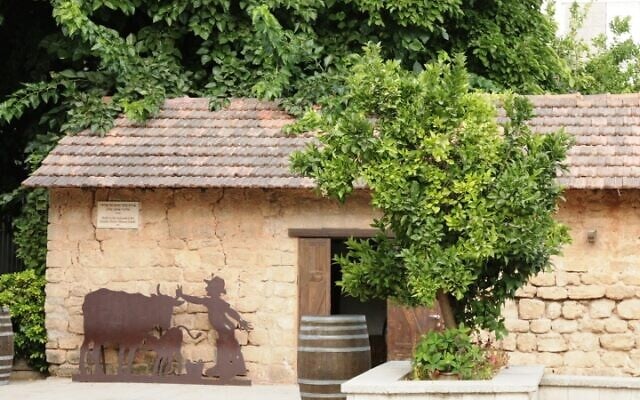
“From Horse to Bus” (it sounds better in Hebrew: mi-sus le’autobus) is a wonderful exhibit set up in what was a stable belonging to the Shalit family. Visitors will also enjoy tracing local Jewish fashion from 1882 to the 1930s in a dashing display exhibited in the beautifully restored Shalit dwelling, which is complete with ice box, samovar and the mantilla (headscarf) worn long ago by the lady of the house.
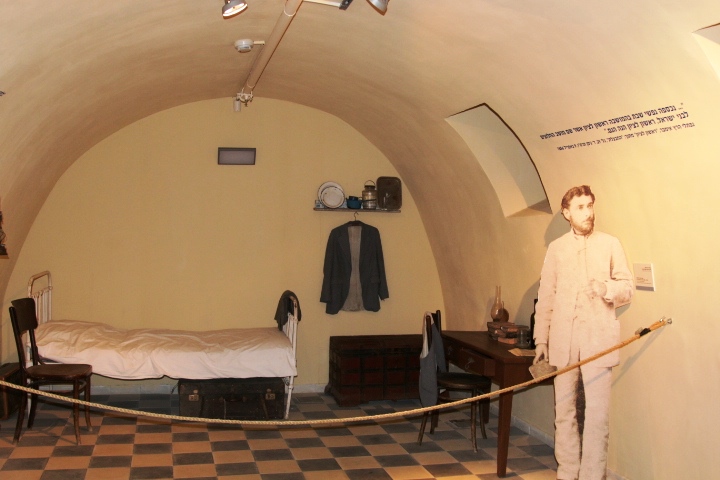
Shraga and Feige Heisman built one of the first houses in the agricultural commune, and Naphtali Herz Imber, an alcoholic poet who suffered from tuberculosis, lived in its cellar for a few months in 1884. A few years earlier, Imber had begun to write “Tikvateinu,” a poem filled with hope and a longing for the Land of Israel, to which he added verses after he arrived there in 1882. Rishon Lezion settler Shmuel Cohen put it to music in 1888, basing the melody on a Romanian folk tune that he had heard in his native land.
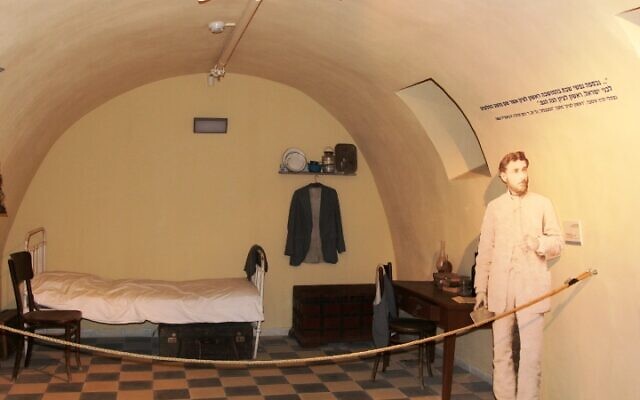
It was in Rishon Lezion that “Tikvatenu” was first sung in public, and soon the piece became popular all over Europe. Holocaust survivors sang this same haunting song when liberated from the concentration camp at Bergen Belsen. Though Israel’s unofficial anthem since the country declared independence in 1948, a slightly altered version known as “Hatikva” (The Hope) was officially designated the Jewish state’s national anthem in 2004. Visitors hear “Hatikva” playing as they descend into the Heisman home’s cellar to view an Imber exhibit.
Although he had been soundly rejected by the veteran Jerusalem establishment, Ben-Yehuda’s revival of the Hebrew language was enthusiastically received in Rishon Lezion. When David Yudelovitch, who had studied with Ben-Yehuda, began working at the village school in 1888, he insisted that all the subjects be taught in Hebrew — including physical education — thus creating the first all-Hebrew school in the world.
Each textbook had to be translated into Hebrew, often with Ben-Yehuda’s help, and when a word didn’t exist — and there were many of these — Ben-Yehuda produced new ones.
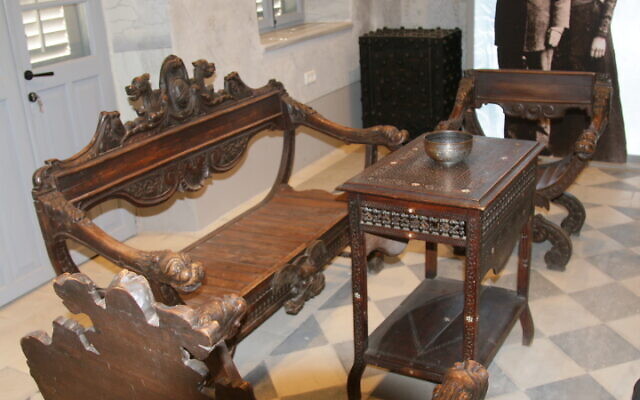
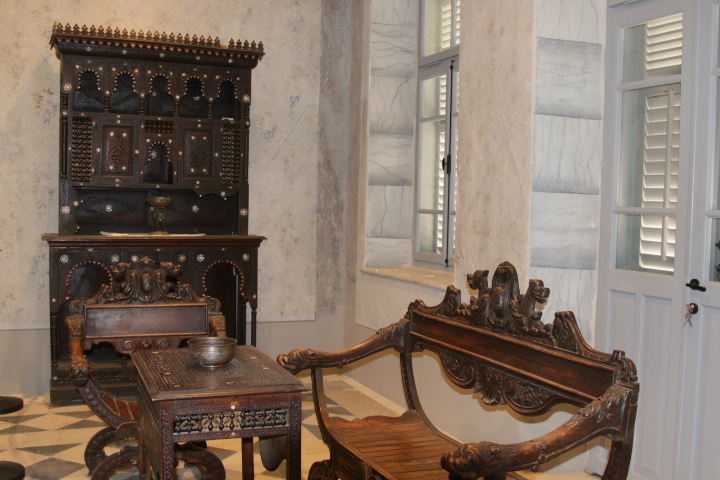
Over the years, the lives of Ben-Yehuda and the settlers in Rishon Lezion became intertwined. Therefore, it is no surprise that the museum’s newest permanent exhibit is called “In the Salon of Ben-Yehuda” and features the actual furniture that stood in the Jerusalem home of the man who gave us Hebrew as the national spoken language of the Jewish people.
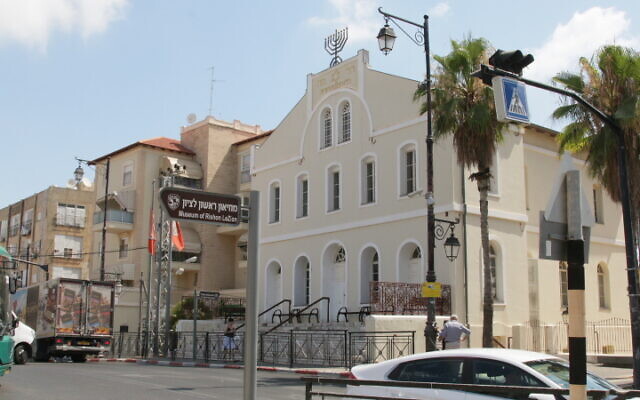
Before or after visiting the museum, stroll along the adjacent streets to view the early synagogue, Hebrew school, and a lane named for Ben-Yehuda’s son Itamar. Look, as well, for Theodor Herzl, the father of modern Zionism, who visited Rishon Lezion in 1898. He can be seen standing on a balcony at Yad Labanim, a memorial to Rishon Lezion’s fallen soldiers.
Museum hours: 9 a.m. – 2 p.m.
Prices: Seniors NIS 10, other adults NIS 25; children NIS 22. Special discount for Rishon Lezion residents.
Guided tours throughout the day. For information, call 03-959-8862.
A special thanks to our guide, Nili Arava, for help in preparing this article.
Aviva Bar-Am is the author of seven English-language guides to Israel.
Shmuel Bar-Am is a licensed tour guide who provides private, customized tours in Israel for individuals, families and small groups.



The Times of Israel Community.