

Interior minister asks AG to have court revisit Tel Aviv Shabbat ruling
Move by Aryeh Deri part of efforts by religious MKs to fight measure allowing mini-markets to open on Jewish day of rest
 Add ToI as a Preferred Source on Google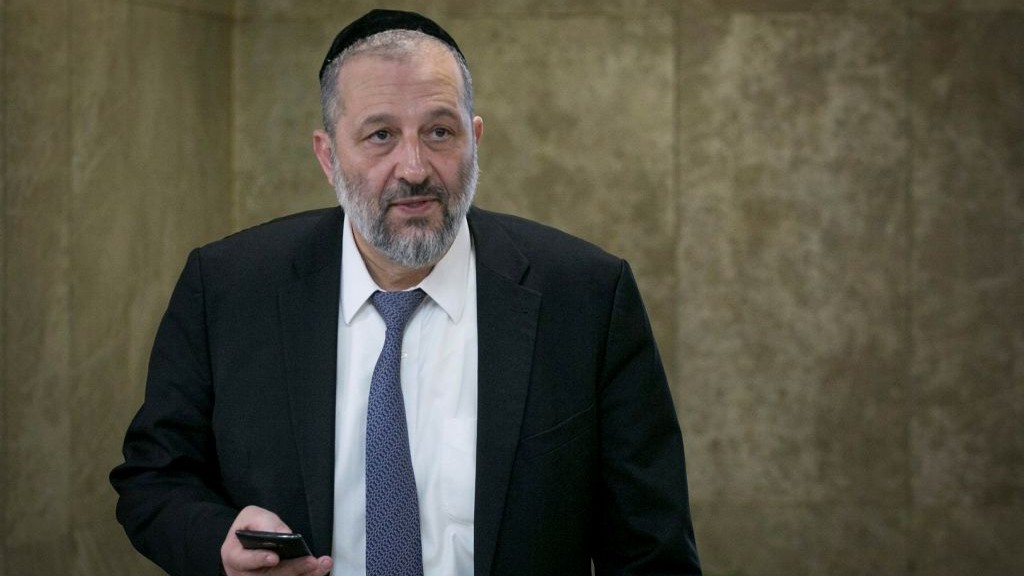
Interior Minister Aryeh Deri on Wednesday requested that the attorney general hold a fresh hearing at the High Court of Justice on allowing convenience stores in Tel Aviv to remain open on the Jewish day of rest.
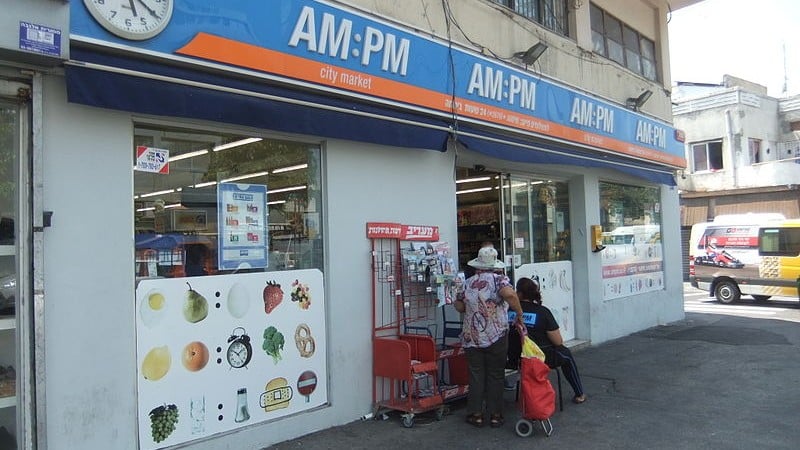
Last week, the High Court upheld a 2014 Tel Aviv City Council ordinance allowing the stores to remain open on Shabbat, a move hailed as protecting the cosmopolitan character of the coastal and mostly secular city. However, it drew scathing criticism from religious groups, who said it threatened the Jewish character of the state.
During the meeting Wednesday, Deri told Attorney General Avichai Mandelblit that the court’s ruling was flawed and that it was not aware when reaching its decision that he as interior minister had already struck down the law, according to a statement from his spokesman.
Deri’s claim that he had already struck down the court appeared to be an attempt to invalidate the High Court’s grounds for which to rule on the issue, which ultimately reached the court after three successive interior ministers — Deri from Shas, and Likud’s Silvan Shalom and Gideon Saar — refused to rule on the matter.

Wednesday’s statement said that Mandelblit agreed to give an answer in the near future on whether he will bring the ruling to the High Court to revisit
Deri, who heads the ultra-Orthodox Shas party, strongly criticized the court’s decision after the ruling and said it would change the religious status quo in Israel and “a serious blow to the holy Shabbat and the character of the Jewish people.”
In addition to Shas, lawmakers from the ultra-Orthodox United Torah Judaism have also strongly condemned the court’s decision, as have members of the national religious Jewish Home party.
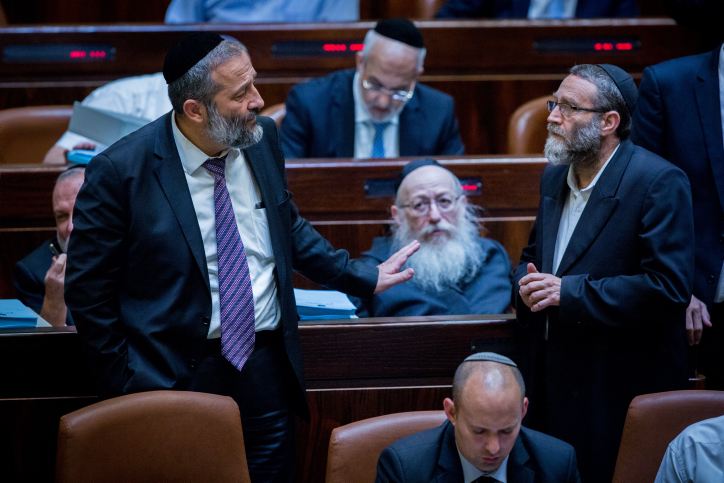
Following the ruling last week, Hebrew media reports said that in addition to requesting an additional High Court hearing, ultra-Orthodox politicians are considering a number of other ways to fight the court decision.
One of the measures reportedly being weighed by the lawmakers would be to pass legislation increasing the Interior Ministry’s authority in approving municipal bylaws, which would authorize Deri to prevent municipalities from passing legislation allowing for businesses to operate on Shabbat, such as the 2014 ordinance by the Tel Aviv City Council.
Although the Interior Ministry currently possesses the authority over matters pertaining to Shabbat in municipalities, ultra-Orthodox politicians fear that the recent court ruling will create a precedent, allowing local governments to make decisions concerning the operation of businesses on Shabbat independent of the Interior Ministry, Channel 2 reported last week.
Another measure reportedly being weighed by ultra-Orthodox lawmakers to fight the ruling is to increase oversight and enforcement of the Hours of Work and Rest Law, which would allow for punitive measures to be taken against businesses which are found to have violated the law by employing workers during their day of rest.
Tel Aviv, home to a mostly secular population, has sought in recent years to widen the scope of businesses allowed to be open on Shabbat, while ultra-Orthodox political factions have sought to add restrictions and improve enforcement of Sabbath laws.
The issue, which has pitted secular and religious politicians against each other, has been festering since March 2014. At the time, the Tel Aviv-Jaffa Municipality drafted a new bylaw after the High Court ordered it to either replace or enforce existing regulations against Saturday commerce.
The municipality suggested allowing 164 grocery stores and kiosks measuring 500 square meters in size or less to open on Saturday.
On Wednesday, three High Court justices threw out a government request for an extension of time and ruled that the Tel Aviv-Jaffa bylaw on the issue was proportional.
Under Israeli law, businesses are forbidden from operating during the Jewish day of rest, with exceptions including places of entertainment, restaurants and basic services such as pharmacies.
Times of Israel staff contributed to this report.









The Times of Israel Community.