

Iran must ‘seriously improve’ nuclear cooperation, says IAEA chief
Grossi says UN agency has not been given access to Fordo, Natanz, Isfahan since June war; reiterates belief that most, if not all, enriched uranium survived and is at damaged sites
 Add ToI as a Preferred Source on Google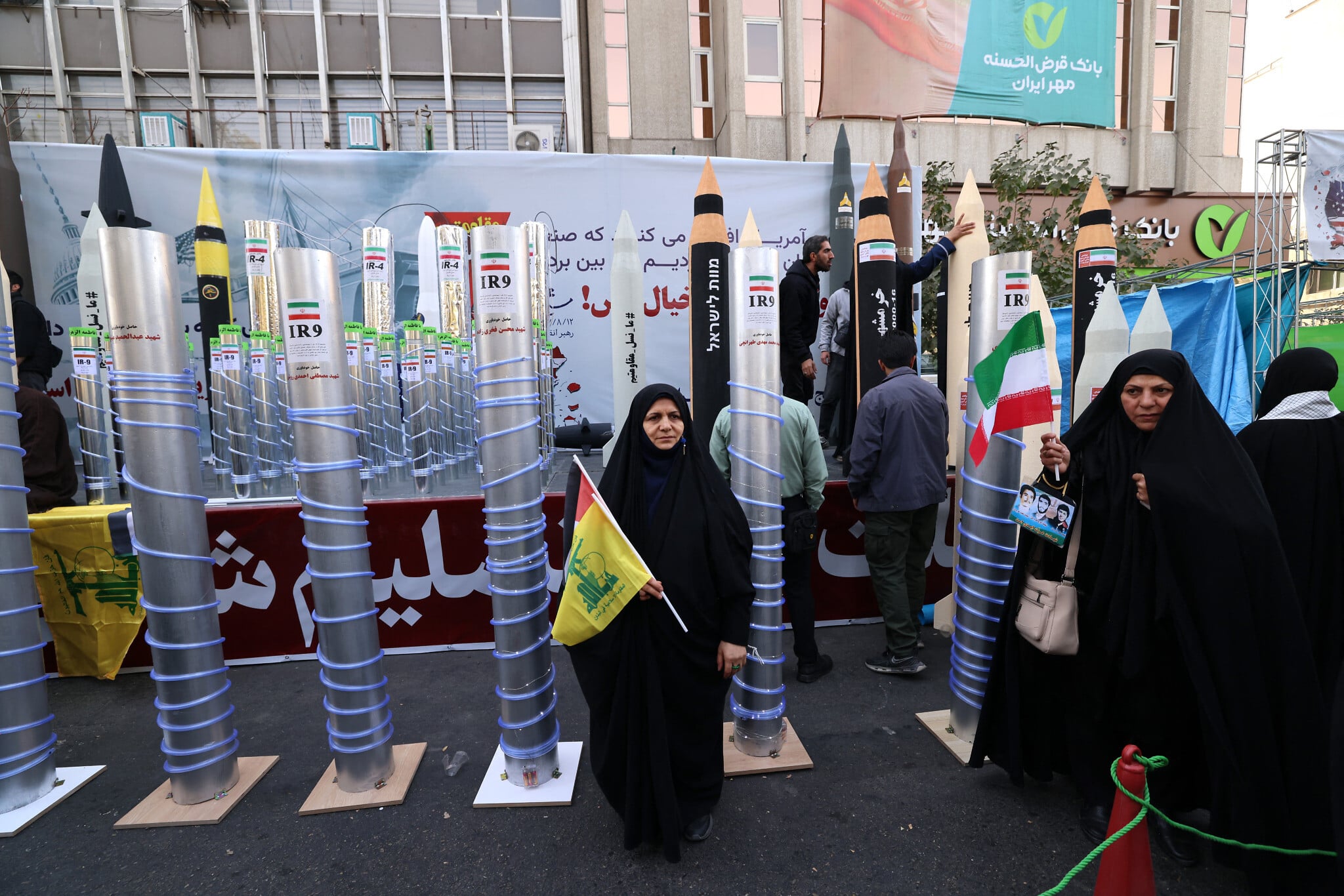
Iran must “seriously improve” cooperation with the United Nations inspectors to avoid heightening tensions with the West, International Atomic Energy Agency chief Rafael Grossi told The Financial Times on Wednesday.
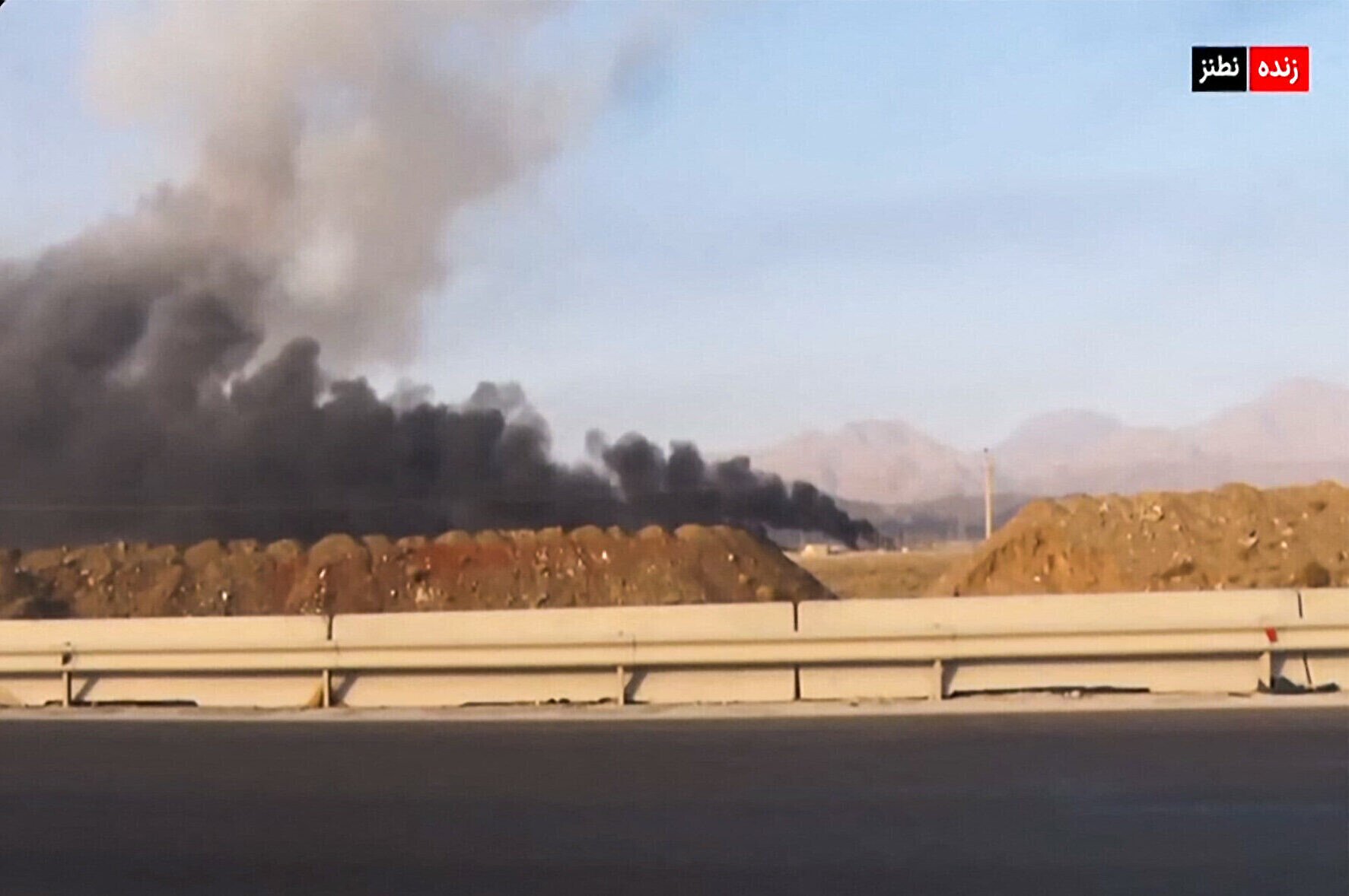
Grossi told the FT that while the IAEA has carried out about a dozen inspections in Iran since the war with Israel in June, it had not been given access to nuclear facilities such as Fordo, Natanz and Isfahan, which were bombed by the United States.
Iranian officials have claimed the IAEA provided a justification for Israel’s bombing of nuclear and military sites, which began the day after the IAEA board voted to declare Iran in violation of obligations under the Nuclear Non-Proliferation Treaty.
Grossi told the FT that while the agency was trying to approach the “bumpy” relations with Iran with understanding, the country still needed to comply.
“You cannot say, ‘I remain within the non-proliferation of nuclear weapons treaty,’ and then not comply with obligations,” Grossi said.
“You cannot expect the IAEA to say, ‘OK, since there was a war you are in a different category’ . . . Otherwise what I will have to do is report that I have lost all visibility of this material,” he said.
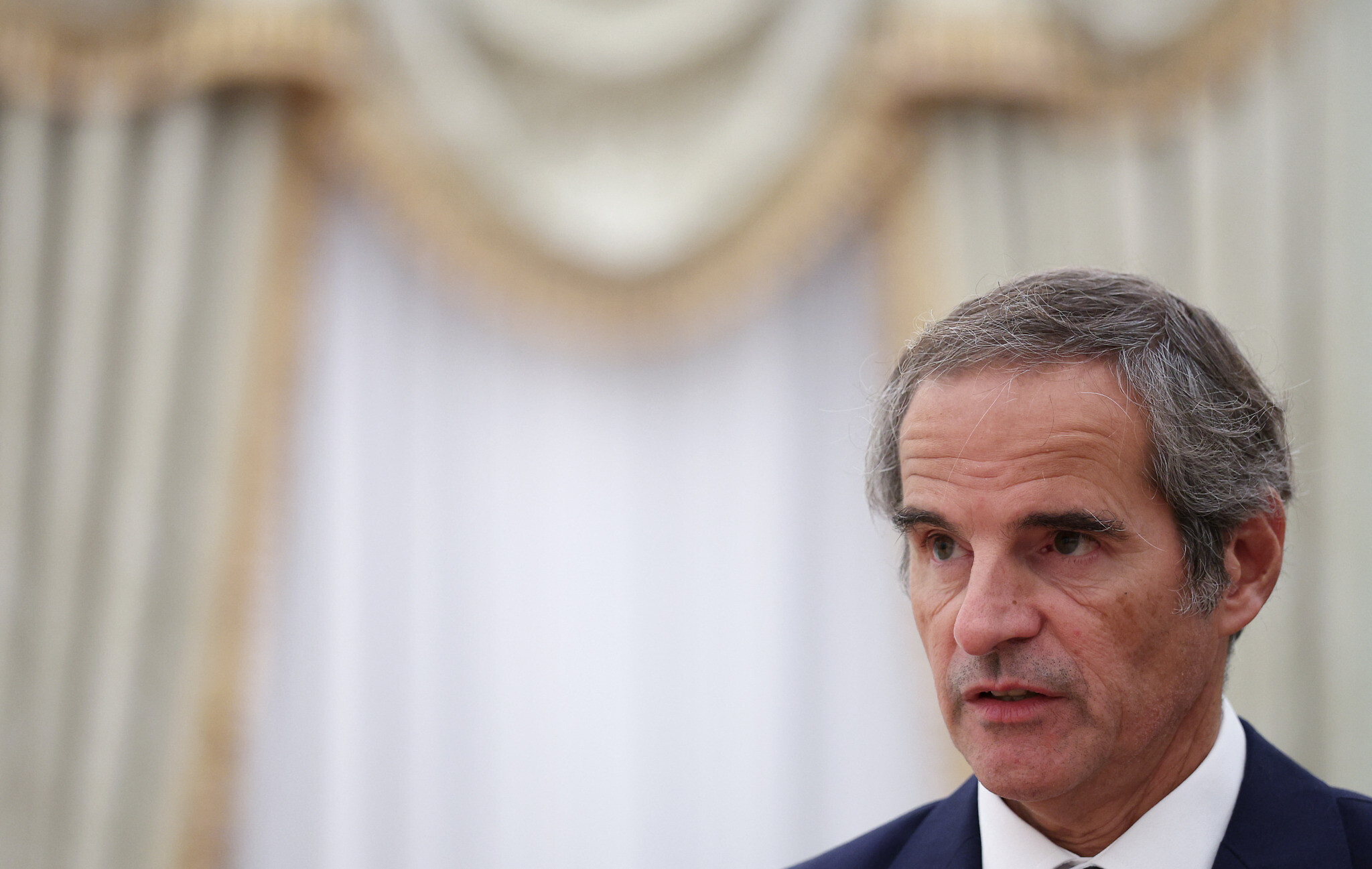
Grossi also reiterated the agency’s belief that most of Iran’s supply of enriched uranium survived the country’s 12-day war with Israel, and is still being kept inside the damaged nuclear facilities.
“The damage was vast, but the assessment that we have is that most, if not all, the uranium enriched at 60 percent — but also at 20, at 5 and at 2 percent — is there,” Grossi said.
“The material is still there, and although we are not ascribing any final end [to it], it is clear that the mere existence of enriched material, at such a high level of enrichment and close to weapons-grade level, is a source of concern,” he told the Financial Times.
Tehran routinely calls for the destruction of Israel and has funded a regional network of terror groups with that aim.
Israel said its sweeping assault on Iran’s top military leaders, nuclear scientists, uranium enrichment sites, and ballistic missile program in June was necessary to prevent the Islamic Republic from realizing its avowed plan.
Iran has consistently denied seeking to acquire nuclear weapons.
However, it enriched uranium to levels that have no peaceful application, obstructed international inspectors from checking its nuclear facilities, and expanded its ballistic missile capabilities. Israel said Iran had taken steps toward weaponization prior to the war.
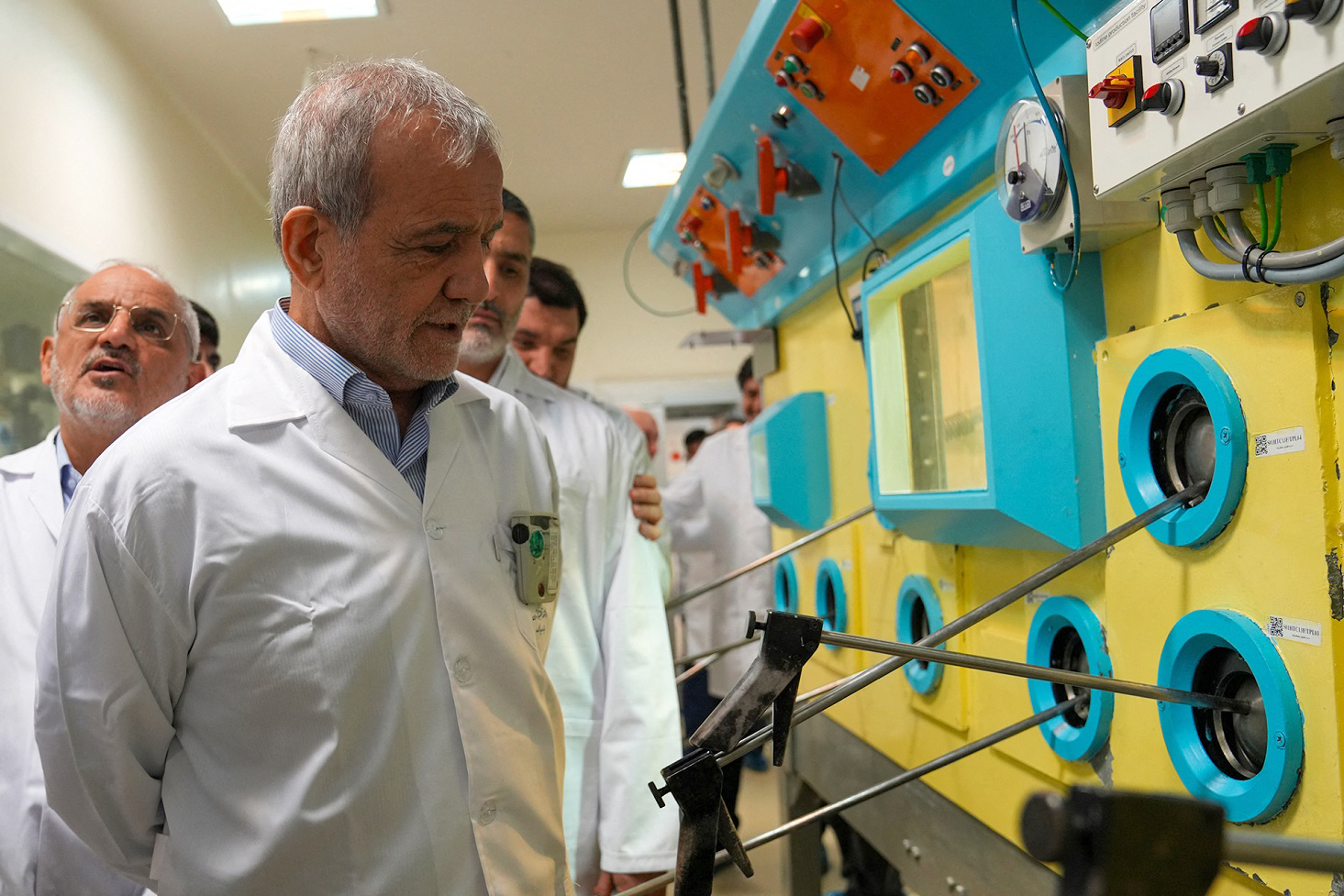
On Sunday, Iran’s President Masoud Pezeshkian told state media that Tehran will rebuild its nuclear facilities “with greater strength” while claiming again that the country does not seek atomic weapons.
A day earlier, Iran’s Foreign Minister Abbas Araghchi said Tehran has no desire for direct talks with the US over its nuclear or missile program and insisted that the Islamic Republic would not give up its ability to enrich uranium.
US President Donald Trump has warned that he could order fresh attacks on Iran’s nuclear sites should Tehran try to restart operations at facilities bombed in June.






The Times of Israel Community.