

Iran welcomes next round of nuclear talks, says Western pressure not effective
In televised interview, deputy chief negotiator says Iran seeks a ‘step-by-step and reciprocal approach’ to negotiations
 Add ToI as a Preferred Source on Google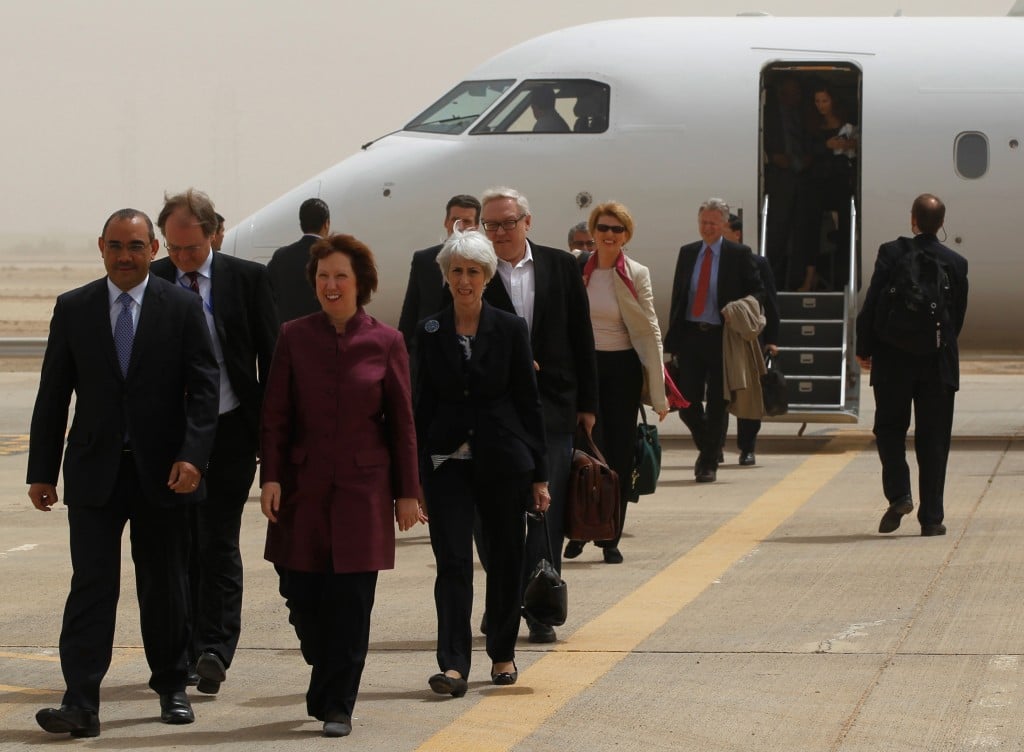
Increased sanctions against Iran won’t serve to stop its nuclear program, according to Iranian official statements released in the wake of the recent round of negotiations that took place in Baghdad last week.
“Adopting a strategy of pressure against Iran would not be effective,” said Iranian negotiator Ali Baqeri in a Iranian television interview on Sunday, adding that “the Iranian side is ready to take serious steps and welcomes a step-by-step and reciprocal approach. We are waiting for confidence-building measures.”
The latest round of talks between Iran and the P5+1 countries (the five permanent members of the UN Security Council plus Germany) ended inconclusively in Baghdad on May 24, with the next round scheduled to take place in Moscow on June 18 and 19.
During the recent negotiations Tehran pressed for an easing of Western sanctions against Iran, while the Western powers pressed for renewed inspection of Iran’s nuclear sites and a pledge to stop uranium enrichment to weapon-grade levels.
European and US sanctions on Iranian oil exports are set to be expanded in the coming months, and European negotiators have said that sanctions will remain in effect until Iran takes concrete steps to limit its nuclear program.
“This approach of pressure concurrent with negotiations will never work,” said Iranian Foreign Ministry spokesman Ramin Mehmanparast in a press conference on Tuesday. “These countries should not enter negotiations with such illusions and misinterpretations.”
Mehmanparast also remarked that scheduling the next round of talks was a positive measure, and that the nuclear Non-Proliferation Treaty should serve as a framework to allow all countries to have nuclear rights.
Negotiator Baqeri said that during the Baghdad talks, the Western powers acknowledged Iran’s right to nuclear power based on the nuclear Non-Proliferation Treaty, but that Iran needed to see “practical measures” in recognition of those rights.









The Times of Israel Community.